Salvia nemorosa ‘Bordeau Steel Blue’ (Sage): A Comprehensive Guide for Plant enthusiasts
Welcome to our in-depth guide to Salvia nemorosa ‘Bordeau Steel Blue’, commonly known as Sage. In this comprehensive article, we will delve into the various aspects of this stunning perennial plant, including its characteristics, cultivation, uses in landscapes and gardens, maintenance requirements, common diseases and pests, as well as fun facts and more. Whether you are a gardening enthusiast, a professional horticulturist, or someone who simply appreciates the beauty and diversity of plants, this guide aims to provide you with a wealth of knowledge about the Salvia nemorosa ‘Bordeau Steel Blue’ or Sage plant.
What is Salvia nemorosa ‘Bordeau Steel Blue’ (Sage)?
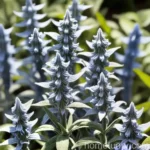
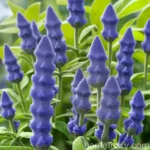
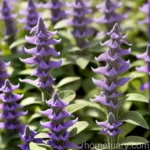
Salvia nemorosa ‘Bordeau Steel Blue’ is a herbaceous perennial plant that belongs to the Lamiaceae family. It is a cultivated variety of the species Salvia nemorosa, which is native to central and eastern Europe. The ‘Bordeau Steel Blue’ cultivar is specifically cherished for its striking deep blue-violet flowers and its compact growth habit. This cultivar is known for its long-lasting blooms and aromatic foliage, making it a popular choice for gardens, landscapes, and even container gardening.
Key Takeaways
Before we dive into the specific details of Salvia nemorosa ‘Bordeau Steel Blue’, let’s briefly highlight some key takeaways about this captivating plant:
- Characteristics: Salvia nemorosa ‘Bordeau Steel Blue’ is renowned for its vibrant blue-violet flowers, compact growth habit, and aromatic foliage.
- Cultural Significance: Sage has been historically valued for its culinary, medicinal, and ornamental uses, making it a versatile and multi-functional plant.
- Cultivation Requirements: This plant thrives in well-drained soil, requires ample sunlight, and exhibits moderate water and fertilizer needs.
- Landscaping and Garden Uses: Salvia nemorosa ‘Bordeau Steel Blue’ is a valuable addition to perennial borders, herb gardens, and mixed flower beds, contributing to its popularity in landscaping and gardening.
- Disease and Pest Management: While generally resilient, Sage can be susceptible to specific diseases and pests, necessitating proper care and monitoring.
With these key takeaways in mind, let’s delve into the detailed aspects of Salvia nemorosa ‘Bordeau Steel Blue’, from its cultivation and maintenance to its uses and ecological significance.
Culture
Soil
Salvia nemorosa ‘Bordeau Steel Blue’ thrives in well-drained, moderately fertile soil. It is essential to avoid waterlogged conditions as this can lead to root rot and other issues. Ideally, the soil should have a pH level ranging from 6.5 to 7.5. While this plant is relatively adaptable to different soil types, including loamy, sandy, or clay soils, ensuring good drainage is crucial for its overall health and vigor.
Soil Requirements Summary
- Drainage: Excellent drainage is essential to prevent waterlogging and potential root rot.
- Fertility: Moderately fertile soil is preferred, but Sage is adaptable to various soil types.
- pH Level: The ideal pH range for the soil is between 6.5 and 7.5.
Water
Proper watering is critical for the health and vitality of Salvia nemorosa ‘Bordeau Steel Blue’. While it is essential to provide consistent moisture, it is equally important to avoid overwatering, which can lead to root problems. During the establishment phase and periods of extended dryness, regular watering can promote robust growth and prolific blooming. However, once established, this plant exhibits moderate drought tolerance, making it suitable for water-wise landscaping.
Watering Needs Summary
- Establishment Phase: Regular watering during the initial growth phase supports healthy establishment.
- Drought Tolerance: Once established, Sage demonstrates moderate tolerance to dry conditions.
- Avoid Overwatering: Prevent waterlogging by ensuring adequate drainage and avoiding excessive irrigation.
Sunlight
Salvia nemorosa ‘Bordeau Steel Blue’ thrives in full sunlight, benefiting from at least six to eight hours of direct sun exposure daily. Adequate sunlight is vital for promoting robust flowering, enhancing the plant’s overall form, and intensifying the coloration of its blooms. When planted in shadier conditions, this plant may exhibit reduced flowering and foliage vigor. Therefore, it is best suited for locations with ample sunlight to achieve its full ornamental potential.
Sunlight Requirements Summary
- Full Sun: Requires a minimum of six to eight hours of direct sunlight daily for optimal growth and blooming.
- Flowering Intensity: Adequate sunlight promotes abundant and vibrant bloom production.
Fertilizer
Salvia nemorosa ‘Bordeau Steel Blue’ generally has moderate fertilizer requirements. A balanced, all-purpose fertilizer can be applied in early spring to support healthy growth and prolific flowering. Additionally, incorporating organic matter into the soil during planting or as a top dressing can contribute to the plant’s overall vigor and resilience. However, it is crucial to avoid excessive fertilization, as this can lead to excessive foliage growth at the expense of flowering.
Fertilizer Summary
- Moderate Requirements: Sage prefers moderate applications of balanced, all-purpose fertilizer.
- Organic Matter: Incorporating organic amendments can enhance soil fertility and promote plant health.
- Avoid Excessive Fertilization: Over-fertilization should be avoided to prevent excessive foliage growth at the expense of flowering.
Uses
Ornamental Uses
Salvia nemorosa ‘Bordeau Steel Blue’ is highly valued for its ornamental attributes, making it a popular choice for various landscaping and gardening applications. Its vibrant blue-violet flowers, compact growth habit, and aromatic foliage contribute to its visual appeal and versatility in garden designs. This plant is often utilized in perennial borders, mixed flower beds, and cottage garden settings, where it adds a delightful splash of color and attracts pollinators.
Ornamental Uses Summary
- Perennial Borders: Adds vibrant color and texture to perennial borders, complementing a wide range of companion plants.
- Mixed Flower Beds: Enhances the visual interest and biodiversity of mixed flower beds and herbaceous plantings.
- Cottage Gardens: Contributes to the charming and relaxed ambiance of cottage-style gardens with its striking blooms and fragrant foliage.
Culinary Uses
In addition to its ornamental value, Sage has been esteemed for its culinary uses for centuries. The aromatic leaves of Salvia nemorosa ‘Bordeau Steel Blue’ are prized for their earthy, savory flavor, making them a popular ingredient in a variety of culinary dishes. Whether used fresh or dried, Sage leaves can enhance the flavor profiles of meats, poultry, soups, dressings, and sauces, adding depth and complexity to a wide range of recipes.
Culinary Uses Summary
- Flavorful Leaves: Fresh or dried Sage leaves are utilized to impart a distinct and savory flavor to culinary creations.
- Versatile Ingredient: Enhances the taste of meats, poultry, stuffing, soups, and numerous other dishes.
- Culinary Tradition: Enjoys a longstanding culinary tradition and remains a staple herb in various global cuisines.
Medicinal Uses
Sage has also been traditionally valued for its medicinal properties and therapeutic applications. Its leaves and essential oils contain compounds that are believed to offer a range of potential health benefits. In herbal medicine, Sage has been utilized to support oral health, aid digestion, alleviate sore throats, and as an overall health tonic. While it is important to exercise caution and seek professional guidance when using plants for medicinal purposes, Sage continues to be esteemed for its potential medicinal contributions.
Medicinal Uses Summary
- Traditional Medicinal Herb: Utilized for its potential health-promoting properties in herbal medicine practices.
- Oral Health Support: Recognized for its astringent and anti-microbial qualities that can benefit oral hygiene.
- Digestive Wellness: Thought to aid digestion and alleviate discomfort, contributing to overall digestive health.
Landscape Uses
Beyond its ornamental and utilitarian uses, Salvia nemorosa ‘Bordeau Steel Blue’ also serves practical and ecological roles in landscaping and horticulture. Its attractive flowers and foliage make it a valuable addition to pollinator gardens, where it can provide nectar and habitat for beneficial insects and butterflies. Its moderate drought tolerance and adaptability to diverse growing conditions further enhance its value in sustainable landscaping and water-wise gardening.
Landscape Uses Summary
- Pollinator Gardens: Attracts and supports pollinators, contributing to the biodiversity and ecological balance of garden ecosystems.
- Drought Tolerance: Thrives in moderately dry conditions, making it suitable for water-wise landscaping.
- Landscape Adaptability: Adaptable to a range of landscape styles, from formal gardens to naturalistic and xeriscaped environments.
Pruning
Proper pruning techniques can help maintain the health, vigor, and aesthetic appeal of Salvia nemorosa ‘Bordeau Steel Blue’. While Sage plants are generally low-maintenance, periodic pruning can promote branching, enhance flowering, and manage overall plant size. It is advisable to perform any major pruning after the flowering period to avoid disrupting the blooming cycle. Deadheading spent blooms and removing any damaged or diseased foliage can also contribute to the plant’s overall well-being.
Pruning Techniques Summary
- Post-Flowering Pruning: Major pruning should be conducted after the flowering period to maintain plant shape and vigor.
- Deadheading: Removal of spent blooms can encourage prolonged flowering and prevent self-seeding.
- Disease Management: Promptly removing any diseased or damaged foliage can help preserve the plant’s health and appearance.
Propagation
Salvia nemorosa ‘Bordeau Steel Blue’ can be propagated through several methods, including division, seeds, and softwood cuttings. Each propagation technique offers distinct advantages and considerations, allowing for flexibility in expanding and maintaining plantings of this captivating Sage variety. It is essential to select healthy and vigorous parent plants and to provide optimal conditions to support successful propagation.
Propagation Techniques Summary
- Division: Dividing mature clumps can facilitate the expansion of Sage plantings and promote vigorous growth.
- Seeds: Collecting and sowing seeds can be a rewarding and cost-effective method for propagating new plants.
- Softwood Cuttings: Propagation from softwood cuttings offers a reliable means of reproducing desirable plant traits.
Container Popularity
The compact growth habit and ornamental appeal of Salvia nemorosa ‘Bordeau Steel Blue’ render it well-suited for container gardening. This plant can thrive in containers on patios, balconies, and urban settings, providing an opportunity to enjoy its beauty in diverse outdoor spaces. When selecting containers, ensure proper drainage and adequate space for root development to support the plant’s growth and well-being. Regular watering and fertilization are crucial to sustain healthy and vibrant container-grown Sage plants.
Container Gardening Summary
- Versatile Options: Well-suited for container gardening in various outdoor settings, from small urban spaces to expansive gardens.
- Drainage Requirements: Select containers with adequate drainage to prevent waterlogged conditions.
- Maintenance Needs: Regular watering and fertilization are essential for sustaining healthy container-grown Sage plants.
Common Diseases
While Salvia nemorosa ‘Bordeau Steel Blue’ is generally resilient, it can be susceptible to specific diseases and aesthetic issues. Recognizing common diseases and their symptoms is crucial for implementing timely management strategies to protect the plant and preserve its ornamental value. Additionally, promoting overall plant health through proper cultural practices can help minimize the risk of disease development.
Disease Diagnosis Summary
- Powdery Mildew: A common fungal disease that manifests as a powdery white growth on foliage, impacting plant vigor and appearance.
- Botrytis Blight: Caused by the Botrytis fungus, this disease leads to gray mold on flowers and foliage, potentially affecting blooming and overall health.
- Root Rot: Resulting from waterlogged conditions, root rot can compromise the plant’s root system, leading to wilting and decline.
Common Pests
In addition to diseases, Salvia nemorosa ‘Bordeau Steel Blue’ can face potential pest pressures that can impact its growth and appearance. Monitoring for common pests and implementing appropriate pest management techniques can help safeguard the plant’s health and preserve its ornamental value. Recognizing the signs of pest infestations and understanding their life cycles are pivotal for effective pest control.
Pest Management Summary
- Aphids: Small, soft-bodied insects that can cluster on new growth, causing distorted foliage and sap depletion.
- Spider Mites: Tiny arachnids that feed on plant juices, leading to stippled and discolored foliage, especially under hot and dry conditions.
- Whiteflies: Small, white insects that feed on plant sap, leading to yellowing of leaves and potential virus transmission.
Botanist’s Tips
Here are some useful tips from botanists and horticulturists to help you successfully cultivate and appreciate Salvia nemorosa ‘Bordeau Steel Blue’:
- Site Selection: Choose a well-drained, sunny location for planting to ensure optimal growth and blooming.
- Fertility Management: Incorporate organic matter into the soil to enhance fertility and support overall plant health.
- Pruning Timing: Conduct major pruning after the flowering period to maintain plant form and promote vigor.
- Pest and Disease Monitoring: Regularly monitor for pests and diseases, promptly addressing any issues to mitigate their impact.
- Watering Practices: Balance watering to provide adequate moisture without leading to waterlogged conditions, particularly during the establishment phase.
Fun Facts
To expand your appreciation for Salvia nemorosa ‘Bordeau Steel Blue’, here are some intriguing and fun facts about this captivating Sage plant:
- Historical Significance: Sage has been esteemed for its culinary, medicinal, and ornamental uses for centuries, bearing cultural and historical significance in various societies.
- Native Habitat: The species Salvia nemorosa is native to central and eastern Europe, where it thrives in diverse and often challenging growing conditions.
- Aromatic Foliage: The aromatic foliage of Sage releases a pleasant fragrance when bruised or crushed, adding sensory appeal to garden settings.
Links to External Resources
To further enhance your understanding and appreciation of Salvia nemorosa ‘Bordeau Steel Blue’ and Sage plants in general, we recommend exploring the following external resources:
- Royal Horticultural Society – Salvia nemorosa ‘Bordeau Steel Blue’
- Missouri Botanical Garden – Salvia nemorosa
- University of Florida IFAS Extension – Salvia nemorosa
By exploring these comprehensive external resources, you can gain valuable insights and practical advice on cultivating and appreciating Salvia nemorosa ‘Bordeau Steel Blue’ in your own gardening and landscaping endeavors.
In conclusion, Salvia nemorosa ‘Bordeau Steel Blue’, commonly known as Sage, is a captivating and versatile plant that holds significant ornamental, culinary, and ecological value. Its vibrant blue-violet flowers, aromatic foliage, and adaptability make it a cherished addition to gardens, landscapes, and container plantings. By understanding its cultivation requirements, uses, potential challenges, and ecological contributions, you can cultivate and cherish this stunning plant with confidence and appreciation.
Happy gardening with Salvia nemorosa ‘Bordeau Steel Blue’ and may its beauty and benefits enrich your horticultural journey!
With this comprehensive guide, I hope to have provided you with a thorough understanding of Salvia nemorosa ‘Bordeau Steel Blue’, covering its characteristics, cultivation, uses in landscapes and gardens, maintenance requirements, common diseases and pests, along with fun facts and botanist’s tips. Whether you are a gardening enthusiast, a professional horticulturist, or someone who simply appreciates the beauty and diversity of plants, embracing the beauty and benefits of Salvia nemorosa ‘Bordeau Steel Blue’ in your horticultural journey.