Salvia ‘Ultra Violet’ (Sage) – The Ultimate Guide to Growing and Caring for This Beautiful Plant
Salvia, commonly known as sage, is a diverse and vibrant genus featuring a wide array of species, hybrids, and cultivars. Among these, Salvia ‘Ultra Violet’, a stunning ornamental plant, stands out for its elegant appearance and ease of cultivation. In this comprehensive guide, we will explore everything you need to know about Salvia ‘Ultra Violet’, from its cultural requirements to its uses, care tips, and common diseases and pests. Whether you are a seasoned gardener or a beginner plant enthusiast, this guide will equip you with the knowledge to cultivate and enjoy the beauty of Salvia ‘Ultra Violet’ in your garden.
What Is Salvia ‘Ultra Violet’ (Sage)?
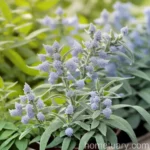
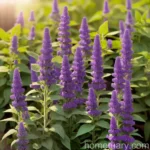
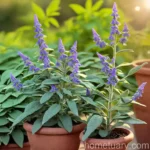
Salvia ‘Ultra Violet’ is a captivating perennial plant classified under the Salvia genus, which belongs to the Lamiaceae family. This striking cultivar is celebrated for its stunning violet-hued flowers and aromatic foliage, making it a popular choice for gardeners seeking to add a burst of color and fragrance to their outdoor spaces. The plant’s distinct characteristics, coupled with its resilience and low-maintenance nature, have solidified its place as a cherished ornamental species among gardening enthusiasts.
Key Takeaways – Salvia ‘Ultra Violet’ (Sage)
Before delving into the specifics of cultivating Salvia ‘Ultra Violet’, let’s highlight the key takeaways and focal points that will be covered in this comprehensive guide:
- Plant Name: Salvia ‘Ultra Violet’ (Sage)
- Common Name: Ultra Violet Sage
- Family: Lamiaceae
- Plant Type: Perennial
- Foliage: Aromatic, gray-green leaves
- Flower Color: Vibrant violet-purple
- Fragrance: Aromatic foliage with a pleasant scent
- Uses: Ornamental, medicinal, culinary
- Hardiness Zone: Typically suitable for zones 5-9
- Growth Habit: Upright, bushy growth
- Watering Needs: Moderate
- Sunlight Requirements: Full sun
- Soil Preferences: Well-draining, fertile soil
- Height: Approximately 18-24 inches
- Spread: 18-24 inches
- Attracts: Pollinators such as bees and butterflies
- Drought Tolerance: Moderate
- Container Gardening: Well-suited for container growth
Now that we have outlined the fundamental details of Salvia ‘Ultra Violet’, we will proceed to delve into the various aspects of this exquisite plant, encompassing its cultural requirements, uses, care techniques, common issues, and much more.
Culture
Understanding the cultural requirements of Salvia ‘Ultra Violet’ is essential for creating an environment where the plant can thrive and flourish.
Water
Proper watering is crucial for the health and vitality of Salvia ‘Ultra Violet’. While the plant demonstrates a degree of drought tolerance once established, consistent moisture is essential, especially during the initial stages of growth and establishment. It is recommended to water the plant deeply and then allow the soil to dry slightly before the next watering, as overwatering can lead to root rot and other moisture-related issues. During periods of intense heat or prolonged dry spells, regular watering is particularly important to support robust growth and prolific blooming.
Sunlight
Salvia ‘Ultra Violet’ thrives in full sun, displaying its best growth and flowering performance when provided with at least 6-8 hours of direct sunlight per day. Placing the plant in a location with ample sunlight exposure not only promotes sturdy growth but also enhances the vibrancy of its flowers and foliage, resulting in a visually stunning addition to the garden or landscape. When choosing a planting site, prioritize areas that receive abundant sunlight throughout the day to maximize the plant’s potential and overall appearance.
Fertilizer
Applying a balanced, slow-release fertilizer specifically formulated for flowering perennials can bolster the growth and blooming capacity of Salvia ‘Ultra Violet’. A general-purpose fertilizer with a balanced NPK ratio, such as 10-10-10, can be applied in early spring as new growth emerges. Additionally, a light application of fertilizer in mid-summer can help sustain the plant’s vigor and flowering prowess, ensuring that it remains robust and visually appealing throughout the growing season. It is essential to follow the manufacturer’s instructions regarding application rates and frequency to prevent over-fertilization, which can be detrimental to the plant’s health.
Soil
Salvia ‘Ultra Violet’ thrives in well-draining, fertile soil that provides optimal conditions for root development and nutrient uptake. A loamy or sandy soil texture with good drainage properties is favorable, as it prevents waterlogging and reduces the risk of root-related ailments. Prior to planting, amending the soil with organic matter, such as compost or well-rotted manure, can enhance its fertility and structure, creating an ideal foundation for the establishment and sustained growth of the plant. Conduct a soil test to assess the pH level and nutrient content, making any necessary adjustments to ensure that the soil meets the plant’s requirements for overall health and vitality.
Pruning
Pruning plays a pivotal role in maintaining the shape, vigor, and flowering potential of Salvia ‘Ultra Violet’, contributing to a tidy and aesthetically pleasing appearance throughout the growing season. Proper pruning techniques also help to eliminate spent blooms and encourage the development of new flowering stems, prolonging the plant’s blooming period and overall visual allure. Here are some essential guidelines for effective pruning of Salvia ‘Ultra Violet’:
- Deadheading: Regular removal of spent flowers, a practice known as deadheading, prevents the formation of seeds and redirects the plant’s energy towards producing new blooms. Use clean, sharp pruners to snip off the faded flowers just above a set of healthy leaves or lateral buds, promoting continuous flowering and a neat, tidy presentation.
- Shearing: Performing light shearing or trimming of the plant in mid to late summer can stimulate fresh growth and potentially lead to a second flush of blooms, rejuvenating the overall appearance and extending the flowering season. Avoid cutting the plant back drastically, as this may impede its ability to recover and produce new growth.
Propagation
The propagation of Salvia ‘Ultra Violet’ offers enthusiasts the opportunity to expand their collection of these captivating plants and share their beauty with others. Propagation can be achieved through various methods, including division, stem cuttings, and seed propagation, each offering unique advantages and considerations. We will explore these propagation techniques in detail to provide a comprehensive understanding of the process:
Division
Division presents a straightforward and reliable method for propagating Salvia ‘Ultra Violet’, particularly during the early spring or fall when the plant is actively growing. Follow these steps to successfully propagate the plant through division:
- Carefully dig up the established plant, ensuring that the roots are preserved and not excessively disturbed.
- Gently separate the root mass into sections, each containing a portion of the crown and healthy roots. Use a clean, sharp tool to divide the plant, ensuring that each division possesses sufficient roots and foliage to support its continued growth.
- Replant the divided sections in prepared locations with well-draining soil and adequate sunlight, ensuring that they are watered thoroughly to promote swift establishment and minimize stress.
Stem Cuttings
Stem cuttings offer an efficient and expedient means of propagating Salvia ‘Ultra Violet’, typically yielding reliable results when executed with care and attention to detail. To propagate the plant through stem cuttings, follow these fundamental steps:
- Select a healthy, non-flowering stem with several sets of leaves, ideally measuring 3-6 inches in length. Using clean, sterilized scissors or pruners, make a clean cut just below a node, which is where a leaf meets the stem.
- Remove the lower sets of leaves, leaving a few sets at the top to facilitate photosynthesis. Dip the cut end of the stem in a rooting hormone powder to promote the development of roots.
- Plant the prepared stem cutting in a container filled with a well-draining rooting medium, such as a blend of perlite and peat moss. Ensure that the cutting is positioned securely and that the medium is kept consistently moist but not waterlogged.
- Place the container in a warm, bright location with indirect sunlight, providing the ideal conditions for root initiation and growth. Regularly monitor the cutting for signs of new growth, and once roots have developed, the young plant can be gradually transitioned to its permanent growing site.
Seed Propagation
Propagating Salvia ‘Ultra Violet’ from seeds offers a cost-effective and rewarding approach to cultivating new plants, allowing for the proliferation of this exquisite species to enrich diverse landscapes and gardens. To successfully propagate the plant from seeds, follow these basic guidelines:
- Obtain high-quality seeds from a reputable source, ensuring that they are fresh and viable for optimal germination.
- Sow the seeds in well-draining, sterile seed-starting mix, lightly covering them with a thin layer of the medium to facilitate germination. Maintain consistent moisture levels and provide gentle bottom heat, if possible, to expedite the germination process.
- Place the seed trays or containers in a warm, brightly lit area, shielding them from direct sunlight to prevent excessive heat and drying out of the soil. Regularly monitor the trays for signs of germination and, once the seedlings have developed several sets of true leaves, they can be transplanted into individual pots or directly into the garden.
Container Use
Salvia ‘Ultra Violet’ readily adapts to container growth, presenting an excellent option for gardeners with limited outdoor space or those seeking to showcase the plant on patios, balconies, and other designated areas. When cultivating Salvia ‘Ultra Violet’ in containers, it is essential to provide the plant with the necessary care and attention to ensure its well-being and aesthetic appeal. Here are some essential tips for successfully growing Salvia ‘Ultra Violet’ in containers:
- Container Selection: Choose a spacious, well-draining container with ample room for the plant’s roots to stretch and grow. Select a container made of durable, weather-resistant materials and ensure that it possesses drainage holes at the base to prevent waterlogging.
- Growing Medium: Utilize a high-quality, well-draining potting mix tailored for flowering perennials or create a custom blend featuring ingredients such as perlite, compost, and peat moss. Avoid heavy or compacted soils, as they can impede proper drainage and root development.
- Watering: Container-grown plants generally require more frequent watering due to the limited soil volume and potential for rapid drying. Monitor the moisture levels closely, ensuring that the soil remains consistently moist but not waterlogged to nurture healthy growth.
- Sunlight: Position the container in a location that receives ample sunlight, ideally 6-8 hours of direct sun per day, to facilitate robust growth and prolific flowering. Regularly assess the plant’s sun exposure and adjust its placement as needed to optimize its performance.
- Fertilization: Apply a balanced, slow-release fertilizer to the container-grown plant in early spring and mid-summer, ensuring that the nutrients are readily available to support vigorous growth and abundant blooming.
Popularity
Salvia ‘Ultra Violet’ has garnered widespread popularity and acclaim among gardening enthusiasts, landscape designers, and plant enthusiasts, owing to its captivating appearance, versatility, and inherent resilience. This charming cultivar has become a go-to choice for enhancing gardens, borders, and outdoor spaces, captivating onlookers with its enchanting violet-purple blooms and aromatic foliage. The plant’s suitability for diverse climatic conditions, as well as its low-maintenance nature, has further contributed to its rise in popularity, earning it a place of distinction in horticultural settings and botanical displays.
In addition to its ornamental appeal, the plant’s utilization in various applications, including traditional medicine, culinary endeavors, and floral arrangements, has bolstered its standing as a cherished and multifaceted species. Salvia ‘Ultra Violet’ continues to captivate the hearts and inspire the creativity of plant enthusiasts and gardening aficionados, cementing its status as a beloved and sought-after addition to outdoor spaces.
Common Diseases
While Salvia ‘Ultra Violet’ demonstrates a degree of resilience and vigor, it can be susceptible to certain diseases and ailments that may impact its overall health and appearance. Being aware of these common diseases and understanding their signs can empower gardeners to take proactive measures to safeguard the plant and mitigate potential risks. The following are some prevalent diseases that may affect Salvia ‘Ultra Violet’, along with brief insights into their symptoms and management strategies:
Powdery Mildew
Powdery mildew is a fungal disease characterized by the development of a powdery, white substance on the plant’s foliage, typically on the upper leaf surfaces. This ailment can lead to stunted growth, distorted foliage, and diminished flowering if left unchecked. To manage powdery mildew on Salvia ‘Ultra Violet’, implement the following preventive and control measures:
- Ensure proper air circulation by spacing the plants adequately and avoiding overcrowding.
- Avoid overhead watering, which can contribute to increased humidity and create favorable conditions for powdery mildew development.
- Apply fungicidal sprays or treatments specifically formulated for powdery mildew control, following the product label instructions carefully to achieve optimal results.
Root Rot
Root rot, a condition caused by waterlogged or poorly drained soil, can affect the health and vitality of Salvia ‘Ultra Violet’ by compromising its root system and inhibiting nutrient uptake. Symptoms of root rot include wilting, yellowing foliage, and a general decline in plant vigor. To prevent and address root rot in Salvia ‘Ultra Violet’, consider the following measures:
- Ensure that the plant is situated in well-draining soil and that excess water is allowed to drain freely from the root zone.
- Avoid overwatering and monitor the soil moisture levels regularly to prevent prolonged saturation.
- If root rot is suspected, carefully inspect the plant’s roots and remove any compromised or rotted sections, replanting the remaining healthy portions in fresh, well-draining soil.
Disease Diagnosis
Accurately diagnosing diseases affecting Salvia ‘Ultra Violet’ is instrumental in implementing targeted treatment and management strategies to restore the plant’s health and prevent the spread of ailments to other nearby specimens. When conducting a disease diagnosis for Salvia ‘Ultra Violet’, consider the following steps and observations to effectively identify the issue at hand:
- Visual Inspection: Carefully examine the plant’s foliage, stems, and overall appearance, looking for any unusual discoloration, spots, or abnormalities. Note the presence of powdery white residue on the leaves, yellowing or browning of the foliage, and any signs of wilting or stunted growth.
- Assessment of Growing Conditions: Evaluate the environmental factors and cultivation practices surrounding the plant, including its watering regimen, sunlight exposure, soil quality, and any recent changes in its surroundings. Determine if there are any deviations from the plant’s preferred cultural requirements that may be contributing to its decline.
- Root Examination: If root-related issues are suspected, carefully unearth the plant to assess its root system, observing for the presence of rot, discoloration, or signs of poor health. Check the soil moisture levels and drainage properties to ascertain whether waterlogged conditions are impacting the plant’s roots.
- Seeking Professional Insight: In instances where the diagnosis proves challenging or unclear, consider consulting with a local horticulturist, agricultural extension service, or plant health specialist who can provide expert guidance and diagnostic assistance.
By conscientiously conducting a thorough disease diagnosis, gardeners can pinpoint the specific issues affecting Salvia ‘Ultra Violet’ and implement targeted remedial actions to restore the plant’s vigor and vitality, fostering its continued well-being.
Common Pests
Salvia ‘Ultra Violet’ may be vulnerable to various pests that can compromise its growth and aesthetic appeal if left unaddressed. Identifying these common pests and understanding their behaviors and potential impact on the plant is crucial for instituting effective pest management measures. The following pests are among those that may pose a threat to Salvia ‘Ultra Violet’, accompanied by brief insights into their characteristics and potential control methods:
Aphids
Aphids are small, soft-bodied insects that can congregate on the tender growth and undersides of Salvia ‘Ultra Violet’s foliage, sapping the plant’s vital fluids and potentially transmitting diseases. Symptoms of aphid infestation include distorted, discolored leaves and the presence of sticky honeydew on the plants. To manage aphids on Salvia ‘Ultra Violet’, consider employing the following control tactics:
- Encourage natural predators such as ladybugs, lacewings, and beneficial insects that feed on aphids to help regulate their populations.
- Rinse the plant with a gentle stream of water to dislodge and remove the aphids from the foliage, repeating the process as necessary to deter their return.
- Apply insecticidal soap or neem oil as directed, targeting the pests directly while minimizing impact on beneficial insects and non-target organisms.
Spider Mites
Spider mites are tiny arachnids that can cause stippling, webbing, and overall decline in the appearance of Salvia ‘Ultra Violet’ as they feed on its cellular contents. These pests thrive in hot, dry conditions and can proliferate rapidly if left unchecked. To manage spider mite infestations, consider the following approaches:
- Increase the humidity around the plant by misting it regularly or placing a humidifier nearby to create less favorable conditions for spider mite activity.
- Apply horticultural oil or insecticidal soap to the plant, targeting the undersides of the foliage where spider mites often congregate. Repeat applications as necessary to control the pests effectively.
- Prune and dispose of heavily infested plant parts to reduce the spider mite population and prevent further spread throughout the garden.
Botanist’s Tips
Discovering invaluable tips from seasoned botanists and horticultural experts can provide valuable insights and guidance for cultivating Salvia ‘Ultra Violet’ with confidence and success. Here are some curated tips and recommendations from botanists and plant care specialists to assist in optimizing the growth and well-being of Salvia ‘Ultra Violet’:
- Optimal Sunlight Exposure: Position Salvia ‘Ultra Violet’ in a location that receives ample sunlight, ensuring that it benefits from at least 6-8 hours of direct sun daily to promote robust growth and prolific blooming.
- Prudent Watering Practices: Practice moderation when watering Salvia ‘Ultra Violet’, aiming to provide consistent moisture without overwatering the plant, particularly during the initial stages of establishment and in hot, dry conditions.
- Regular Deadheading: Engage in regular deadheading of faded flowers to encourage continuous blooming and maintain the plant’s neat and tidy appearance, promoting a prolonged and abundant flowering display.
- Promotion of Beneficial Insects: Foster a hospitable environment for beneficial insects, such as pollinators and natural predators, to support the ecological balance and natural vitality of Salvia ‘Ultra Violet’.
- Favorable Soil Conditions: Prioritize well-draining, fertile soil for Salvia ‘Ultra Violet’, amending the planting site with organic matter to enhance its structure and nutrient content, providing an optimal foundation for the plant’s growth.
Fun Facts
Uncovering fascinating and intriguing aspects of Salvia ‘Ultra Violet’ can enrich the overall experience of growing and appreciating this remarkable plant. Here are some fun and captivating facts about Salvia ‘Ultra Violet’ that highlight its allure and distinctive qualities:
- Floral Elegance: Salvia ‘Ultra Violet’ is renowned for its stunning violet-purple blooms, which captivate observers with their vivid hues and striking visual appeal.
- **A