Anise-scented Sage (Salvia Guaranitica ‘Black And Blue’)
Introduction Welcome to my blog post on the anise-scented sage, also known as Salvia guaranitica ‘Black and Blue’. This remarkable plant is a popular.
Introduction
Welcome to my blog post on the anise-scented sage, also known as Salvia guaranitica ‘Black and Blue’. This remarkable plant is a popular choice for home gardeners and landscaping professionals due to its striking appearance and versatile uses. Throughout this article, we will delve into the various aspects of this plant, including its cultural requirements, uses, propagation methods, common diseases and pests, and much more. By the end of this comprehensive overview, you’ll have a thorough understanding of how to care for and utilize this captivating herbaceous perennial.
What is Anise-Scented Sage (Salvia guaranitica ‘Black and Blue’)
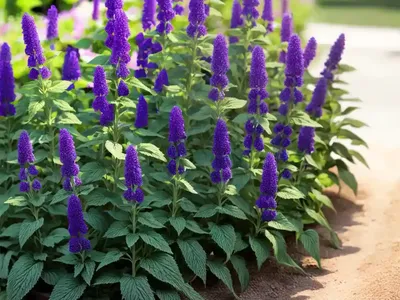
Salvia guaranitica ‘Black and Blue’, commonly referred to as anise-scented sage, is a herbaceous perennial plant belonging to the Lamiaceae family. This species is native to Brazil and is well-known for its aromatic foliage and stunning deep blue flowers. The anise fragrance emitted by its leaves and the vibrant color of its blossoms make it a sought-after addition to gardens and landscapes.
Key Takeaways
Before we dive into the specifics of cultivating and caring for the anise-scented sage, here are some key takeaways about Salvia guaranitica ‘Black and Blue’:
- Cultural Uses: This plant is valued for its ornamental and aromatic qualities, making it a popular choice for both home gardens and professional landscaping projects.
- Water: It thrives in moist but well-drained soil, requiring regular watering, especially during dry periods.
- Sunlight: Anise-scented sage prefers full sun to partial shade, and it performs best in locations with ample sunlight.
- Fertilizer: It benefits from a balanced fertilizer application during the growing season to promote healthy growth and abundant flowering.
- Soil: Well-drained, fertile soil is essential for the optimal development of Salvia guaranitica ‘Black and Blue’.
- Pruning: Regular pruning helps maintain its shape, encourages new growth, and prolongs the flowering period.
- Propagation: It can be propagated through seeds, divisions, or cuttings, providing the opportunity to expand your anise-scented sage collection.
- Container Popularity: Anise-scented sage thrives in containers, offering flexibility in garden design and allowing individuals with limited outdoor space to enjoy its beauty.
- Common Diseases: While generally resilient, anise-scented sage may be susceptible to certain diseases, requiring vigilance to maintain its health and vigor.
- Common Pests: Various pests may pose a threat to Salvia guaranitica ‘Black and Blue’, necessitating proactive pest management strategies.
- Botanist’s Tips: Understanding the growth habits, flowering characteristics, and fragrance profile of this plant can enhance your overall gardening experience.
- Fun Facts: Delve into fascinating tidbits about anise-scented sage to deepen your appreciation for this remarkable plant.
Now, let’s delve into the specifics of cultivating and caring for anise-scented sage, covering each of the key takeaways in detail.
Culture
Uses
The anise-scented sage (Salvia guaranitica ‘Black and Blue’) is cultivated for a variety of purposes, including:
- Ornamental Purposes: The vibrant flowers and aromatic foliage make it a popular choice for ornamental garden beds, borders, and containers.
- Aromatic Qualities: The leaves emit a pleasant anise fragrance, adding sensory appeal to gardens and outdoor spaces.
- Wildlife Attraction: The nectar-rich flowers of anise-scented sage attract pollinators such as hummingbirds, butterflies, and bees, promoting biodiversity in the garden.
- Cut Flowers: The striking blue flowers can be used in floral arrangements, adding a pop of color and a touch of nature indoors.
Water
An adequate and consistent water supply is crucial for the health and vigor of anise-scented sage. While it thrives in moist conditions, it’s important to ensure that the soil is well-drained to prevent waterlogging, which can lead to root rot. During dry periods, regular watering is necessary to sustain optimal growth and flowering.
Sunlight
Salvia guaranitica ‘Black and Blue’ flourishes in full sun to partial shade. Providing ample sunlight is essential for vibrant flower production and overall plant health. In shady locations, the plant may exhibit reduced flowering and a less compact growth habit.
Fertilizer
Fertilizing anise-scented sage can support its growth and flowering potential. Applying a balanced, slow-release fertilizer in the spring, and possibly again in midsummer, can provide the necessary nutrients for robust growth and abundant blossoms. However, it’s important to avoid over-fertilization, which can lead to excessive foliage at the expense of flower production.
Soil
The ideal soil for cultivating anise-scented sage is well-drained and fertile, with a slightly acidic to neutral pH range. Amending the soil with organic matter, such as compost, can enhance its fertility and texture, allowing for optimal root development and nutrient uptake.
Pruning
Regular pruning is beneficial for maintaining the shape, promoting new growth, and extending the flowering period of anise-scented sage. After the initial spring bloom, deadheading the spent flowers can encourage the plant to produce new blossoms. Additionally, pruning back the stems in late spring or early summer can help prevent legginess and promote a more compact growth habit. In late fall, cutting back the plant to a few inches above the ground can help prepare it for the upcoming winter season.
Propagation
Salvia guaranitica ‘Black and Blue’ can be propagated through various methods, including:
- Seed Propagation: Collecting and sowing seeds is a straightforward way to propagate new plants, providing an opportunity to experiment with different cultivars.
- Division: Dividing established clumps of anise-scented sage allows for the expansion of your plant collection and is typically performed in the spring.
- Cuttings: Taking stem cuttings from healthy parent plants and rooting them in a suitable growing medium can yield new plants with identical characteristics.
Container Popularity
Anise-scented sage is well-suited for container gardening, offering several advantages for both indoor and outdoor settings:
- Flexibility: Growing in containers provides flexibility in garden design, allowing individuals to move and rearrange the plants as needed.
- Space Optimization: For those with limited outdoor space, cultivating anise-scented sage in containers enables them to enjoy the plant’s beauty and fragrance.
- Decorative Element: Containers of anise-scented sage can serve as decorative accents on patios, balconies, and other outdoor areas, enhancing the visual appeal of the space.
Now that we’ve covered the cultural aspects of anise-scented sage, let’s explore its common diseases, pests, and botanist’s tips for optimal care.
Common Diseases
Anise-scented sage is generally resilient against diseases, but it may be susceptible to certain issues under unfavorable conditions. Some common diseases that can affect Salvia guaranitica ‘Black and Blue’ include:
- Powdery Mildew: This fungal disease can manifest as a powdery, white coating on the foliage, affecting plant vigor and aesthetics.
- Root Rot: Prolonged waterlogging or poorly-drained soil can lead to root rot, resulting in wilting, yellowing foliage, and overall decline.
Disease Diagnosis
When observing signs of disease in anise-scented sage, it’s vital to accurately diagnose the issue to implement appropriate management strategies. Here are some diagnostic considerations for common diseases:
- Powdery Mildew: Look for the characteristic white powdery growth on the leaves, particularly in humid conditions. Inspect the foliage for any distortions or discolorations that may indicate the presence of the disease.
- Root Rot: Monitor the plant for symptoms such as wilting, yellowing leaves, and stunted growth. Gently examine the roots for any signs of rotting, such as a dark, mushy appearance.
Common Pests
Various pests can pose a threat to anise-scented sage, potentially impacting its growth and overall vitality. Some common pests that may affect Salvia guaranitica ‘Black and Blue’ include:
- Aphids: These small, sap-sucking insects can colonize the tender shoot tips and flower buds, leading to distorted growth and reduced flower production.
- Spider Mites: These tiny pests can cause stippling on the leaves and create fine webbing, impacting the plant’s overall health.
- Whiteflies: Whiteflies can congregate on the undersides of the leaves, feeding on the plant’s sap and potentially transmitting viral diseases.
Botanist’s Tips
Understanding the growth habits, flowering characteristics, and fragrance profile of anise-scented sage can enhance your overall gardening experience. Here are some valuable botanist’s tips for optimal care:
- Growth Habits: Anise-scented sage typically forms upright clumps with sturdy stems, producing an abundance of flowers from midsummer to fall.
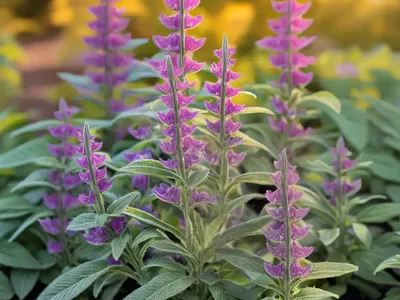
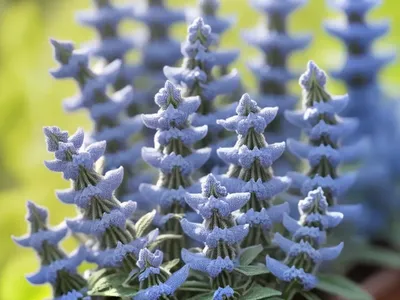
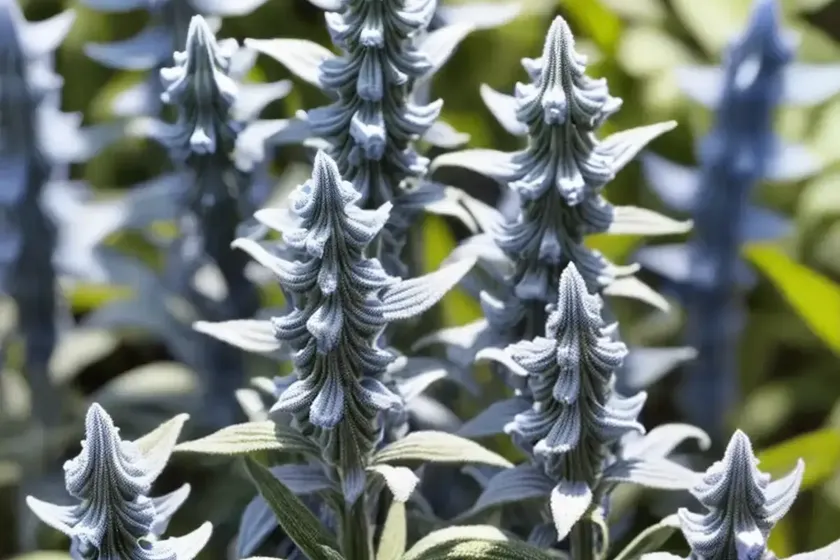
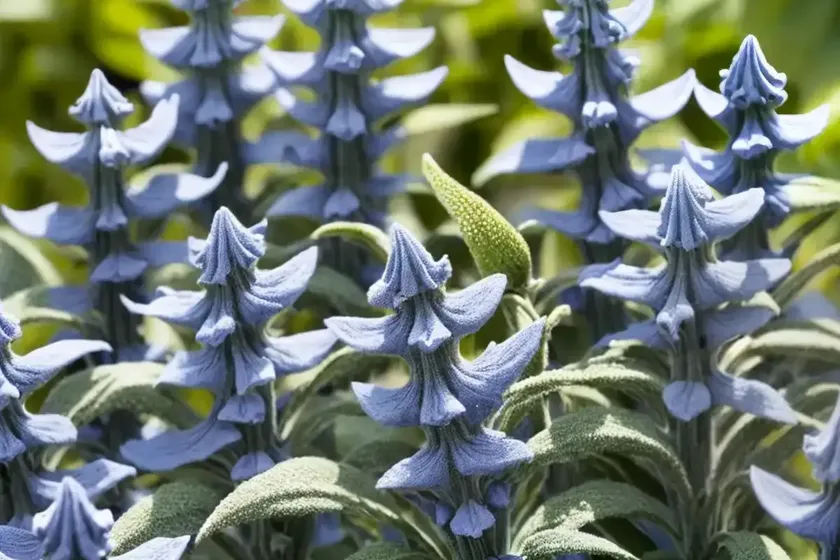
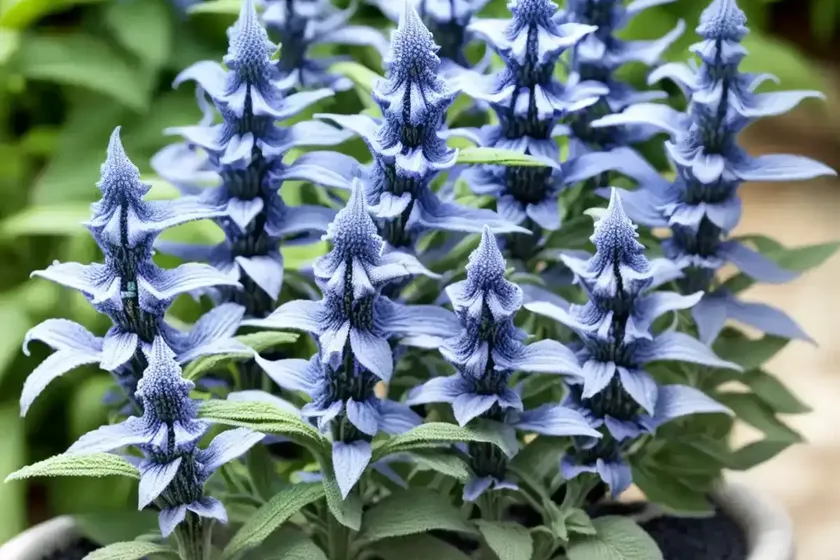
- Flowering Characteristics: The deep blue flowers, borne on tall spikes, are a standout feature of this plant, attracting pollinators and adding visual appeal to the garden.
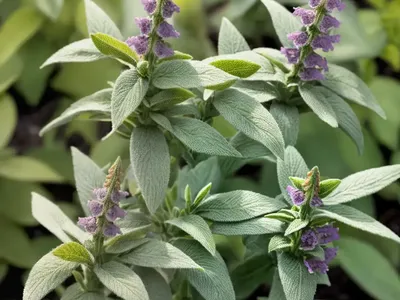
- Fragrance Profile: The foliage emits a distinct anise fragrance, which intensifies when the leaves are crushed or brushed against.
Fun Facts
Delve into fascinating tidbits about anise-scented sage to deepen your appreciation for this remarkable plant:
- Medicinal Properties: In addition to its ornamental and aromatic qualities, anise-scented sage has been traditionally used for its medicinal properties, with applications in herbal remedies and natural medicine.
- Culinary Uses: The leaves of Salvia guaranitica ‘Black and Blue’ can be used to infuse beverages, create flavorful syrups, or add a subtle anise flavor to culinary dishes.
- Wildlife Attraction: The nectar-rich flowers of anise-scented sage play a crucial role in supporting and attracting various pollinators, contributing to the ecological balance of the garden and surrounding areas.
Conclusion
In conclusion, Salvia guaranitica ‘Black and Blue’, or anise-scented sage, is a versatile and enchanting plant that offers ornamental, aromatic, and ecological benefits. Whether you’re drawn to its striking appearance, captivating fragrance, or ecological contributions, incorporating this plant into your garden or landscape can be a rewarding endeavor. By understanding its cultural requirements, propagation methods, common pests and diseases, and embracing valuable botanist’s tips, you can cultivate and care for anise-scented sage with confidence and expertise.
I hope this comprehensive overview has provided you with valuable insights into the world of anise-scented sage and its captivating attributes. As you embark on your journey with Salvia guaranitica ‘Black and Blue’, may your gardening endeavors be filled with beauty, fragrance, and the joy of nurturing a remarkable plant.
Links to External Resources
- The American Phytopathological Society – Common Diseases of Herbaceous Perennials
- Penn State Extension – Salvia Diseases
- University of Maryland Extension – Integrated Pest Management for Home Gardeners
- Royal Horticultural Society – Propagation of Herbaceous Perennials
- University of Florida IFAS Extension – Fertilizing the Garden
Feel free to explore these external resources for further information on disease management, pest control, propagation techniques, and fertilization practices related to anise-scented sage and other herbaceous perennials. Happy gardening!