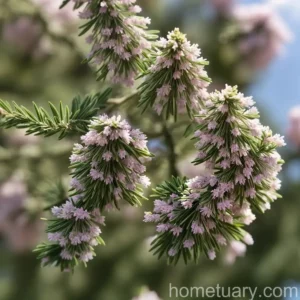
Vaccinium ‘Berkeley’ (Highbush Blueberry): A Complete Guide
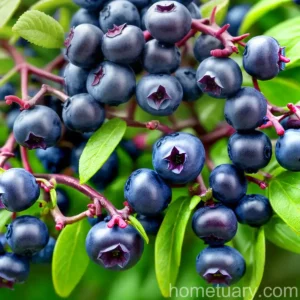
The Vaccinium ‘Berkeley’ is a versatile and popular cultivar known for its abundant, flavorful berries and vibrant foliage. In this comprehensive guide, we’ll delve into the characteristics, care requirements, uses, and benefits of growing this highbush blueberry plant.
What is Vaccinium ‘Berkeley’?
Vaccinium ‘Berkeley’ is a well-loved highbush blueberry cultivar, prized for its exceptional fruit production, disease resistance, and ornamental value. It is a member of the Vaccinium genus, which includes various species of blueberries and cranberries. This particular cultivar is a hybrid variety developed for its fruit quality and adaptability to diverse growing conditions.
Key Takeaways – Vaccinium ‘Berkeley’ (Highbush Blueberry)
Before we delve into the specific aspects of growing and caring for Vaccinium ‘Berkeley’, here are some key takeaways about this remarkable plant:
- Scientific Name: Vaccinium ‘Berkeley’
- Common Name: Highbush Blueberry
- Plant Type: Deciduous shrub
- Mature Height: 4-6 feet
- Mature Spread: 3-4 feet
- USDA Hardiness Zones: 4-7
- Berries: Abundant, large, flavorful
- Foliage: Rich green in spring and summer, vibrant red in fall
- Flowers: White, bell-shaped blooms in spring
- Uses: Edible fruit production, ornamental landscaping
- Cultivation: Versatile, adaptable to various soil types and growing environments
Now, let’s explore the specific aspects of cultivating and enjoying this exceptional highbush blueberry cultivar.
Culture
Uses
Vaccinium ‘Berkeley’ is primarily cultivated for its delectable and nutritious berries. These fruits are often enjoyed fresh, used in baking and cooking, or preserved as jams and jellies. Beyond its culinary uses, the plant is also valued for its ornamental attributes, adding visual interest to home gardens, landscapes, and naturalized areas.
Water
Proper irrigation is essential for the optimal growth and fruit production of Vaccinium ‘Berkeley’. Adequate moisture is particularly crucial during the flowering and fruit development stages. The soil should be consistently moist but well-draining to prevent waterlogged conditions, which can lead to root rot. Mulching around the base of the plant helps retain soil moisture and suppress weed growth.
Sunlight
Highbush blueberries, including Vaccinium ‘Berkeley’, thrive in full sun to partial shade. While they can tolerate some shade, abundant sunlight is necessary for robust growth and bountiful fruiting. When selecting a planting site, prioritize locations with at least six hours of direct sunlight per day for optimal results.
Fertilizer
Proper fertilization is key to supporting the growth, fruit set, and overall health of Vaccinium ‘Berkeley’. Before planting, amend the soil with organic matter such as compost to enhance its fertility and structure. Additionally, a balanced, acidic fertilizer specifically formulated for acid-loving plants can be applied in spring and early summer following the recommendations on the product label. Avoid excessive application of high-nitrogen fertilizers, as this can promote vegetative growth at the expense of fruit production.
Soil
Acidic, well-draining soil rich in organic matter is ideal for growing Vaccinium ‘Berkeley’. A pH range of 4.5 to 5.5 is optimal for blueberry cultivation. If the existing soil pH is too high, incorporate elemental sulfur or another acidifying amendment to lower the pH before planting. Regular monitoring of soil pH and periodic amending as necessary will help maintain an optimal growing environment for the plant.
Pruning
Pruning plays a crucial role in shaping the plant, promoting productivity, and maintaining overall plant vigor. Vaccinium ‘Berkeley’ should be pruned during the dormant season to remove dead or damaged wood, thin out excess growth, and encourage the development of new fruiting wood. Additionally, any low-hanging or crossing branches should be pruned to improve air circulation and sunlight penetration within the canopy. Pruning techniques should be tailored to the specific growth habit and condition of the plant, and sterile, sharp pruning tools should be used to prevent the spread of diseases.
Propagation
Container Popularity
Vaccinium ‘Berkeley’ is a well-suited candidate for container cultivation, making it an excellent choice for gardeners with limited outdoor space or those looking to grow blueberries on patios, balconies, or decks. When grown in containers, the plant can thrive in a high-quality, acidic potting mix that mimics its preferred soil conditions. Container-grown blueberries also offer the advantage of easier soil pH management, as the acidic requirements can be more precisely controlled in a confined environment.
Common Diseases
Vaccinium ‘Berkeley’ demonstrates good resistance to various diseases that commonly afflict blueberry plants. However, growers should remain vigilant for potential issues and promptly address any signs of disease to prevent their spread and minimize impact. Common diseases that may affect highbush blueberries, including Vaccinium ‘Berkeley’, include:
- Anthracnose: A fungal disease that causes dark, sunken lesions on fruit and foliage.
- Mummy Berry: A fungal disease characterized by the transformation of berries into dry, mummified structures.
- Powdery Mildew: A fungal disease that results in the development of white, powdery coatings on leaves and shoots.
- Botrytis Blight: Also known as gray mold, this fungal disease can cause fruit rot and general plant decline.
Disease Diagnosis
Diagnosing and managing potential diseases in Vaccinium ‘Berkeley’ involves careful monitoring of the plant’s overall health, including its foliage, fruit, and growth patterns. If any abnormal symptoms are observed, such as lesions, discoloration, or stunted growth, it is essential to promptly investigate and identify the underlying cause. Utilizing diagnostic resources, such as local agricultural extension services or plant pathology experts, can aid in accurately diagnosing potential diseases and formulating an effective management plan.
Common Pests
While Vaccinium ‘Berkeley’ is relatively resilient to many diseases, it may still face challenges from various pests that target blueberry plants. Vigilance and proactive pest management practices are crucial for preserving the plant’s health and productivity. Common pests that may affect highbush blueberries include:
- Blueberry Maggots
- Japanese Beetles
- Aphids
- Spider Mites
- Fruitworms
Incorporating integrated pest management strategies, such as regular monitoring, cultural controls, and targeted pesticide applications when necessary, can help mitigate pest pressures and safeguard the plant from infestations.
Botanist’s Tips
As a botanist, I highly recommend the following tips for successful cultivation and enjoyment of Vaccinium ‘Berkeley’:
- Soil Testing: Regularly test the soil pH and nutrient levels to ensure they are within the optimal range for blueberry cultivation. Adjust the soil conditions as needed to provide a favorable growing environment for the plant.
- Mulching: Apply a layer of organic mulch around the base of the plant to conserve soil moisture, suppress weed growth, and maintain a cool root zone. Organic mulches, such as pine bark or wood chips, also contribute to soil enrichment as they decompose.
- Cross-Pollination: While Vaccinium ‘Berkeley’ is self-fertile, planting multiple blueberry cultivars in proximity can enhance fruit set and yield through cross-pollination. Consider incorporating other compatible highbush blueberry varieties in the vicinity to promote optimal fruit production.
- Winter Protection: In regions with harsh winters, provide adequate protection for the plant by applying a layer of mulch around the base and covering the plant with a breathable frost cloth to shield it from extreme cold and wind desiccation.
- Wildlife Management: Implement measures to deter birds and other wildlife from consuming the ripening blueberries, such as installing bird netting or employing scare tactics. This will help safeguard the harvest and prevent damage to the fruit.
Fun Facts
To deepen your appreciation for Vaccinium ‘Berkeley’ and highbush blueberries in general, consider the following fun facts about these remarkable plants:
- Health Benefits: Blueberries are rich in antioxidants, vitamins, and fiber, making them a nutritious addition to a balanced diet. Regular consumption of blueberries has been linked to various health benefits, including improved cognitive function and cardiovascular health.
- Native Habitat: Many highbush blueberry species, including those commonly cultivated, are native to North America. They are found in diverse habitats, from acidic bogs and wetlands to upland forests, showcasing their adaptability to different ecological niches.
- Pollinator Attraction: The white, bell-shaped flowers of highbush blueberries attract and support pollinating insects, such as honeybees and bumblebees, contributing to the broader ecosystem and biodiversity of the surrounding area.
- Culinary Versatility: Beyond being enjoyed fresh or in desserts, blueberries can be incorporated into savory dishes, salads, and beverages, adding a delightful tangy sweetness and vibrant color to a wide range of culinary creations.
Links to External Resources
For further information on Vaccinium ‘Berkeley’ and highbush blueberry cultivation, consider exploring the following reputable external resources:
- USDA Plant Guide for Highbush Blueberry: This comprehensive guide from the United States Department of Agriculture provides detailed insights into the natural history, cultivation, and ecological significance of highbush blueberries.
- Extension Gardener Handbook: Blueberries: The North Carolina State University Cooperative Extension’s handbook offers in-depth information on blueberry varieties, site selection, planting, maintenance, and pest management.
- American Pomological Society: The American Pomological Society’s resources offer valuable insights into fruit varieties, including historical and modern blueberry cultivars, their characteristics, and recommended management practices.
In conclusion, Vaccinium ‘Berkeley’ (Highbush Blueberry) stands as a splendid choice for home gardeners, landscape enthusiasts, and fruit growers seeking to cultivate a resilient, productive, and visually appealing plant. Embracing the guidance and best practices outlined in this guide will empower you to cultivate, care for, and relish the exceptional qualities of this remarkable blueberry cultivar. Whether harvested for its luscious berries or cherished for its ornamental contributions, Vaccinium ‘Berkeley’ continues to captivate and delight those who embrace its cultivation.
The world of highbush blueberries welcomes you to savor the fruitful rewards and natural beauty offered by Vaccinium ‘Berkeley’. Happy gardening!