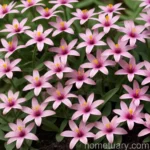
Silene Regia (Royal Catchfly): A Beautiful and Unique Addition to Your Garden
Silene regia, commonly known as Royal Catchfly, is a stunning flowering plant that belongs to the Caryophyllaceae family. This remarkable plant is native to North America and is cherished for its vibrant red flowers and its ability to attract a variety of wildlife to the garden. In this comprehensive guide, we will explore the key characteristics, cultivation requirements, uses, and interesting facts about Silene regia, providing you with the knowledge to cultivate and appreciate this fascinating plant.
What is Silene regia?
Silene regia, or Royal Catchfly, is a herbaceous perennial plant that is native to the central and eastern regions of North America. It is recognized for its striking red flowers, which bloom from mid to late summer and attract various pollinators, including butterflies and hummingbirds. The plant typically reaches heights of 2 to 3 feet, creating an eye-catching display in garden beds and borders.
Key Takeaways – Silene regia (Royal Catchfly)
Let’s begin by exploring the key takeaways about Silene regia, which will provide a broad overview of this unique plant before diving into the details of its cultivation and uses.
- Scientific Name: Silene regia
- Common Name: Royal Catchfly
- Family: Caryophyllaceae
- Native Habitat: North America
- Flower Color: Vivid red
- Blooming Season: Mid to late summer
- Wildlife Attraction: Butterflies, hummingbirds
- Conservation Status: Endangered in some regions
- Cultural Significance: Folklore and traditional uses
Now that we have a general understanding of Silene regia, let’s delve into the specifics of its cultivation and care.
Cultivation of Silene regia
Cultivating Silene regia in your garden can be a rewarding experience, as this plant adds both beauty and ecological value to the landscape. From its water and sunlight requirements to soil conditions and propagation techniques, understanding the cultivation needs of Silene regia is essential for promoting its healthy growth.
Water
Silene regia generally prefers moderately moist soil conditions. While it has some tolerance for drought once established, it thrives best when provided with regular watering, especially during dry spells. It is important to ensure that the soil is well-draining to prevent waterlogging, which can be detrimental to the plant’s health.
Sunlight
Royal Catchfly flourishes in full sun to partial shade. When planted in a location with ample sunlight, it is more likely to produce an abundance of vibrant flowers, making it a delightful addition to sunny borders and garden beds. However, it can also tolerate some shade, particularly during the hottest part of the day.
Soil
The plant thrives in well-drained, loamy soil with a slightly acidic to neutral pH. Good soil structure is essential for the successful cultivation of Silene regia, as it supports healthy root development and overall plant vigor. Amending the soil with organic matter, such as compost, can further enhance its suitability for Royal Catchfly cultivation.
Fertilizer
Silene regia generally does not have high fertilizer requirements, particularly if it is planted in soil that has been enriched with organic matter. However, a balanced, slow-release fertilizer can be applied in early spring to provide the plant with essential nutrients for vigorous growth and prolific flowering.
Pruning and Maintenance
Minimal pruning is typically required for Silene regia. Deadheading the faded flowers can promote prolonged blooming and prevent the plant from self-seeding excessively. However, allowing some seed heads to develop can also contribute to the plant’s self-sustaining nature and benefit local wildlife.
Propagation
Silene regia can be propagated through both seeds and division. Collecting seeds from mature plants in the fall and sowing them in prepared soil can yield new Royal Catchfly specimens. Additionally, the plant can be divided in early spring, with the divided sections replanted in suitable locations for further growth.
Container Gardening
While Silene regia often thrives in garden beds, it can also be grown in containers, providing a flexible option for gardeners with limited space or those seeking to create portable displays of the plant. When selecting containers for Royal Catchfly, it is essential to choose those with good drainage and sufficient space for root development.
Popularity in Container Gardening
Silene regia is an increasingly popular choice for container gardening, as its striking appearance and relative ease of care make it well-suited for this purpose. The plant’s ability to attract pollinators further enhances its appeal for container displays in outdoor spaces.
Common Uses of Silene regia
Silene regia serves several purposes in both natural and cultivated settings, making it a versatile and valuable plant for various applications. Understanding its potential uses can inspire gardeners and conservationists to incorporate this species into their landscapes for both aesthetic and ecological benefits.
Habitat
In its natural habitat, Silene regia is often found in prairies, open woodlands, and savannas. It thrives in areas with well-drained soil and is a valuable component of native plant communities, supporting local biodiversity and ecological balance.
Medicinal and Traditional Uses
While not widely known for medicinal uses, various native American tribes have historically made use of Silene regia for its potential therapeutic properties. The plant also holds cultural significance in folklore and traditional customs, reflecting its longstanding importance to indigenous communities.
Garden Benefits
In garden settings, Silene regia is valued for its ornamental appeal and its ability to attract beneficial wildlife, such as pollinators. Its striking flowers and potential wildlife interactions make it a valuable addition to gardens with an emphasis on biodiversity and ecological sustainability.
Conservation Efforts
Silene regia is considered endangered in some regions due to habitat loss and other threats. Accordingly, conservation efforts have been initiated to protect and restore populations of Royal Catchfly, highlighting its ecological significance and the need for proactive measures to safeguard its future.
Common Diseases and Pest Control
While Silene regia is relatively resilient, it can be susceptible to certain diseases and insect pests. Identifying potential issues and implementing appropriate control measures is crucial for maintaining the health and vitality of the plant.
Disease Diagnosis
Silene regia may be prone to fungal diseases, such as powdery mildew and leaf spot, particularly in conditions of high humidity or poor air circulation. Regular monitoring of the plant for signs of disease can facilitate early detection and intervention.
Common Pests
Insect pests that may affect Silene regia include aphids, which can cluster on the plant’s tender shoots and damage its growth. Keeping a watchful eye on the plant and employing integrated pest management practices can help prevent pest infestations from causing significant harm.
Botanist’s Tips for Silene regia Cultivation
To maximize the success of cultivating Silene regia, it is beneficial to consider some expert tips from botanists and experienced gardeners. These insights can provide valuable guidance for creating optimal growing conditions and promoting the overall health and vigor of Royal Catchfly.
-
Selecting Companion Plants: Pairing Silene regia with compatible companion plants can enhance its visual impact and support its ecological role in the garden. Consider incorporating other native flowering species and pollinator-friendly plants in proximity to Royal Catchfly for a harmonious and biodiverse planting scheme.
-
Garden Design: Silene regia can be incorporated into various garden design styles, ranging from prairie-inspired landscapes to traditional cottage gardens. Its vibrant red flowers make it a versatile choice for creating focal points and adding visual interest to different garden settings.
-
Wildlife-Friendly Features: Designing gardens with Silene regia to attract and support wildlife, such as butterflies and bees, can contribute to the promotion of biodiversity and the creation of dynamic and interactive garden environments.
Fun Facts About Silene regia
As we further explore the world of Silene regia, we uncover several intriguing and surprising facts about this remarkable plant. These fun facts offer a glimpse into the unique characteristics and cultural significance of Royal Catchfly, adding depth to our appreciation of this captivating species.
-
Flower Symbolism: The vibrant red flowers of Silene regia are often associated with passion and vitality, making them a symbolic representation of strength and enduring beauty in various cultural contexts.
-
Landscape Inspiration: Royal Catchfly’s striking appearance and adaptable nature make it a source of inspiration for landscape designers and enthusiasts seeking to create visually impressive and ecologically valuable outdoor spaces.
-
Plant Art: The distinctive foliage and flowers of Silene regia have inspired artists and botanical illustrators throughout history, contributing to its portrayal in various forms of plant art and botanical imagery.
Links to External Resources
To expand your knowledge of Silene regia and access additional information, consider exploring the following resources:
- Lady Bird Johnson Wildflower Center – Silene regia
- USDA Plants Database – Silene regia
- Behind the Name – Silene
- The American Phytopathological Society
As you embrace the world of Silene regia, your journey of discovery will lead you to appreciate the botanical richness and ecological value of this captivating plant. Whether you are a seasoned gardener, a nature enthusiast, or a conservation advocate, Silene regia has much to offer in terms of beauty, biodiversity support, and cultural significance. By incorporating this plant into your landscape and learning more about its unique attributes, you can actively contribute to the preservation of native species and create enriching experiences within your outdoor spaces.