Salvia azurea (Pitcher Sage): A Comprehensive Guide for Cultivation and Care
Salvia azurea, commonly known as Pitcher Sage, is a captivating perennial plant that belongs to the vast and diverse Salvia genus. It is renowned for its tall, slender stems adorned with striking blue flowers and its unmatched ability to attract a myriad of pollinators to the garden. In this comprehensive guide, we will delve into every aspect of the cultivation and care of Salvia azurea, exploring its cultural requirements, uses, environmental preferences, propagation techniques, common pests and diseases, as well as a plethora of fascinating botanical insights and gardening tips.
What is Salvia azurea (Pitcher Sage)?
Salvia azurea, or Pitcher Sage, is a herbaceous perennial plant that is native to the central and southeastern regions of the United States. It is a member of the mint family, Lamiaceae, which encompasses over 7,000 species, mainly herbs, with a widespread distribution across the globe. Within this diverse family, Salvia stands out as one of the largest genera, encompassing approximately 1,000 species known for their aromatic foliage, vibrant flowers, and versatile uses in horticulture and traditional medicine.
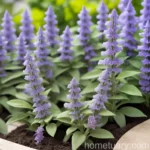
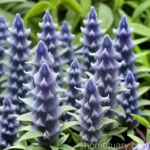
Salvia azurea is characterized by its upright, slender stems that reach heights of 3 to 5 feet, topped by elongated spikes of sky-blue to azure flowers, which give rise to its common name, Pitcher Sage. These enchanting blooms appear in late summer to fall, creating a spectacular display as they sway in the gentle breeze. The narrow, lance-shaped leaves of Salvia azurea are an attractive gray-green hue and emit a delightful fragrance when brushed against or crushed, adding to the plant’s allure.
Key Takeaways – Salvia azurea (Pitcher Sage)
Before we delve deeper into the various aspects of cultivating and caring for Salvia azurea, let’s highlight some key takeaways:
- Common Name: Pitcher Sage
- Botanical Name: Salvia azurea
- Family: Lamiaceae
- Native Habitat: Central and southeastern regions of the United States
- Flower Color: Sky-blue to azure
- Plant Type: Herbaceous perennial
- Height: 3 to 5 feet
- Blooming Season: Late summer to fall
Now that we have familiarized ourselves with the fundamentals of Salvia azurea, let’s proceed to explore the cultural requirements and environmental preferences that are essential for its successful growth.
Culture
Uses
Salvia azurea holds a special place in the hearts of gardening enthusiasts due to its multifaceted uses and contributions to the natural landscape. Whether it’s employed for its ornamental value, ecological benefits, or medicinal properties, Pitcher Sage has a myriad of applications:
-
Ornamental Value: The towering stature and breathtaking beauty of Salvia azurea make it an exceptional addition to perennial borders, cottage gardens, and naturalistic landscapes. Its striking blue flowers and aromatic foliage lend an enchanting charm to any setting, while its wildlife-attracting prowess adds a dynamic element to the garden.
-
Ecological Benefits: As a magnet for pollinators like butterflies, bees, and hummingbirds, Salvia azurea plays a vital role in supporting local biodiversity and fostering a thriving ecosystem. Its nectar-rich blooms and abundance of pollen contribute to sustaining a diverse array of beneficial insects and avian species, making it a cornerstone of pollinator gardens and wildlife habitats.
-
Medicinal Properties: Various species within the Salvia genus have been traditionally utilized for their medicinal properties, and Salvia azurea is no exception. While specific research on its medicinal uses may be limited, the aromatic leaves of Pitcher Sage have been reported to possess potential therapeutic qualities. It is worth noting that consulting a healthcare professional is essential before utilizing any plant for medicinal purposes.
Water

– Watering Needs: Salvia azurea demonstrates a preference for well-drained soil and is notably drought-tolerant once established. During the initial stages of growth and in prolonged dry spells, regular watering is essential to promote root establishment and maintain healthy foliage. However, it is crucial to avoid overwatering, as excessive moisture can lead to root rot and other detrimental conditions.
Sunlight

– Sun Exposure: Salvia azurea thrives in full sun, which typically translates to at least 6 to 8 hours of direct sunlight daily. Adequate sun exposure is vital for promoting robust growth, enhancing flower production, and intensifying the captivating coloration of its blooms and foliage. While it exhibits remarkable tolerance to intense sunlight, providing some protection from scorching afternoon rays in exceptionally hot climates can be beneficial.
Fertilizer
- Fertilization Requirements: Salvia azurea is generally undemanding in terms of fertilizer, as excessive fertility can lead to excessive vegetative growth at the expense of prolific flowering. However, ensuring that the soil is moderately fertile and adequately rich in organic matter can support vigorous growth and abundant blooms. Applying a balanced, slow-release fertilizer in early spring, following the manufacturer’s recommendations, can provide the necessary nutrients for healthy development.
Soil
- Soil Requirements: Salvia azurea flourishes in well-drained, loamy soil with a slightly acidic to neutral pH range. Ensuring adequate soil drainage is crucial, as waterlogged conditions can predispose the plant to root diseases and other stress-related issues. Additionally, incorporating organic matter such as compost or well-rotted manure into the soil prior to planting can promote favorable soil structure and fertility.
Pruning
- Pruning Techniques: Pruning Salvia azurea is primarily undertaken to maintain its shape, prolong flowering, and rejuvenate the plant. To encourage continuous blooms and prevent the development of a leggy appearance, deadheading spent flowers and cutting back the stems once the initial flowering period concludes is recommended. Additionally, removing any damaged or diseased foliage and thinning out crowded growth can enhance air circulation and overall plant health.
Propagation
Methods
Salvia azurea can be propagated via various methods, offering gardeners the flexibility to expand their plant collection and share the beauty of Pitcher Sage with others. The following propagation techniques can be employed to multiply Salvia azurea:
-
Seed Propagation: Collecting ripe seeds from the spent flower spikes of Salvia azurea and sowing them in a prepared seedbed or containers during the spring or fall can yield new plants. It’s advisable to lightly cover the seeds with a thin layer of soil, maintain consistent moisture, and provide adequate warmth to promote germination.
-
Division: Dividing established clumps of Salvia azurea can be conducted in early spring to create new plants. Carefully lifting the clump from the ground, separating it into smaller sections with healthy roots and shoots, and replanting these divisions in suitable locations with well-prepared soil can facilitate successful propagation through division.
-
Softwood Cuttings: Taking softwood cuttings from fresh, non-flowering shoots of Salvia azurea in late spring or early summer offers another avenue for propagation. Removing 4 to 6-inch stem cuttings, removing lower leaves, and placing them in a rooting medium under consistently moist, humid conditions can encourage the development of roots.
Container Popularity
Salvia azurea’s adaptable nature and striking visual appeal make it a well-suited candidate for container cultivation, allowing gardeners with limited space or specific design preferences to incorporate this captivating plant into their outdoor and indoor environments. When grown in containers, several considerations should be taken into account to ensure the optimal growth and vitality of Salvia azurea:
-
Container Size: Selecting a spacious container that accommodates the extensive root system of Salvia azurea and provides ample room for growth is essential. A container with a diameter of at least 12 to 15 inches and a depth of 12 inches or more facilitates optimal root development and overall plant stability.
-
Drainage: Ensuring that the container possesses adequate drainage holes and incorporating a layer of coarse gravel or shards at the base can prevent waterlogging and maintain favorable soil moisture levels.
-
Soil Mix: Utilizing a well-draining, nutrient-rich potting mix with added perlite or sand to enhance aeration and drainage supports the healthy growth of Salvia azurea in containers.
-
Sunlight: Positioning the container in a location that receives ample sunlight is crucial, as Salvia azurea thrives in full sun conditions. Placing it on a sunny patio, balcony, or deck where it can bask in the sun’s rays for several hours each day ensures optimal growth and prolific flowering.
-
Watering: Monitoring the moisture levels in the container and ensuring that the soil is neither excessively dry nor waterlogged is paramount. Regular watering, particularly during periods of prolonged heat and dryness, is essential to maintain the health and vitality of Salvia azurea in containers.
Common Diseases
Despite its overall resilience, Salvia azurea can be susceptible to certain diseases and health issues that necessitate vigilant monitoring and timely intervention. Understanding these common diseases and their potential management strategies is crucial for safeguarding the health and vigor of Pitcher Sage:
-
Powdery Mildew: Powdery mildew, a fungal disease characterized by the development of powdery white patches on the leaves and stems, can affect Salvia azurea, particularly during periods of high humidity and limited air circulation. To mitigate powdery mildew, ensuring proper spacing between plants, promoting adequate air circulation, and employing preventative fungicide treatments can be beneficial.
-
Root Rot: Prolonged soil saturation and waterlogged conditions can predispose Salvia azurea to root rot, a detrimental condition caused by fungal pathogens that attack the roots and impede the plant’s ability to absorb water and nutrients. Implementing proper drainage measures, avoiding overwatering, and utilizing well-draining soil are pivotal in preventing and managing root rot in Pitcher Sage.
Disease Diagnosis
When observing symptoms of potential diseases in Salvia azurea, accurate diagnosis is pivotal in implementing targeted and effective management strategies. The following signs and symptoms can aid in diagnosing common diseases that may afflict Pitcher Sage:
-
Powdery Mildew: Characterized by the presence of powdery, white fungal growth on the upper and lower surfaces of leaves, along with potential distortion and yellowing of foliage.
-
Root Rot: Symptoms include wilting, yellowing, or browning of foliage, stunted growth, and a general decline in the plant’s overall health. Inspecting the roots for dark, mushy, or foul-smelling areas can further confirm the presence of root rot.
Common Pests
Salvia azurea is renowned for its relative resistance to pest infestations, but certain common pests may occasionally target this plant, necessitating thorough pest monitoring and prompt intervention. Understanding the potential pests and their associated symptoms is essential for effective pest management in Pitcher Sage:
-
Aphids: These small, soft-bodied insects may cluster on the undersides of leaves and young stems, sucking sap from the plant and excreting honeydew, which can lead to the development of sooty mold. Signs of aphid infestation include distorted or yellowing foliage, the presence of sticky residues, and the sight of the pests themselves.
-
Spider Mites: Spider mites, minuscule arachnids that feed on plant sap, can cause stippling and discoloration of Salvia azurea leaves, accompanied by the formation of fine webbing on the undersides of leaves. Regularly inspecting the foliage for mite activity and utilizing appropriate miticides can help manage spider mite infestations.
Botanist’s Tips
Tips for Cultivating Salvia azurea
To ensure the successful cultivation of Salvia azurea and the realization of its full ornamental and ecological potential, adhering to the following botanist’s tips is paramount:
-
Optimal Planting Site: Select a planting site with well-drained soil and ample sunlight, as Salvia azurea thrives in these conditions and rewards gardeners with robust growth and abundant blooms.
-
Spacing Considerations: Providing adequate spacing between Salvia azurea plants not only promotes air circulation and minimizes disease incidence but also allows each plant to attain its full size and splendor without competition.
-
Watering Practices: While Salvia azurea exhibits drought tolerance, consistent moisture during the initial establishment phase and prolonged dry spells is indispensable. However, it is crucial to refrain from overwatering, as excessively moist conditions can compromise root health.
-
Wildlife Interaction: Embracing the wildlife-attracting qualities of Salvia azurea, particularly its ability to entice bees, butterflies, and hummingbirds, enriches the garden’s biodiversity and fosters a harmonious natural environment.
-
Adaptive Container Cultivation: Harnessing the adaptability of Salvia azurea for container gardening enables individuals with limited garden space to experience the allure of Pitcher Sage firsthand, providing an opportunity for creative and versatile plant displays.
Fun Facts
Delving into the intriguing world of Salvia azurea reveals an array of captivating and lesser-known facts that shed light on its distinctive attributes and ecological significance:
-
Salvia azurea is cherished by gardeners and conservationists alike for its remarkable ability to serve as a pollinator plant, attracting an array of bees, butterflies, and hummingbirds with its nectar-rich, azure blooms.
-
In addition to its ecological allure, Salvia azurea holds historical and cultural significance, as various Native American tribes have traditionally utilized certain Salvia species, including Salvia azurea, for ceremonial, medicinal, and spiritual purposes.
-
The aromatic foliage of Salvia azurea emits a pleasant fragrance when crushed, adding to its sensory appeal and earning it a place in fragrant gardens and sensory landscapes.
Now that we have explored the cultural and ecological facets of Salvia azurea, let’s proceed to discover additional resources and insightful information for enriching our understanding of this captivating plant.
Links to External Resources
- Planting and Growing Salvias
- Salvia Azurea – University of Florida
- Growing Salvias
- Salvia Azurea – Missouri Botanical Garden
- Guidelines for Propagating Native Plants
In conclusion, Salvia azurea, or Pitcher Sage, is an enchanting and versatile perennial plant that captivates the senses and enriches the natural landscape with its striking beauty and ecological contributions. From its vibrant, azure blooms and aromatic foliage to its pollinator-attracting prowess and adaptable cultural requirements, Salvia azurea embodies the essence of a captivating and ecologically valuable garden plant. By applying the comprehensive insights and recommendations detailed in this guide, gardeners can cultivate and care for Salvia azurea with confidence, enhancing their outdoor spaces and fostering a thriving haven for pollinators and wildlife.
As we celebrate the diverse botanical wonders that enrich our lives and the environment, embracing the charm and allure of Salvia azurea exemplifies the profound impact that plants have on our well-being and the natural world around us. Through the collective efforts of botanists, gardeners, and plant enthusiasts, the timeless beauty and ecological significance of Salvia azurea continue to flourish, inspiring harmony and appreciation for the remarkable diversity of the plant kingdom.