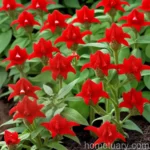
Salvia greggii (Autumn Sage) – The Ultimate Plant Care Guide

Introduction
Salvia greggii, commonly known as Autumn Sage, is a beautiful and versatile plant that belongs to the mint family, Lamiaceae. This plant is native to the Southwestern United States and Northeastern Mexico, where it thrives in the warm and arid climates. Salvia greggii is cherished for its vibrant flowers, attractive foliage, and its ability to attract pollinators, making it a popular choice for gardens, landscapes, and container plantings.
In this comprehensive plant care guide, we will explore everything you need to know about Salvia greggii – from its cultural requirements to its uses, propagation, and common diseases. Whether you are a novice gardener or an experienced horticulturist, this guide will provide you with valuable insights and tips to successfully grow and care for Salvia greggii.
Key Takeaways
Before we delve into the specifics of growing and caring for Salvia greggii, let’s quickly highlight the key takeaways of this plant.
Salvia greggii (Autumn Sage)
-
Beautiful and versatile plant belonging to the mint family, Lamiaceae.
-
Native to the Southwestern United States and Northeastern Mexico.
-
Cherished for its vibrant flowers, attractive foliage, and its ability to attract pollinators.
-
Popular choice for gardens, landscapes, and container plantings.
Now, let’s explore the cultural requirements and care guidelines for Salvia greggii, helping you cultivate this stunning plant in your own garden.
Salvia greggii Culture
Water
Salvia greggii is renowned for its drought tolerance, making it well-suited for arid and semi-arid environments. Once established, these plants require minimal supplemental watering, thriving in dry and well-draining soils. Overwatering can lead to root rot and other issues, so it’s important to allow the soil to dry out between waterings. During prolonged periods of drought, providing occasional deep soakings can help maintain the plant’s vitality.
Sunlight
Autumn Sage thrives in full sun to partial shade, preferring at least 6 hours of direct sunlight to promote healthy growth and prolific flowering. While it can tolerate some shade, insufficient light may lead to leggy growth and reduced flowering. To maximize its flowering potential and overall vigor, planting Salvia greggii in a sunny location is recommended.
Fertilizer
Compared to other flowering perennials, Salvia greggii has relatively low fertilizer requirements. Excessive fertilization can lead to excessive foliage growth at the expense of flowers. It is best to apply a balanced, slow-release fertilizer in early spring, following the recommended application rates based on soil fertility and plant growth. Avoid heavy nitrogen fertilizers, as they can negatively impact the plant’s overall health.
Soil
Salvia greggii thrives in well-draining soils with a slightly acidic to neutral pH range. Sandy loam or loamy soil types are ideal, as they prevent waterlogging and facilitate root aeration. Amending heavy clay soils with organic matter can improve drainage and create a more hospitable environment for the plant. It’s important to ensure that the soil provides adequate aeration and does not trap excessive moisture around the roots.
Uses
Ornamental Value
Salvia greggii is primarily cultivated for its ornamental value, showcasing a spectacular display of colorful flowers and aromatic foliage. The plant’s vibrant blooms attract pollinators such as butterflies, bees, and hummingbirds, adding an enchanting touch to garden landscapes. With a wide range of flower colors and varieties available, Autumn Sage is a versatile option for adding visual appeal to borders, rock gardens, and mixed perennial beds.
Medicinal Properties
In addition to its ornamental value, some varieties of Salvia greggii are known for their potential medicinal properties. Traditional herbalists have used select species of Salvia for various purposes, including alleviating digestive issues, soothing sore throats, and providing relief from respiratory discomfort. It is important to note that the medicinal use of plants should be approached with caution and under the guidance of qualified healthcare professionals.
Wildlife Gardening
The nectar-rich flowers of Salvia greggii make it a valuable addition to wildlife gardens, supporting beneficial insects and other fauna in the ecosystem. By planting Autumn Sage, gardeners can contribute to the conservation of pollinators while enhancing the biodiversity of their outdoor spaces. The plant’s role in creating habitat and food sources for wildlife aligns with the principles of environmentally conscious gardening practices.
Pruning
Techniques
Proper pruning is essential for maintaining the health and aesthetic appeal of Salvia greggii. To encourage continuous blooming and prevent woody growth, it is advisable to perform regular pruning during the growing season. Deadheading spent flowers and removing any damaged or diseased growth promotes flower production and enhances the plant’s overall appearance. Additionally, lightly pruning the stems in late winter or early spring can invigorate the plant and stimulate new growth.
Considerations
When pruning Autumn Sage, it is important to strike a balance between promoting new growth and preserving the plant’s natural form. Excessive pruning can lead to stress and reduced flowering, so it’s recommended to avoid drastic cuts or shearing. Instead, focus on selectively trimming the stems to maintain the plant’s shape and to remove any non-productive growth. By following proper pruning techniques, you can ensure that Salvia greggii remains a healthy and attractive feature in your garden.
Propagation
Methods
Salvia greggii can be propagated through various methods, including division, seeds, and stem cuttings. Each method offers unique advantages and requires specific considerations to achieve successful propagation.
-
Division: Dividing mature clumps of Salvia greggii in early spring allows gardeners to create new plants and rejuvenate existing ones. Carefully separating the root ball and ensuring that each division has sufficient roots and foliage promotes the establishment of healthy transplants.
-
Seeds: Harvesting seeds from mature plants and sowing them indoors or directly in the garden can yield new Salvia greggii seedlings. Providing the seeds with optimal germination conditions, such as consistent moisture and appropriate temperatures, enhances the success rate of seed propagation.
-
Stem Cuttings: Taking softwood or semi-hardwood cuttings from actively growing stems and propagating them in a controlled environment offers an effective way to increase the plant’s population. Proper moisture levels and rooting hormone application can expedite the root development process, leading to the formation of new plants.
Best Practices
Regardless of the propagation method chosen, it is important to provide the young plants with adequate care and attention during the establishment phase. Monitoring moisture levels, protecting the cuttings from extreme environmental conditions, and gradually introducing them to outdoor settings can contribute to the successful propagation of Salvia greggii.
Container Popularity
Salvia greggii’s compact growth habit and striking floral displays make it an excellent choice for container gardening. Whether grown in individual containers or as part of mixed arrangements, Autumn Sage brings a vibrant and long-lasting visual appeal to patio settings, balconies, and outdoor living spaces. The plant’s adaptability to container culture allows gardeners with limited garden space to enjoy its beauty and benefits.
Common Diseases
Salvia greggii is relatively resistant to most common plant diseases, displaying a robust nature in the garden. However, certain environmental conditions or cultural practices can predispose the plant to specific ailments. Understanding the potential diseases affecting Autumn Sage and implementing preventive measures is crucial for maintaining its health and vitality.
Disease Diagnosis
When assessing the health of Salvia greggii, it’s important to be vigilant for symptoms of common plant diseases that may affect the plant. These can include:
-
Powdery Mildew: A fungal disease that manifests as a powdery white coating on the foliage, leading to stunted growth and reduced vigor.
-
Root Rot: Associated with overly wet conditions, root rot can cause wilting, yellowing of leaves, and eventual decline of the plant.
-
Botrytis Blight: This fungal disease can result in the development of water-soaked lesions on the plant, leading to tissue decay and potential dieback.
Prevention and Management
To prevent the occurrence of diseases, it is important to provide optimal growing conditions for Salvia greggii, including well-draining soil, proper air circulation, and appropriate irrigation practices. Additionally, avoiding overhead watering and spacing plants adequately can reduce the risk of moisture-related diseases. In cases of disease manifestation, prompt action, such as removing affected plant parts and providing targeted fungicidal treatments, can aid in managing the issue effectively.
Common Pests
While Salvia greggii is generally resistant to most insect pests, certain nuisances can occasionally affect the plant’s health and appearance. Understanding the potential pest pressures and implementing proactive strategies can help protect Autumn Sage from infestations and mitigate their impact.
Aphids
These small, soft-bodied insects can cluster on the tender shoots and buds of Salvia greggii, extracting sap and causing distortion of plant tissues. The presence of aphids can lead to weakened growth and reduced flowering if left unchecked.
Spider Mites
Spider mites are common pests that can infest Autumn Sage, particularly in hot and dry conditions. These tiny arachnids feed on the plant’s cellular content, causing stippling, discoloration, and eventual leaf drop when infestations are severe.
Whiteflies
Whiteflies are another potential threat to Salvia greggii, particularly in greenhouses or outdoor settings with a high population of these small, moth-like insects. Their feeding can lead to the development of sooty mold and the weakening of the plant’s vitality.
Control Measures
Implementing cultural controls such as maintaining plant health, providing adequate air circulation, and minimizing stress factors can enhance the plant’s natural resistance to pests. Additionally, the targeted application of horticultural oils, insecticidal soaps, or botanical insecticides can effectively manage pest populations while minimizing adverse impacts on beneficial organisms.
Botanist’s Tips
As an experienced gardener or plant enthusiast, you may find the following tips and insights valuable for successfully growing and caring for Salvia greggii:
-
Companion Planting: Pairing Salvia greggii with other drought-tolerant and sun-loving perennials such as Lavandula (Lavender), Perovskia (Russian Sage), and Penstemon can create visually captivating and ecologically beneficial garden compositions.
-
Mulching: Applying a layer of organic mulch around the base of Salvia greggii can help regulate soil moisture, suppress weed growth, and provide insulation during temperature fluctuations.
-
Overwintering: In regions with frost or freezing temperatures, providing a layer of protective mulch or carefully pruning the plant in late fall can help preserve its vigor and ensure a healthy regrowth in the following growing season.
-
Wildlife Gardening: Creating pollinator-friendly and wildlife-supportive garden habitats through the inclusion of Salvia greggii and other nectar-rich plants contributes to the ecological balance and beauty of the outdoor environment.
By integrating these tips into your cultivation practices, you can enhance the overall performance and ecological value of Salvia greggii in your garden.
Fun Facts
To enrich your knowledge and appreciation of Salvia greggii, consider the following fun and intriguing facts about this remarkable plant:
-
Historical Significance: Certain species of Salvia have historical and cultural significance, with traditional uses by indigenous communities for spiritual, medicinal, and ceremonial purposes.
-
Hybridization: Ongoing breeding efforts have led to the development of numerous hybrid varieties of Salvia greggii, offering a diverse range of flower colors, foliage patterns, and growth habits.
-
Botanical Diversity: Salvia greggii encompasses a wide range of cultivars and named selections, reflecting the plant breeders’ continuous efforts to expand its ornamental value and adaptability to diverse climates.
-
Wildlife Support: Attracting a myriad of pollinators, including butterflies, bees, and hummingbirds, Salvia greggii plays a vital role in supporting the ecological balance and biodiversity of natural landscapes.
Embracing these fun facts about Autumn Sage can deepen your connection with this exceptional plant and its role in horticulture, ecology, and cultural traditions.
Links to External Resources
To further explore and broaden your understanding of Salvia greggii and its cultivation, consider accessing the following reputable resources:
- Royal Horticultural Society – Salvia greggii
- Missouri Botanical Garden – Salvia greggii
- University of Florida IFAS Extension – Salvia greggii
By engaging with these authoritative resources, you can access in-depth information, expert insights, and practical tips to further enrich your knowledge and proficiency in growing Salvia greggii.
Conclusion
Salvia greggii (Autumn Sage) stands as a captivating and resilient plant species that holds immense potential for enhancing garden landscapes, supporting wildlife, and contributing to sustainable and water-wise gardening practices. By embracing its ornamental beauty, ecological benefits, and versatile uses, gardeners and enthusiasts can cultivate a deep appreciation for this remarkable plant and integrate it into their outdoor spaces with confidence and success.
From understanding its cultural requirements and propagation techniques to appreciating its ecological significance and historical context, the comprehensive plant care guide for Salvia greggii offers a valuable resource to support your journey in cultivating, enjoying, and celebrating the enchanting qualities of this extraordinary plant.
Remember, each garden is a unique canvas, and by embracing the spirit and resilience of Salvia greggii, you can create a living tapestry of beauty, biodiversity, and ecological harmony within your outdoor sanctuary.
Thank you for exploring the world of Salvia greggii with us.
References
- “Salvia greggii.” Royal Horticultural Society. https://www.rhs.org.uk/plants/74845/i-salvia-greggii-i/details
- “Salvia greggii.” Missouri Botanical Garden. http://www.missouribotanicalgarden.org/PlantFinder/PlantFinderDetails.aspx?taxonid=253280&isprofile=1&
- “Salvia.” University of Florida IFAS Extension. https://gardeningsolutions.ifas.ufl.edu/plants/ornamentals/salvias.html