The Fascinating World of the Hooded Pitcher Plant (Sarracenia minor ‘Okee Giant’)
Plants are an essential part of our ecosystem, providing us with oxygen, food, and a beautiful environment. While many plants are known for their aesthetic appeal and ecological significance, there are some plants that have evolved unique adaptations to thrive in challenging environments. One such plant is the hooded pitcher plant, scientifically known as Sarracenia minor ‘Okee Giant’. In this comprehensive guide, we will explore the captivating world of this carnivorous plant, its cultural significance, uses, and how to care for it.
What is the Hooded Pitcher Plant (Sarracenia minor ‘Okee Giant’)?
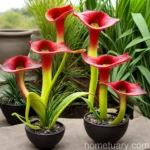
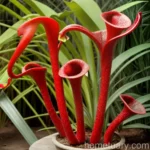
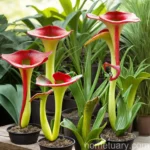
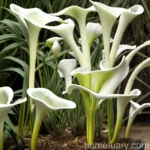
The hooded pitcher plant, a member of the Sarraceniaceae family, is a fascinating carnivorous plant known for its distinctive pitcher-shaped leaves. It is a Sarracenia minor cultivar with the variety ‘Okee Giant’, and it is native to the southeastern United States.
Key Takeaways – Hooded Pitcher Plant (Sarracenia minor ‘Okee Giant’)
Before delving deeper into the characteristics and care of the hooded pitcher plant, let’s gain an overview of the key takeaways associated with this captivating species.
- Scientific Name: Sarracenia minor ‘Okee Giant’
- Common Name: Hooded Pitcher Plant
- Plant Type: Carnivorous Plant
- Habitat: Bog, Swamp
- Notable Features: Pitcher-shaped leaves for trapping insects
- Cultural Significance: Unique addition to gardens and educational value
Now that we have outlined the primary features of the hooded pitcher plant, let’s explore its cultural significance and uses.
Culture
Uses
The hooded pitcher plant holds significant cultural and ecological value due to its unique adaptations as a carnivorous plant. Here are some of its notable uses:
1. Educational Purposes: The captivating morphology of the hooded pitcher plant makes it an excellent educational tool for teaching about carnivorous plants, adaptation, and ecology.
2. Garden Ornament: Due to its unique appearance and intriguing growth habit, the hooded pitcher plant is a popular choice for botanical gardens, nature reserves, and home gardens.
3. Ecological Value: In its natural habitat, the hooded pitcher plant contributes to the ecosystem by controlling insect populations and recycling nutrients through its carnivorous behavior.
Now that we understand the uses and cultural significance of the hooded pitcher plant, it’s essential to know how to properly care for this unique species.
Water
The hooded pitcher plant is a bog plant, naturally occurring in wetland habitats. Therefore, it necessitates specific water requirements to thrive.
- Natural Habitat: In its native environment, the hooded pitcher plant grows in waterlogged, acidic soils of bogs and swamps.
- Artificial Cultivation: When cultivating the hooded pitcher plant in a garden or container, it is crucial to maintain consistently moist, but not waterlogged, conditions. Rainwater or distilled water is preferred over tap water to avoid mineral buildup.
Sunlight
As a bog plant, the hooded pitcher plant has specific sunlight requirements to support its growth and carnivorous behavior.
- Natural Habitat: In the wild, the hooded pitcher plant thrives in partial shade to full sun conditions, typically receiving filtered sunlight through the canopy of surrounding vegetation.
- Cultivation: When cultivating this plant in a garden or container, it is essential to provide it with partial shade to mimic its natural habitat. Direct, intense sunlight should be avoided to prevent leaf scorching.
Now that we’ve addressed the water and sunlight needs of the hooded pitcher plant, it’s time to discuss its soil and fertilizer requirements.
Soil
The soil composition is crucial for the growth and well-being of the hooded pitcher plant, considering its affinity for boggy and acidic environments.
- Natural Habitat: In the wild, the hooded pitcher plant grows in nutrient-poor, acidic soils with high organic content, such as sphagnum moss and peat.
- Cultivation: When cultivating the hooded pitcher plant, it is essential to utilize a well-draining, acidic potting mix that mimics its natural habitat. A mixture of sphagnum moss, perlite, and peat is commonly used to provide the required moisture retention and acidity.
Fertilizer
Unlike conventional garden plants, the hooded pitcher plant has unique nutritional needs due to its carnivorous nature.
- Carnivorous Behavior: The hooded pitcher plant obtains essential nutrients, particularly nitrogen, from the insects it captures in its pitcher-shaped leaves. Therefore, it does not rely on traditional fertilization methods.
- Avoidance of Fertilizers: It is crucial to avoid conventional fertilizers when caring for the hooded pitcher plant, as they can be detrimental to its sensitive root system and the delicate balance of its carnivorous adaptations.
Now that we’ve explored the specific cultural requirements of the hooded pitcher plant, let’s touch on pruning, propagation, and its popularity among enthusiasts.
Pruning
Pruning requirements for the hooded pitcher plant are minimal due to its unique growth habit and nutrient acquisition method.
- Natural Growth: The pitcher-shaped leaves of the hooded pitcher plant serve as both traps for capturing insects and as a means for photosynthesis. As a result, traditional pruning is not necessary for this plant.
- Leaf Removal: If a pitcher becomes unsightly or damaged, it can be carefully trimmed at its base to encourage new growth.
Propagation
Propagation of the hooded pitcher plant can be achieved through several methods, allowing enthusiasts to expand their collection and share this captivating species with others.
- Division: The hooded pitcher plant can be divided during the growing season by carefully separating the rhizomes to create new plants.
- Leaf Cuttings: In addition to division, leaf cuttings can be utilized to propagate the hooded pitcher plant, although this method may require more time and patience.
Now that we’ve covered the cultural requirements, propagation, and pruning of the hooded pitcher plant, it’s time to delve into its significance among enthusiasts and its viability for container cultivation.
Container Popularity
The hooded pitcher plant is a popular choice for container cultivation among enthusiasts and botanical garden displays due to its unique appearance and adaptability.
- Home Gardens: Enthusiasts often cultivate the hooded pitcher plant in containers to provide the specific growing conditions it requires, as well as to appreciate its intricate carnivorous nature up close.
- Botanical Gardens: Many botanical gardens feature the hooded pitcher plant in specialized displays to educate visitors about carnivorous plants and the importance of wetland conservation.
Now that we’ve outlined the popularity of the hooded pitcher plant for container cultivation, let’s discuss its susceptibility to common diseases and pests, and how to address these challenges effectively.
Common Diseases
While the hooded pitcher plant is relatively resilient, it can be affected by certain diseases, particularly when cultivated in suboptimal conditions.
- Root Rot: Overly wet conditions or poorly draining soil can lead to root rot in the hooded pitcher plant, potentially causing yellowing and wilting of the leaves.
- Fungal Infections: In high-humidity environments, fungal infections such as powdery mildew can occur, requiring prompt intervention to prevent its spread.
Disease Diagnosis
Diagnosing and addressing diseases in the hooded pitcher plant requires vigilance and a proactive approach to maintain its health and vitality.
- Observation: Regular inspection of the plant for changes in leaf color, wilting, or abnormal growth can help in detecting early signs of disease.
- Prompt Action: Upon identifying symptoms of disease, it is crucial to take immediate action by adjusting the growing conditions, improving air circulation, or utilizing targeted treatments to address the specific issue.
Now that we’ve covered the common diseases and disease diagnosis for the hooded pitcher plant, let’s turn our attention to potential pests and how to manage them effectively.
Common Pests
Pest infestations can pose a threat to the health and vitality of the hooded pitcher plant, requiring diligent monitoring and intervention.
- Aphids: These small, sap-sucking insects can infest the leaves of the hooded pitcher plant, potentially causing damage and affecting its carnivorous capabilities.
- Spider Mites: In dry, warm conditions, spider mites can proliferate and infest the hooded pitcher plant, leading to stippled leaves and webbing on the foliage.
Botanist’s Tips
For enthusiasts and gardeners looking to cultivate the hooded pitcher plant successfully, the following tips can ensure its optimal growth and health.
- Optimal Growing Conditions: Providing the specific water, sunlight, and soil requirements that mimic the natural habitat of the hooded pitcher plant is essential for its well-being.
- Vigilance: Regular inspection of the plant for signs of disease, pests, or environmental stress can aid in early detection and intervention.
- Educational Value: Embracing the educational significance of the hooded pitcher plant can foster a deeper appreciation for its unique adaptations and ecological contributions.
Now that we’ve covered the botanist’s tips, let’s explore some fun facts about the hooded pitcher plant and its captivating nature.
Fun Facts
- The hooded pitcher plant is one of the few species of carnivorous plants native to the United States, adding to its cultural and ecological significance.
- It relies on a passive trapping mechanism, luring insects into its pitcher-shaped leaves with nectar and downward-facing hairs that make escape difficult.
Links to External Resources
For additional information on the hooded pitcher plant, Sarracenia minor ‘Okee Giant’, and carnivorous plants, consider exploring the following resources:
- The Carnivorous Plant Society
- North American Sarracenia Conservancy
- International Carnivorous Plant Society
By delving into the captivating world of the hooded pitcher plant, we can appreciate the intricacies of its carnivorous nature, its ecological significance, and the cultural value it holds. Whether cultivated in home gardens, displayed in botanical institutions, or studied for educational purposes, the hooded pitcher plant continues to inspire wonder and fascination among enthusiasts and nature lovers alike.