Purple Pitcher Plant: A Fascinating Carnivorous Species for Wetland Conservation
Introduction
In the realm of botany, the world is teeming with an incredible diversity of plant species, each with its own unique adaptations, ecological niches, and biological marvels. Among these fascinating plant species, the purple pitcher plant (Sarracenia purpurea subsp. venosa) stands out as an extraordinary example of botanical ingenuity and ecological significance. As a carnivorous plant species, the purple pitcher plant possesses a remarkable set of adaptations for nutrient acquisition, making it a captivating subject for botanists, ecologists, and plant enthusiasts alike.
In this comprehensive guide, we’ll delve into the captivating world of the purple pitcher plant, exploring its cultural significance, essential care requirements, propagation techniques, common pests and diseases, and much more. Additionally, we’ll uncover the ecological importance of this unique plant species and highlight its role in wetland conservation efforts. By the end of this exploration, you’ll gain a profound insight into the captivating realm of carnivorous plants and the remarkable characteristics of the purple pitcher plant.
What is the Purple Pitcher Plant (Sarracenia purpurea subsp. venosa)?
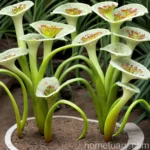
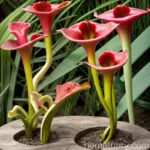
The purple pitcher plant, scientifically known as Sarracenia purpurea subsp. venosa, is a fascinating carnivorous plant species belonging to the Sarraceniaceae family. As a subspecies of Sarracenia purpurea, this remarkable plant species is indigenous to North America, where it thrives in boggy habitats, wetlands, and other waterlogged environments. Renowned for its pitcher-shaped leaves and insect-trapping abilities, the purple pitcher plant has captured the fascination of botanists and plant enthusiasts around the world.
Key Takeaways
Before we embark on a detailed exploration of the purple pitcher plant, let’s outline the key takeaways that will be covered in this comprehensive guide:
- Cultural significance of the purple pitcher plant
- Essential care requirements including water, sunlight, fertilizer, and soil
- Pruning and propagation techniques
- Common diseases and pests affecting the purple pitcher plant
- Botanist’s tips for successful cultivation
- Fascinating facts about the purple pitcher plant
- Links to external resources for further exploration
Now, let’s embark on an in-depth exploration of the captivating purple pitcher plant and unravel its mysteries.
Culture
Uses
The purple pitcher plant holds significant cultural and ecological importance, serving both as a botanical curiosity and a vital component of wetland ecosystems. From a cultural standpoint, this unique plant species has intrigued botanists, horticulturists, and plant enthusiasts for centuries, captivating their imagination with its captivating adaptations for nutrient acquisition and its striking pitcher-shaped leaves. The purple pitcher plant also holds value in botanical gardens, educational exhibits, and conservation efforts due to its intriguing biological traits.
In addition to its cultural significance, the purple pitcher plant plays a crucial ecological role as a carnivorous species in wetland habitats. By trapping and digesting insects within its pitcher-shaped leaves, the plant supplements its nutrient uptake in nitrogen-poor environments, contributing to the overall diversity and ecological balance of wetland ecosystems. Furthermore, the purple pitcher plant’s presence in wetland conservation efforts underscores its significance as a species of conservation concern, emphasizing the need for preserving its natural habitats and ecological niches.
Water
Water plays a crucial role in the cultivation of purple pitcher plants, mirroring their natural habitat in wetlands and bog gardens. As a species adapted to waterlogged environments, the purple pitcher plant requires consistently moist soil to thrive. Proper drainage is essential to prevent waterlogging, as excessive moisture can lead to root rot and other detrimental conditions. Watering practices should aim to maintain a consistently moist, but not waterlogged, environment for the plant.
Sunlight
In terms of sunlight requirements, the purple pitcher plant flourishes in bright, indirect light. While it can tolerate partial shade, ample exposure to sunlight is essential for the plant’s overall health and vigor. When cultivated indoors, providing the plant with access to natural light sources, such as windowsills or well-lit areas, is crucial to ensure optimal growth and development.
Fertilizer
Contrary to many non-carnivorous plant species, the purple pitcher plant does not require traditional fertilization methods. In its natural habitat, the plant derives its essential nutrients from the insects it captures and digests within its pitcher-shaped leaves. As such, traditional fertilizers can be detrimental to the plant’s well-being, potentially leading to adverse effects on its carnivorous adaptations.
Soil
The ideal soil composition for purple pitcher plants closely mirrors the nutrient-poor, acidic conditions of their natural wetland habitats. A mixture of sphagnum peat moss and perlite, with a slightly acidic pH in the range of 4.5 to 5.5, provides an optimal growing medium for these carnivorous plants. This specialized soil composition ensures adequate moisture retention while preventing waterlogging, creating an environment that closely mimics the plant’s natural habitat.
Pruning
Pruning practices for the purple pitcher plant primarily involve the removal of wilted or damaged pitchers to promote overall plant health and vitality. Regular inspection of the plant for any signs of wilted or withered pitchers enables timely pruning, preventing the accumulation of unsightly or decaying foliage. Additionally, removing spent pitchers fosters the development of new growth and optimizes the plant’s carnivorous activities.
Propagation
The propagation of purple pitcher plants can be achieved through various methods, including division, rhizome cuttings, and seed germination. Each propagation technique offers unique advantages and considerations, allowing for the expansion of purple pitcher plant populations and the perpetuation of the species in cultivation and conservation efforts.
Propagation Methods for Purple Pitcher Plants:
-
Division: Dividing mature plants into smaller sections during the growing season allows for the creation of new plant specimens, each with the potential to develop into a thriving individual. Dividing the plant’s rhizomes and roots should be approached with care to ensure the successful establishment of the divided sections.
-
Rhizome Cuttings: Propagation through rhizome cuttings involves separating healthy rhizome sections from the parent plant and transplanting them into suitable growing environments. This method allows for the swift generation of new plant specimens and offers a reliable means of expanding purple pitcher plant populations.
-
Seed Germination: Growing purple pitcher plants from seeds provides an opportunity to contribute to the genetic diversity of cultivated populations. Careful consideration of seed germination requirements, including appropriate temperatures and moisture levels, is crucial for successful propagation through this method.
Container
Cultivating purple pitcher plants in containers offers a convenient and aesthetic means of showcasing these unique botanical specimens. When selecting containers for purple pitcher plants, it is essential to consider the plant’s specific needs for moisture retention, drainage, and adequate space for root development. Additionally, the choice of containers should align with the plant’s natural preferences for slightly acidic, nutrient-poor growing mediums.
Container Considerations for Purple Pitcher Plants:
-
Size: Selecting appropriately sized containers that accommodate the plant’s root system and growth habits is vital for ensuring optimal development and health.
-
Drainage: Containers should feature adequate drainage holes to prevent waterlogging and promote proper soil moisture levels, reflecting the plant’s preference for consistently moist, well-draining environments.
-
Material: Container materials, such as plastic, ceramic, or glazed pottery, should be chosen based on their moisture retention properties and their ability to create suitable growing conditions for purple pitcher plants.
Popularity
The unique characteristics and captivating adaptations of the purple pitcher plant have made it a popular choice among plant enthusiasts, botanical gardens, and conservation organizations. Its striking pitcher-shaped leaves, coupled with its intricate insect-capturing mechanisms, have established the purple pitcher plant as a sought-after species for cultivation and educational purposes.
Cultivating purple pitcher plants in home gardens and botanical collections not only showcases their biological marvels but also raises awareness about the ecological significance of carnivorous plant species and their role in wetland conservation. The popularity of purple pitcher plants in horticultural and educational settings underscores their enduring appeal and their potential contributions to broader conservation initiatives.
Common Diseases
While relatively resilient, purple pitcher plants can be susceptible to certain diseases and environmental stressors that may affect their overall health and vitality. Understanding common diseases and proactive measures for disease prevention is crucial for safeguarding the well-being of these captivating carnivorous plants.
Disease Diagnosis
Identifying and diagnosing common diseases affecting purple pitcher plants involves vigilant observation of the plant’s foliage, pitchers, and overall growth patterns. Common symptoms of disease or stress may manifest as discoloration, wilting, or deformities in the plant’s pitchers and leaves. Additionally, signs of pests or pathogenic infections may indicate the presence of underlying health concerns that require prompt attention and intervention.
Common Pests
Pests can pose a threat to the well-being of purple pitcher plants, potentially impacting their growth, carnivorous activities, and overall vitality. Vigilant monitoring and proactive pest management strategies are essential for mitigating the impact of common pests and preserving the health of these captivating carnivorous species.
Common Pests Affecting Purple Pitcher Plants:
-
Aphids: These small, sap-feeding insects can infest the foliage and pitchers of purple pitcher plants, leading to damage and potential stress on the plant.
-
Spider Mites: Infestations of spider mites can weaken the plant’s health and vigor, causing discoloration and damage to the foliage.
-
Fungus Gnats: These pests can breed in the moist soil of purple pitcher plants, potentially leading to detrimental effects on the plant’s root system and overall well-being.
By implementing proactive pest monitoring and control measures, including natural predators, insecticidal soaps, and cultural practices, the impact of common pests can be minimized, preserving the health and vitality of purple pitcher plants.
Botanist’s Tips
Successful cultivation of purple pitcher plants hinges on a comprehensive understanding of their unique requirements, including water, sunlight, soil, and nutrient acquisition. With a few expert tips and best practices, botanists and plant enthusiasts can optimize the growth and health of these captivating carnivorous plants.
Botanist’s Tips for Purple Pitcher Plant Care:
-
Watering: Maintain consistently moist, well-drained soil while preventing waterlogging to ensure optimal growth and vitality.
-
Sunlight: Provide ample access to bright, indirect light to support the plant’s photosynthetic activities and overall vigor.
-
Soil: Utilize a specialized mixture of sphagnum peat moss and perlite to create an acidic, nutrient-poor growing medium that aligns with the plant’s natural habitat preferences.
-
Pruning: Regularly inspect the plant for wilted or damaged pitchers, and promptly prune them to enhance overall plant health and encourage new growth.
-
Propagation: Explore various propagation methods, including division, rhizome cuttings, and seed germination, to expand purple pitcher plant populations and perpetuate the species.
Fun Facts
Uncover the intriguing facets of the purple pitcher plant with these fascinating fun facts that shed light on its adaptations, ecological significance, and captivating botanical traits:
-
The pitcher-shaped leaves of the purple pitcher plant serve as specialized traps for capturing and digesting insects, supplementing the plant’s nutrient uptake in nutrient-poor environments.
-
Purple pitcher plants form symbiotic relationships with microorganisms within their pitchers, contributing to nutrient cycling and ecological balance in wetland habitats.
-
The genus Sarracenia, to which the purple pitcher plant belongs, is renowned for its diverse array of pitcher plant species, each adapted to unique ecological niches and environmental conditions.
Links to External Resources
Explore the captivating realm of carnivorous plants, wetland conservation, and botanical fascination with these external resources that offer valuable insights and in-depth knowledge about the purple pitcher plant and related topics:
Conclusion
The purple pitcher plant (Sarracenia purpurea subsp. venosa) stands as a testament to the wondrous diversity and ecological significance of plant species thriving in wetland habitats. From its captivating adaptations for insect capture to its cultural and educational value, the purple pitcher plant encapsulates the intersection of botanical fascination and wetland conservation. By delving into the essential care practices, fascinating traits, and ecological significance of this remarkable species, we gain a profound appreciation for its role in the natural world and the broader realm of plant biodiversity.
As we continue to explore the captivating world of botanical marvels, we are reminded of the inherent value of conserving and understanding the intricate relationships between plants and their ecosystems. With the guidance and insights presented in this comprehensive guide, we embark on a journey of discovery and appreciation for the captivating purple pitcher plant and the rich tapestry of wetland flora and ecological wonders.
In the conservation efforts directed toward wetland habitats and the preservation of unique plant species, the purple pitcher plant shines as a beacon of botanical marvels and ecological significance. By nurturing an enduring fascination with these captivating species, we uphold the ongoing legacy of plant conservation, biodiversity preservation, and the remarkable adaptations that shape our natural world.