White Trumpet Pitcher Plant (Sarracenia Leucophylla)
Welcome to the enchanting universe of the Sarracenia leucophylla, commonly known as the white trumpet pitcher plant. In this comprehensive guide, we will.
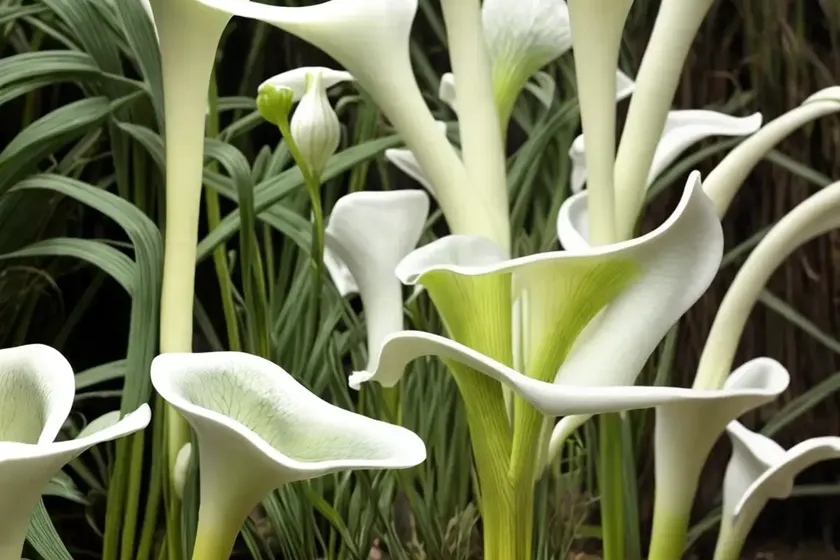
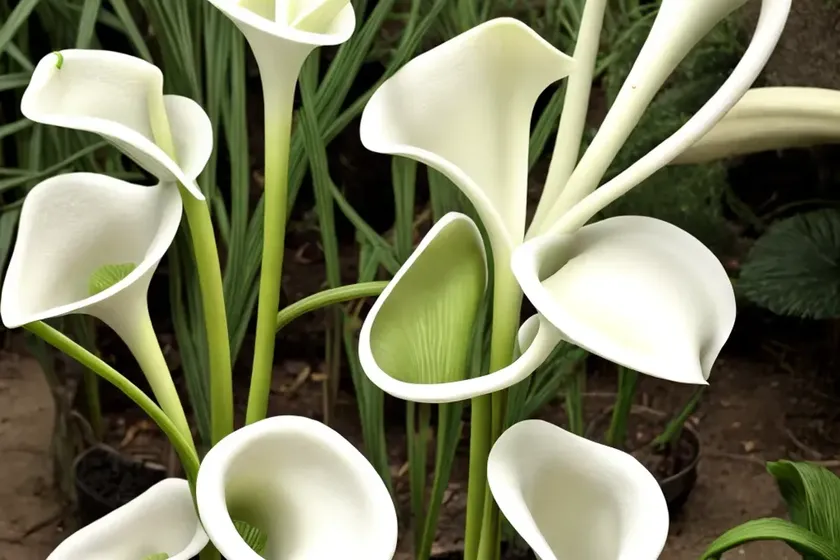
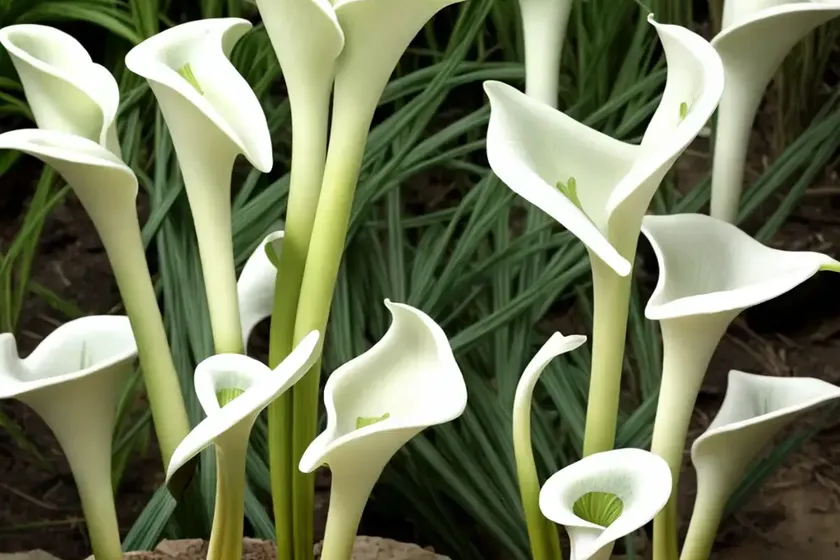
Welcome to the enchanting universe of the Sarracenia leucophylla, commonly known as the white trumpet pitcher plant. In this comprehensive guide, we will delve into the characteristics, cultivation techniques, habitat, and much more about this intriguing species. Whether you are a novice plant enthusiast or an experienced botanist, there is always something new to learn about the remarkable pitcher plants.
What is a Plant?
Plants are multicellular organisms belonging to the kingdom Plantae. They are characterized by their ability to produce chlorophyll and undergo photosynthesis, converting light energy into chemical energy. Plants play a critical role in the ecosystem, providing oxygen, food, and habitats for numerous organisms. They come in an astounding array of shapes, sizes, and forms, ranging from microscopic algae to towering trees.
White Trumpet Pitcher Plant (Sarracenia leucophylla)
The white trumpet pitcher plant (Sarracenia leucophylla) is a striking carnivorous plant species native to the southeastern United States, particularly in areas such as Alabama and Florida. This captivating plant is renowned for its unique tubular pitchers, which serve as insect traps, enabling the plant to supplement its diet with nutrients from captured prey.
Key Takeaways – White Trumpet Pitcher Plant (Sarracenia leucophylla)
Before we embark on exploring the intricacies of the white trumpet pitcher plant, let’s highlight some key takeaways about this fascinating species:
- The Sarracenia leucophylla is a carnivorous plant known for its trumpet-shaped pitchers.
- It is native to the southeastern United States, primarily in Alabama and Florida.
- The white trumpet pitcher plant is a member of the Sarraceniaceae family, commonly referred to as the pitcher plant family.
- This species has evolved unique adaptations to thrive in nutrient-poor environments, leading to its carnivorous nature.
Now, let’s delve into the various aspects of caring for and understanding the white trumpet pitcher plant, from its cultural significance to its propagation techniques.
Culture
The white trumpet pitcher plant holds cultural significance in regions where it is native. It has captivated the interest of botanists, plant enthusiasts, and conservationists due to its unique ecological niche and captivating appearance.
Uses
-
Conservation: The Sarracenia leucophylla plays a crucial role in its natural habitat by contributing to the balance of the ecosystem through its carnivorous behavior.
-
Research: Scientists and botanists study pitcher plants to understand their unique adaptations and ecological roles, providing insights into evolutionary biology and conservation strategies.
-
Horticulture: The white trumpet pitcher plant is cultivated as an ornamental plant, captivating individuals with its intriguing pitchers and captivating appearance.
Water
In its natural habitat, the Sarracenia leucophylla thrives in moist, boggy areas, where it obtains water from rainfall, dew, and the surrounding environment. When cultivating this species, it is essential to replicate its natural water requirements to support healthy growth.
- Optimal Watering: Ensure that the plant is consistently moist, avoiding waterlogged conditions.
- Water Quality: Use distilled water or rainwater to avoid the accumulation of minerals that can harm the plant.
Sunlight
As a species native to the southeastern United States, the white trumpet pitcher plant thrives in bright, direct sunlight. When cultivating this species, it is important to provide the appropriate light conditions to support its growth and pitcher development.
- Light Requirements: Position the plant in a location that receives at least 6-8 hours of direct sunlight daily.
- Indoor Cultivation: Place the plant near a south-facing window to ensure it receives ample sunlight when grown indoors.
Fertilizer
The Sarracenia leucophylla obtains the majority of its nutrients from captured prey, and therefore, traditional fertilization is not necessary. In fact, using standard fertilizers can be detrimental to the health of the plant. It is essential to avoid fertilizing the white trumpet pitcher plant and to allow it to obtain its nutrients through its natural carnivorous behavior.
Soil
The white trumpet pitcher plant thrives in nutrient-poor, acidic soils, reflecting the conditions of its natural habitat. When cultivating this species, it is crucial to replicate these soil conditions to ensure its optimal growth and well-being.
- Soil Type: Use a well-draining, acidic soil mix, such as a blend of peat moss and perlite or sand.
- pH Levels: Aim for a pH range of 4.0 to 5.0 to mimic the acidic conditions of its native environment.
Pruning
Pruning requirements for the white trumpet pitcher plant are minimal, primarily focusing on the removal of old or decaying pitchers. This helps maintain the plant’s appearance and prevents the buildup of mold or fungi within the pitchers.
- Pitcher Removal: Trim off any brown or decaying pitchers close to the base of the plant using sanitized pruning shears.
Propagation
The propagation of the Sarracenia leucophylla involves techniques such as rhizome division and seed germination. These methods enable plant enthusiasts and botanists to expand their collection of white trumpet pitcher plants and contribute to conservation efforts through responsible propagation.
- Rhizome Division: Divide mature plants by carefully separating the rhizomes and replanting them in suitable growing conditions.
- Seed Germination: Harvest and sow seeds in a suitable germination medium to propagate new plants.
Container Popularity
Due to its captivating appearance and unique growth habits, the white trumpet pitcher plant is a popular choice for container gardening. Many plant enthusiasts cultivate this species in containers, allowing them to maintain optimal growing conditions while showcasing the plant’s intriguing pitchers.
Container Common Diseases
When grown in containers, the white trumpet pitcher plant may be susceptible to certain diseases and issues, including mold and fungal growth within the pitchers.
Disease Diagnosis
-
Gray Mold (Botrytis cinerea): If you notice fuzzy gray mold developing within the pitchers, it may indicate an issue with high humidity or poor air circulation.
-
Fungal Infections: Browning or blackening of the pitchers, accompanied by a foul odor, can indicate the presence of a fungal infection that requires prompt attention.
Common Pests
While the carnivorous nature of the white trumpet pitcher plant deters many insect pests, certain pests may still pose a threat to its health and vitality.
-
Aphids: These tiny, sap-feeding insects can infest the foliage of the plant, impacting its overall health.
-
Scale Insects: Scale insects can attach themselves to the pitchers and stems, sapping the plant’s vital fluids and weakening its growth.
Botanist’s Tips
Based on extensive research and observations of the Sarracenia leucophylla, several key tips can help enthusiasts and botanists successfully cultivate and care for this remarkable species.
-
Water Quality: Use distilled water or rainwater to supply the plant with the required moisture while avoiding the accumulation of minerals.
-
Light Considerations: Ensure the plant receives ample sunlight, both indoors and outdoors, to promote healthy pitcher development.
-
Soil pH Monitoring: Regularly check the pH levels of the soil to maintain the acidic conditions favored by the white trumpet pitcher plant.
Fun Facts
Before we conclude our exploration of the white trumpet pitcher plant, let’s uncover some captivating and lesser-known facts about this remarkable species:
- The Sarracenia leucophylla is commonly referred to as the white trumpet pitcher plant due to the shape and coloration of its distinctive pitchers.
- This species is part of a diverse group of carnivorous plants known for their remarkable adaptations to nutrient-poor environments.
- The unique pitchers of the white trumpet pitcher plant serve as both traps and digestive organs, enabling it to capture and digest insects for essential nutrients.
Links to External Resources
For further exploration of the Sarracenia leucophylla and related topics, the following resources provide valuable insights and information:
- International Carnivorous Plant Society
- The Carnivorous Plant FAQ
- North American Sarracenia Conservancy
In conclusion, the white trumpet pitcher plant (Sarracenia leucophylla) stands as a testament to the fascinating diversity of plant life on our planet. Its uniquely adapted carnivorous nature, captivating appearance, and cultural significance make it a plant worthy of admiration and conservation efforts. Whether you are an aspiring plant enthusiast or a seasoned botanist, the exploration of the Sarracenia leucophylla offers a window into the remarkable world of carnivorous plants and their unparalleled adaptations.


