Caucasian Stonecrop (Sedum Spurium ‘Tricolor’)
Plants, in their various forms, sizes, and colors, add unmatched beauty to the world, whether they are gracing a vast landscape or adorning a small pot on.
Plants, in their various forms, sizes, and colors, add unmatched beauty to the world, whether they are gracing a vast landscape or adorning a small pot on a windowsill. One such captivating specimen is the Caucasian stonecrop (Sedum spurium ‘Tricolor’). This delightful succulent offers an array of colors, hardiness, and versatility that make it a favored choice among plant enthusiasts. In this blog post, we will delve into the enchanting world of Caucasian stonecrop, exploring its key components, care requirements, common uses, and much more.
What is Caucasian Stonecrop (Sedum spurium ‘Tricolor’)?
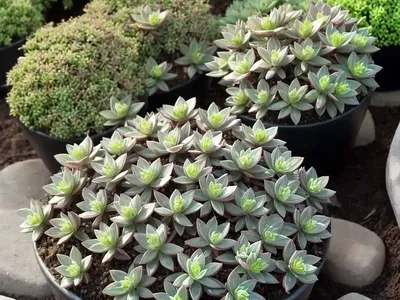
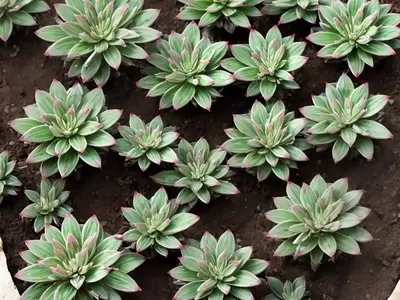
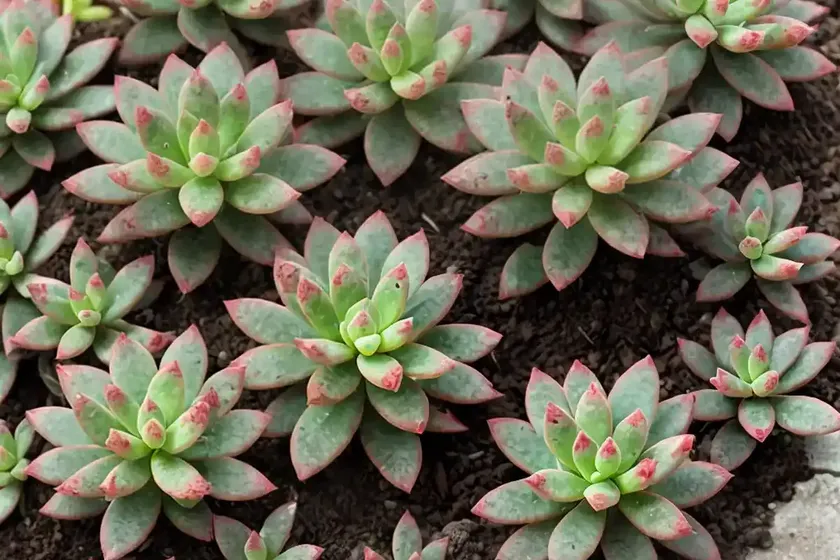
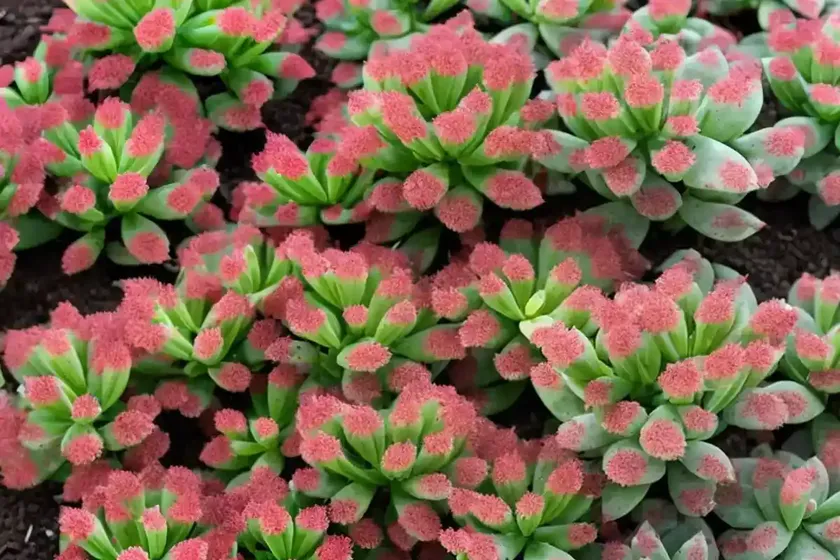
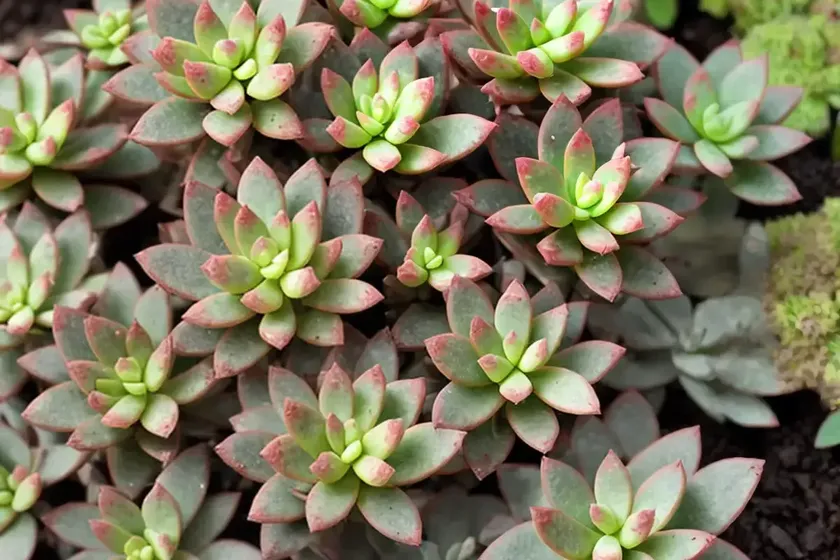
Caucasian stonecrop, scientifically known as Sedum spurium ‘Tricolor’, is a low-growing, mat-forming perennial plant that hails from the Caucasus region in Eastern Europe, which is the source of its common name. It belongs to the Crassulaceae family, also known as the stonecrop family, which includes a wide variety of succulents and other ornamental plants. The ‘Tricolor’ cultivar is named for its stunning variegated foliage, which features hues of green, pink, and creamy white, creating a visually appealing spectacle.
Key Takeaways – Caucasian Stonecrop (Sedum spurium ‘Tricolor’)
Before we delve deeper into the specifics of caring for Caucasian stonecrop, let’s briefly outline the key takeaways that we will explore in detail throughout this blog post.
- Culture: Understanding the natural habitat and growth habits of Caucasian stonecrop.
- Uses: Exploring the versatile uses of this beloved plant in various settings.
- Water: Unveiling the water requirements for maintaining the health and vitality of the plant.
- Sunlight: Shedding light on the optimal sunlight conditions for robust growth.
- Fertilizer: Nourishing the plant with the right balance of nutrients.
- Soil: Providing the ideal soil conditions to support the plant’s growth.
- Pruning: Learning the art of proper pruning to maintain its exquisite form.
- Propagation: Unlocking the secrets of propagating Caucasian stonecrop for bountiful displays.
- Container Popularity: Embracing the plant’s suitability for container gardening.
- Common Diseases: Identifying potential diseases and their management.
- Common Pests: Understanding the pests that may threaten the plant’s well-being.
- Botanist’s Tips: Gaining insights from the experts on cultivating this botanical gem.
- Fun Facts: Uncovering intriguing and delightful facts about Caucasian stonecrop.
Now, let’s embark on an enriching journey through the world of Caucasian stonecrop, discovering the intricacies that make it a cherished addition to any plant lover’s collection.
Culture of Caucasian Stonecrop
Understanding the cultural requirements of a plant is crucial for fostering its optimal growth. For Caucasian stonecrop, it is essential to grasp its natural habitat and preferred conditions.
Native Habitat
Caucasian stonecrop, as its name suggests, originates from the Caucasus region, primarily found in countries such as Russia, Georgia, and the Ukraine. This region is known for its diverse flora and climate, characterized by cold winters and warm summers. In its natural habitat, Caucasian stonecrop thrives in well-draining, rocky soils and is often found adorning rocky outcrops and slopes.
Growth Habit
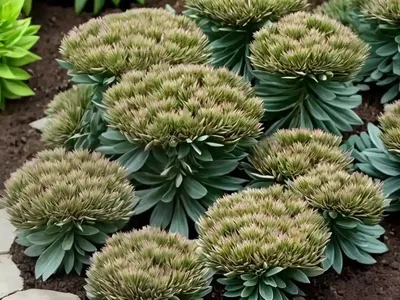
The ‘Tricolor’ cultivar of Sedum spurium is known for its prostrate growth, forming a low carpet of succulent foliage that gracefully cascades over rocks and embankments. The dense mat-forming habit of this plant makes it an excellent choice for ground cover, providing a lush and colorful carpet in various garden settings.
Understanding the plant’s natural habitat and growth pattern lays the groundwork for successful cultivation. By replicating its native conditions to the best of our ability, we can create an environment where Caucasian stonecrop thrives and displays its full splendor.
Uses of Caucasian Stonecrop
The versatility of Caucasian stonecrop makes it a valuable addition to any garden or landscape. From its ornamental appeal to its functional uses, this plant offers a myriad of benefits in diverse settings.
Ornamental Value
The exquisite variegated foliage of Sedum spurium ‘Tricolor’ makes it a striking ornamental plant, adding a pop of color and texture to garden beds, rock gardens, and container plantings. The interplay of green, pink, and creamy white leaves creates a visually dynamic display that complements a wide range of garden styles and color schemes.
Ground Cover
The low-growing and spreading nature of Caucasian stonecrop makes it an excellent ground cover plant. It forms a dense mat, effectively suppressing weed growth while providing an attractive carpet of foliage. Its adaptability to various soil types and terrains makes it an ideal choice for stabilizing slopes and covering bare patches in the landscape.
Erosion Control
The mat-forming habit of Sedum spurium ‘Tricolor’ also lends itself well to erosion control on banks and slopes. Its extensive root system helps bind the soil together, reducing the risk of erosion and soil displacement, especially in areas prone to runoff.
The uses of Caucasian stonecrop extend beyond mere aesthetics, making it a multifaceted asset in both ornamental and functional applications. Its ability to thrive in challenging conditions further underscores its value as a dependable and resilient plant.
Water Requirements of Caucasian Stonecrop
Understanding the water needs of Caucasian stonecrop is essential for striking the right balance between hydration and drainage. While it is known for its resilience and drought tolerance, it still requires proper moisture to maintain its health and vibrancy.
Drought Tolerance
Caucasian stonecrop exhibits exceptional drought tolerance, a characteristic that is inherent in many succulent plants. Its fleshy leaves are adept at storing water, allowing the plant to withstand periods of limited rainfall or irrigation. This makes it an excellent choice for arid or xeriscaped landscapes where water conservation is a priority.
Watering Frequency
While Caucasian stonecrop can endure dry spells, it still benefits from occasional watering, especially during prolonged periods of drought. It is crucial to provide supplemental irrigation when the soil becomes excessively dry, particularly during the plant’s active growth phase. However, it is equally important to ensure that the soil has adequate drainage to prevent waterlogged conditions, which can be detrimental to the plant.
Understanding the plant’s water requirements empowers growers to provide the right level of hydration, fostering its resilience and vigor.
Sunlight Requirements for Caucasian Stonecrop
Like many succulents, Caucasian stonecrop thrives in sunny conditions, relishing the warmth and brightness of direct sunlight. Understanding its sunlight preferences is essential for optimizing its growth and visual appeal.
Sun Exposure
Caucasian stonecrop performs best in full sun to partial shade, ideally receiving at least 6-8 hours of direct sunlight per day. In regions with scorching summers, providing some protection from the intense midday sun can prevent leaf scorch and help maintain the plant’s vibrant coloration.
Foliage Coloration
Ample sunlight not only promotes robust growth but also enhances the coloration of the plant’s foliage. The variegated leaves of Sedum spurium ‘Tricolor’ exhibit more vivid hues of pink and creamy white when exposed to sufficient sunlight, creating a captivating display of contrasting colors.
By situating Caucasian stonecrop in a location that receives adequate sunlight, growers can ensure its vigorous growth and the optimal expression of its variegated foliage.
Fertilizer Needs for Caucasian Stonecrop
As with any plant, providing the right balance of nutrients is crucial for supporting the health and vitality of Caucasian stonecrop. While this succulent is not particularly demanding in its fertilizer requirements, a mindful approach to feeding can enhance its growth and appearance.
Fertilizer Type
Caucasian stonecrop benefits from a balanced, all-purpose fertilizer, applied sparingly during the active growing season. A water-soluble fertilizer with a balanced NPK ratio, such as 10-10-10, can provide the essential nutrients for healthy foliage and prolific flowering. However, it is important to avoid excessive fertilization, as succulents are sensitive to nutrient imbalances and salt buildup in the soil.
Application Frequency
Applying fertilizer to Caucasian stonecrop once or twice during the growing season is generally sufficient to meet its nutritional needs. Applying a diluted solution according to the manufacturer’s recommendations can help prevent overfeeding and minimize the risk of fertilizer burn.
By providing a judicious amount of fertilizer at the right times, growers can ensure that Caucasian stonecrop receives the nutrients it needs for vigorous growth and vibrant foliage.
Soil Conditions for Caucasian Stonecrop
Creating the ideal soil environment is paramount to the success of any plant, and Caucasian stonecrop is no exception. Understanding its soil preferences and requirements is essential for establishing a conducive growing medium.
Well-Draining Soil
Caucasian stonecrop thrives in well-draining soil that prevents water from pooling around its roots. A sandy or loamy soil with good aeration facilitates the movement of water and air, preventing waterlogged conditions that can lead to root rot.
pH Preference
Sedum spurium ‘Tricolor’ prefers slightly acidic to neutral soil with a pH range of 6.0 to 7.0. Ensuring the soil pH falls within this range provides an optimal environment for nutrient uptake and root health.
Soil Amendments
In heavy clay soils, amending the soil with compost, perlite, or coarse sand can improve drainage and create a more hospitable environment for Caucasian stonecrop. Additionally, incorporating organic matter into the soil helps promote microbial activity and supports overall soil health.
By creating a well-draining and nutrient-rich soil environment, growers can provide the foundation for healthy root development and robust growth in Caucasian stonecrop.
Pruning Techniques for Caucasian Stonecrop
Pruning plays a vital role in maintaining the appearance and vigor of Caucasian stonecrop, especially as it spreads and fills its designated space. Understanding the proper pruning techniques is essential for keeping the plant in optimal condition.
Deadheading
Removing spent flower heads not only tidies up the plant’s appearance but also encourages the production of new blooms. Deadheading can be done by pinching off the faded flowers at their base, prompting the plant to redirect its energy into new growth and flowering.
Thinning and Containment
As Sedum spurium ‘Tricolor’ forms a dense mat, occasional thinning may be necessary to prevent overcrowding and maintain good air circulation. This can be achieved by selectively removing older or overcrowded stems to allow space for new growth.
Seasonal Pruning
In early spring, pruning back the previous year’s growth can rejuvenate the plant and encourage vigorous new growth. Trimming back any damaged or leggy stems helps maintain the plant’s compact form and enhances its visual appeal.
By employing these pruning techniques, growers can ensure that Caucasian stonecrop maintains its desired shape, health, and floral abundance.
Propagation Methods for Caucasian Stonecrop
Expanding the presence of Caucasian stonecrop in the garden or sharing its beauty with others often calls for propagation. This can be achieved through several reliable techniques that capitalize on the plant’s natural reproductive abilities.
Division
Dividing mature clumps of Caucasian stonecrop allows for the creation of new plants, each with its own root system. This method is particularly effective when the plant’s growth becomes crowded, as it simultaneously rejuvenates the original plant and produces offspring for propagation.
Stem Cuttings
Taking stem cuttings from healthy shoots of Caucasian stonecrop offers a simple and effective means of propagation. Selecting non-flowering shoots and allowing the cut ends to callus before planting them in well-draining soil can yield new plants with minimal effort.
Leaf Cuttings
The propagation of Caucasian stonecrop can also be achieved through leaf cuttings, wherein individual leaves are carefully removed and planted in a suitable growing medium. Over time, these leaf cuttings develop roots and produce new rosettes, giving rise to new plants.
By employing these propagation methods, growers can expand their collection of Caucasian stonecrop and share the plant’s beauty with fellow gardening enthusiasts.
Container Popularity of Caucasian Stonecrop
The compact growth habit and ornamental appeal of Sedum spurium ‘Tricolor’ make it an excellent candidate for container gardening. Whether showcased on a patio, balcony, or windowsill, this versatile succulent exudes charm and elegance in container settings.
Container Selection
When selecting a container for Caucasian stonecrop, opting for a pot with adequate drainage holes is crucial to prevent waterlogging. Containers made of porous materials such as terracotta allow for better airflow and water evaporation, which is beneficial for succulents.
Container Companions
Caucasian stonecrop pairs well with a variety of other plants in container arrangements. When combined with other succulents or drought-tolerant species, it can create visually captivating and low-maintenance compositions. The contrasting colors and textures of different plants can be artfully showcased in container gardens.
Maintenance in Containers
Regularly checking the moisture level in the soil and providing occasional water is essential for potted Caucasian stonecrop. Additionally, repotting the plant every few years and refreshing the potting mix helps maintain its vigor and health.
The adaptability of Caucasian stonecrop to container settings offers plant enthusiasts an opportunity to enjoy its beauty in a confined space, adding character and color to any outdoor or indoor environment.
Common Diseases of Caucasian Stonecrop
While Sedum spurium ‘Tricolor’ is generally resilient to most diseases, it can be susceptible to certain issues under unfavorable conditions. Being aware of potential diseases and their management is essential for preserving the plant’s health.
Root Rot
Overly moist or waterlogged soil can lead to the development of root rot, a condition caused by fungal pathogens that attack the plant’s root system. Preventing waterlogged conditions and maintaining well-draining soil is crucial for averting this issue.
Powdery Mildew
In humid and poorly ventilated environments, powdery mildew can affect the foliage of Caucasian stonecrop, presenting as a white powdery growth on the leaves. Improving air circulation and avoiding overhead watering can help mitigate the risk of powdery mildew.
Crown Gall
Agrobacterium tumefaciens, a bacterial pathogen, can cause the formation of crown galls on the stems of susceptible plants. Preventing physical damage to the plant and maintaining overall plant health can reduce the likelihood of crown gall development.
Disease Diagnosis and Management
Promptly identifying signs of disease and taking appropriate measures, such as adjusting watering practices, improving airflow, and removing affected plant parts, can help manage and prevent disease outbreaks in Caucasian stonecrop.
By actively monitoring the plant and providing optimal growing conditions, growers can minimize the risk of disease and maintain the robust health of Sedum spurium ‘Tricolor’.
Common Pests Affecting Caucasian Stonecrop
While Caucasian stonecrop is relatively resistant to pest infestations, it can occasionally fall victim to certain pests that pose a threat to its well-being. Understanding these pests and their management is essential for safeguarding the plant.
Aphids
Aphids are common sap-sucking insects that may target the tender shoots and foliage of Caucasian stonecrop. Their presence can lead to distorted growth and the development of sooty mold on the affected parts.
Spider Mites
Spider mites are microscopic arachnids that feed on the plant’s sap, causing stippling and discoloration of the leaves. These pests thrive in dry and dusty environments, making regular cleaning and maintenance essential for preventing infestations.
Snails and Slugs
In damp and shaded environments, snails and slugs may feed on the foliage of Caucasian stonecrop, leaving behind ragged edges and irregular holes. Creating physical barriers and employing organic control methods can help mitigate their damage.
Pest Management Strategies
Utilizing natural predators, such as ladybugs and lacewings, can help control aphids and other small pests that may target Caucasian stonecrop. Additionally, maintaining a clean and well-ventilated growing environment can deter pest infestations.
By practicing vigilance and employing targeted pest control measures, growers can preserve the health and beauty of Caucasian stonecrop, ensuring that it remains free from pest damage.
Botanist’s Tips for Growing Caucasian Stonecrop
Drawing insights from experienced botanists and horticulturists can provide valuable guidance for cultivating Caucasian stonecrop successfully. Their expertise and recommendations can enrich the growing experience and contribute to the plant’s overall well-being.
Expert Recommendations
- Drainage is Key: Ensuring excellent drainage in the soil is crucial for preventing root rot and promoting healthy root development in Caucasian stonecrop.
- Moderate Fertilization: Applying a balanced fertilizer sparingly during the growing season provides sufficient nutrients without overwhelming the plant.
- Pruning for Renewal: Pruning back the plant in early spring rejuvenates its growth and encourages a compact, lush form in the coming season.
- Propagate with Care: When propagating Caucasian stonecrop, handling the plant gently and providing conducive conditions for rooting result in successful propagation.
Drawing from the wisdom of experts can elevate the care and cultivation of Caucasian stonecrop, enhancing the plant’s vitality and aesthetic appeal.
Fun Facts about Caucasian Stonecrop
Exploring the charming quirks and unique attributes of Caucasian stonecrop can deepen our appreciation for this captivating plant. Here are some delightful fun facts about Sedum spurium ‘Tricolor’ that add to its allure.
- Butterfly Attraction: The nectar-rich flowers of Caucasian stonecrop attract butterflies, adding a delightful touch of wildlife to the garden.
- Drought Tolerance: Its remarkable ability to thrive in dry conditions earned Caucasian stonecrop the reputation of being a drought-tolerant and water-wise plant.
- Medicinal Uses: While primarily grown for ornamental purposes, some Sedum species, including Sedum spurium, are known for their traditional medicinal applications in certain cultures.
Uncovering these fun facts adds a layer of fascination to the already enchanting allure of Caucasian stonecrop, highlighting its versatility and ecological significance.
Links to External Resources
For further exploration and in-depth information on Caucasian stonecrop and its cultivation, here are some valuable resources that provide expert insights and practical guidance:
- The Royal Horticultural Society (RHS) – Growing Sedum
- University of Florida IFAS Extension – Sedum for Florida Landscapes
- Missouri Botanical Garden – Sedum spurium ‘Tricolor’
These resources offer a wealth of knowledge and recommendations for cultivating Caucasian stonecrop, enriching the growing experience for enthusiasts and horticulturalists alike.
As we draw our exploration of Caucasian stonecrop (Sedum spurium ‘Tricolor’) to a close, we have traversed the intricate tapestry of its cultural, horticultural, and botanical dimensions. From its origins in the Caucasus region to its multifaceted uses in modern landscapes, this charming succulent continues to captivate plant enthusiasts and horticulturists with its resilience and ornamental charm.
By delving into its water and sunlight needs, soil preferences, pruning techniques, and propagation methods, we have gained a comprehensive understanding of the care and cultivation of Caucasian stonecrop. Additionally, our exploration of common diseases and pests, along with expert insights and fun facts, has provided a holistic view of the plant’s significance and allure.
Armed with this knowledge and appreciation for the beauty of Caucasian stonecrop, enthusiasts can embark on a journey of cultivation, enriching their gardens and landscapes with