Pitcher Plant (Sarracenia Flava ‘Giant Red Tube’)
Plants are essential to the functioning of our planet, providing oxygen, food, and habitat for countless organisms. Among the diverse array of plant.
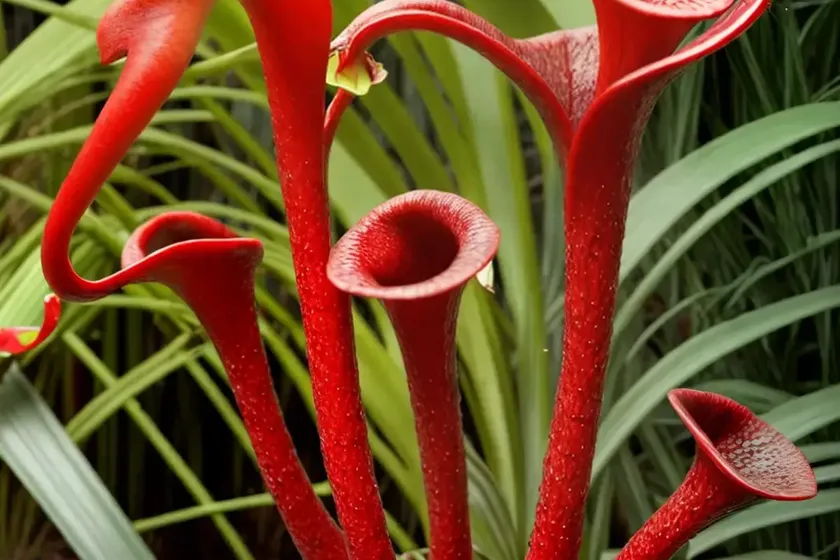
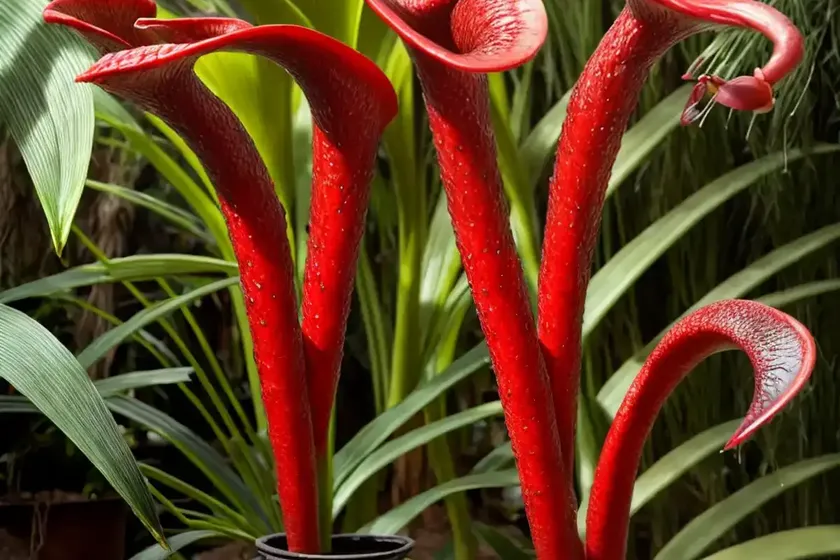
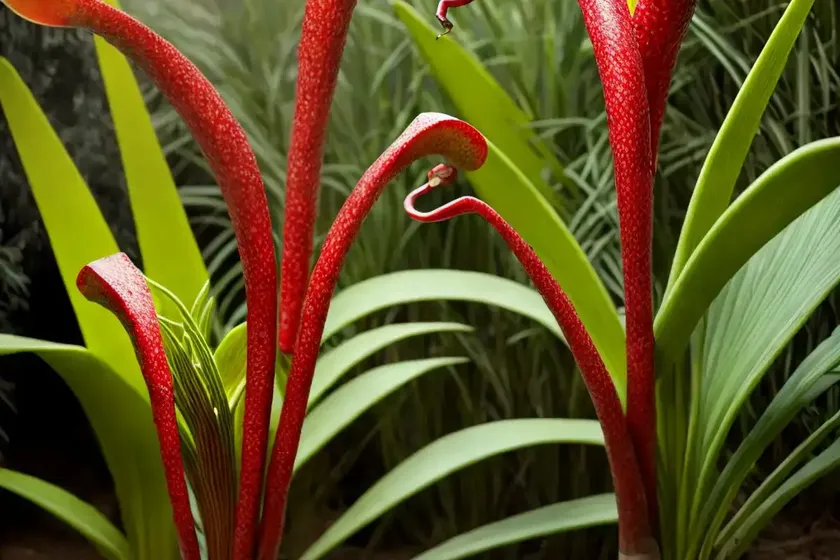
Plants are essential to the functioning of our planet, providing oxygen, food, and habitat for countless organisms. Among the diverse array of plant species, the pitcher plant (Sarracenia flava ‘Giant Red Tube’) stands out for its unique characteristics and fascinating adaptations. In this extensive guide, we will explore various aspects of this extraordinary plant, including its habitat, care requirements, and potential uses. Whether you’re a seasoned botanist, a beginner with a passion for plants, or simply intrigued by the natural world, this comprehensive exploration of the pitcher plant is sure to captivate your interest.
What is the Pitcher Plant (Sarracenia flava ‘Giant Red Tube’)?
The pitcher plant, scientifically known as Sarracenia flava ‘Giant Red Tube’, is a carnivorous plant species that belongs to the Sarraceniaceae family. This unique plant is native to the southeastern United States, where it thrives in wet, nutrient-poor environments such as bogs and wet savannas. The pitcher plant is renowned for its distinct pitcher-shaped leaves that act as pitfall traps, attracting, capturing, and digesting insects as a supplementary source of nutrients.
Key Takeaways – Sarracenia flava ‘Giant Red Tube’
Before delving into the specifics of caring for the pitcher plant, let’s take a closer look at some key takeaways that define this captivating plant species.
- Scientific Name: Sarracenia flava ‘Giant Red Tube’
- Common Name: Pitcher Plant
- Family: Sarraceniaceae
- Habitat: Wet, nutrient-poor environments in the southeastern United States
- Notable Feature: Pitcher-shaped leaves that function as pitfall traps for insects
- Diet: Carnivorous, supplementing its nutritional needs through insect consumption
Now that we’ve established a foundational understanding of the pitcher plant, let’s explore the various facets of caring for and appreciating this remarkable species.
Culture
Cultivating the pitcher plant requires a nuanced understanding of its natural habitat and specific care needs. To provide an optimal environment for the plant to thrive, consider the following factors:
Water
Given its native habitat in wetland areas, the pitcher plant has adapted to environments with ample moisture. When cultivating the plant, it’s essential to ensure consistently moist conditions, akin to the conditions found in its natural range. While the plant thrives in moist soil conditions, it’s crucial to avoid water stagnation, which can lead to root rot and other complications.
Sunlight
As a species native to sunny, open habitats, the pitcher plant thrives in bright, indirect sunlight. In a garden setting, ensure that the plant receives at least 6-8 hours of sunlight each day. When grown indoors, place the pitcher plant near a south-facing window to provide ample light for its photosynthetic needs.
Fertilizer
Given its carnivorous nature, the pitcher plant derives essential nutrients from the insects it captures and digests. As such, traditional fertilization methods are not necessary or recommended for this species. In fact, the use of standard plant fertilizers can be detrimental to the pitcher plant’s health, potentially leading to adverse effects on its specialized adaptations.
Soil
The pitcher plant thrives in nutrient-poor, acidic soil, mirroring the conditions found in its natural habitat. When preparing the soil for cultivation, consider using a well-draining, acidic potting mix with a pH range of 4.5-5.5. Incorporating organic materials such as sphagnum moss and perlite can help replicate the pitcher plant’s native soil conditions.
Pruning
One of the notable characteristics of the pitcher plant is its ability to maintain its pitcher-shaped leaves for extended periods, serving as effective traps for unsuspecting insects. As such, traditional pruning practices, commonly associated with ornamental plants, are not necessary for the pitcher plant. However, periodically removing any dead or decaying pitchers can help maintain the plant’s overall aesthetic appeal and prevent potential pest and disease issues.
Propagation
Propagating the pitcher plant can be achieved through various methods, including division, seed germination, and leaf cuttings. Each approach offers unique advantages and considerations, contributing to the propagation success of this captivating plant species.
Division
Dividing established pitcher plants involves carefully separating the plant’s rhizomes or offshoots to create new, independent plants. This method is particularly effective for mature pitcher plants with multiple growth points, allowing for the creation of multiple thriving specimens.
Seed Germination
While seed germination may require more time and patience compared to other propagation methods, it offers a unique opportunity to observe the complete growth cycle of the pitcher plant. Sowing fresh pitcher plant seeds in a well-draining, acidic medium can yield promising results, ultimately leading to the development of new, genetically diverse plants.
Leaf Cuttings
Leaf cuttings present a viable means of propagating the pitcher plant, particularly for individuals seeking to expand their plant collection from existing specimens. By carefully selecting healthy, mature leaves and following specific guidelines for successful leaf propagation, enthusiasts can witness the growth and development of new pitcher plants through this method.
Container Popularity
The pitcher plant’s distinctive appearance and captivating carnivorous nature have contributed to its popularity as a container plant. Whether grown indoors or on outdoor patios, cultivating the pitcher plant in containers provides a versatile option for plant enthusiasts. Additionally, this approach allows for greater control over environmental factors such as soil composition, moisture levels, and sunlight exposure.
Common Diseases
Maintaining optimal growing conditions is crucial for mitigating the risk of diseases that can affect the pitcher plant. While the plant exhibits natural resilience to many common plant ailments, understanding potential disease issues and their respective preventive measures is essential for ensuring the long-term health of the pitcher plant.
Disease Diagnosis
The pitcher plant may be susceptible to certain diseases, including fungal infections and bacterial issues, especially in improperly maintained growing conditions. Promptly identifying and addressing signs of disease, such as wilting or discoloration, is critical for effectively diagnosing and treating potential ailments.
Common Pests
As a carnivorous plant that naturally preys on insects, the pitcher plant exhibits unique adaptations that serve as effective deterrents against many common plant pests. However, certain pests, such as aphids and spider mites, may still pose a threat to the pitcher plant, particularly in indoor settings. Vigilance and proactive pest management strategies are essential for preserving the plant’s health and vitality.
As a plant scientist with a passion for botanical exploration, I offer the following tips for enthusiasts seeking to cultivate and appreciate the remarkable pitcher plant:
-
Embrace the Carnivorous Nature: Appreciate the pitcher plant’s unique feeding habits and the intricate adaptations that have evolved to facilitate its carnivorous lifestyle. Observing the plant’s interactions with its insect prey can be a fascinating and educational experience.
-
Mimic Natural Habitat: Strive to replicate the pitcher plant’s natural habitat, providing conditions that parallel its native environment to promote optimal growth and vitality. Attention to factors such as soil composition, moisture levels, and sunlight exposure can significantly influence the plant’s well-being.
-
Educational Engagement: Share the captivating story of the pitcher plant with others, serving as an advocate for plant conservation and ecological awareness. Explore educational opportunities to showcase the plant’s unique adaptations and ecological significance.
Uncover the intriguing allure of the pitcher plant with these captivating fun facts:
-
The pitcher plant’s distinct pitchers function as modified leaves that have evolved to attract, capture, and digest insect prey, serving as an essential nutrient source for the plant.
-
Some species of pitcher plants have developed specialized adaptations, such as slippery surfaces and nectar-secreting glands, to lure and entrap unsuspecting insects within their pitchers.
-
The diverse array of pitcher plant species exhibits remarkable variations in size, coloration, and ecological adaptations, reflecting the plant’s extensive evolutionary history and ecological diversity.
Delve deeper into the world of the pitcher plant with these external resources:
- International Carnivorous Plant Society
- North American Sarracenia Conservancy
- Botanical Society of America
- Royal Horticultural Society – Carnivorous Plants Guide
With its captivating carnivorous adaptations and remarkable ecological significance, the pitcher plant (Sarracenia flava ‘Giant Red Tube’) stands as a testament to the intricate beauty of the plant kingdom. By nurturing an understanding of its unique characteristics and cultivating environments that mirror its natural habitat, plant enthusiasts can partake in an enriching exploration of this extraordinary species. Whether embarking on a botanical journey in the great outdoors or tending to a container-grown specimen, the pitcher plant offers a captivating glimpse into nature’s boundless diversity and ingenuity.


