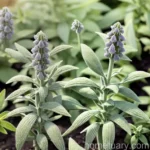
The Wonders of Common Sage (Salvia officinalis ‘Sage of Bath’)
The world of plants is rich and diverse, offering a wide array of species that captivate the imagination and satisfy various human needs. Common sage (Salvia officinalis), also known as ‘Sage of Bath’, is an herb that has a long history of use in culinary, medicinal, and decorative applications. In this comprehensive guide, we will delve into the intriguing world of common sage, covering its characteristics, growth requirements, uses, and much more.
What is Common Sage (Salvia officinalis ‘Sage of Bath’)?
Common sage, scientifically known as Salvia officinalis, belongs to the Lamiaceae family and is native to the Mediterranean region. It is a perennial, evergreen subshrub with woody stems, grayish-green leaves, and a pleasant herbal fragrance. ‘Sage of Bath’ is a specific variety of Salvia officinalis, cherished for its ornamental and culinary value. The leaves of common sage are widely used as a flavorful and aromatic herb in cooking, and the plant has a rich history of traditional medicinal uses.
Key Takeaways – Common Sage (Salvia officinalis ‘Sage of Bath’)
Common sage, including the ‘Sage of Bath’ variety, offers numerous benefits and versatile applications that make it a valuable addition to any garden or kitchen. Here are the key takeaways that we will explore in further detail:
- Culture
- Uses
- Water
- Sunlight
- Fertilizer
- Soil
- Pruning
- Propagation
- Container Popularity
- Common Diseases
- Disease Diagnosis
- Common Pests
- Botanist’s Tips
- Fun Facts
- Links to External Resources
Now, let’s dive into each of these aspects to gain a profound understanding of common sage and its ‘Sage of Bath’ variety.
Culture of Common Sage
Understanding the cultural requirements of common sage is essential for successfully growing and nurturing this remarkable herb. Whether you are a seasoned gardener or just embarking on your gardening journey, the cultural aspects of common sage are crucial for ensuring its health and vitality.
Water
Common sage is known for its drought tolerance and prefers well-drained soil, making it imperative not to overwater the plant. Overly moist conditions can lead to root rot and other detrimental issues. When watering common sage, it is best to allow the soil to dry out slightly between waterings. The frequency of watering may vary based on environmental conditions, but as a general rule, it is recommended to water the plant deeply but infrequently.
Sunlight
In terms of sunlight requirements, common sage thrives in full sunlight. It performs best when provided with at least 6-8 hours of direct sunlight per day. Adequate sunlight not only promotes robust growth but also enhances the aromatic and flavorful properties of the leaves. If you are growing common sage indoors, ensure that it is placed near a sunny window or provided with supplemental grow lights to simulate the intensity of natural sunlight.
Fertilizer
When it comes to fertilizer, common sage is not overly demanding. In fact, excessively rich soil can lead to lush foliage but diminished essential oil content and flavor. A balanced, organic fertilizer applied sparingly in the spring can support healthy growth without encouraging excessive lushness. Avoid high-nitrogen fertilizers, as they can adversely affect the flavor and aroma of the leaves.
Soil
Common sage thrives in well-drained, slightly alkaline to neutral soil with a pH range between 6.0 and 7.0. Sandy loam or loamy soil types are ideal for cultivating this herb. It is essential to ensure proper drainage to prevent waterlogging, which can be achieved by amending the soil with organic matter such as compost or well-rotted manure. Additionally, good air circulation around the base of the plant can help prevent moisture-related issues.
Uses of Common Sage
Common sage offers a wealth of uses that make it a cherished addition to both the herb garden and the kitchen. From culinary applications to medicinal uses, the versatility of common sage is truly remarkable.
Culinary Uses
One of the most prominent uses of common sage is its culinary applications. The leaves of the plant are highly valued for their aromatic flavor, which is often described as savory, slightly peppery, and earthy. Common sage is a key ingredient in various cuisines, particularly Mediterranean and European, where it is used to flavor meats, soups, stews, sauces, and stuffing. It pairs exceptionally well with poultry, pork, and roasted vegetables, adding a distinctive savory note to dishes.
Medicinal Properties
In addition to its culinary uses, common sage has a long history of traditional medicinal applications. It is renowned for its anti-inflammatory, antioxidant, and antimicrobial properties. Sage tea, made from the leaves of the plant, has been used to soothe sore throats, alleviate digestive discomfort, and support overall well-being. The essential oil derived from common sage is also valued for its potential health benefits and is used in aromatherapy and natural wellness practices.
Decorative and Fragrance
Beyond its culinary and medicinal uses, common sage is often cultivated for its ornamental value. The silvery-gray leaves and delicate purple-blue flowers add beauty and texture to herb gardens, perennial borders, and rock gardens. The aromatic foliage releases a pleasant scent when brushed against or crushed, creating an inviting and sensory-rich environment.
Pruning Common Sage
Pruning is an important aspect of caring for common sage, as it helps maintain the plant’s vigor, shape, and overall health. Regular pruning also encourages the production of fresh, tender leaves and prevents the plant from becoming overly leggy or woody.
Pruning Technique
Pruning common sage is relatively straightforward and can be done using pruning shears or scissors. It is best to prune the plant in the spring, just as new growth begins to emerge. During the growing season, periodic light pruning can be performed to remove any spent flower spikes, shape the plant, and encourage bushy growth.
Flower Pruning
Removing the spent flower spikes not only promotes continued flowering but also directs the plant’s energy towards leaf production. If you wish to harvest the flowers for decorative or culinary purposes, it is best to do so before they fully open. This ensures that the plant’s energy remains concentrated on leaf growth and essential oil production.
Woody Growth Removal
As common sage ages, it may develop woody stems and become sparse at its base. To rejuvenate the plant and maintain its vitality, woody growth can be pruned back by up to one-third. This encourages new growth from the base, resulting in a more compact and vigorous plant.
Propagation of Common Sage
Propagating common sage is a rewarding and cost-effective way to expand your herb garden or share the plant with friends and family. Several methods can be employed to propagate common sage, each offering its own advantages and considerations.
Seed Propagation
Growing common sage from seed is an accessible and straightforward method of propagation. The seeds are sown in well-prepared, moist soil in early spring after the last frost date. To aid germination, the seeds can be stratified in the refrigerator for a few weeks before sowing. Once established, the seedlings can be thinned to achieve the desired spacing, typically 18-24 inches apart.
Stem Cuttings
Propagating common sage from stem cuttings is an efficient method that yields consistent results. The cuttings are typically taken in the spring from the soft, non-flowering shoots. After removing the lower leaves, the cuttings are placed in a well-draining rooting medium, such as a mix of perlite and peat moss. With adequate warmth, moisture, and humidity, the cuttings root readily and can be transplanted once they have established a healthy root system.
Division
Dividing established common sage plants is another means of propagation that can rejuvenate the mother plant and generate new specimens. This method is typically performed in the early spring or fall when the plant is dormant. The root ball is carefully divided into sections, each containing healthy roots and shoots, before being replanted in prepared soil. Providing ample moisture and protection from direct sunlight supports the establishment of divided sage plants.
Container Popularity of Common Sage
The compact growth habit and adaptability of common sage make it well-suited for container cultivation. Whether you have limited outdoor space or simply prefer the convenience of growing herbs indoors, common sage can thrive in containers with the proper care and attention.
Choosing the Right Container
When selecting a container for common sage, opt for a vessel that provides ample room for root development and has drainage holes to prevent waterlogging. A moderately sized pot with a diameter of 12-16 inches is suitable for accommodating the plant’s growth. Porous materials such as terracotta or ceramic containers are preferable, as they allow for air exchange and regulate moisture levels.
Container Soil
A well-draining, lightweight potting mix is essential for container-grown common sage. A blend of peat moss, perlite, and compost provides the necessary structure, aeration, and moisture retention. It is advisable to avoid using heavy garden soil, as it can lead to poor drainage and compaction within the container.
Indoor Placement
When growing common sage indoors, place the container in a sunny location where the plant can receive at least 6-8 hours of direct sunlight each day. An east or south-facing windowsill is often ideal for providing the requisite light intensity. Additionally, adequate air circulation and consistent temperatures contribute to the plant’s overall health and productivity.
Common Diseases of Common Sage
While common sage is relatively resilient, it can be susceptible to certain diseases if its growing conditions are unfavorable or if it is exposed to prolonged moisture and humidity. Being aware of common sage diseases and their symptoms can help in timely intervention and effective management.
Powdery Mildew
Powdery mildew is a fungal disease that commonly affects common sage and is characterized by the appearance of powdery, white patches on the leaves. Additionally, the affected foliage may become distorted, wilt, or exhibit stunted growth. Powdery mildew thrives in humid conditions and can be mitigated by ensuring adequate air circulation, avoiding overhead watering, and using preventative fungicidal sprays.
Root Rot
Excessive soil moisture and poor drainage can lead to root rot, a condition caused by waterlogged soil and opportunistic pathogens. Symptoms of root rot include wilting, yellowing, and eventual collapse of the plant. To prevent root rot, it is essential to cultivate common sage in well-draining soil, water judiciously, and avoid water stagnation around the plant’s roots.
Disease Diagnosis and Management
Early diagnosis and appropriate management strategies are critical for effectively addressing common sage diseases. The following measures can aid in disease identification and control:
- Regular Monitoring: Vigilantly observe the plant for any signs of discoloration, wilting, or unusual growth.
- Cultural Practices: Adopt cultural practices that promote good airflow, proper drainage, and overall plant vigor.
- Pruning: Remove and dispose of any affected plant parts to prevent the spread of diseases.
- Fungal Treatments: Utilize fungicidal sprays or natural remedies to combat fungal infections and maintain plant health.
Common Pests Affecting Common Sage
In addition to diseases, common sage can be impacted by several pests that may compromise its growth and vitality. Understanding the signs and management techniques for common sage pests is integral to preserving the health and productivity of the plant.
Aphids
Aphids are small, sap-sucking insects that can infest the tender growth of common sage, causing distorted leaves and a decline in plant vigor. They are often found clustered on the undersides of leaves and can reproduce rapidly if left unchecked. Insecticidal soap or neem oil applications can effectively manage aphid populations without harming beneficial insects.
Spider Mites
Spider mites are tiny arachnids that feed on the sap of plants, including common sage, and create fine webbing on the affected foliage. The presence of spider mites may result in stippled, discolored leaves and diminished plant resilience. Regularly spraying the plant with water and employing predatory mites can help control spider mite infestations.
Whiteflies
Whiteflies are small, winged insects that congregate on the undersides of leaves and consume plant sap. A white, powdery substance on the leaves is often indicative of their presence. Insecticidal sprays and yellow sticky traps are effective tools for managing whitefly infestations and protecting common sage from damage.
Botanist’s Tips for Growing Common Sage
To optimize the growth and vitality of common sage, it is valuable to heed the following tips and recommendations from experienced botanists and gardeners:
- Selective Harvesting: When harvesting leaves for culinary or medicinal use, selectively pluck mature leaves from the outer portions of the plant, allowing the inner leaves to continue developing.
- Overwintering: In regions with cold winters, protect common sage from frost by mulching around the base of the plant or providing temporary cover using frost cloth or blankets.
- Companion Planting: Pair common sage with compatible companion plants such as rosemary, thyme, and lavender to create a synergistic and mutually beneficial garden environment.
Fun Facts about Common Sage
Discovering the intriguing and lesser-known aspects of common sage adds depth to our understanding of this extraordinary herb. Here are some fascinating and fun facts about common sage:
- Historical Significance: Common sage has been historically revered for its symbolic and ceremonial significance, with various cultures associating it with wisdom, longevity, and protection from evil.
- Myth and Legend: In ancient folklore, common sage was believed to possess mystical properties and was deemed an emblem of strength and immortality.
- Cultural Heritage: The use of common sage in traditional European cuisines dates back centuries, with recipes and culinary practices handed down through generations.
External Resources for Further Exploration
For those intrigued by the diverse facets of common sage and ‘Sage of Bath’, the following external resources provide valuable insights and in-depth information:
- The Herb Society – Sage Varieties
- RHS Growing Sage
- National Institute of Health – Medicinal Uses of Sage
- University of Maryland Medical Center – Sage
- The Kitchn – Sage: The Guide to Growing and Using
In conclusion, common sage, encompassing the ‘Sage of Bath’ variety, captivates our senses with its fragrant foliage, culinary prowess, and potential health benefits. This remarkable herb embodies a rich tapestry of traditions, practicality, and sensory delight, making it a timeless favorite in herb gardens and kitchens worldwide. Whether you are a novice gardener or a seasoned enthusiast, embarking on a journey with common sage is a rewarding and enlightening experience that celebrates nature’s bountiful gifts.
As you explore the diverse applications and nuances of common sage, may you discover the beauty and resilience inherent in this cherished herb, and may its presence grace your garden and culinary creations with abundance and joy.