American Arborvitae (Thuja Occidentalis ‘Sherwood Frost’)
As a plant scientist, I am excited to delve into the world of American arborvitae, specifically the Thuja occidentalis ‘Sherwood Frost’ variety. This.
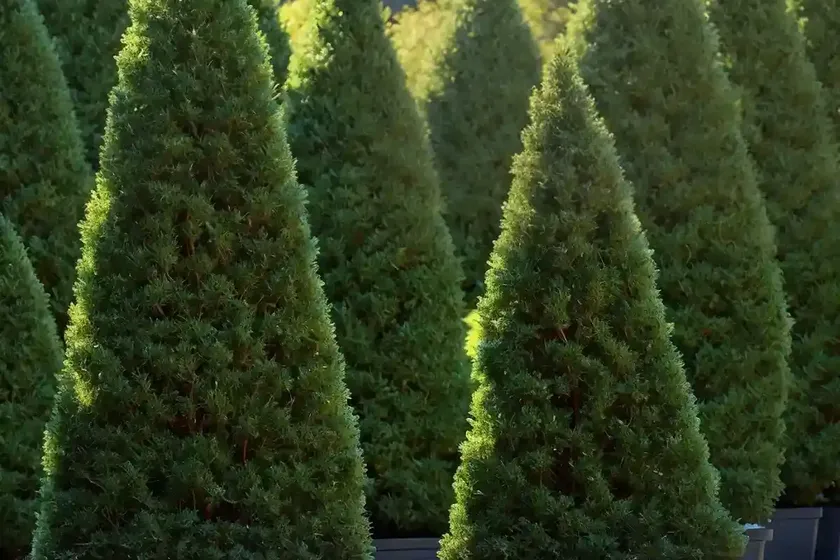
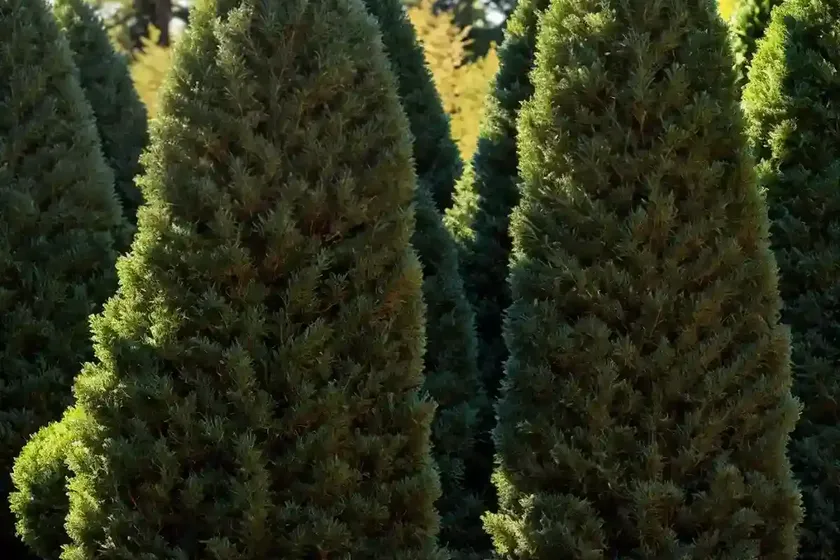
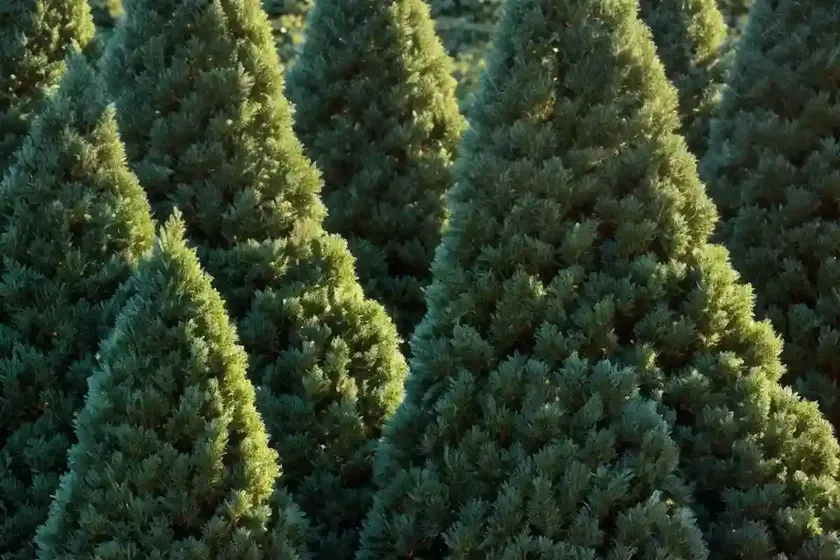
As a plant scientist, I am excited to delve into the world of American arborvitae, specifically the Thuja occidentalis ‘Sherwood Frost’ variety. This elegant evergreen conifer holds significant value in gardening and landscaping due to its unique characteristics and versatility. Throughout this comprehensive guide, you will gain a deep understanding of the American arborvitae, from its fundamental features to its cultural requirements, uses, maintenance, and dealing with common diseases and pests.
What is American Arborvitae (Thuja occidentalis ‘Sherwood Frost’)?
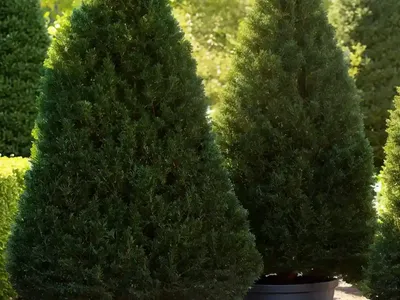
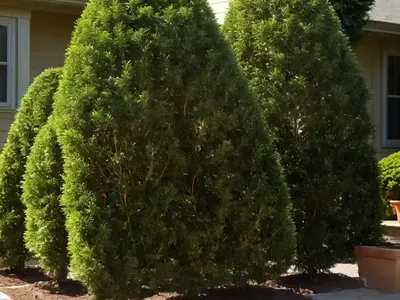
American arborvitae, scientifically known as Thuja occidentalis, is a species of Thuja, native to eastern Canada and the northeastern United States. The ‘Sherwood Frost’ cultivar is celebrated for its striking foliage, which displays a lovely blend of green and creamy white, enhancing its aesthetic appeal. This columnar conifer makes an excellent addition to gardens, providing year-round interest with its captivating foliage texture and coloration.
Key Takeaways – American Arborvitae (Thuja occidentalis ‘Sherwood Frost’)
Before we delve deeper into the cultivation and care of this remarkable plant, let’s outline the key takeaways of American arborvitae (Thuja occidentalis ‘Sherwood Frost’):
- Scientific Name: Thuja occidentalis ‘Sherwood Frost’
- Common Name: American arborvitae
- Plant Type: Evergreen conifer
- Foliage: Green with creamy white tips
- Growth Habit: Columnar
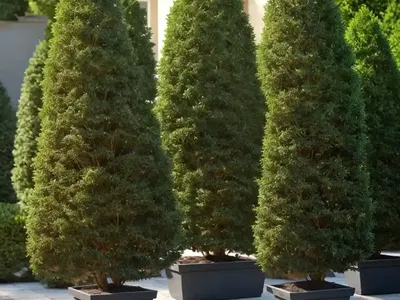
- Uses: Privacy screening, landscaping, container gardening
Now, let’s explore the various aspects of cultivating and caring for American arborvitae (Thuja occidentalis ‘Sherwood Frost’), enabling you to nurture this plant successfully and witness its beauty in your garden.
Culture
Understanding the cultural requirements of American arborvitae is pivotal for ensuring its optimal growth and development. Let’s explore the essential cultural considerations, including water, sunlight, fertilizer, soil, and pruning.
Water
Water plays a crucial role in the well-being of American arborvitae, especially during its initial establishment and periods of drought. Proper watering practices are essential to maintain the plant’s vigor and health.
- Watering Guidelines:
- Establishment: Provide frequent watering during the initial planting phase to facilitate root establishment.
- Drought Periods: During dry spells, ensure sufficient watering to prevent moisture stress and promote overall health.
Sunlight
Sunlight requirements significantly impact the growth and appearance of American arborvitae. Understanding its sunlight needs is fundamental for optimal cultivation.
- Sun Requirements:
- Sun Exposure: Prefers full to partial sunlight.
- Optimal Position: Choose a location with adequate sunlight for the best growth and foliage coloration.
Fertilizer
Appropriate fertilization contributes to the vigor and vitality of American arborvitae. Understanding the specific fertilization requirements is crucial for promoting healthy growth.
- Fertilizing Tips:
- Fertilizer Type: Utilize a balanced, slow-release fertilizer to provide essential nutrients.
- Application Frequency: Apply fertilizer in spring to support the plant’s growth and development.
Soil
Understanding the soil preferences of American arborvitae is essential for creating an ideal growing environment. Soil composition and drainage play vital roles in the plant’s overall health.
- Soil Requirements:
- Well-Draining Soil: Ensure the soil provides proper drainage to prevent waterlogging.
- pH Level: Prefers slightly acidic to neutral soil conditions.
Pruning
Pruning is an essential aspect of maintaining the desired shape and size of American arborvitae. Proper pruning techniques contribute to its aesthetic appeal and overall health.
- Pruning Techniques:
- Formative Pruning: Shape the plant during its early years to establish the desired growth pattern.
- Maintenance Pruning: Regularly trim and shape the foliage to maintain an attractive appearance.
Uses
American arborvitae (Thuja occidentalis ‘Sherwood Frost’) offers versatile uses in garden and landscaping settings, making it a valuable addition to diverse outdoor environments.
Best Uses for American Arborvitae
Understanding the optimal applications of American arborvitae enables gardeners and landscapers to harness its potential for various purposes.
- Privacy Screening: Utilize American arborvitae to create natural privacy screens and visual barriers in outdoor spaces.
- Landscaping: Incorporate American arborvitae in landscape designs to add texture, structure, and visual interest.
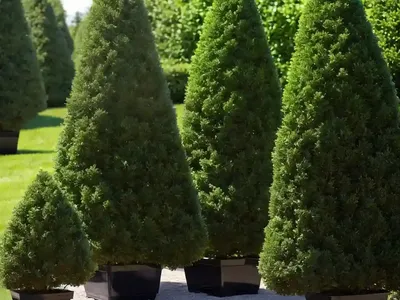
- Container Gardening: Cultivate American arborvitae in containers to adorn patios, entryways, and outdoor living areas.
Landscaping Ideas
Incorporating American arborvitae (Thuja occidentalis ‘Sherwood Frost’) into landscape designs offers boundless opportunities for creating captivating outdoor spaces.
- Hedging: Create formal or informal hedges using American arborvitae to define garden borders or pathways.
- Focal Points: Utilize American arborvitae as focal points in garden beds or mixed borders, showcasing its elegant foliage.
Maintenance
Maintaining the health and vigor of American arborvitae (Thuja occidentalis ‘Sherwood Frost’) involves various tasks and considerations, ensuring its continued beauty and vitality.
Pruning Schedules
Establishing a consistent pruning schedule is integral to maintaining the shape and aesthetic appeal of American arborvitae.
- Pruning Timing: Conduct pruning during the plant’s dormant season to minimize stress and promote recovery.
Winter Care
Winter presents unique challenges for American arborvitae, necessitating specific care to safeguard its well-being during the colder months.
- Winter Protection: Provide insulation and protection for the plant to shield it from harsh winter conditions.
- Snow Removal: Gently remove snow from the foliage to prevent damage and breakage.
Mulching Techniques
Applying mulch around the base of American arborvitae offers numerous benefits, contributing to moisture retention and soil health.
- Mulch Application: Apply a layer of organic mulch around the plant, ensuring it does not directly contact the trunk.
- Moisture Retention: Mulch helps retain soil moisture and regulates temperature, benefiting the plant’s root system.
Common Diseases
Understanding and identifying common diseases affecting American arborvitae is essential for implementing timely interventions and preserving the plant’s health.
Disease Diagnosis
Being able to recognize the symptoms and signs of prevalent diseases enables proactive management and treatment of potential issues.
Common Diseases Include
- Cedar Apple Rust: Identified by orange, gelatinous growths on the foliage.
- Kabatina Tip Blight: Manifests as brown or black discoloration on the tips of branches.
- Volutella Blight: Characterized by pink or orange spore masses on affected foliage.
Disease Prevention
Implementing preventive measures is crucial for safeguarding American arborvitae from common diseases.
- Cultural Practices: Promote good air circulation and proper pruning to reduce disease incidence.
- Monitoring: Regularly inspect the plant for early signs of diseases, enabling prompt intervention.
Common Pests
Pests pose potential threats to the health and appearance of American arborvitae. Identifying common pests is pivotal for implementing suitable control measures.
Common Pests Include
- Bagworms: Larvae encase themselves in spindle-shaped bags, feeding on the foliage.
- Spider Mites: These tiny pests cause stippling and webbing on the plant’s leaves.
- Scale Insects: Recognized by their immobile appearance and waxy coatings on the foliage.
Pest Control Methods
Employing effective pest control measures is essential for mitigating the impact of pests on American arborvitae.
- Natural Predators: Encourage beneficial insects and natural predators to manage pest populations.
- Horticultural Oils: Use horticultural oils to suffocate and control pests such as spider mites and scale insects.
Botanist’s Tips
As a plant scientist, I offer valuable insights and recommendations for the successful cultivation and care of American arborvitae (Thuja occidentalis ‘Sherwood Frost’).
Tips for Successful Cultivation
- Adequate Spacing: Provide sufficient spacing between plants to facilitate good air circulation and healthy growth.
- Regular Monitoring: Vigilantly monitor the plant for signs of diseases, pests, and environmental stresses.
- Seasonal Considerations: Tailor care and maintenance practices according to the plant’s needs during different seasons.
Fun Facts
Uncover intriguing and captivating fun facts about American arborvitae, shedding light on its unique characteristics and ecological significance.
- Wildlife Benefits: American arborvitae provides shelter and food for various wildlife, including birds and small mammals.
- Longevity: With proper care, American arborvitae can thrive for several decades, enriching outdoor spaces for generations.
- Cultural Significance: Native American tribes utilized various parts of the arborvitae for medicinal and practical purposes.
Links to External Resources
To further enhance your knowledge and understanding of American arborvitae (Thuja occidentalis ‘Sherwood Frost’), I have compiled a list of reputable external resources that offer authoritative insights and guidance on plant care and cultivation.
- American Arborvitae: A Natural Privacy Screen
- Thuja occidentalis ‘Sherwood Frost’ – Plant Finder
- How to Care for Your American Arborvitae
With the comprehensive knowledge and insights gained from this guide, you are well-equipped to embark on a rewarding journey of cultivating and nurturing American arborvitae (Thuja occidentalis ‘Sherwood Frost’) in your garden or outdoor space. By applying the recommended practices and techniques, you can witness the captivating beauty and enduring elegance of this remarkable evergreen conifer, contributing to the richness of your natural surroundings.