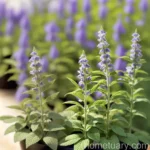
Plant Profile: Mealycup Sage (Salvia farinacea)

Introduction
Mealycup sage (Salvia farinacea) is a beautiful and versatile plant that belongs to the Salvia genus, which is a part of the mint family (Lamiaceae). Native to the Southwestern United States and parts of Mexico, this perennial plant is known for its vibrant blue flowers and silvery-green foliage. It is a low-maintenance, drought-tolerant, and highly attractive plant that can liven up any garden or landscape. In this comprehensive guide, we will explore the various aspects of growing and caring for mealycup sage, from its cultural requirements to its uses, and much more.
Key Takeaways – Mealycup Sage (Salvia farinacea)
Here are the central points we will cover in this guide:
- Culture
- Ideal growing conditions
- USDA hardiness zones
- Uses
- Ornamental uses
- Medicinal and culinary uses
- Water
- Watering needs and frequency
- Drought tolerance
- Sunlight
- Sun exposure requirements
- Tolerances to shade
- Fertilizer
- Feeding frequency and types
- Organic vs. synthetic options
- Soil
- Soil preferences
- pH and drainage requirements
- Pruning
- Techniques for maintaining shape
- Timing and frequency
- Propagation
- Methods for multiplying plants
- Seed propagation and division
- Container Popularity
- Suitable for containers
- Considerations for potting
- Common Diseases
- Identification and management
- Prevention tips
- Common Pests
- Pests affecting mealycup sage
- Natural and chemical control methods
- Botanist’s Tips
- Expert advice for successful growth
- Enhancing plant performance
- Fun Facts
- Intriguing and unique information about mealycup sage
With these key points in mind, let’s dive into the specifics of cultivating and caring for mealycup sage.
What is Plant: Mealycup Sage (Salvia farinacea)?
Mealycup sage, scientifically known as Salvia farinacea, is an herbaceous perennial that is cherished for its striking blue flowers and aromatic foliage. It is characterized by its upright growth habit and can reach a height of 1 to 3 feet. The narrow, lance-shaped leaves are coated in a silvery-gray fuzz, giving the plant its distinctive “mealy” appearance. The tall spikes of flowers, which bloom from spring to fall, are formed by tightly packed, tubular blossoms that attract bees, butterflies, and hummingbirds.
Culture
Ideal Growing Conditions
Mealycup sage thrives in warm climates and prefers well-draining soil. It is best suited for USDA hardiness zones 8 to 10, where it can receive ample sunlight and warmth. This plant is not only highly drought-tolerant but also exhibits excellent humidity tolerance, making it suitable for a wide range of environments.
Uses
Ornamental Uses
The attractive appearance of mealycup sage makes it a popular choice for ornamental landscaping. It adds splashes of vibrant color to flower beds, borders, and mixed perennial gardens. The tall flower spikes create a stunning visual impact, especially when planted in groups. Furthermore, its aromatic foliage contributes to its appeal, as the leaves release a pleasant fragrance when brushed against.
Medicinal and Culinary Uses
In addition to its ornamental value, some varieties of Salvia farinacea are utilized for their medicinal properties. For instance, certain species are believed to have anti-inflammatory and analgesic effects, and the leaves are sometimes used in traditional herbal remedies. Moreover, the flowers are known for their edible qualities and can be incorporated into culinary creations, such as salads or herbal teas.
Water
Watering Needs and Frequency
When establishing mealycup sage, it is crucial to ensure proper watering to encourage healthy root development. Newly planted specimens should be watered regularly to keep the soil evenly moist, but not waterlogged. Once the plants are established, they are highly drought-tolerant and can thrive with minimal irrigation. However, during prolonged periods of drought, supplemental watering can help maintain plant vigor and flowering.
Sunlight
Sun Exposure Requirements
One of the key factors in successfully growing mealycup sage is providing it with ample sunlight. It thrives in full sun conditions, receiving at least 6 to 8 hours of direct sunlight per day. In partial shade, the plant may exhibit reduced flowering and a more open growth habit. Therefore, it is advisable to position it in a location where it can bask in the sun for the majority of the day.
Fertilizer
Feeding Frequency and Types
Mealycup sage has modest fertilization requirements and generally benefits from a balanced, all-purpose fertilizer applied in spring, as it gears up for the growing season. This initial feeding provides the plant with the nutrients it needs to produce strong, healthy growth and abundant blooms. Additional feeding may be necessary if the plant shows signs of nutrient deficiencies, but excessive fertilization should be avoided to prevent overly lush growth at the expense of flowering.
Soil
Soil Preferences
The ideal soil for mealycup sage is well-draining and moderately fertile. It does not thrive in waterlogged conditions, so it is crucial to plant it in soil that allows excess moisture to escape readily. Sandy loam or loamy soils are suitable options, as they provide good drainage and aeration for the roots. However, this versatile plant can adapt to a variety of soil types, as long as they are not excessively compacted and waterlogged.
Pruning
Techniques for Maintaining Shape
Pruning plays a vital role in keeping mealycup sage tidy and promoting vigorous growth. It is best to prune the plant in late winter or early spring to remove any frost-damaged or overgrown branches. Additionally, deadheading spent flowers throughout the blooming season encourages the formation of new buds and prolongs the floral display. Regular pruning also helps maintain a compact habit and prevents the plant from becoming leggy or unkempt.
Propagation
Methods for Multiplying Plants
Mealycup sage can be propagated through several methods, including seeds, division, and stem cuttings. Each technique requires specific conditions and timing for successful propagation, allowing gardeners to perpetuate their favorite varieties and create new plantings.
Seed Propagation
- Collect seeds from mature mealycup sage plants.
- Sow the seeds in well-draining soil in spring, either indoors or directly in the garden.
- Keep the soil consistently moist until the seeds germinate, typically within 2 to 3 weeks.
- Transplant the seedlings to their permanent locations once they develop several sets of true leaves.
Division
- Dig up established mealycup sage plants in early spring or fall.
- Gently separate the clumps into smaller sections, ensuring that each division has a portion of the root system and several healthy shoots.
- Replant the divisions at the same depth as the parent plant, and water them thoroughly.
Stem Cuttings
- Take 4 to 6-inch stem cuttings from healthy, non-flowering shoots.
- Remove the lower leaves from the cuttings and dip the cut ends in a rooting hormone.
- Plant the cuttings in a well-draining rooting medium and maintain a consistently moist environment until roots develop.
Container Popularity
Suitable for Containers
Given its moderate size and attractive appearance, mealycup sage is well-suited for container gardening. It thrives in large pots or containers filled with well-draining, nutrient-rich soil. Placing containers of mealycup sage on patios, balconies, or porches not only brings color and fragrance to outdoor living spaces but also allows gardeners to easily move the plants to favorable locations as needed.
Common Diseases
Identification and Management
Mealycup sage is generally resistant to most diseases, particularly when grown in favorable conditions. However, some issues can arise, including powdery mildew, root rot, and fungal leaf spots. Proper cultural practices, such as providing adequate air circulation and avoiding overhead watering, can help minimize the risk of diseases. Additionally, promptly addressing any signs of disease and utilizing appropriate control measures, such as organic fungicides, can prevent the spread of infections.
Common Pests
Pests Affecting Mealycup Sage
While mealycup sage is relatively pest-resistant, it can occasionally be affected by common garden pests such as aphids, spider mites, and whiteflies. These pests may cause damage to the foliage and flowers, potentially reducing the plant’s overall vigor. Regular monitoring and early intervention with techniques such as insecticidal soaps or predatory beneficial insects can help mitigate pest pressures and protect the plant’s health.
Botanist’s Tips
Expert Advice for Successful Growth
To maximize the performance and visual appeal of mealycup sage, consider the following tips from botanists and horticultural experts:
- Promote beneficial wildlife: Integrate mealycup sage into wildlife-friendly gardens to attract pollinators, including bees and butterflies, as well as beneficial insects.
- Embrace diversity: Explore the various cultivars and varieties of mealycup sage to diversify your plantings and enjoy an array of flower colors and growth habits.
- Enhance soil health: Prioritize soil improvement by incorporating organic matter and compost into the planting sites to support the long-term vitality of your mealycup sage.
Fun Facts
Intriguing and Unique Information About Mealycup Sage
- The specific epithet “farinacea” refers to the mealy or flour-like texture of the plant’s leaves, adding to its distinctive appeal.
- The flowers of mealycup sage are known for retaining their color and blooming attractively even in the intense heat of summer, making it a resilient garden performer.
- In traditional herbal medicine, certain species of Salvia, including Salvia farinacea, are used in poultices and infusions to address various health concerns.
With an understanding of the cultural requirements, uses, and characteristics of mealycup sage, you can confidently grow and appreciate this enchanting plant in your outdoor spaces.
Links to External Resources
- Salvia farinacea care tips
- How to grow mealy cup sage
- Salvia farinacea plant care
- Mealy cup sage varieties
- Salvia farinacea propagation methods
- Best soil for mealycup sage
- Sunlight requirements for Salvia farinacea
- Watering needs of mealy cup sage
- Companion plants for Salvia farinacea
- Mealy cup sage pruning techniques
- Salvia farinacea flowering season
- Benefits of growing mealy cup sage
- Common pests and diseases of Salvia farinacea
- Mealy cup sage as a medicinal plant
By consulting these resources, you can further enhance your knowledge and skills in cultivating mealycup sage.
In conclusion, mealycup sage (Salvia farinacea) is a captivating plant with its stunning flowers, aromatic leaves, and versatile applications. By practicing proper care and considering its cultural requirements, you can foster thriving specimens that bring beauty and beneficial attributes to your garden.
As you embark on your journey with mealycup sage, remember to embrace its ornamental, medicinal, and ecological contributions, and revel in the allure of this invaluable addition to your landscape.
Happy gardening!

This comprehensive guide has been prepared by a plant scientist who is passionate about sharing knowledge and empowering gardeners to cultivate plants successfully.