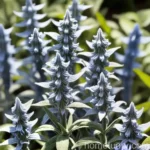
Common Sage (Salvia officinalis ‘Icterina’)
Common sage, also known as Salvia officinalis, is a perennial herb that is popular for its aromatic leaves and culinary uses. The ‘Icterina’ variety of common sage is particularly sought after for its attractive yellow and green variegated leaves. In this comprehensive guide, we will explore the various aspects of common sage (Salvia officinalis ‘Icterina’), including its culture, uses, care tips, and interesting facts.
What is common sage (Salvia officinalis ‘Icterina’)?
Common sage (Salvia officinalis ‘Icterina’) is a member of the Lamiaceae family and is native to the Mediterranean region. It is a woody, perennial subshrub with a long history of culinary, medicinal, and ornamental uses. The ‘Icterina’ variety is characterized by its striking yellow and green variegated leaves, which make it a visually appealing addition to gardens and landscapes.
Key Takeaways – Common Sage (Salvia officinalis ‘Icterina’)
Before diving into the specifics of common sage (Salvia officinalis ‘Icterina’), let’s summarize the key takeaways associated with this herb:
-
Salvia officinalis Icterina: Salvia officinalis ‘Icterina’ is a variegated variety of common sage known for its yellow and green leaves.
-
Culinary Uses: Common sage (Salvia officinalis ‘Icterina’) is prized for its culinary applications, adding flavor to various dishes.
-
Cultural Requirements: This herb thrives in well-drained soil, ample sunlight, and moderate watering.
-
Medicinal Properties: Common sage has a history of medicinal use and is believed to possess various beneficial properties.
With the key takeaways in mind, let’s delve deeper into the culture, uses, and care tips for common sage (Salvia officinalis ‘Icterina’).
Culture
Understanding the cultural requirements of common sage (Salvia officinalis ‘Icterina’) is essential for successfully growing and maintaining this herb. From water and sunlight needs to soil and fertilizer considerations, providing the right environment is crucial for its overall health and vigor.
Water
Proper watering is crucial for the health of common sage (Salvia officinalis ‘Icterina’). While it is important to ensure consistent moisture, it is equally essential to avoid waterlogged conditions. Overwatering can lead to root rot and other issues, so it’s best to allow the soil to dry out slightly between waterings.
Sunlight
Common sage (Salvia officinalis ‘Icterina’) thrives in full sunlight. It is essential to provide it with at least 6-8 hours of direct sunlight daily for optimal growth and development. In regions with extremely hot climates, some partial shade during the hottest part of the day can be beneficial.
Fertilizer
When it comes to fertilizing common sage (Salvia officinalis ‘Icterina’), a balanced fertilizer with an NPK ratio of 10-10-10 can be applied in spring as new growth emerges. Avoid over-fertilizing, as excessive nutrients can lead to lush foliage at the expense of flavor and essential oil production.
Soil
Well-draining soil is essential for common sage (Salvia officinalis ‘Icterina’). It prefers a slightly acidic to neutral pH (6.0-7.0) and thrives in sandy or loamy soil types. Good drainage is crucial to prevent waterlogging, especially during the winter months.
Pruning
Pruning common sage (Salvia officinalis ‘Icterina’) is important for maintaining its shape, promoting new growth, and preventing the plant from becoming woody. Regular pruning also helps to encourage the production of flavorful and aromatic leaves. Prune the herb in early spring to remove dead or damaged stems and promote bushier growth.
Propagation
There are several methods of propagating common sage (Salvia officinalis ‘Icterina’), including seeds, stem cuttings, and division. Each method has its advantages, and the choice of propagation technique may depend on factors such as time, resources, and the specific requirements of the gardener.
Seeds
Growing common sage (Salvia officinalis ‘Icterina’) from seeds can be rewarding, although it may require more time and patience compared to other propagation methods. Start the seeds indoors in early spring and transplant the seedlings outdoors after the last frost date.
Stem Cuttings
Propagating common sage (Salvia officinalis ‘Icterina’) from stem cuttings is a popular method due to its simplicity and effectiveness. Select healthy, non-flowering stems and take 4-6 inch cuttings. Remove the lower leaves and dip the cut end in a rooting hormone before planting in a well-draining potting mix.
Division
Division is another viable method for propagating common sage (Salvia officinalis ‘Icterina’). It involves separating an established plant into smaller sections, each with its own roots. This method is particularly useful for rejuvenating older plants and increasing the herb’s overall population.
Container Popularity
Common sage (Salvia officinalis ‘Icterina’) is well-suited for container gardening, making it a popular choice for individuals with limited outdoor space or those who prefer the convenience of growing herbs indoors. When grown in containers, this herb can thrive on patios, balconies, or windowsills, providing easy access for culinary use.
Container Common Diseases
While container gardening offers various benefits, it is essential to be aware of potential issues that may arise, including common diseases that can affect common sage (Salvia officinalis ‘Icterina’) when grown in containers. Proper care and management can help mitigate these challenges and ensure the herb’s overall health.
Disease Diagnosis
Key indicators of common diseases in container-grown common sage (Salvia officinalis ‘Icterina’) can include wilting, yellowing or browning leaves, unusual spots or lesions, and stunted growth. Fungal pathogens, such as powdery mildew and root rot, are among the common culprits that can impact containerized herbs.
Common Pests
Container-grown common sage (Salvia officinalis ‘Icterina’) may also be susceptible to various pests, including aphids, spider mites, and whiteflies. Regular inspections and proactive pest management strategies can help prevent infestations and minimize the negative impact of these nuisances.
Botanist’s Tips
As a plant scientist, I have observed and studied common sage (Salvia officinalis ‘Icterina’) in various settings. Based on my experience and expertise, I have compiled a list of practical tips to help enthusiasts cultivate and care for this captivating herb.
-
Well-Draining Soil: Ensure that the soil used for growing common sage (Salvia officinalis ‘Icterina’) provides excellent drainage to prevent waterlogged conditions.
-
Pruning Techniques: Regularly prune the herb to maintain its form and encourage the production of fresh, flavorful leaves.
-
Sunlight Requirements: Provide ample sunlight for common sage (Salvia officinalis ‘Icterina’) to promote robust growth and essential oil production.
-
Propagating Methods: Explore different propagation methods, such as stem cuttings and division, to expand the population of common sage (Salvia officinalis ‘Icterina’).
-
Pest Vigilance: Monitor the herb for signs of pest infestations and take proactive measures to address any issues promptly.
Fun Facts
Here are some intriguing and lesser-known facts about common sage (Salvia officinalis ‘Icterina’):
-
Common sage (Salvia officinalis) has a long history of use, dating back to ancient civilizations, where it was revered for its culinary and medicinal properties.
-
The aromatic leaves of common sage (Salvia officinalis ‘Icterina’) contain essential oils that contribute to its distinctive scent and flavor.
-
While common sage is renowned for its culinary uses, it also holds significance in traditional medicine and folklore due to its perceived therapeutic properties.
-
The variegated leaves of the ‘Icterina’ variety add ornamental value to gardens and landscapes, enhancing visual interest with their vibrant colors.
-
Common sage (Salvia officinalis ‘Icterina’) is known to attract pollinators such as bees and butterflies, making it a valuable addition to pollinator-friendly gardens.
-
The botanical name “Salvia” is derived from the Latin word “salvere,” which means “to save” or “to heal,” reflecting the herb’s historical association with healing and well-being.
Links to External Resources
To further enhance your understanding of common sage (Salvia officinalis ‘Icterina’) and its diverse aspects, I have curated a selection of external resources that offer valuable insights and additional information on this herb:
-
The Herb Society – Salvia officinalis (Common Sage) – This resource provides an in-depth look at the culinary and medicinal uses of Salvia officinalis, shedding light on its historical significance and practical applications.
-
Royal Horticultural Society – Sage: Planting, Growing, and Harvesting Sage – Explore this comprehensive guide to discover essential tips for growing and caring for sage, including the ‘Icterina’ variety, in various garden settings.
-
University of Florida IFAS Extension – Growing Herbs in Containers – This resource offers valuable insights into container gardening for herbs, including practical advice on cultivating common sage (Salvia officinalis ‘Icterina’) in containers.
-
USDA Natural Resources Conservation Service – Salvia officinalis ‘Icterina’ Plant Guide – Gain a deeper understanding of the botanical characteristics and ecological significance of Salvia officinalis ‘Icterina’ through this informative plant guide.
In conclusion, common sage (Salvia officinalis ‘Icterina’) is a versatile and visually appealing herb that can enrich gardens, excite taste buds, and contribute to holistic well-being. By understanding its cultural requirements, exploring its uses, and appreciating its unique qualities, enthusiasts can cultivate and enjoy the many benefits of this remarkable herb. Whether it’s for culinary delights, ornamental charm, or therapeutic purposes, common sage (Salvia officinalis ‘Icterina’) continues to captivate and inspire with its timeless allure and diverse applications.