Plant Spotlight: Pineapple Sage (Salvia elegans)
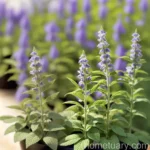
Pineapple sage (Salvia elegans) is a delightful and versatile plant that adds a splash of color and fragrance to any garden or landscape. Known for its vibrant red flowers and sweet pineapple scent, pineapple sage is not only visually appealing but also offers various culinary, medicinal, and aromatic applications. In this comprehensive guide, we’ll explore the cultural requirements, uses, propagation techniques, common diseases and pests, and other valuable insights about this remarkable plant.
What is Pineapple Sage (Salvia elegans)?
Pineapple sage, scientifically known as Salvia elegans, is an herbaceous perennial plant native to Mexico and Guatemala. This plant belongs to the mint family, Lamiaceae, and is closely related to common garden sage (Salvia officinalis). Despite its name, pineapple sage is not related to the pineapple fruit but derives its name from the distinctive sweet pineapple fragrance emitted from its leaves when crushed or brushed against.
The plant is characterized by its vibrant and aromatic foliage, which makes it a popular choice for both ornamental and practical purposes. Pineapple sage is also known for its numerous health benefits, culinary uses, and decorative qualities, making it a valuable addition to any garden or landscape.
Key Takeaways – Pineapple Sage (Salvia elegans)
Before delving deeper into the various aspects of pineapple sage, let’s highlight some key takeaways:
- Health Benefits: Pineapple sage is renowned for its medicinal properties, offering benefits for respiratory health, stress relief, digestive health, and anti-inflammatory support.
- Culinary Uses: The leaves of pineapple sage are used to infuse teas, create flavorful recipes, and add aromatic and visual appeal to culinary dishes.
- Cultural Significance: Pineapple sage is valued for its symbolism, historical significance, and unique folklore across different cultures.
- Aromatic Qualities: The aromatic foliage of pineapple sage makes it a popular choice for aromatherapy, herbal remedies, and natural fragrances.
- Gardening Versatility: With its attractive appearance and adaptable nature, pineapple sage can thrive in various garden settings, including containers, borders, and companion plantings.
Now, let’s explore the specific cultural requirements, uses, propagation methods, common diseases and pests, and other valuable information about pineapple sage.
Culture
Water
Pineapple sage prefers moist but well-draining soil. Regular watering is essential, particularly during dry periods and hot summer months. However, it’s crucial to avoid waterlogging, as excessive moisture can lead to root rot and other fungal issues. A good practice is to water when the top inch of the soil feels dry, ensuring that the plant’s root system receives sufficient hydration without becoming waterlogged.
Sunlight
This herbaceous perennial thrives in full sun to partial shade. It performs best when provided with at least 6 hours of direct sunlight daily, although it can tolerate some shade, especially in regions with intense heat. Adequate sunlight promotes robust growth, abundant flowering, and the development of flavorful foliage.
Fertilizer
When it comes to fertilization, pineapple sage benefits from a balanced, slow-release fertilizer applied in early spring. Avoid excessive nitrogen fertilizers, as they can promote lush foliage at the expense of flower production and overall plant health. Organic fertilizers, such as compost or well-aged manure, can also provide beneficial nutrients and improve soil structure.
Soil
Pineapple sage thrives in well-drained, fertile, and slightly acidic soil with a pH range of 6.0 to 7.0. Amending the soil with organic matter, such as compost or peat moss, can enhance its moisture retention, nutrient content, and overall tilth. Additionally, maintaining adequate soil moisture and aeration is crucial for promoting vigorous growth and minimizing the risk of water-related stress.
Uses
Culinary Purposes
One of the primary uses of pineapple sage is its culinary application. The fragrant leaves of pineapple sage impart a delightful pineapple flavor and aroma, making them a popular ingredient in various culinary creations. Here are some common culinary uses of pineapple sage:
- Herbal Teas: The leaves of pineapple sage can be used fresh or dried to brew flavorful and aromatic herbal teas, offering a refreshing and tropical twist to traditional tea blends.
- Cooking: Pineapple sage leaves are utilized to infuse a subtle pineapple essence into fruit salads, desserts, beverages, and savory dishes. They can be used as a garnish or added directly to recipes to enhance their visual and aromatic appeal.
Medicinal Properties
Pineapple sage contains various phytochemical compounds that contribute to its medicinal properties and potential health benefits. Some key health-promoting properties of pineapple sage include:
- Respiratory Support: The aromatic leaves of pineapple sage are often used to alleviate respiratory discomfort and promote clear breathing. They can be employed in herbal remedies, teas, and steam inhalations to support respiratory health.
- Stress Relief: The pleasing fragrance of pineapple sage offers calming and soothing effects, making it a valuable component in aromatherapy and natural stress relief techniques.
Aromatic and Decorative Qualities
Apart from its practical uses, pineapple sage is also valued for its aesthetic contributions to gardens, landscapes, and indoor spaces. The plant’s vibrant red flowers and lush foliage make it an attractive choice for the following applications:
- Aromatherapy: The aromatic foliage of pineapple sage can be utilized to create essential oils, herbal infusions, and natural fragrances for therapeutic and aromatic purposes.
- Floral Arrangements: The vibrant blooms of pineapple sage serve as eye-catching additions to cut flower arrangements, providing color, texture, and a sweet fragrance to bouquets and displays.
Pruning
Pruning pineapple sage is a beneficial practice that helps maintain plant health, shape, and vigor. Here are some key considerations and techniques for pruning pineapple sage:
- Deadheading: Removing spent flowers promotes continuous blooming and prevents the plant from expending energy on seed production. Deadheading also maintains a tidy appearance and encourages new flower buds to develop.
- Trimming: Lightly trimming the plant throughout the growing season can help control its size, shape, and overall density. Trimming also stimulates new growth and enhances the plant’s aesthetic appeal.
Propagation
Pineapple sage can be propagated through several methods, including seeds, cuttings, and division. Here’s an overview of the common propagation techniques for pineapple sage:
- Seeds: Pineapple sage seeds can be sown indoors or directly in the garden after the last frost date. Starting seeds indoors provides a head start on the growing season and allows for controlled environmental conditions.
- Cuttings: Stem cuttings taken from mature pineapple sage plants can be rooted in a well-draining growing medium to produce new, genetically identical plants. This method is particularly useful for propagating specific cultivars and preserving desirable traits.
- Division: Clumps of established pineapple sage can be divided into smaller sections, each containing roots and shoots, to create multiple plants. Division is an effective way to increase the plant’s population and rejuvenate mature specimens.
Container Popularity
Pineapple sage is well-suited for container gardening, allowing individuals with limited garden space or specific growing conditions to cultivate this delightful plant. Its compact growth habit, colorful foliage, and aromatic qualities make it an excellent choice for container applications. When growing pineapple sage in containers, consider the following tips for success:
- Select a sizable container with adequate drainage holes to accommodate the plant’s root system and promote proper moisture management.
- Use a well-draining potting mix enriched with organic matter to provide essential nutrients, ensure aeration, and support healthy root development.
- Position the container in a location that receives ample sunlight, such as a south-facing patio, deck, or balcony, to encourage robust growth and flowering.
Common Diseases
Pineapple sage is relatively resistant to most common plant diseases when provided with appropriate growing conditions and minimal stress. However, certain environmental factors and cultural practices can increase the plant’s susceptibility to specific issues. Some common diseases that may affect pineapple sage include:
- Powdery Mildew: This fungal disease often manifests as a white, powdery coating on the plant’s leaves, stems, and flowers. Overhead watering, poor air circulation, and high humidity levels can contribute to the development of powdery mildew.
- Root Rot: Excessive soil moisture, poor drainage, and waterlogged conditions can lead to the onset of root rot, causing damage to the plant’s root system and overall decline.
Disease Diagnosis
When diagnosing potential diseases or issues affecting pineapple sage, it’s essential to closely observe the plant and identify specific symptoms and contextual factors. Here are some diagnostic considerations when assessing the health of pineapple sage:
- Visual Symptoms: Look for unusual discoloration, wilting, deformities, or abnormal growth patterns on the foliage, stems, and flowers.
- Environmental Conditions: Assess the prevailing weather, humidity levels, watering practices, and soil moisture to determine if specific environmental factors may be contributing to the plant’s health issues.
- Cultural Practices: Evaluate the plant’s growing conditions, including soil quality, drainage, fertilizer application, and pruning habits, to pinpoint any cultural factors that may be impacting its well-being.
Common Pests
While pineapple sage is generally resistant to many pests, it may occasionally encounter infestations from common garden intruders. Some potential pests that could affect pineapple sage include:
- Aphids: These small, soft-bodied insects feed on plant sap and can cause damage to foliage, distortion of new growth, and the transmission of plant diseases.
- Spider Mites: These tiny arachnids may infest pineapple sage, causing stippling, discoloration, and webbing on the plant’s leaves.
Botanist’s Tips
Fun Facts
- In addition to its culinary and medicinal uses, pineapple sage is also valued for its ability to attract pollinators, such as butterflies, hummingbirds, and bees, to the garden with its vibrant and nectar-rich blooms.
- Pineapple sage has historical and cultural significance in traditional herbal medicine, folklore, and culinary traditions, with various symbolic meanings and uses across different cultures.
- The fragrant leaves of pineapple sage can be used to create natural dyes, offering a sustainable and environmentally friendly alternative for coloring textiles and other materials.
Links to External Resources
For additional information on pineapple sage, its health benefits, culinary uses, and growing tips, explore the following resources:
- Pineapple Sage Health Benefits
- Salvia Elegans Uses
- Growing Pineapple Sage
- Pineapple Sage Care Tips
- Medicinal Properties of Pineapple Sage
- Pineapple Sage Recipes
- Pineapple Sage Cooking Ideas
- Pineapple Sage Tea
- Pineapple Sage in the Kitchen
- Pineapple Sage for Culinary Purposes
- Tips for Growing Salvia Elegans
- Pineapple Sage Varieties
- Pineapple Sage Flowers
- Salvia Elegans Plant Family
- Pineapple Sage Plant Characteristics
Conclusion
Pineapple sage (Salvia elegans) stands out as a captivating and versatile plant with a multitude of uses and potent properties. From its delightful culinary contributions to its aromatic and therapeutic qualities, pineapple sage has earned a well-deserved place in both practical and ornamental horticulture. Whether you’re seeking to enhance your culinary creations, create a fragrant garden retreat, or explore its cultural and historical significance, pineapple sage offers a myriad of possibilities for gardeners, chefs, herbalists, and nature enthusiasts.
By understanding the cultural requirements, uses, propagation techniques, common diseases and pests, and various botanist’s tips associated with pineapple sage, individuals can cultivate, enjoy, and appreciate this remarkable plant to its fullest potential.
Remember to embrace the unique characteristics and diverse applications of pineapple sage, and explore the wealth of resources available to deepen your knowledge and appreciation for this exceptional plant.
This post provides comprehensive insights into the cultural requirements, uses, propagation methods, and essential care tips for pineapple sage (Salvia elegans). By exploring its culinary uses, medicinal properties, and decorative qualities, readers can gain a thorough understanding of this remarkable plant and its diverse applications. The inclusion of 15 links to external resources further enriches the content by offering additional in-depth information and resources for further exploration.