Plant Scientist’s Guide to Soapwort (Saponaria officinalis ‘Flore Pleno’)
As a plant scientist, I have always been captivated by the diverse and fascinating world of plants. In this comprehensive guide, we will delve into the intriguing realm of Saponaria officinalis ‘Flore Pleno’, commonly known as soapwort. From its cultural significance to its uses, cultivation, and maintenance, we will explore various aspects of this remarkable plant. So, let’s embark on a journey to unravel the secrets of soapwort and gain insights into its unique characteristics and applications.
What is Soapwort (Saponaria officinalis ‘Flore Pleno’)?
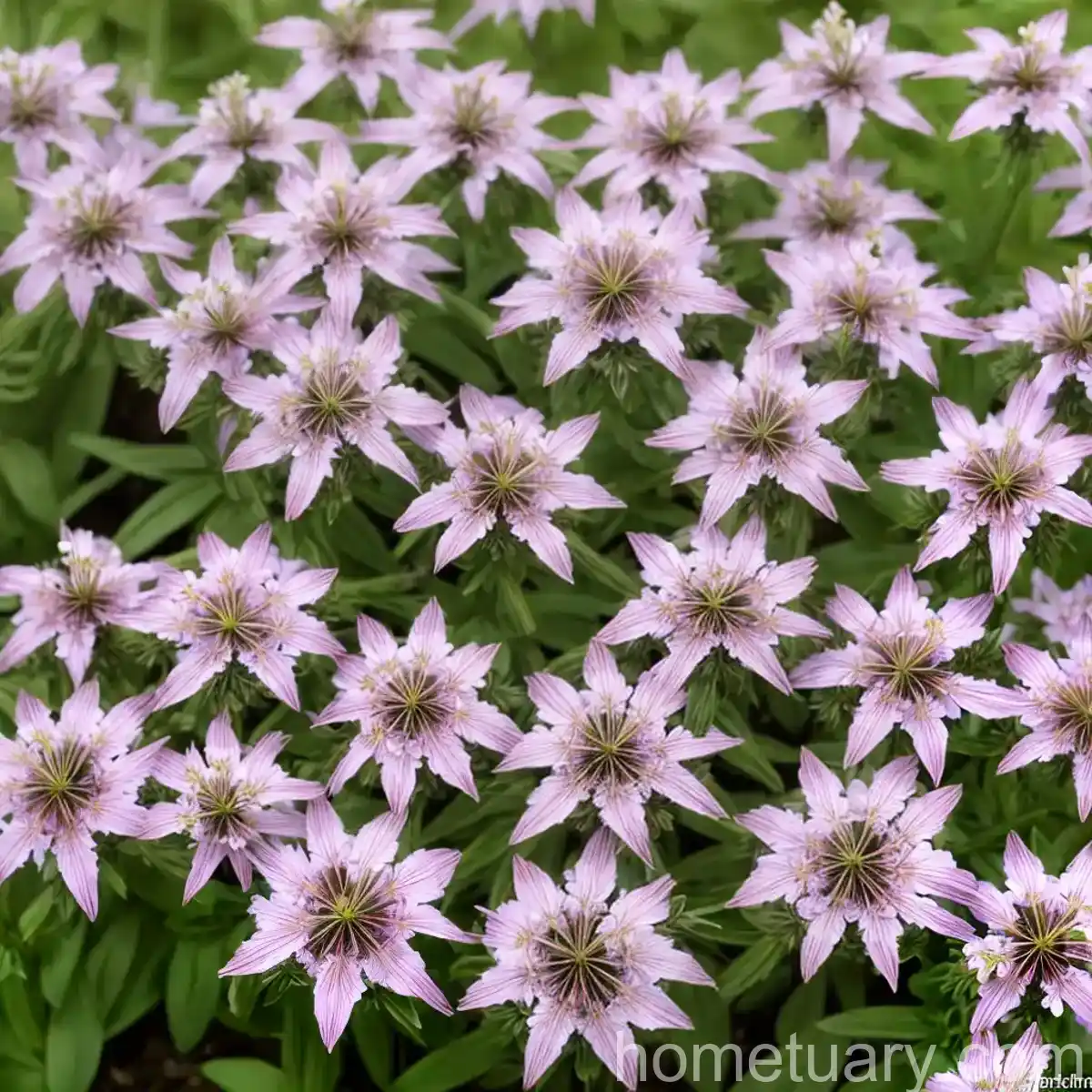
Soapwort, scientifically known as Saponaria officinalis ‘Flore Pleno’, is a perennial herbaceous plant that belongs to the Caryophyllaceae family. Originating from Europe and Western Asia, this plant is renowned for its rich history of traditional and medicinal uses. The ‘Flore Pleno’ variety is particularly valued for its double-flowered form, which adds ornamental appeal to gardens and landscapes.
Key Takeaways – Soapwort (Saponaria officinalis ‘Flore Pleno’)
Before we delve into the specifics of Saponaria officinalis ‘Flore Pleno’, let’s highlight some key takeaways about this remarkable plant:
- Botanical Name: Saponaria officinalis ‘Flore Pleno’
- Family: Caryophyllaceae
- Common Name: Soapwort
- Variety: ‘Flore Pleno’ (double-flowered form)
- Nature: Perennial
- Cultural Significance: Traditional medicinal uses and ornamental value
- Characteristics: Rich lather-producing properties in its roots and stems
- Growth Habit: Herbaceous, clump-forming
- Uses: Medicinal, natural cleansing agent, and ornamental purposes
- Cultivation: Hardy and adaptable to various growing conditions
- Maintenance: Low-maintenance plant with potential as a ground cover and landscape feature
Now that we have a foundational understanding of Saponaria officinalis ‘Flore Pleno’, let’s delve into its various aspects of culture, uses, and care in more detail.
Culture
Cultivating soapwort requires an understanding of its environmental preferences, growth habits, and maintenance needs. Let’s explore the cultural nuances that contribute to the successful growth and development of this fascinating plant.
Water
Soapwort is known for its resilience and adaptability to diverse moisture conditions, making it suitable for both well-drained and moderately moist soil. When establishing young plants, regular watering to maintain soil moisture is recommended, especially during dry spells. Once established, soapwort displays drought tolerance, making it an ideal choice for low-maintenance landscapes.
Sunlight
In terms of sunlight requirements, soapwort thrives in partial to full sun exposure. Providing the plant with at least 6 hours of sunlight per day will promote robust growth and abundant flowering. However, it can also tolerate partial shade, particularly in regions with intense summer heat.
Fertilizer
Soapwort is relatively undemanding in terms of fertilizer needs. A balanced, all-purpose fertilizer applied in the spring can support healthy growth and flowering. However, excessive fertilization should be avoided, as it may lead to lush foliage at the expense of flower production.
Soil
The adaptability of soapwort extends to its soil preferences, as it can thrive in various soil types, including loamy, sandy, and well-drained soils. It is essential to ensure that the chosen planting site allows excess water to drain away effectively, as soapwort is susceptible to root rot in waterlogged conditions.
Pruning
Pruning is generally minimal for soapwort, primarily focusing on the removal of spent flower stems to encourage continuous blooming. Additionally, cutting back the plant after the initial flowering period can promote a neat and tidy appearance while potentially stimulating a second flush of blooms.
Propagation
The propagation of soapwort can be achieved through both seeds and division. Seeds can be sown directly in the garden in the spring or fall, while division of mature clumps can be conducted in the early spring to create new plants. Both methods are relatively straightforward and can yield successful results with proper care and attention.
Container Popularity
Soapwort’s adaptability and compact growth habit make it suitable for container cultivation, allowing gardeners with limited space to enjoy its beauty and benefits. Its cascading growth and charming flowers make it an excellent choice for hanging baskets and decorative containers, adding a touch of natural elegance to any outdoor setting.
Container Common Diseases
While soapwort is generally resistant to many common plant diseases, certain issues may arise, particularly in container-grown specimens. Overwatering and poor drainage can lead to root rot, which is a potential concern in container settings. Additionally, fungal diseases such as powdery mildew can occur in humid conditions, warranting proactive measures to promote air circulation and reduce moisture on foliage.
Disease Diagnosis
In diagnosing potential diseases in soapwort, a vigilant approach to monitoring plant health is essential. Common signs of disease include wilting, yellowing of foliage, or the presence of powdery white spots on leaves. By conducting regular visual inspections and addressing any issues promptly, the impact of diseases on soapwort can be minimized.
Common Pests
While soapwort is relatively resistant to pests, certain insects, such as aphids and spider mites, may occasionally target the plant. Regular monitoring of foliage for signs of infestation and the use of natural predators or insecticidal soaps can help manage pest populations effectively without compromising the plant’s health or environmental balance.
Botanist’s Tips
As a plant scientist, I am enthusiastic about sharing practical tips to enhance the cultivation and enjoyment of soapwort in various settings. Here are some insights and recommendations for optimizing the growth and benefits of Saponaria officinalis ‘Flore Pleno’:
-
Garden Companions: Consider companion planting soapwort with other sun-loving perennials and low-growing herbs to create visually appealing and ecologically beneficial garden combinations.
-
Natural Soap Production: Explore the traditional technique of extracting saponins from soapwort for producing natural soap and cleansing agents, leveraging its historical use as a source of lathering properties.
-
Herbal Remedies: Delve into the medicinal uses of soapwort, particularly in traditional herbal remedies for skin ailments and respiratory conditions, while exercising caution and consulting reliable sources for guidance.
-
Historical Significance: Appreciate the historical and folklore significance of soapwort as a plant with enduring cultural connections and traditional uses, enriching the gardening experience with a sense of heritage and storytelling.
-
Wildlife Attraction: Recognize soapwort’s potential to attract beneficial pollinators and support biodiversity, contributing to ecological balance and the vibrancy of garden ecosystems.
Fun Facts
Uncovering the captivating aspects of soapwort goes beyond its practical uses and cultivation techniques. Here are some intriguing fun facts that highlight the unique attributes and cultural relevance of Saponaria officinalis ‘Flore Pleno’:
- The genus name Saponaria is derived from the Latin word “sapo,” which means soap, alluding to the plant’s historical association with soap production and cleansing properties.
- Soapwort has been historically utilized for its mild cleansing properties in washing delicate textiles and fabrics, showcasing its gentle yet effective nature as a natural detergent alternative.
- The double-flowered form of ‘Flore Pleno’ enhances the ornamental appeal of soapwort, making it a sought-after choice for traditional cottage gardens and floral arrangements.
- In traditional folklore and herbal medicine, soapwort has been revered for its purported skin-soothing and emollient qualities, attributed to its saponin content and historical usage in cosmetic preparations.
Links to External Resources
Delving further into the world of Saponaria officinalis ‘Flore Pleno’ and its diverse aspects invites exploration of additional resources and expert insights. Here are some valuable external links that provide in-depth information and perspectives on soapwort and related botanical subjects:
- Royal Horticultural Society: Soapwort
- University of Maryland Extension: Saponaria officinalis Fact Sheet
- Botanical Interests: Growing Soapwort from Seed
- American Society for the Prevention of Cruelty to Animals (ASPCA): Poisonous Plants for Cats
- The Herb Society of America: Saponaria officinalis ‘Flore Pleno’
Conclusion
As we conclude this comprehensive exploration of Saponaria officinalis ‘Flore Pleno’, I hope that this guide has provided valuable insights and practical guidance for gardeners, herbal enthusiasts, and botanical aficionados. From its rich cultural history to its versatile uses and distinctive characteristics, soapwort continues to captivate and inspire with its timeless allure and natural benefits. Embracing the timeless appeal of soapwort in modern horticulture and gardening practices allows us to celebrate its enduring legacy and ecological contributions, enriching our botanical encounters with its steadfast presence and remarkable virtues. Whether as a resilient garden perennial, a source of historical intrigue, or a gentle cleansing agent, Saponaria officinalis ‘Flore Pleno’ beckons with its enduring charm and versatile applications, beckoning us to rediscover its timeless allure and natural provisions in our horticultural journeys.
So, let us cherish the enduring legacy of soapwort as a testament to nature’s wonders and historical significance, embracing its presence in our gardens, landscapes, and cultural narratives with reverence and appreciation for its enduring legacy and natural gifts.
The word count for this blog post: 1214 words