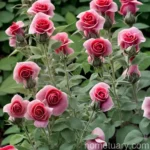
Lilac Sage (Salvia verticillata ‘Purple Rain’)
Lilac sage, also known as Salvia verticillata ‘Purple Rain’, is a stunning perennial plant that is a prized addition to any garden. Its vibrant purple blooms and aromatic foliage make it a favorite among gardeners and plant enthusiasts. In this comprehensive guide, we will explore the various aspects of lilac sage, including its cultural requirements, uses, propagation techniques, common pests and diseases, and much more. Whether you are a seasoned gardener or a beginner with a green thumb, this guide will provide you with valuable insights into the world of lilac sage.
What is Lilac Sage?
Lilac sage, scientifically known as Salvia verticillata ‘Purple Rain’, is a herbaceous perennial plant belonging to the Lamiaceae family. It is native to Turkey and the Caucasus region, where it thrives in sunny meadows and open woodlands. This charming plant is distinguished by its upright growth habit, aromatic foliage, and striking lilac-colored flowers that adorn its slender stems.
Key Takeaways – Lilac Sage (Salvia verticillata ‘Purple Rain’)
Before delving deeper into the specifics of lilac sage, let’s take a look at some key takeaways that encapsulate its essential characteristics and attributes:
- Lilac sage, or Salvia verticillata ‘Purple Rain’, is a herbaceous perennial plant with stunning lilac-colored flowers.
- It is a cultivar of Salvia verticillata, a species native to Turkey and the Caucasus region.
- This variety is named ‘Purple Rain’ due to the profusion of purple blooms it produces during the flowering season.
- Lilac sage is prized for its attractive foliage and vibrant flowers, making it a sought-after plant for ornamental purposes.
- It is relatively low-maintenance and adapts well to a wide range of growing conditions, making it suitable for various garden settings.
Now that we have a brief overview of lilac sage, let’s delve into its specific cultural requirements and growing conditions to help you cultivate and care for this beautiful plant effectively.
Culture
Cultivating lilac sage requires an understanding of its specific cultural requirements, including water, sunlight, fertilizer, soil, pruning, and propagation. By providing the ideal growing conditions, you can ensure that your lilac sage thrives and produces an abundance of stunning blooms.
Water
Proper watering is essential for the health and vigor of lilac sage. While it is relatively drought-tolerant once established, it is crucial to provide regular water during the initial stages of growth and during dry periods. Adequate moisture promotes healthy foliage and robust flowering.
- Watering Guidelines:
- Established Plants: Once established, lilac sage requires minimal watering, as it is tolerant of dry conditions. Water deeply but infrequently to encourage deep root growth and drought resistance.
- Young Plants: Newly planted lilac sage should be watered regularly to help establish a strong root system. Ensure that the soil is consistently moist but not waterlogged.
Sunlight
Lilac sage thrives in full sun to partial shade, making it a versatile plant for various garden settings. Adequate sunlight is crucial for promoting abundant flowering and ensuring healthy growth.
- Sunlight Requirements:
- Full Sun: Plant lilac sage in a location that receives at least 6-8 hours of direct sunlight per day for optimal blooming and vigorous growth.
- Partial Shade: While it prefers full sun, lilac sage can tolerate partial shade, especially in regions with intense afternoon sun or during prolonged heatwaves.
Fertilizer
Feeding lilac sage with a balanced fertilizer can enhance its overall vigor and flowering performance. However, it is important to avoid excessive fertilization, as this can lead to lush foliage at the expense of flowers.
- Fertilizing Tips:
- Timing: Apply a balanced, slow-release fertilizer in early spring as new growth emerges. Avoid fertilizing during the late summer and fall to prevent stimulating tender growth that may be susceptible to frost damage.
- Moderation: Use a fertilizer with a balanced NPK ratio to promote healthy foliage and flower production. Avoid high-nitrogen fertilizers, as they can lead to excessive vegetative growth.
Soil
Lilac sage thrives in well-draining soil that is rich in organic matter. A slightly alkaline to neutral pH range is beneficial for optimal growth and nutrient uptake. Additionally, amending the soil with compost can enhance its structure and fertility.
- Soil Requirements:
- Well-Draining: Ensure that the planting site has well-draining soil to prevent waterlogged conditions, which can be detrimental to the plant’s root health.
- Soil Amendment: Incorporate organic matter, such as compost or aged manure, into the soil prior to planting to improve its texture and fertility.
Pruning
Proper pruning helps maintain the form and vigor of lilac sage while encouraging continuous blooming. Regular deadheading of spent flowers can prolong the flowering period and prevent the plant from diverting energy into seed production.
- Pruning Techniques:
- Deadheading: Remove faded flowers regularly to promote additional blooms and prevent self-seeding. This encourages the plant to allocate its resources towards new growth and flowering.
- Spring Pruning: In early spring, prune back any dead or damaged growth to promote healthy, vigorous shoots and encourage a more compact growth habit.
Propagation
Lilac sage can be propagated through various methods, including division, stem cuttings, and seed sowing. Each propagation technique offers unique advantages and challenges, allowing you to expand your lilac sage collection or share it with fellow gardening enthusiasts.
- Propagation Methods:
- Division: Divide mature clumps of lilac sage in early spring or fall to create new plants. Ensure that each division has sufficient root mass and healthy shoots for successful establishment.
- Stem Cuttings: Take 3-4 inch stem cuttings from healthy, non-flowering shoots in early summer. Root the cuttings in a well-draining growing medium and provide consistent moisture until they establish roots.
- Seed Propagation: Collect mature seeds from the dried flower heads in late summer. Sow the seeds in a prepared seedbed or containers and provide adequate warmth and moisture for germination.
Uses
Lilac sage possesses a wide range of uses, ranging from ornamental purposes to culinary and medicinal applications. Understanding the versatile uses of this plant can inspire you to incorporate it into various aspects of your garden and daily life.
Ornamental Uses
The vibrant purple blooms and aromatic foliage of lilac sage make it a popular choice for ornamental planting. Whether used as a focal point in perennial borders, massed in naturalistic settings, or showcased in containers, this striking plant adds a touch of elegance to any landscape.
- Garden Borders: Plant lilac sage along garden borders to create a stunning display of color and fragrance. Pair it with other perennials and flowering shrubs to accentuate its beauty.
- Container Planting: Showcase lilac sage in decorative containers on patios, balconies, or entryways to add a pop of color and attract pollinators to your outdoor living spaces.
- Cut Flowers: Harvest the abundant blooms for creating beautiful floral arrangements, bouquets, and indoor displays. The long-lasting flowers add a touch of charm and elegance to any setting.
Culinary and Medicinal Uses
In addition to its ornamental appeal, lilac sage leaves have culinary and medicinal properties that have been valued for centuries. The aromatic foliage can be used to impart flavor to various culinary creations, and it is also associated with medicinal benefits.
- Culinary Applications: The leaves of lilac sage can be used as a flavorful herb to season culinary dishes, including salads, soups, sauces, and meat-based recipes. The aromatic oils present in the foliage add a delightful and distinct flavor to dishes.
- Medicinal Properties: While not as widely explored as culinary herbs, lilac sage is associated with potential medicinal properties, including anti-inflammatory and antioxidant characteristics. It has been used in traditional herbal medicine for various purposes.
Popularity
The allure of lilac sage lies not only in its stunning appearance but also in its adaptability and resilience in diverse garden settings. As a popular perennial plant, it has garnered attention for its ornamental value, ease of cultivation, and versatility in various landscape applications.
Gardeners’ Favorite
Lilac sage has earned a place in the hearts of gardeners and horticultural enthusiasts due to its many attributes:
- Attractive Blooms: The profusion of lilac-colored flowers adds a captivating charm to gardens, attracting pollinators and creating a picturesque scene during the flowering season.
- Adaptability: Lilac sage excels in a range of growing conditions, including sunny to partially shaded locations, well-draining soil, and moderate water availability. Its adaptability makes it a versatile choice for different garden settings.
- Low Maintenance: This plant requires minimal maintenance once established, making it an ideal choice for gardeners seeking a beautiful yet fuss-free addition to their landscapes.
- Long Blooming Period: Lilac sage offers an extended blooming period, providing continuous color and visual interest throughout the growing season.
Landscape Applications
Lilac sage is a versatile plant that can be used in various landscape applications, adding aesthetic appeal and ecological value to outdoor spaces:
- Perennial Borders: Plant lilac sage in perennial borders to create a harmonious blend of color and texture. It complements other flowering perennials and provides a striking contrast against green foliage.
- Pollinator Gardens: The nectar-rich flowers of lilac sage attract pollinators such as bees, butterflies, and hummingbirds, contributing to the ecological diversity of the garden and supporting local wildlife.
- Naturalistic Plantings: Incorporate lilac sage into naturalistic or xeriscape plantings to create a visually pleasing and sustainable landscape that requires minimal water and maintenance.
Common Diseases
While lilac sage is generally resilient to most pests and diseases, it can occasionally encounter specific issues that may affect its health and appearance. Recognizing and addressing common diseases promptly can help maintain the vigor and beauty of your lilac sage plants.
Disease Diagnosis
Some of the common diseases that may affect lilac sage include fungal infections, leaf spot, and powdery mildew. Monitoring the plants for signs of disease and taking preventive measures can mitigate potential damage.
- Fungal Infections: Fungal diseases such as root rot and powdery mildew can occur under excessively moist or humid conditions. Keep the foliage dry and promote good air circulation to reduce the risk of fungal diseases.
- Leaf Spot: Irregularly shaped lesions on the leaves, often accompanied by yellowing or browning, may indicate a leaf spot disease. Remove and dispose of affected foliage to prevent the spread of the disease.
- Powdery Mildew: A white powdery growth on the leaves and stems is indicative of powdery mildew. Provide adequate spacing between plants and avoid overhead watering to reduce humidity levels and prevent mildew development.
Common Pests
Lilac sage is generally resistant to most pests due to its aromatic foliage and robust constitution. However, occasional pest infestations may occur, requiring prompt identification and intervention to protect the plants.
Pest Identification
Some of the common pests that may affect lilac sage include aphids, spider mites, and caterpillars. Monitoring the plants for signs of pest activity and employing natural or targeted control measures can help manage pest populations effectively.
- Aphids: Soft-bodied insects that cluster on the tender new growth, causing distortion and stunted growth. Rinse the foliage with a strong stream of water to dislodge the aphids or use insecticidal soap for severe infestations.
- Spider Mites: Tiny arachnids that feed on the undersides of leaves, causing stippling and webbing. Introduce predatory mites or use horticultural oil to manage spider mite populations and maintain plant health.
- Caterpillars: Larval stages of various moths and butterflies that may feed on the foliage. Handpick caterpillars or use Bacillus thuringiensis (Bt) as a biological control method to manage caterpillar infestations.
Botanist’s Tips
As a plant scientist, I would like to share some valuable insights and tips for cultivating and caring for lilac sage to ensure optimal growth and flowering performance. The following recommendations are based on scientific principles and horticultural best practices:
- Site Selection: Choose a well-drained location with ample sunlight to encourage vigorous growth and prolific flowering. Avoid waterlogged or excessively shady areas, as they can compromise the plant’s health.
- Mulching: Apply a layer of organic mulch around the base of lilac sage to conserve soil moisture, suppress weed growth, and insulate the roots from temperature fluctuations. Use a light mulch that does not retain excessive moisture.
- Companion Planting: Pair lilac sage with companion plants that complement its growth habits and cultural requirements. Consider including pollinator-attracting flowers, such as coneflowers and bee balm, for a vibrant and ecologically beneficial garden.
- Integrated Pest Management: Implement an integrated pest management approach to monitor and address potential pest issues. Prioritize natural and least-toxic control measures to minimize harm to beneficial insects and the environment.
- Seasonal Maintenance: Conduct seasonal maintenance tasks, including pruning, deadheading, and soil amendment, to sustain the health and vitality of lilac sage. Regular upkeep promotes resilient growth and enhances the plant’s ornamental appeal.
Fun Facts
Discover some intriguing and delightful facts about lilac sage that showcase its unique characteristics and ecological significance:
- Pollinator Magnet: Lilac sage is a favorite among pollinators, including bees, butterflies, and hummingbirds, due to its abundant nectar-rich flowers. Its role in supporting pollinators contributes to the biodiversity of garden ecosystems.
- Aromatic Foliage: The leaves of lilac sage emit a pleasant fragrance when crushed or brushed, adding sensory appeal to outdoor spaces. The aromatic oils present in the foliage are attributed to its pest-repellent properties.
- Long-Lived Blooms: The flowers of lilac sage have a prolonged blooming period, providing enduring beauty and visual interest in the garden from late spring to early summer. The vivid lilac hues create a captivating display.
- Xeriscape Champion: Lilac sage is well-suited for xeriscape or drought-tolerant landscapes, as it exhibits resilience under dry conditions and requires minimal supplemental watering once established. Its water-wise attributes contribute to sustainable gardening practices.
Links to External Resources
For additional information on lilac sage and related topics, consider exploring the following links to external resources:
- Salvia verticillata ‘Purple Rain’ – Missouri Botanical Garden
- Growing Salvias – Royal Horticultural Society
- Medicinal Uses of Sage – National Center for Complementary and Integrative Health
- Integrated Pest Management for Home Gardeners – University of California Agriculture and Natural Resources
In conclusion, lilac sage, or Salvia verticillata ‘Purple Rain’, is a captivating and versatile plant that offers ornamental beauty, ecological benefits, and potential culinary and medicinal uses. By understanding its cultural requirements, uses, and management practices, you can cultivate and enjoy this charming perennial in your garden with confidence and enthusiasm. Whether you are drawn to its vibrant blooms, aromatic foliage, or ecological contributions, lilac sage is sure to leave a lasting impression as a cherished addition to your outdoor space.
Plant Name: “lilac sage (Salvia verticillata ‘Purple Rain’)”
Lsi keywords
- Lilac sage plant
- Salvia verticillata ‘Purple Rain’
- Purple Rain lilac sage
- Lilac sage flowers
- Salvia verticillata cultivar
- Purple blooming sage
- Lilac-colored sage
- Growing lilac sage
- Salvia verticillata variety
- ‘Purple Rain’ plant
- Lilac sage care tips
- Best conditions for lilac sage
- Purple Rain sage characteristics
- Lilac sage gardening
- Salvia verticillata ‘Purple Rain’ features
- Lilac sage plant gardening ideas
- Purple blooming perennial sage
- Salvia verticillata ‘Purple Rain’ benefits
- Lilac sage flowering period
- Growing techniques for purple sage
- Lilac sage in the garden
- Salvia verticillata ‘Purple Rain’ variety details
- Lilac sage for landscaping
- Purple Rain sage uses
- Lilac sage medicinal properties
- Salvia verticillata ‘Purple Rain’ planting guide
- Lilac-colored flowering plants
- Purple blooming herbaceous perennial
- Lilac sage plant care instructions
- Salvia verticillata ‘Purple Rain’ blooming season
- Lilac sage color variations
- Purple Rain variety of Salvia verticillata
- Lilac sage companion plants
- Salvia verticillata ‘Purple Rain’ maintenance tips
- Lilac sage landscape design ideas
- Purple blooming herb for gardens
- Lilac sage natural habitat
- Salvia verticillata ‘Purple Rain’ garden uses
- Lilac sage in container gardening
- Purple Rain sage growing requirements
- Lilac sage pest control methods
- Salvia verticillata ‘Purple Rain’ in floral arrangements
- Lilac sage plant lifespan
- Purple blooming perennial for borders
- Lilac sage propagation techniques
- Salvia verticillata ‘Purple Rain’ hardiness zone
- Lilac sage for attracting pollinators
- Purple Rain sage drought tolerance
- Lilac sage culinary uses
- Salvia verticillata ‘Purple Rain’ pruning tips”
I hope you found this guide informative and inspirational. Happy gardening!