Nassella pulchra (Purple Needle Grass): A Native Beauty
Nassella pulchra, commonly known as Purple Needle Grass, is a native California bunchgrass that has captured the hearts of plant enthusiasts, landscapers, and environmentalists alike. This stunning plant offers not only aesthetic appeal but also plays a vital role in the ecosystem, making it a valuable addition to gardens, landscapes, and restoration projects. In this comprehensive guide, we will delve deep into the world of Nassella pulchra, exploring its characteristics, cultivation, uses, maintenance, and its significance in sustainable gardening and conservation efforts.
What is Nassella pulchra?
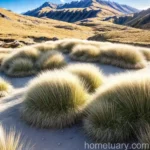
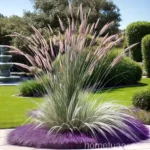
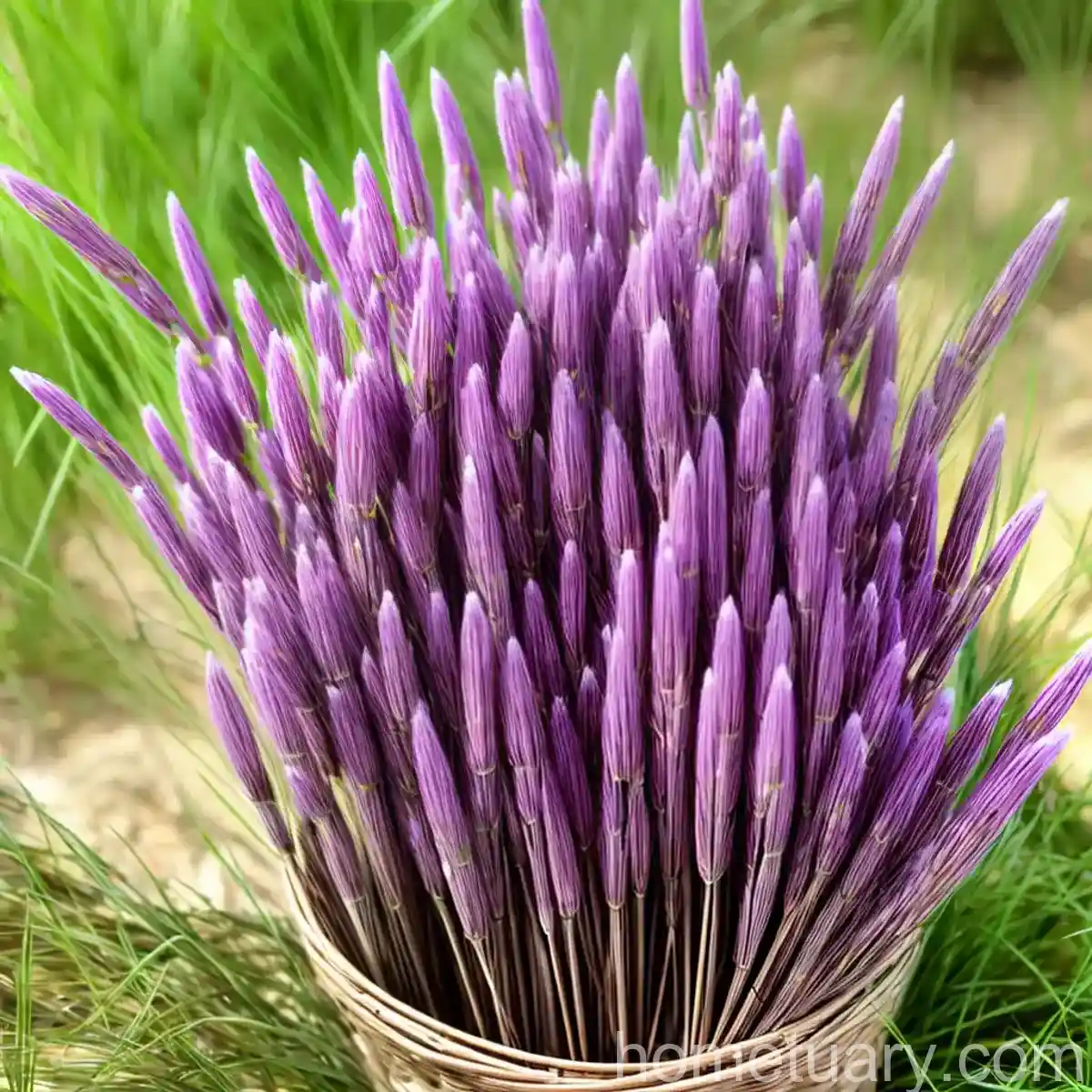
Nassella pulchra is a perennial bunchgrass belonging to the Poaceae family. This fine-textured grass is native to California and other western states of the United States, thriving in a variety of habitats, including grasslands, coastal scrub, and open woodlands. It is renowned for its striking purplish inflorescence, which adds a touch of elegance to the landscapes it inhabits.
Key Takeaways – Nassella pulchra (Purple Needle Grass)
Before we delve into the specifics of cultivating Nassella pulchra, it’s essential to understand some key characteristics and benefits of this remarkable plant. Here are some key takeaways about this native grass:
- Nassella pulchra benefits: Provides erosion control, wildlife habitat, drought tolerance, and contributes to native plant restoration projects.
- Nassella pulchra characteristics: Fine-textured foliage, purplish-inflorescence, and clumping growth habit.
- Purple Needle Grass information: Native to California, particularly well-adapted to coastal areas.
- Nassella pulchra growth habit: Forms dense clumps, reaching a height of 1 to 2 feet at maturity.
- Nassella pulchra uses: Suitable for meadow gardens, sustainable landscapes, and as a groundcover in residential and natural landscaping.
- Purple Needle Grass care tips: Requires minimal maintenance, making it ideal for low-maintenance landscapes.
- Nassella pulchra native habitat: Thrives in a variety of habitats, particularly in grasslands and coastal scrub.
- Nassella pulchra cultivation techniques: Well-suited for sustainable gardening, xeriscaping, and native plant restoration projects.
- Purple Needle Grass planting guide: Prefers well-drained soils and is drought-tolerant once established.
With these key takeaways in mind, let’s explore the various aspects of cultivating and caring for Nassella pulchra, also known as Purple Needle Grass.
Culture
Understanding the cultural requirements of Nassella pulchra is crucial for ensuring its successful growth and development. From the type of soil it prefers to its water and sunlight needs, here’s a comprehensive look at the cultural aspects of cultivating this native grass.
Uses
Nassella pulchra serves a multitude of purposes in both natural and cultivated landscapes. Its adaptability and benefits make it a versatile choice for various gardening and restoration projects, including:
- Erosion control
- Wildlife habitat creation
- Drought-tolerant landscapes
- Native plant restoration
- Sustainable and low-maintenance gardens
- Meadow gardens
- Groundcover in residential landscapes
The diverse uses of Nassella pulchra make it a valuable asset in promoting biodiversity and creating visually appealing, environmentally conscious landscapes.
Water
One of the remarkable traits of Nassella pulchra is its exceptional drought tolerance once established. This makes it an ideal choice for water-wise gardening and sustainable landscapes, particularly in regions prone to drought conditions. When initially establishing Purple Needle Grass, it is essential to provide regular watering to support its establishment. Once the plant has developed a robust root system, it requires minimal supplemental irrigation, relying on natural precipitation.
Sunlight
Nassella pulchra thrives in full sun to partial shade, making it adaptable to a range of light conditions. In coastal areas where sunlight exposure may vary, this native grass demonstrates resilience and remains an attractive feature in landscapes with fluctuating light patterns.
Fertilizer
As a low-maintenance and resilient species, Nassella pulchra typically does not require supplemental fertilization in natural landscapes. However, in urban or cultivated settings where soil nutrients may be limited, a slow-release, low-nitrogen fertilizer can be applied sparingly to support the initial growth of the grass. It’s important to avoid excessive fertilization, as this may lead to issues such as excessive foliage growth at the expense of flowering.
Soil
Nassella pulchra thrives in well-drained soils, particularly those with sandy or loamy textures. It is essential to avoid waterlogged or compacted soils, as these conditions can impede the growth and overall health of the plant. Additionally, the grass exhibits adaptability to various soil pH levels, showcasing its resilience in diverse soil conditions.
Pruning
Though Nassella pulchra is a low-maintenance plant, occasional pruning can help maintain its aesthetic appeal and promote healthy growth. Pruning should typically be carried out in the late winter or early spring before new growth emerges. This helps remove any dormant or damaged foliage, allowing the plant to rejuvenate and flourish as the growing season commences. Additionally, the removal of old flower stems can encourage the production of new blooms and prevent self-seeding in cultivated landscapes.
Propagation
Nassella pulchra can be propagated through both seed propagation and division of established clumps. When collecting seeds for propagation, it’s important to gather them during the appropriate season and store them in a cool, dry place to maintain their viability. Division can be carried out in the early spring, separating the mature clumps into smaller sections and replanting them in suitable locations. Both methods offer opportunities to expand the presence of this native grass in gardens, restoration projects, and natural landscapes.
Container Popularity
In addition to its role in expansive landscapes, Nassella pulchra has gained popularity as a container plant. Its fine texture, visually appealing inflorescence, and minimal maintenance requirements make it a sought-after choice for container gardens. Whether used as a standalone feature on patios and decks or incorporated into mixed container plantings, Purple Needle Grass adds a touch of native elegance to outdoor spaces.
Common Diseases
Nassella pulchra is relatively resistant to diseases, thanks to its natural adaptability and resilience. However, occasional issues such as leaf spot or fungal diseases may arise, particularly in settings with poor air circulation or excessive moisture. Regular monitoring and ensuring appropriate cultural practices can help prevent and manage these common diseases, preserving the health and vigor of the grass.
Disease Diagnosis
When observing potential disease symptoms on Nassella pulchra, it is important to conduct a thorough assessment to determine the specific issue at hand. Common signs of disease may include discoloration of foliage, spotting, wilting, or abnormal growth patterns. By accurately diagnosing the problem, appropriate measures can be taken to address the issue and prevent its spread to other plants in the vicinity.
Common Pests
Nassella pulchra is relatively resistant to pest infestations, owing to its natural defenses and resilience. However, occasional encounters with pests such as aphids or grasshoppers may occur, particularly in regions with conducive environmental conditions for these insects. Monitoring for pest activity and promptly addressing any infestations can help safeguard the health and appearance of Purple Needle Grass in cultivated and natural settings.
Botanist’s Tips
Botanists and plant enthusiasts offer valuable insights into the cultivation and appreciation of Nassella pulchra. Their tips and recommendations contribute to the successful integration of this native grass in a variety of landscapes, promoting its ecological benefits and aesthetic appeal.
- Selecting suitable planting locations: Choose well-drained, open sites for planting Nassella pulchra to ensure optimal growth and performance.
- Incorporating into ecosystem restoration projects: Utilize Purple Needle Grass in habitat restoration efforts to support native plant communities and enhance biodiversity.
- Promoting wildlife habitat: Recognize the role of Nassella pulchra in providing shelter and food sources for native wildlife, contributing to the overall health of ecosystems.
Gaining insights from botanists and experts can enhance the understanding of Nassella pulchra’s significance and facilitate its integration into various landscape projects.
Fun Facts
Exploring the captivating nature of Nassella pulchra unveils intriguing and delightful facts about this native grass. From its ecological contributions to its historical significance, here are some fun facts that highlight the unique qualities of Purple Needle Grass:
- Nassella pulchra was designated as the official state grass of California in 2004, recognizing its ecological importance and symbolic significance.
- The grass’s intricate purplish inflorescence adds an enchanting touch to natural landscapes and has inspired artists and poets throughout history.
- Nassella pulchra’s deep root system plays a critical role in stabilizing soils, making it an invaluable ally in erosion control measures.
These fun facts offer a glimpse into the cultural, ecological, and aesthetic value of Nassella pulchra, further enriching the appreciation for this native Californian grass.
Links to External Resources
For those seeking additional information, resources, or opportunities to obtain Nassella pulchra for their landscapes, the following links provide valuable insights and access to relevant content:
- CNPS Calscape – Nassella pulchra
- The Theodore Payne Foundation – Native Plant Database
- California Native Plant Society
- USDA Plants Database
By exploring these external resources, individuals, landscapers, and conservationists can further immerse themselves in the world of Nassella pulchra, gaining knowledge and access to this native grass and its ecological significance.
Conclusion
Nassella pulchra, also known as Purple Needle Grass, stands as a symbol of resilience, beauty, and ecological significance in California’s landscape. With its diverse uses, adaptability, and minimal maintenance requirements, it has emerged as a favored choice for sustainable landscapes, native plant restoration projects, and wildlife habitat creation. By understanding its cultural needs, ecological benefits, and significance in conservation efforts, individuals and communities can harness the potential of Nassella pulchra to create thriving, environmentally conscious landscapes that celebrate the natural beauty and resilience of native California flora.