Vaccinium Corymbosum (Highbush Blueberry)
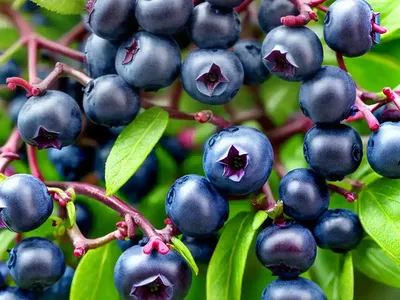
Vaccinium corymbosum, commonly known as Highbush Blueberry, is a species of blueberry native to eastern North America. Belonging to the heath family.
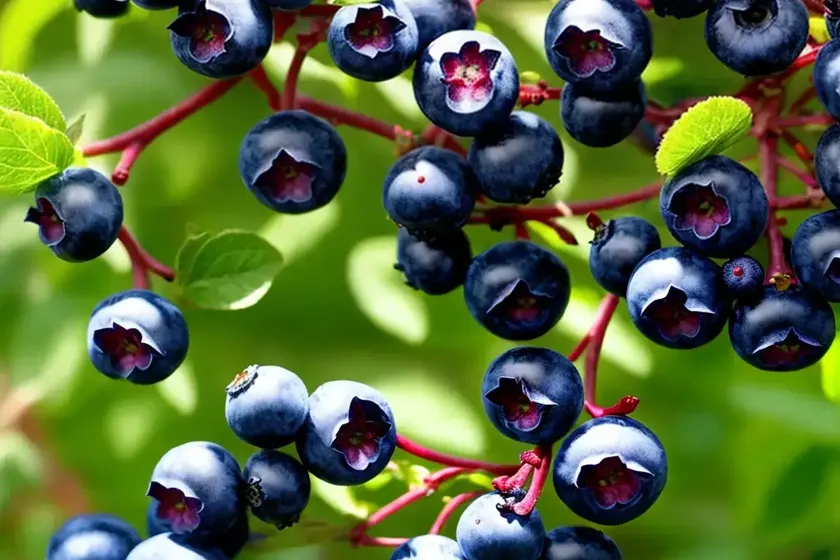
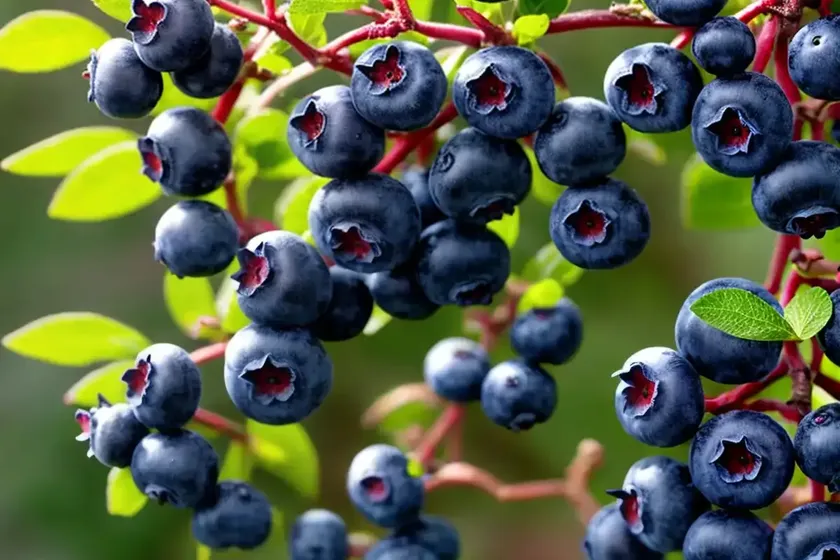
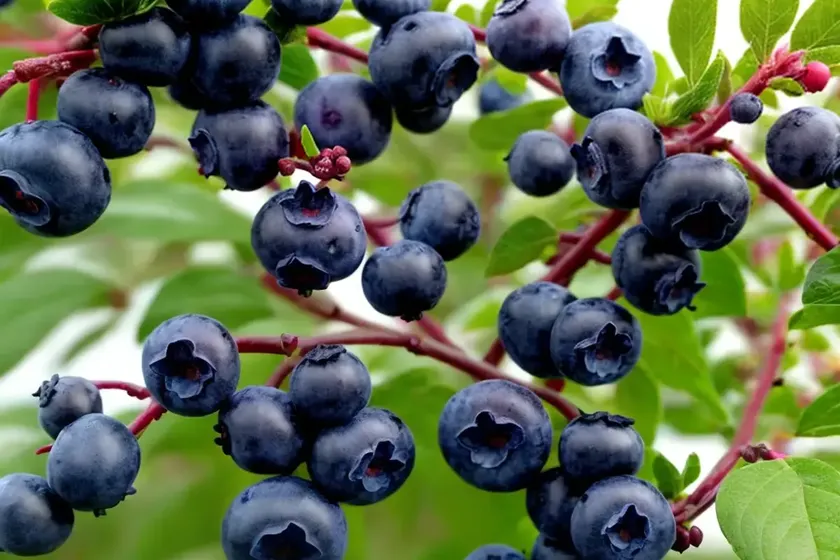
Vaccinium corymbosum, commonly known as Highbush Blueberry, is a species of blueberry native to eastern North America. Belonging to the heath family, Ericaceae, this perennial flowering plant is highly valued for its delicious and nutritious berries. The Highbush Blueberry is a popular choice for both commercial cultivation and home gardening, owing to its remarkable adaptability and health benefits. In this comprehensive guide, we will delve into the various aspects of cultivating and caring for Vaccinium corymbosum, exploring everything from its cultural requirements to common pests and diseases, and from pruning techniques to its uses and benefits.
Key Takeaways – Vaccinium Corymbosum (Highbush Blueberry)
- Scientific Name: Vaccinium corymbosum
- Common Name: Highbush Blueberry
- Family: Ericaceae
- Native Habitat: Eastern North America
- Uses: Culinary, ornamental, medicinal
- Harvest Season: Summer
- USDA Hardiness Zones: 3-7
- Plant Type: Perennial shrub
- Growth Habit: Upright, spreading
- Fruit Type: Berries
- Optimal Soil pH: 4.5-5.5
- Sunlight: Full sun to partial shade
- Watering: Moist, well-draining soil
Let’s explore the various aspects of cultivating and caring for Vaccinium corymbosum, also known as Highbush Blueberry, so that you can successfully grow this delightful plant in your garden or on your farm.
Cultivation of Vaccinium Corymbosum
Vaccinium corymbosum is a versatile shrub that adapts well to various climates and soil conditions. Whether you are planning to grow it on a large scale for commercial purposes or in your backyard for personal enjoyment, understanding its cultural requirements is essential for its successful cultivation.
Soil
The soil requirements for cultivating Highbush Blueberries are quite specific, as these plants thrive in acidic, well-draining soils. Ideally, the soil should have a pH level between 4.5 and 5.5. Soil high in organic matter is also beneficial for the growth and development of the plants.
| Soil Requirements for Vaccinium Corymbosum |
|---|
| pH Level |
| Drainage |
| Composition |
Sunlight
Highbush Blueberries require full sun to partial shade for optimal growth and fruit production. When selecting a location for planting, ensure that the chosen area receives at least 6-8 hours of sunlight per day.
Watering
Maintaining consistent soil moisture is crucial for the health and productivity of Highbush Blueberries. These plants prefer moist soil but are susceptible to root rot if the soil remains waterlogged. Regular watering during dry spells and mulching around the plants can help retain soil moisture.
Fertilizer
Proper fertilization is essential for promoting vigorous growth and bountiful fruiting in Highbush Blueberries. Using a balanced fertilizer designed for acid-loving plants is recommended. Additionally, incorporating organic matter into the soil can enhance the fertility and structure of the soil, benefiting the growth of the plants.
Pruning Highbush Blueberries
Pruning is an important cultural practice for maintaining the health, shape, and productivity of Highbush Blueberry plants. Proper pruning can help manage the size of the plants, improve air circulation, and encourage the development of strong, fruit-bearing stems.
Pruning Techniques
- Annual Pruning: Conduct annual pruning in late winter to early spring before new growth begins.
- Removal of Dead/Diseased Wood: Remove any dead, damaged, or diseased wood to prevent the spread of infections.
- Thinning Out Branches: Thin out crowded or weak branches to enhance air circulation and light penetration in the plant canopy.
Pruning for Fruit Production
Pruning plays a crucial role in maximizing fruit production and quality in Highbush Blueberries. By removing older wood and encouraging the growth of new shoots, gardeners can promote the development of robust fruiting stems and ensure a continuous supply of fresh berries.
Propagation of Vaccinium Corymbosum
Vaccinium corymbosum can be propagated through various methods, including hardwood cuttings, softwood cuttings, and layering. Each propagation technique has its advantages and is suitable for different purposes. Whether you are looking to expand your blueberry patch or share plants with friends and family, mastering the art of propagation can be immensely rewarding.
Cultivating Highbush Blueberries in Containers
While Vaccinium corymbosum is typically grown in traditional garden beds, it can also thrive in containers when provided with the right care and conditions. Container gardening offers the flexibility to grow blueberries in smaller spaces, on patios, or even indoors, allowing more people to enjoy the beauty and taste of these wonderful berries.
| Container Gardening Tips for Highbush Blueberries |
|---|
| Container Size |
| Potting Mix |
| Watering |
| Sunlight |
| Fertilization |
| Pruning |
The Popularity of Highbush Blueberry
Vaccinium corymbosum, or Highbush Blueberry, has gained immense popularity over the years due to its outstanding culinary, ornamental, and medicinal attributes. The delicious and nutritious berries have made their way into numerous dishes, desserts, and beverages, captivating the taste buds of people around the world. Moreover, the plant’s landscape value and health benefits have contributed to its widespread cultivation in home gardens, commercial farms, and even urban settings.
Common Diseases of Vaccinium Corymbosum
Like all plants, Highbush Blueberries are susceptible to certain diseases that can affect their growth and fruiting capabilities. Understanding the symptoms of common diseases and adopting preventative measures is crucial for maintaining the health and productivity of blueberry plants.
Disease Diagnosis
- Powdery Mildew: White powdery spots on leaves and stems.
- Botrytis Blight: Gray mold on flowers and fruits, withered blossoms.
- Leaf Spot: Circular, dark spots on leaves with yellow halos.
- Root Rot: Wilting, yellowing, and premature dropping of leaves.
Disease Management
- Cultural Controls: Proper irrigation, drainage, and pruning practices.
- Fungicides: Application of appropriate fungicides as per the recommendations.
- Sanitation: Removing and destroying infected plant material to prevent disease spread.
Common Pests Affecting Highbush Blueberries
Several pests can pose a threat to the health and productivity of Highbush Blueberry plants, impacting both foliage and fruit. Recognizing the signs of pest infestations and implementing effective pest management strategies is essential for preserving the quality and yield of the berries.
Common Blueberry Pests
- Blueberry Maggot: Larvae tunneling inside berries, causing fruit damage.
- Blueberry Thrips: Feeding damage on leaves, leading to bronzing or silvering.
- Japanese Beetles: Skeletonized foliage, feeding on flowers and foliage.
- Spider Mites: Fine webbing on leaves, stippling, and discoloration.
Pest Control Measures
- Monitoring: Regular inspection of plants for signs of pest activity.
- Cultural Practices: Pruning, cleanup, and soil maintenance to minimize pest habitats.
- Biological Controls: Introduction of beneficial predators and parasites.
- Chemical Controls: Judicious use of insecticides following proper guidelines.
Botanist’s Tips for Growing Vaccinium Corymbosum
As a plant scientist, here are some valuable tips to help you successfully grow and care for Highbush Blueberries:
- Soil Testing: Conduct regular soil tests to monitor pH and nutrient levels.
- Mulching: Apply a layer of organic mulch around the plants to conserve moisture and suppress weeds.
- Cross-Pollination: Consider planting multiple blueberry varieties for improved pollination and higher yields.
- Winter Protection: Shield plants from harsh winter conditions using protective covers or mulch.
Fun Facts about Vaccinium Corymbosum
- The Highbush Blueberry is the official state fruit of New Jersey.
- Blueberries are a rich source of antioxidants, vitamins, and dietary fiber.
- The blueberry plant’s foliage turns vibrant shades of red and yellow in the fall, enhancing its ornamental appeal.
Links to External Resources
By exploring the following resources, you can gain additional insights and knowledge about growing and caring for Vaccinium corymbosum:
- Growing Blueberries in the Home Garden
- Highbush Blueberry Production Guide
- Blueberry Soil Requirements and Planting Blueberries
In conclusion, Vaccinium corymbosum, or Highbush Blueberry, is a remarkable plant that offers a wealth of benefits to gardeners, farmers, and consumers. By understanding its cultural needs, addressing common issues, and leveraging best practices, you can cultivate healthy blueberry plants and savor the joy of harvesting your own delicious berries. Whether you are drawn to blueberries for their flavor, nutrition, or landscape appeal, the journey of growing and caring for Highbush Blueberries is both rewarding and enriching.