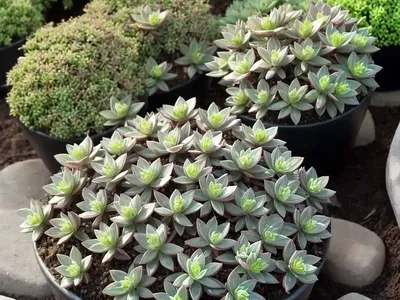
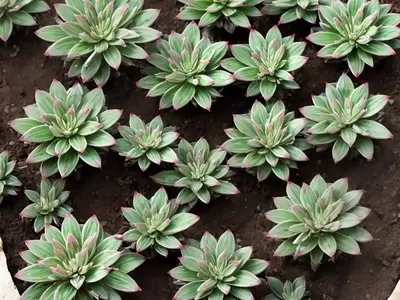
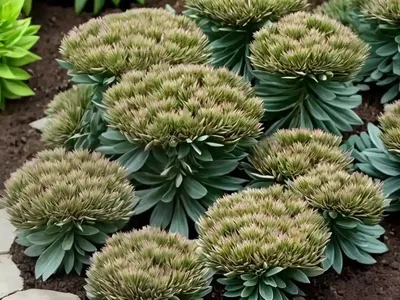
Sempervivum ‘Ruby Heart’ (Hens And Chicks)
Sempervivum ‘Ruby Heart’, commonly known as Hens and Chicks, is a delightful succulent that belongs to the Crassulaceae family and is native to the.
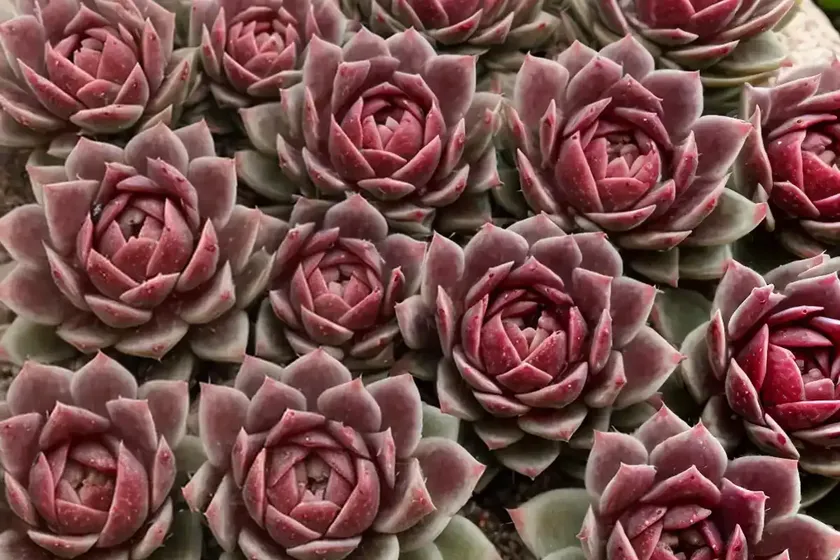
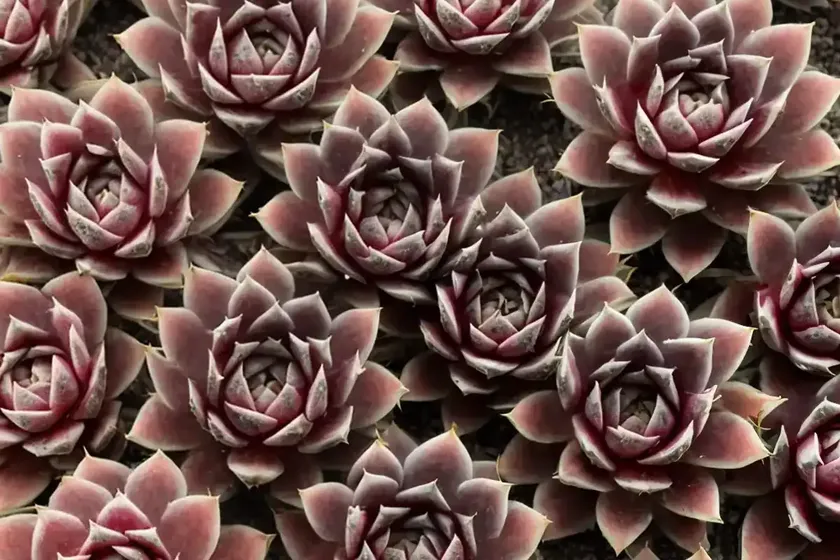
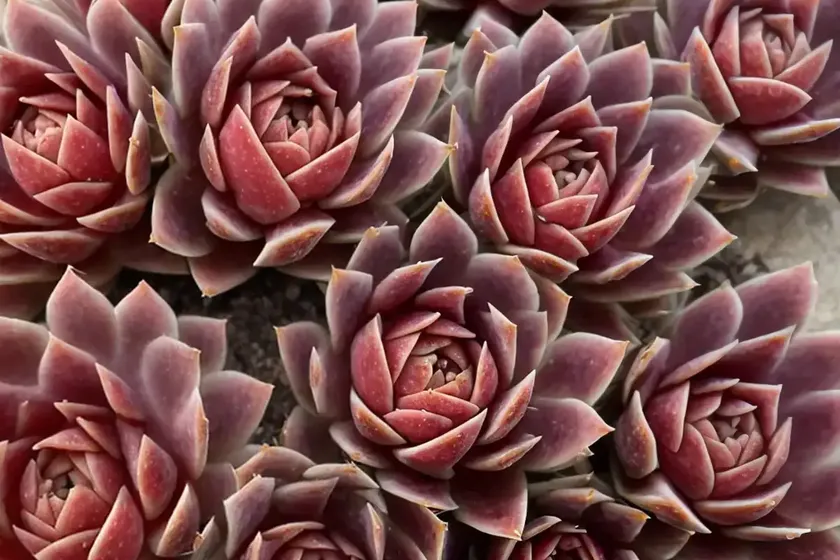
Sempervivum ‘Ruby Heart’, commonly known as Hens and Chicks, is a delightful succulent that belongs to the Crassulaceae family and is native to the mountainous regions of Europe and northern Africa. This charming plant has captured the hearts of many gardening enthusiasts due to its petite, rosette-shaped leaves and its ability to thrive in various climates. Sempervivum, derived from the Latin words “semper,” meaning “forever,” and “vivus,” meaning “living,” suggests the plant’s resilience and perpetuity. Its common name “Hens and Chicks” comes from the way it produces offsets or “chicks” around the parent plant or “hen,” creating a captivating mat of foliage.
Key Takeaways – Sempervivum ‘Ruby Heart’ (Hens and Chicks)
Before delving into the care and cultivation of Sempervivum ‘Ruby Heart’, let’s highlight the key takeaways for this stunning succulent:
- Plant Name: Sempervivum ‘Ruby Heart’ (Hens and Chicks)
- Family: Crassulaceae
- Common Names: Hens and Chicks, Ruby Heart succulent
- Native Habitat: Europe, northern Africa
- Growth Form: Rosette-forming succulent
- Distinct Features: Resilient, perpetually reproducing offsets, attractive rosette leaves
- Cultural Uses: Ornamental, rock gardens, container gardening
- Sunlight: Full sun to partial shade
- Watering: Drought-tolerant, prefers well-draining soil
- Soil: Rocky or sandy, well-draining
- Fertilizer: Minimal requirements, low-nitrogen succulent fertilizer
- Pruning: Removal of spent rosettes and flower stalks
- Propagation: Offsets propagation, seed propagation
- Container Popularity: Widely used in container gardens
- Common Diseases: Rot, powdery mildew
- Common Pests: Aphids, spider mites
- Seasonality: Evergreen, with some variety-specific flowering
- Hardiness Zones: Typically 3 to 8
- Health Benefits: Air-purifying, stress-relieving properties
- Fun Facts: Hundreds of cultivars with varying colors and forms exist, symbolic of perseverance and fertility in some cultures
Now, let’s explore the detailed care guide for nurturing and appreciating the stunning Sempervivum ‘Ruby Heart’ in various garden settings.
Culture
Sempervivum ‘Ruby Heart’ is celebrated for its versatility and adaptability to diverse growing conditions. This section will cover the optimal cultural considerations for successfully cultivating and appreciating this charming succulent.
Uses
Ornamental
Sempervivum ‘Ruby Heart’ serves as a captivating ornamental plant, enhancing the aesthetic appeal of both outdoor and indoor spaces. Due to its compact size and eye-catching foliage, it is often used as a focal point in rock gardens, alpine gardens, and container compositions. The intricate rosette patterns and vibrant colors of the leaves add visual interest to mixed succulent arrangements and xeriscapes.
Rock Gardens
The low-growing and drought-tolerant nature of Hens and Chicks makes it an ideal candidate for rock gardens. Its ability to thrive in gritty, rocky soils and endure dry conditions makes it a valuable addition to this specialized garden type. Whether nestled among larger boulders or cascading down a slope, Sempervivum ‘Ruby Heart’ can impart an enchanting allure to any rock garden.
Container Gardening
With its diminutive and clumping growth habit, Sempervivum ‘Ruby Heart’ is a cherished component of container gardens. Whether showcased in individual pots or combined with other companion succulents, it adds an element of interest and textural contrast to container compositions. Its moderate growth rate and adaptability to shallow containers make it an excellent choice for those seeking to create visually appealing potted arrangements.
Water
Sempervivum ‘Ruby Heart’ exhibits remarkable drought tolerance, making it an excellent choice for water-wise gardening. Proper watering practices are crucial for ensuring the health and vitality of this succulent. Here are some essential watering considerations for Sempervivum ‘Ruby Heart’:
- Frequency: Allow the soil to dry out completely between watering sessions. In most climates, a weekly watering schedule during the active growing season (spring to fall) is adequate. During the winter months, when the plant is mostly dormant, reduce watering frequency to prevent excess moisture around the roots.
- Soil Moisture: Prioritize well-draining soil to prevent waterlogging, which can lead to root rot. Avoid letting excess water accumulate in the rosettes, as it can cause crown rot and compromise the plant’s health.
- Watering Method: Direct water at the base of the plant to minimize moisture contact with the leaves. Irrigate until the water begins to seep out of the bottom of the pot, ensuring thorough hydration without waterlogged conditions.
Sunlight
Proper exposure to sunlight is pivotal for the growth and color development of Sempervivum ‘Ruby Heart’. Understanding the sunlight requirements of this succulent is essential for maximizing its ornamental appeal and overall well-being. Consider the following guidelines for providing adequate sunlight to Hens and Chicks:
- Optimal Light: Sempervivum ‘Ruby Heart’ thrives in full sun to partial shade. When cultivated in regions with intense summer heat, partial shade during the hottest part of the day can provide protection from scorching and potential leaf damage.
- Indoor Lighting: When grown indoors, position the plant in a location that receives bright, indirect light. South-facing windows typically offer the most suitable light intensity for indoor cultivation.
- Summer Considerations: In high-temperature regions, providing some afternoon shade during the peak of summer can prevent leaf bleaching and heat stress. However, ensure that the plant still receives ample sunlight to maintain its compact growth habit and vibrant leaf coloration.
Fertilizer
Fertilization requirements for Sempervivum ‘Ruby Heart’ are relatively minimal, given its preference for lean growing conditions. Applying excessive nutrients, especially high-nitrogen fertilizers, can potentially harm the plant and lead to lush, susceptible growth. Consider the following guidelines for providing appropriate fertilization:
- Fertilizer Type: Opt for a well-balanced, low-nitrogen succulent fertilizer during the active growing season. This can help support modest growth and promote the development of sturdy, colorful rosettes. It is advisable to use a diluted fertilizer solution to prevent the risk of overfeeding and potential damage to the plant.
- Application Frequency: Apply fertilizer sparingly, generally during the spring and summer months when the plant is actively growing. Refrain from supplementing with additional fertilizer during the winter dormancy period, as the plant’s metabolic demands are significantly reduced.
- Soil Condition: Ensure that the soil is well-draining and aerated to facilitate the efficient uptake of nutrients. Proper soil composition plays a crucial role in nutrient availability and overall plant health.
Soil
The selection of an appropriate growing medium is fundamental for fostering healthy growth and longevity in Sempervivum ‘Ruby Heart’. Given its preference for lean, well-draining soils, understanding the ideal soil composition is essential for ensuring the well-being of this resilient succulent. Consider the following soil recommendations for Sempervivum ‘Ruby Heart’:
- Composition: A rocky or sandy substrate with excellent drainage capabilities is well-suited for Sempervivum ‘Ruby Heart’. Consider incorporating coarse sand, perlite, or pumice into the potting mix to enhance aeration and drainage.
- Acidity and Alkalinity: Sempervivum ‘Ruby Heart’ thrives in slightly acidic to neutral soils, typically with a pH range of 5.5 to 7.5. Conducting periodic pH testing can aid in monitoring and adjusting the soil acidity levels as needed.
- Container Considerations: If cultivating Sempervivum ‘Ruby Heart’ in containers, choose pots with drainage holes to prevent waterlogging. A well-draining potting mix, combined with the appropriate container size, promotes optimal root health and reduces the risk of moisture-related issues.
Pruning
Pruning activities for Sempervivum ‘Ruby Heart’ primarily involve the removal of spent rosettes and flower stalks to maintain a tidy appearance and encourage continued growth. Pruning can also contribute to the prevention of disease and pest issues, as well as the promotion of offsets development. Here are some essential considerations for effectively pruning Hens and Chicks:
- Deadheading: Regularly remove faded or withered rosettes to enhance the aesthetic appeal of the plant and promote the emergence of fresh growth. Use sanitized pruning shears to carefully trim the spent rosettes at the base, ensuring minimal disturbance to the surrounding leaves.
- Flower Stalks: After the flowering period, trim the spent flower stalks to prevent the plant from expending excessive energy on seed production. This encourages the allocation of resources towards offsets production and overall vitality.
- Sanitization: Always sterilize pruning tools before and after use to minimize the risk of transmitting diseases or causing wounds to the plant. Wiping the blades with alcohol or a disinfectant solution can help prevent the spread of potential pathogens.
Propagation
The propagation of Sempervivum ‘Ruby Heart’ primarily involves the utilization of offsets, although it can also be achieved through seed propagation. Understanding the propagation techniques is essential for expanding your collection or sharing the charm of Hens and Chicks with fellow gardening enthusiasts. Consider the following propagation methods for Sempervivum ‘Ruby Heart’:
Offsets Propagation
Offsets, also referred to as “chicks,” are miniature rosettes that develop around the base of the parent plant, creating a mat of interconnected foliage. These offsets can be carefully detached and transplanted to establish new plants. Here’s a basic outline of the offsets propagation process:
- Identify mature offsets that have developed a sufficient root system and at least a few sets of leaves.
- Gently remove the offsets from the parent plant by using a clean, sharp knife or scissors, ensuring that a portion of the root system remains attached to facilitate successful establishment.
- Prepare a well-draining potting mix and plant the offsets at an appropriate depth, ensuring that the roots are in contact with the substrate and the lower portion of the rosette is positioned slightly above the soil level.
- Water the newly planted offsets lightly to settle the soil and initiate root development. Gradually transition to regular watering practices once the plants are established.
Seed Propagation
While less commonly practiced than offsets propagation, growing Sempervivum ‘Ruby Heart’ from seeds can be a rewarding and educational experience. Here’s a brief overview of the seed propagation process:
- Obtain high-quality Sempervivum seeds from a reputable source, ensuring that they are fresh and viable for germination.
- Prepare a seed-starting mix composed of well-draining and sterile components to promote successful germination and seedling establishment.
- Sow the seeds on the surface of the prepared seed-starting mix and lightly press them into the substrate to ensure good seed-to-soil contact.
- Maintain consistent moisture levels and provide adequate light to facilitate germination and early seedling growth. Consider covering the containers with a transparent lid or plastic wrap to create a controlled, humid environment.
- Once the seedlings develop several true leaves and demonstrate robust growth, carefully transplant them into individual containers or suitable garden locations to continue their development.
Container Popularity
Sempervivum ‘Ruby Heart’ is exceptionally popular in container gardening due to its compact growth habit, vibrant foliage, and adaptability to shallow containers. The charming appearance of Hens and Chicks, combined with its low-maintenance nature, makes it a favorite choice for both novice and experienced container gardeners. Here are some notable aspects of Sempervivum ‘Ruby Heart’s popularity in container gardening:
- Visual Appeal: The striking rosette formation and diverse leaf colors of Sempervivum ‘Ruby Heart’ contribute to its visual appeal in container compositions. It serves as a focal point or complementary element in succulent arrangements, fairy gardens, and eclectic container displays.
- Low Water Needs: The water-wise nature of Hens and Chicks aligns well with the requirements of container gardening, where efficient water usage is crucial. Its ability to thrive in shallow containers with limited soil volume makes it an excellent choice for small-scale garden designs.
- Versatile Beauty: Whether showcased in individual pots or combined with other compatible succulents, Sempervivum ‘Ruby Heart’ enhances the versatility and elegance of container gardens. Its ability to withstand confined growing conditions without compromising its ornamental value makes it an attractive option for container enthusiasts.
Common Diseases
Despite its resilience, Sempervivum ‘Ruby Heart’ can be susceptible to certain diseases, especially under unfavorable growing conditions or environmental stressors. Recognizing and addressing potential diseases promptly is crucial for maintaining the health and vigor of this beloved succulent. In this section, we will explore common diseases and preventive measures for Sempervivum ‘Ruby Heart:
Disease Diagnosis
Rot (Root or Crown Rot)
Excessive moisture or waterlogged conditions can predispose Sempervivum ‘Ruby Heart’ to various types of rot, such as root rot and crown rot. The symptoms of rot may include wilting, softening, discoloration, and foul odor in the affected plant parts. In severe cases, the plant may exhibit a general decline in health and fail to produce new growth. To address rot issues and prevent their recurrence, consider the following preventive and remedial measures:
- Improving Drainage: Ensure that the growing medium and containers provide adequate drainage to prevent the accumulation of excess moisture around the roots. Transplanting the affected plant to a well-draining substrate can help alleviate the issue and promote recovery.
- Watering Practices: Adjust the watering frequency and volume to align with the plant’s moisture requirements, avoiding both prolonged drought and waterlogged conditions. Allow the soil to dry out partially between watering sessions and monitor the response of the plant to the adjusted regimen.
- Sanitation: Remove and discard severely affected plants and contaminated soil to prevent the spread of the disease. Sterilize all gardening tools and containers to minimize the risk of transmitting pathogens to healthy plants.
Powdery Mildew
Powdery mildew, characterized by the development of powdery, white fungal growth on the leaves and stems, can affect Sempervivum ‘Ruby Heart’ under conditions of high humidity and poor air circulation. The presence of powdery mildew can detract from the plant’s visual appeal and compromise its overall vigor. Consider the following strategies for managing and preventing powdery mildew:
- Air Circulation: Enhance the airflow around the plants by spacing them appropriately and avoiding overcrowding. This can help reduce the favorable conditions for powdery mildew establishment and dissemination.
- Fungicidal Treatments: When necessary, apply suitable fungicidal formulations to address powdery mildew issues. Choose products labeled for use on succulents and follow the application instructions carefully to minimize potential adverse effects on the plants.
Common Pests
Sempervivum ‘Ruby Heart’ may also encounter challenges from certain pests that can compromise its vitality and ornamental value. Vigilant monitoring and prompt intervention are essential for managing pest issues and preserving the health of this delightful succulent. Let’s explore some common pests and recommended control measures:
Aphids
Aphids, tiny sap-sucking insects, can congregate on the leaves and stems of Sempervivum ‘Ruby Heart,’ causing distortion, discoloration, and stunted growth. Their rapid reproductive rate and ability to transmit viral diseases make them a significant concern for succulent enthusiasts. Consider the following methods for addressing aphid infestations:
- Mechanical Removal: Use a gentle stream of water to dislodge and remove aphids from the plant, particularly the undersides of the leaves, where they often congregate. Repeat the process as needed to reduce the pest population and minimize their impact on the plant.
- Biological Control: Encourage the presence of natural aphid predators, such as ladybugs and lacewings, in the garden to help regulate aphid populations. By promoting a diverse and balanced ecosystem, you can bolster the natural pest management capacity of the garden.
Spider Mites
Spider mites, arachnids that feed on plant sap and cause stippling, webbing, and general decline in affected plants, can pose a threat to Sempervivum ‘Ruby Heart’, particularly in dry and warm conditions. Early detection and proactive intervention are crucial for managing spider mite infestations and preventing their widespread establishment. Consider implementing the following measures to address spider mite issues:
- Horticultural Oil: Apply horticultural oil or insecticidal soap to suffocate and disrupt the feeding activity of spider mites. Thoroughly cover the leaves and stems with the treatment, ensuring to target the undersides of the foliage where the mites are commonly found.
- Humidity Management: Increase the ambient humidity around the plants to create an environment less conducive to spider mite proliferation. Regularly misting the foliage or utilizing a humidifier can help mitigate dry conditions that favor spider mite infestations.
Botanist’s Tips
As a botanist, I have encountered the captivating allure of Sempervivum ‘Ruby Heart’ in various garden settings and have gathered valuable insights into the care and cultivation of this exceptional succulent. Here are some expert tips to enhance your success with Sempervivum ‘Ruby Heart’ and maximize its ornamental potential:
- Selecting Containers: When choosing containers for Sempervivum ‘Ruby Heart’, prioritize shallow and wide pots with adequate drainage. These containers provide sufficient space for the shallow root system to spread and promote healthy growth.
- Overwintering Precautions: In regions with harsh winter conditions, consider providing winter protection for Sempervivum ‘Ruby Heart’ to prevent excessive moisture and frost damage. Placing mulch around the base of the plant and sheltering it from prolonged exposure to winter precipitation can help safeguard its well-being.
- Species Selection: Explore the diverse range of Sempervivum cultivars, including various leaf colors, sizes, and growth habits. Experimenting with different varieties can add diversity and intrigue to your succulent collection, enriching your gardening experience.
- Companion Planting: Consider pairing Sempervivum ‘Ruby Heart’ with compatible companion plants, such as stonecrops (Sedum spp.) and low-growing ornamental grasses, to create visually appealing and harmonious garden compositions. The combinations can offer complementary textures and colors, enhancing the overall aesthetics of the landscape.
- Educational Endeavors: Engage in educational activities and exchanges within gardening communities to expand your knowledge of Sempervivum ‘Ruby Heart’ and share your experiences with fellow enthusiasts. Participating in workshops, seminars, and online forums can provide valuable insights and foster a sense of camaraderie among succulent enthusiasts.
Fun Facts
Uncover the intriguing and delightful aspects of Sempervivum ‘Ruby Heart’ through these fun facts that showcase its endearing qualities and cultural significance:
- Symbolism: In various cultures, Sempervivum is revered as a symbol of tenacity, regeneration, and protection. Its common name “Hens and Ch