Yew (Taxus x media ‘Wellesleyana’) – The Evergreen Ornamental Shrub
Yew (Taxus x media ‘Wellesleyana’) is a popular evergreen shrub that is widely used in landscaping due to its attractive appearance and versatility. As a plant scientist, I am excited to share comprehensive insights into the culture, uses, and care of the yew plant. In this blog post, we will explore its ideal growing conditions, propagation methods, common diseases and pests, as well as some interesting facts and historical significance associated with this remarkable plant.
What is Yew (Taxus x media ‘Wellesleyana’)?
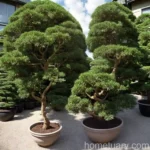
Yew (Taxus x media ‘Wellesleyana’) is a hybrid yew cultivar that belongs to the Taxus genus. It is a cross between Taxus baccata and Taxus cuspidata, resulting in a plant that exhibits the desirable traits of both parent species. This evergreen shrub is valued for its dense, dark green foliage and compact growth habit, making it an excellent choice for hedges, borders, and ornamental landscaping.
Key Takeaways – Yew (Taxus x media ‘Wellesleyana’)
Before delving into the specifics of yew plant care, let’s provide an overview of the key takeaways associated with yew (Taxus x media ‘Wellesleyana’):
- The yew (Taxus x media ‘Wellesleyana’) is a versatile evergreen shrub with ornamental value.
- It is a hybrid cultivar derived from Taxus baccata and Taxus cuspidata.
- Yew plants are commonly used for hedges, landscaping, and as standalone ornamental specimens.
- The yew tree has a rich history, with significant symbolism and medicinal properties.
- Proper care and maintenance are essential for ensuring the health and longevity of yew (Taxus x media ‘Wellesleyana’) plants.
Now, let’s explore the specific aspects of yew plant care, including its cultural requirements, uses, and maintenance guidelines.
Culture
Understanding the cultural requirements of yew (Taxus x media ‘Wellesleyana’) is crucial for successful establishment and growth. The following factors play a significant role in the cultivation of this popular ornamental shrub:
Water
Yew plants require consistent moisture, especially during their initial establishment phase. Adequate watering is essential for promoting root development and overall plant health. However, it’s important to avoid waterlogged conditions, as excessive moisture can lead to root rot and other detrimental issues.
Yew Watering Tips:
- Provide regular watering, especially during dry periods, to ensure the soil remains evenly moist.
- Use mulch around the base of the plant to help retain soil moisture and reduce evaporation.
- Monitor the soil moisture levels to prevent both underwatering and overwatering.
Sunlight
Yew (Taxus x media ‘Wellesleyana’) thrives in partial to full shade conditions, making it suitable for planting in areas with varying light exposure. While it can tolerate some sun, particularly in cooler climates, it generally prefers sheltered locations with dappled sunlight.
Yew Sunlight Guidelines:
- Plant yew shrubs in locations that receive partial shade, especially during the hottest part of the day.
- Avoid planting in areas with intense, direct sunlight, as this can lead to leaf scorch and reduced vigor.
Soil
The yew plant thrives in well-draining, fertile soil with a slightly acidic to neutral pH. It is adaptable to various soil types, including loamy, sandy, or clay soils, as long as they provide good drainage and nutrient availability.
Yew Soil Requirements:
- Conduct a soil test to assess the pH and nutrient levels, making amendments as necessary to create an optimal growing environment.
- Incorporate organic matter, such as compost, into the soil to improve its structure and fertility.
- Avoid waterlogged or compacted soil, as it can negatively impact the growth and health of yew plants.
Fertilizer
Fertilization plays a vital role in supporting the growth and development of yew (Taxus x media ‘Wellesleyana’) plants. Applying a balanced fertilizer with an emphasis on nitrogen can help promote lush foliage and healthy root systems.
Yew Fertilization Guidelines:
- Use a slow-release or granular fertilizer formulated for evergreen shrubs, following the manufacturer’s recommended application rates.
- Apply fertilizer in early spring before new growth emerges, ensuring even distribution around the root zone of the plant.
- Monitor the plant’s response to fertilizer applications and adjust the feeding schedule as needed.
Uses
Yew (Taxus x media ‘Wellesleyana’) is valued for its versatility and is employed for various purposes in gardens, landscapes, and even traditional medicine. Understanding its uses can provide insight into the plant’s multifaceted roles and applications.
Ornamental Landscaping
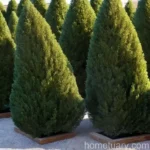
One of the primary uses of yew (Taxus x media ‘Wellesleyana’) is as an ornamental shrub in landscaping. Its compact growth habit, dense foliage, and dark green color make it an ideal choice for creating formal hedges, borders, and foundation plantings.
Yew in Landscaping:
- Use yew plants as hedging material to delineate garden spaces and create privacy screens.
- Incorporate yew shrubs into mixed borders or as standalone specimens to add structure and year-round interest to the landscape.
- Utilize yew (Taxus x media ‘Wellesleyana’) in formal garden designs, where its uniform growth and evergreen foliage contribute to a polished appearance.
Medicinal Properties
Historically, various parts of the yew plant have been utilized in traditional medicine for their medicinal properties. However, it’s essential to note that certain components of the plant, particularly the seeds and foliage, contain toxic compounds and should not be ingested without proper processing and expert guidance.
Yew Medicinal Uses:
- Explore the historical significance of yew plants as a source of compounds with potential medicinal properties.
- Recognize the toxic nature of certain yew plant parts and the importance of responsible use and professional consultation for any medicinal applications.
- Approach the medicinal use of yew (Taxus x media ‘Wellesleyana’) with caution and always seek advice from qualified healthcare practitioners or herbalists.
Symbolism and Folklore
Yew trees have deep-rooted symbolism and have been associated with various cultural and mythological beliefs. Their longevity, resilience, and evergreen nature have contributed to their significance in folklore and traditional customs.
Yew Symbolism:
- Explore the symbolic meanings and cultural significance of yew plants in different societies and historical contexts.
- Recognize the role of yew trees in mythological narratives and traditional folklore, highlighting their enduring presence in human culture.
Timber Uses
Yew wood is highly prized for its durability, fine grain, and rich color, making it a desirable material for crafting furniture, bows, and decorative items. The timber from yew trees has been historically utilized in woodworking due to its exceptional qualities.
Yew Timber Applications:
- Acknowledge the historical use of yew wood in traditional crafts, such as bow making and furniture construction.
- Highlight the unique characteristics of yew timber and its significance in artisanal pursuits and cultural heritage.
Pruning
Proper pruning is essential for maintaining the shape, size, and overall appearance of yew (Taxus x media ‘Wellesleyana’) plants. Additionally, it promotes air circulation within the shrub, reducing the risk of disease and enhancing its aesthetic appeal.
Yew Pruning Guidelines:
- Prune yew shrubs in late winter or early spring before the start of new growth to rejuvenate the plant and maintain its desired form.
- Avoid heavy pruning during the growing season, as this can stress the plant and inhibit regrowth.
- Use sharp, sterilized pruning tools to make clean cuts and minimize the risk of damage or disease transmission.
Propagation
Propagating yew (Taxus x media ‘Wellesleyana’) can be achieved through various methods, including seed propagation, cuttings, and layering. While it may require some patience and careful attention, successful propagation allows for the expansion of yew plantings and aids in preserving specific cultivars.
Yew Propagation Techniques:
- Collect yew seeds in the fall and sow them in a well-prepared seedbed, providing the necessary conditions for germination and initial growth.
- Take semi-hardwood cuttings from healthy, established yew plants and root them in a suitable growing medium to create new clones of the cultivar.
- Explore the method of layering as a means of encouraging roots to develop on stems while they are still attached to the parent plant.
Container Popularity
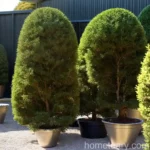
The versatility of yew (Taxus x media ‘Wellesleyana’) extends to container gardening, where it can serve as a striking and low-maintenance addition to outdoor spaces, patios, and landscapes.
Yew in Containers:
- Utilize yew shrubs in containers to create portable greenery that can be positioned strategically to enhance outdoor aesthetics.
- Select appropriately sized containers with adequate drainage to accommodate yew plants while providing the necessary space for root development.
- Incorporate yew (Taxus x media ‘Wellesleyana’) in container gardens, where its evergreen foliage adds year-round appeal and structure to the compositions.
Common Diseases
Yew (Taxus x media ‘Wellesleyana’) can be susceptible to certain diseases and health concerns that require proactive management and preventive measures to maintain its vigor and aesthetic appeal.
Disease Diagnosis:
- Identify common fungal diseases that can affect yew plants, including phytophthora root rot and needle blights, and implement appropriate management strategies.
- Monitor the plant for symptoms of stress, discoloration, or defoliation, which could indicate potential disease issues that need to be addressed promptly.
- Consult with local extension services, plant health professionals, or horticultural experts to accurately diagnose and address any suspected diseases affecting yew shrubs.
Common Pests
Yew (Taxus x media ‘Wellesleyana’) is relatively resistant to most pests; however, it can occasionally face challenges from certain insects and mites that require targeted control measures to mitigate their impact.
Pest Management:
- Implement integrated pest management (IPM) practices to maintain the balance of pest populations and minimize the reliance on chemical control methods.
- Recognize common pests that may infest yew plants, such as scale insects, spider mites, and bagworms, and employ appropriate tactics for monitoring and control.
- Encourage natural predators and beneficial insects that can help keep pest populations in check, contributing to a healthier plant ecosystem.
Botanist’s Tips
As a plant scientist, I have compiled some essential tips for cultivating and caring for yew (Taxus x media ‘Wellesleyana’) plants based on scientific principles and practical experience.
Botanist’s Recommendations:
- Ensure proper air circulation and spacing when planting yew shrubs to minimize the risk of foliar diseases and encourage overall plant vigor.
- Regularly monitor soil moisture levels and adjust irrigation practices to prevent water stress and maintain optimal growing conditions.
- Incorporate organic mulch around the base of yew plants to conserve moisture, suppress weed growth, and improve soil structure.
Fun Facts
Here are some intriguing and lesser-known facts about yew (Taxus x media ‘Wellesleyana’) that highlight its unique qualities and historical significance.
- The English yew (Taxus baccata) has been associated with churchyards and sacred sites for centuries, often symbolizing longevity and renewal.
- Yew trees are among the oldest living organisms, with certain specimens estimated to exceed thousands of years in age, showcasing their remarkable longevity.
- Historically, yew wood was highly sought after for crafting longbows, renowned for their strength and precision, as evidenced in medieval and ancient warfare.
Links to External Resources
For further information on yew (Taxus x media ‘Wellesleyana’) care, propagation, and in-depth plant biology, I recommend exploring the following external resources:
- Royal Horticultural Society – Growing Yew
- University of Florida Extension – Yew Planting and Care
- Missouri Botanical Garden – Yew Tree Diseases
- Penn State Extension – Yew Shrub Pruning Guide
- American Conifer Society – Yew Cultivation and Propagation
In conclusion, yew (Taxus x media ‘Wellesleyana’) is a captivating and resilient plant that has earned its place as a prized ornamental shrub in horticulture and landscaping. By understanding its cultural needs, uses, propagation methods, and potential challenges, enthusiasts and gardeners can successfully cultivate and appreciate the timeless beauty of this evergreen gem.
Keywords: Yew tree varieties, Taxus species, Wellesleyana yew, Yew plant care, Yew shrubs, Evergreen yew, Ornamental yew, Yew hedges, Yew in landscaping, Yew plant diseases, Yew tree pruning, Yew tree facts, Yew tree propagation, Yew tree characteristics, Yew tree growth rate, Yew tree uses, Yew tree toxicity, Yew tree cultivation, Yew tree lifespan, Yew tree symbolism, Yew tree benefits, Yew tree varieties for shade, Yew tree pests and control, Yew tree root system, Yew tree leaf morphology, Yew tree winter care, Yew tree companion plants, Yew tree landscape design, Yew tree medicinal properties, Yew tree natural habitat, Yew tree endangered species, Yew tree native range, Yew tree needle structure, Yew tree timber uses, Yew tree growth habits, Yew tree wildlife habitat, Yew tree myth and folklore, Yew tree climate requirements, Yew tree soil preferences, Yew tree water requirements, Yew tree garden uses, Yew tree mulching techniques, Yew tree pruning methods, Yew tree root pruning, Yew tree propagation tips, Yew tree landscape maintenance, Yew tree companion shrubs, Yew tree architectural uses, Yew tree market value, Yew tree historical significance.