Yew (Taxus x media ‘Wardii’)
Yew (Taxus x media ‘Wardii’) is a captivating evergreen shrub that belongs to the Taxaceae family. Known for its elegant appearance and versatility, it has become a popular choice among gardeners and landscapers. In this comprehensive guide, we will explore the facets of yew (Taxus x media ‘Wardii’) – from its culture and uses to its maintenance and care. Let’s dive in and uncover the secrets of this remarkable plant.
What is Yew (Taxus x media ‘Wardii’)?
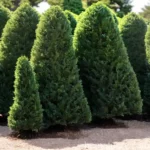
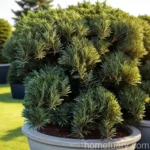
Yew (Taxus x media ‘Wardii’) is a hybrid yew resulting from the cross between Taxus baccata, the English yew, and Taxus cuspidata, the Japanese yew. This evergreen shrub is known for its dense, dark green foliage and its compact growth habit. ‘Wardii’ is a cultivar within the Taxus x media species and is prized for its ornamental value and adaptability to various growing conditions. It typically grows in a rounded shape and is commonly used as a hedge or foundation plant.
Key Takeaways
Let’s start by summarizing the key takeaways about yew (Taxus x media ‘Wardii’):
- Yew (Taxus x media ‘Wardii’) is a hybrid evergreen shrub with a dense, compact growth habit.
- Its dark green foliage and rounded shape make it an excellent choice for hedges and foundation planting.
- Yew (Taxus x media ‘Wardii’) is versatile and can thrive in diverse growing conditions.
- It is valued for its ornamental appeal and is often used in landscaping and garden design.
Now that we have an overview of yew (Taxus x media ‘Wardii’), let’s delve into its culture, uses, and specific requirements for optimal growth and maintenance.
Culture
Water
Yew (Taxus x media ‘Wardii’) generally prefers well-drained soil and moderate moisture levels. During the establishment period, regular watering is essential to promote healthy root development. Once established, it is relatively drought tolerant, making it suitable for regions with varying rainfall patterns. However, during prolonged dry spells, supplemental watering may be necessary to maintain its vitality and lush appearance.
Sunlight
When it comes to sunlight, yew (Taxus x media ‘Wardii’) demonstrates remarkable adaptability. While it thrives in partial shade to full sun, it tends to perform best in locations with dappled sunlight or partial shade, especially in regions with hot summers. In contrast, it can tolerate full sun exposure in cooler climates. Finding the right balance of sunlight is crucial to ensuring vigorous growth and dense foliage.
Fertilizer
Proper fertilization plays a pivotal role in enhancing the growth and vigor of yew (Taxus x media ‘Wardii’). A balanced, slow-release fertilizer applied in spring can provide the essential nutrients for robust foliage and overall health. It is important to follow the recommended application rates to avoid over-fertilization, which can lead to excessive growth and potential susceptibility to diseases.
Soil
Yew (Taxus x media ‘Wardii’) thrives in well-drained, slightly acidic soils. A fertile, loamy soil with good drainage is ideal for its growth and development. It is important to ensure that the soil pH is within the optimal range to support nutrient uptake and overall plant health. Periodic soil testing can help in determining the need for any necessary amendments to maintain favorable soil conditions.
Pruning
Pruning is an essential aspect of yew (Taxus x media ‘Wardii’) maintenance, contributing to its desired shape, density, and overall appearance. Regular pruning helps to promote a compact growth habit and encourages the development of new foliage. It is recommended to prune yew shrubs in late winter or early spring before the onset of new growth. Care should be taken to remove dead or diseased branches while shaping the plant to maintain its ornamental value.
Propagation
Yew (Taxus x media ‘Wardii’) can be propagated through various methods such as cuttings, layering, and seeds. However, propagation through cuttings is the most common and effective technique for maintaining the characteristics of the parent plant. Softwood or hardwood cuttings can be used for propagation, with the ideal time for taking cuttings being early summer for softwood and late autumn or winter for hardwood cuttings. Proper care and optimal environmental conditions are essential to ensure successful root development in newly propagated yew plants.
Container Popularity
The compact growth habit and ornamental appeal of yew (Taxus x media ‘Wardii’) make it a popular choice for container gardening. It is well-suited for growing in containers on patios, decks, or even balconies, adding a touch of greenery and elegance to outdoor spaces. When grown in containers, it is essential to provide adequate drainage to prevent waterlogging and to repot the plant as necessary to accommodate its growth.
Common Diseases
While yew (Taxus x media ‘Wardii’) is relatively resilient, it is susceptible to certain diseases that can affect its health and appearance. Common diseases that may affect yew shrubs include:
- Phytophthora Root Rot: This fungal disease, caused by Phytophthora spp., can lead to root rot and subsequent decline of the plant. Symptoms include yellowing or browning of foliage, stunted growth, and dieback.
- Cylindrocladium Needle Blight: Causd by Cylindrocladium pseudonaviculatum, this disease results in the browning and shedding of needles, particularly in the lower portion of the shrub. Proper sanitation and fungicidal treatments are essential for managing this disease.
- Powdery Mildew: Powdery mildew, caused by various fungal species, can lead to the development of white, powdery patches on the foliage. It is important to monitor the plant closely and consider fungicidal treatments if powdery mildew becomes prevalent.
Disease Diagnosis
Accurate diagnosis of diseases affecting yew (Taxus x media ‘Wardii’) is crucial for implementing effective management strategies. The following signs and symptoms can aid in diagnosing common diseases:
- Visual assessment of foliage for discoloration, spotting, or abnormal patterns.
- Examination of the root system for signs of rot or decay.
- Monitoring changes in growth patterns, including dieback and stunted growth.
- Inspection for the presence of fungal spores or powdery residue on the foliage.
It is advisable to consult with a plant pathologist or horticulture expert for precise disease diagnosis and tailored recommendations for disease management.
Common Pests
Yew (Taxus x media ‘Wardii’) may also be susceptible to infestations from certain pests that can impact its vitality and aesthetic appeal. Common pests that may affect yew shrubs include:
- Yew Scale (Coccus hesperidum): These small, armored scale insects can infest the foliage and stems, leading to yellowing and weakening of the plant. Effective control measures, such as horticultural oil applications, can help mitigate scale infestations.
- Spider Mites (Tetranychus spp.): Spider mites are tiny arachnids that can cause stippling and discoloration of the foliage as they feed on plant sap. Regular monitoring and the application of insecticidal soaps can help manage spider mite populations.
- Yew Weevils (Rhynchaenus spp.): Adult weevils feed on the foliage, creating characteristic notches along the leaf margins. Larvae may also feed on the roots, potentially causing damage to the plant. Monitoring and targeted insecticide applications can aid in controlling yew weevil infestations.
Vigilant monitoring and prompt intervention are essential for mitigating the impact of pests on yew (Taxus x media ‘Wardii’).
Botanist’s Tips
As a botanist familiar with the unique characteristics of yew (Taxus x media ‘Wardii’), I would like to share some valuable tips for cultivating and caring for this remarkable plant:
- Proper Drainage: Ensuring adequate soil drainage is crucial for preventing waterlogged conditions, which can be detrimental to the health of yew shrubs.
- Selective Pruning: When pruning yew shrubs, it is important to maintain the natural form and structure of the plant while removing dead or diseased branches.
- Disease Monitoring: Regular monitoring for signs of diseases and pests can help in early intervention and effective management of potential issues.
- Balanced Fertilization: Use a balanced fertilizer with a formulation suited for evergreen shrubs to provide essential nutrients without promoting excessive growth.
- Propagation Care: When propagating yew (Taxus x media ‘Wardii’), maintaining consistent moisture levels and environmental conditions is crucial for successful root development.
Fun Facts
To add a touch of intrigue to our exploration of yew (Taxus x media ‘Wardii’), let’s uncover some fascinating and lesser-known facts about this captivating evergreen shrub:
- Historical Significance: Yew trees have held symbolic and cultural significance throughout history, often associated with longevity, protection, and spirituality.
- Toxicity: Various parts of the yew plant, including the foliage and seeds, contain toxic compounds known as taxine. Caution should be exercised to prevent ingestion by humans and animals.
- Ancient Yews: Some yew trees are among the oldest living organisms, with several individuals estimated to be over a thousand years old, providing a living link to the past.
- Medicinal Uses: Despite its toxicity, certain compounds derived from yew plants have been utilized in the development of medicinal drugs, particularly in the treatment of cancer.
Now that we’ve unraveled the enchanting facets of yew (Taxus x media ‘Wardii’), it’s time to expand our knowledge and understanding by exploring the various uses and benefits of this remarkable plant.
Links to External Resources
To further enrich your understanding of yew (Taxus x media ‘Wardii’) and delve deeper into specific aspects of its cultivation and care, the following external resources provide valuable insights and practical information:
- Royal Horticultural Society – Taxus x media ‘Wardii’
- Missouri Botanical Garden – Taxus x media ‘Wardii’
- University of Florida IFAS Extension – Yew Diseases
- The American Phytopathological Society – Phytophthora Root Rot of Yew
By exploring these resources, you can gain valuable insights into yew (Taxus x media ‘Wardii’) and its role in gardens, landscapes, and ecosystems, as well as access expert guidance on its cultivation, maintenance, and potential challenges.
In this comprehensive guide, we have explored the captivating world of yew (Taxus x media ‘Wardii’), unraveling its cultural significance, cultivation requirements, uses, and intriguing attributes. Understanding the nuances of this remarkable evergreen shrub empowers us to appreciate its ornamental value and vital role in diverse garden settings. Whether used as a formal hedge, a focal point in the landscape, or an elegant container plant, yew (Taxus x media ‘Wardii’) continues to enchant and inspire with its timeless allure.