The Japanese Yew (Taxus Cuspidata): A Complete Guide
Plants play an essential role in our lives, offering environmental, aesthetic, and practical benefits. One such remarkable plant species is the Japanese yew, scientifically known as Taxus cuspidata. This versatile evergreen shrub is treasured for its various uses, from landscaping and ornamental purposes to medicinal properties. In this comprehensive guide, we will explore the characteristics, cultivation, maintenance, and uses of the Japanese yew, providing valuable insights into its care and potential applications.
What Is the Japanese Yew (Taxus Cuspidata)?
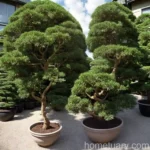
The Japanese yew, Taxus cuspidata, is a species of coniferous shrub belonging to the Taxaceae family. It is native to East Asia, particularly Japan, Korea, northeastern China, and the Russian Far East. This slow-growing, long-lived evergreen is known for its dense, dark green foliage and bright red berries. Its scientific name, Taxus cuspidata, reflects its pointed (cuspidate) leaves and its taxonomic classification within the genus Taxus.
Key Takeaways – Japanese Yew (Taxus Cuspidata)
Before delving into the specifics of cultivating and caring for Japanese yew, let’s highlight some key takeaways regarding this remarkable plant:
-
Taxus Cuspidata Benefits
- Ornamental value in landscaping
- Medicinal properties
- Wildlife habitat and food source
-
Japanese Yew Uses
- Landscaping and ornamental purposes
- Medicinal applications
- Wildlife support
-
Taxus Cuspidata Characteristics
- Evergreen, dense foliage
- Slow-growing
- Coniferous shrub
-
Japanese Yew Description
- Dark green, pointed leaves
- Bright red berries
- Compact growth habit
-
Taxus Cuspidata Care Tips
- Soil, sunlight, and water requirements
- Pruning and maintenance guidelines
-
Japanese Yew Planting Guide
- Soil preparation and planting instructions
- Suitable growing conditions
-
Taxus Cuspidata Maintenance
- Regular care and upkeep
- Disease prevention and management
-
Japanese Yew Growth Habits
- Slow growth rate
- Evergreen nature
- Propagation methods
-
Taxus Cuspidata Varieties
- Different cultivars and varieties
- Variances in growth patterns and features
-
Japanese Yew Pruning Techniques
- Recommendations for shaping and maintenance
- Seasonal pruning considerations
Now, let’s explore each of these aspects in detail to gain a comprehensive understanding of this fascinating plant.
Culture
Soil Requirements
Japanese yews thrive in well-draining, slightly acidic soil with a pH range of 5.0 to 6.5. Loamy or sandy soils with good fertility and adequate organic matter content are ideal for promoting healthy growth. It is essential to avoid waterlogged or excessively compacted soils, as these conditions can lead to root rot and other issues.
Water
While Japanese yews are relatively drought-tolerant once established, they benefit from regular watering, especially during periods of extended dryness. Adequate moisture is crucial during the plant’s establishment phase and in hot, dry climates. However, it is important to avoid overwatering, as excessively wet conditions can lead to root rot and other fungal diseases.
Sunlight
These evergreen shrubs thrive in partial to full shade, making them suitable choices for shaded or woodland gardens. They can also tolerate some morning sun, but intense afternoon sunlight should be avoided, as it can cause leaf burn and stress the plants.
Fertilizer
Proper fertilization is important for promoting the healthy growth of Japanese yews. A balanced, slow-release fertilizer applied in spring, before the new growth emerges, can provide the necessary nutrients for vibrant foliage and steady development. It is important to follow the manufacturer’s recommendations regarding application rates and frequency to prevent overfertilization, which can damage the plants.
Pruning
Pruning is an essential aspect of Japanese yew maintenance, helping to shape the plants, remove dead or damaged growth, and promote overall plant health. Light pruning can be carried out throughout the growing season to maintain the desired shape and density, while more significant pruning is best performed in late winter or early spring before the new growth begins.
Propagation
Japanese yews can be propagated through various methods, including seed propagation, softwood cuttings, and hardwood cuttings. Softwood cuttings are typically taken in early summer, while hardwood cuttings are collected in late fall or early winter. Propagation from seed is also possible, but it requires more time and patience due to the slow growth rate of the plants.
Container Popularity
Japanese yews are popular choices for container gardening, thanks to their compact growth habit and attractive foliage. When grown in containers, they can be used to add greenery and structure to patios, balconies, and small outdoor spaces, providing a versatile option for urban and suburban gardens.
Container Common Diseases
While container-grown Japanese yews are generally less susceptible to soil-borne diseases compared to those planted directly in the ground, they can still be affected by certain issues such as root rot and leaf spot. Proper watering practices, well-draining soil, and adequate air circulation can help mitigate the risk of these diseases in container-grown specimens.
Disease Diagnosis
Recognizing and diagnosing common diseases affecting Japanese yew is crucial for implementing effective management strategies. Some common issues to watch out for include:
- Root Rot: Caused by waterlogged or poorly draining soil, resulting in wilting, yellowing foliage, and eventual plant decline.
- Powdery Mildew: Characterized by a white, powdery coating on the leaves, often leading to leaf distortion and premature leaf drop.
- Canker Diseases: Manifest as sunken, discolored areas on the bark, often causing dieback and weakening of the affected branches.
Regular monitoring and prompt intervention are key to addressing these issues and preventing their spread.
Common Pests
While Japanese yews are relatively resistant to pest infestations, they can be affected by certain insects, including:
- Scale Insects: These small, immobile insects can infest the foliage and stems, causing yellowing or browning of the affected plant parts.
- Spider Mites: Common in hot, dry conditions, spider mites can cause stippling and discoloration of the leaves, leading to an overall decline in plant health.
- Bagworms: These caterpillars construct spindle-shaped bag-like structures on the branches, feeding on the foliage and potentially defoliating the plants if left uncontrolled.
Implementing integrated pest management practices, such as regular monitoring, cultural controls, and targeted insecticide applications when necessary, can help manage pest populations and minimize damage to the plants.
Botanist’s Tips
Fun Facts
- The wood of yew trees, including Taxus cuspidata, is highly durable and has been historically used for making longbows.
- Taxol, a compound derived from yew trees, including Taxus cuspidata, has been used in cancer treatments due to its cytotoxic properties.
Links to External Resources
Now that we’ve explored the various aspects of Japanese yew cultivation and care, it’s important to continue learning and expanding our knowledge. Here are some valuable external resources for further information:
- University of Florida IFAS Extension – Taxus Cuspidata
- Missouri Botanical Garden – Taxus Cuspidata
- Royal Horticultural Society – Japanese Yew
In conclusion, the Japanese yew (Taxus cuspidata) is a versatile and valuable plant with numerous applications and benefits. Whether used in landscaping, cultivated in containers, or appreciated for its medicinal properties, this evergreen shrub offers both aesthetic and practical advantages. By understanding its characteristics, care requirements, and potential uses, we can fully appreciate the beauty and significance of the Japanese yew in our natural environments and gardens.
By writing this complete guide, I hope to provide readers with a thorough understanding of the Japanese yew (Taxus cuspidata), enabling them to cultivate and appreciate this remarkable plant. If there are any aspects you’d like to explore further or if you have specific questions, please feel free to reach out. I’m here to help!