Japanese Yew (Taxus cuspidata ‘Bright Gold’)
In the world of landscaping and gardening, the Japanese yew, scientifically known as Taxus cuspidata ‘Bright Gold’, holds a special place. Renowned for its vibrant foliage and versatility, this evergreen shrub has become a favorite among horticulturists and homeowners seeking to enhance their outdoor spaces. In this comprehensive guide, we will delve into the intricacies of cultivating and caring for the Japanese yew, exploring everything from its cultural preferences to common pests and diseases. Whether you are a seasoned plant enthusiast or a beginner looking to expand your horticultural horizons, this article will equip you with a wealth of knowledge about the captivating Japanese yew.
What is the Japanese Yew (Taxus cuspidata ‘Bright Gold’)?
The Japanese yew, or Taxus cuspidata ‘Bright Gold’, is a cultivar known for its striking golden foliage. It is a compact, slow-growing evergreen shrub that belongs to the Taxaceae family. This plant is native to East Asia, particularly Japan, Korea, and northeastern China. In its natural habitat, the Japanese yew thrives in forests and mountainous regions, where it can withstand varying light and soil conditions.
The ‘Bright Gold’ variety of Taxus cuspidata stands out for its vibrant, yellow-gold needles, adding a pop of color to gardens and landscapes. With its dense, bushy habit and moderate growth rate, this cultivar is prized for its ornamental value and adaptability to different climates.
Key Takeaways – Japanese Yew (Taxus cuspidata ‘Bright Gold’)
Before delving into the intricacies of Japanese yew care, let’s outline the key takeaways that we will explore in detail throughout this guide.
- Culture
- Uses
- Water
- Sunlight
- Fertilizer
- Soil
- Pruning
- Propagation
- Container Popularity
- Common Diseases
- Common Pests
- Botanist’s Tips
- Fun Facts
- Links to External Resources
Now, let’s embark on a comprehensive journey into the world of Taxus cuspidata ‘Bright Gold’, exploring its cultivation, maintenance, and unique characteristics.
Culture
Understanding the cultural requirements of the Japanese yew is crucial for ensuring its optimal growth and health. From its preferred climate to soil conditions, let’s explore the cultural aspects of cultivating this stunning evergreen shrub.
Climate Adaptability
The Japanese yew is known for its adaptability to a wide range of climates. From temperate regions to areas with cold winters, this versatile shrub can thrive in various climate zones. It is particularly well-suited to USDA hardiness zones 4 to 7, where it can withstand the cold temperatures typical of these regions. However, it is important to note that extreme heat and humidity might not be ideal for the Japanese yew, as it tends to prefer cooler, well-ventilated environments.
Soil Requirements
When it comes to soil, the Japanese yew demonstrates a preference for well-drained, slightly acidic soil. A pH range of 5.0 to 6.5 is considered optimal for this evergreen shrub. Additionally, the soil should be rich in organic matter, providing essential nutrients for healthy growth. Prior to planting, it is advisable to amend the soil with compost or organic materials to enhance its structure and fertility.
Watering Needs
In its early establishment phase, the Japanese yew requires adequate moisture to develop a robust root system. Regular watering is essential, especially during dry spells or hot weather. However, once the plant is established, it exhibits a good tolerance to drought, making it a resilient addition to gardens and landscapes.
Uses
The Japanese yew (Taxus cuspidata ‘Bright Gold’) offers a myriad of uses in landscaping and horticulture. Whether employed as a standalone specimen or incorporated into mixed borders, this versatile shrub can elevate the aesthetic appeal of outdoor spaces. Let’s explore some of its primary uses in horticultural settings.
Ornamental Value
One of the most prominent uses of the Japanese yew is its ornamental value. The ‘Bright Gold’ variety, in particular, stands out for its vibrant foliage, which adds a touch of elegance and visual interest to gardens. Whether used as a focal point or as part of a larger planting scheme, the eye-catching golden needles of this cultivar can create stunning visual contrasts and focal points in the landscape.
Hedging and Screening
Due to its dense growth habit and moderate height, the Japanese yew is often used for hedging and screening purposes. When planted in rows, it can form an effective privacy screen or natural boundary, providing seclusion and structure to outdoor spaces. Its evergreen nature ensures year-round coverage, making it an attractive option for creating secluded garden areas or delineating property lines.
Container Planting
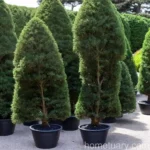
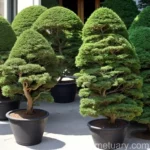
The Japanese yew’s compact growth and striking foliage make it well-suited for container planting. Whether placed on patios, terraces, or balconies, this shrub can thrive in containers, adding a touch of greenery and color to urban and small-space gardens. Its adaptability to container cultivation makes it a versatile choice for both indoor and outdoor décor.
Sunlight
Like many evergreen plants, the Japanese yew has specific sunlight requirements that contribute to its overall health and vitality. Understanding its preferences for sunlight exposure is essential for ensuring successful cultivation. Let’s delve into the sunlight requirements of Taxus cuspidata ‘Bright Gold’.
Sun Exposure
The Japanese yew thrives in partial shade to full sun conditions. While it can tolerate shade, it tends to exhibit the best growth and foliage coloration when exposed to at least 4 to 6 hours of direct sunlight per day. When choosing a planting location, it is advisable to position the shrub where it can receive adequate sunlight, especially in climates with cooler summers, to promote vibrant foliage and overall vigor.
It is important to note that prolonged exposure to intense afternoon sun in hot climates might lead to sunscald or foliage burn. In such regions, providing some protection from harsh midday sun can help prevent stress and damage to the plant.
Fertilizer
Appropriate fertilization is crucial for promoting healthy growth and vibrant foliage in the Japanese yew. By providing essential nutrients, gardeners can support the shrub’s overall vigor and ornamental appeal. Let’s explore the fertilizer requirements and best practices for fertilizing Taxus cuspidata ‘Bright Gold’.
Timing and Frequency
Fertilization of the Japanese yew is typically carried out in early spring, just before the onset of new growth. A balanced, slow-release fertilizer formulated for evergreen shrubs is recommended for this purpose. Ideally, a 10-10-10 or 12-6-6 fertilizer can provide the necessary balance of nutrients without promoting excessive vegetative growth.
Application Method
When applying fertilizer, it is important to distribute it evenly around the drip line of the shrub, ensuring that it reaches the root zone. Care should be taken to avoid direct contact between the fertilizer and the foliage, as this may lead to burning or discoloration of the needles. Watering the plant after fertilization can help to incorporate the nutrients into the soil and promote their uptake by the roots.
Avoiding Overfertilization
Overfertilization can have detrimental effects on the Japanese yew, leading to excessive growth, nutrient imbalances, and potential stress. As such, it is crucial to follow recommended application rates and avoid the temptation to overapply fertilizer, especially with younger plants. Regular monitoring of the shrub’s growth and overall health can help in determining the effectiveness of the fertilization regimen.
Pruning
Pruning plays a vital role in shaping the Japanese yew and maintaining its desired form and size. Whether used as a standalone specimen, hedge, or topiary, this shrub benefits from regular pruning to promote a compact, tidy appearance. Let’s explore the pruning techniques and best practices for Taxus cuspidata ‘Bright Gold’.
Timing
The ideal time to prune the Japanese yew is in late winter to early spring, before the onset of new growth. This allows for rejuvenation and shaping of the plant, as well as the removal of any damaged or dead branches. Regular, light pruning can also be carried out in summer to maintain the desired shape and density.
Pruning Techniques
When pruning the Japanese yew, it is important to use sharp, clean tools to make precise cuts. The goal is to promote branching and compact growth while preserving the natural form of the shrub. Regular light shearing can help to maintain a dense, uniform appearance, particularly when used for hedging or topiary purposes.
Rejuvenation Pruning
In some cases, older or neglected Japanese yews may benefit from more extensive rejuvenation pruning to renew their vigor and appearance. This involves selectively removing older branches to encourage new growth and rejuvenate the plant. Care should be taken to avoid removing more than one-third of the plant’s overall foliage in a single pruning session to minimize stress.
Propagation
The propagation of Japanese yew can be achieved through several methods, each with its own advantages and considerations. Whether seeking to expand your yew collection or share plants with fellow enthusiasts, understanding the propagation techniques is essential. Let’s explore the key methods for propagating Taxus cuspidata ‘Bright Gold’.
Seed Propagation
While possible, propagating the Japanese yew from seed can be a relatively slow and unpredictable process. Yew seeds are enclosed in a fleshy, red aril, often referred to as a “berry”, which contains the toxic seed within. To propagate from seed, the arils should be collected and cleaned, taking care to avoid skin contact due to their toxic nature. The seeds can then be sown in a moist, well-draining seed-starting mix and kept at a consistent temperature for germination.
Stem Cuttings
Stem cuttings offer a more reliable and efficient method of propagating the Japanese yew. During the late spring or early summer, select healthy, non-flowering shoots for propagation. Cuttings should be around 4 to 6 inches long, taken from the current season’s growth, and treated with a rooting hormone to encourage the development of roots. These cuttings can be placed in a well-draining propagation medium and kept in a warm, humid environment until roots develop.
Division
For mature Japanese yews, division can be an effective propagation method. This involves carefully dividing the root ball of the plant, separating it into smaller sections that can be replanted to form new shrubs. This method is best suited for older, established specimens that have developed multiple stems and an extensive root system.
Container Popularity
The Japanese yew’s adaptability to container cultivation has made it a popular choice for adding greenery and color to outdoor spaces in urban and small-scale settings. Whether used as a standalone feature or incorporated into mixed container plantings, this versatile shrub offers numerous benefits for container gardening enthusiasts. Let’s explore the factors contributing to its container popularity and essential considerations for growing Taxus cuspidata ‘Bright Gold’ in containers.
Compact Size
The moderate growth habit and compact nature of the Japanese yew make it well-suited for container cultivation. Its slow growth rate allows it to thrive in containers for extended periods without outgrowing its allotted space. This aspect makes it a low-maintenance choice for those seeking long-term container plantings.
Striking Foliage
The vibrant, golden foliage of the ‘Bright Gold’ variety enhances its appeal as a container plant. When grown in containers, the striking foliage can serve as a focal point, adding visual interest and vibrancy to patios, balconies, and outdoor living spaces.
Versatile Design Options
In container gardening, the Japanese yew offers versatility in design and composition. It can be used as a standalone specimen in decorative planters or combined with other evergreen shrubs, perennials, or seasonal blooms to create visually captivating container arrangements. Its adaptability to various design styles and themes makes it a valuable addition to container gardens.
Common Diseases
Despite its resilience, the Japanese yew is susceptible to certain diseases that can impact its health and vigor. Recognizing the symptoms of common diseases and understanding preventive strategies is essential for maintaining the well-being of Taxus cuspidata ‘Bright Gold’. Let’s explore some of the prevalent diseases that can affect this evergreen shrub.
Phytophthora Root Rot
Phytophthora root rot is a fungal disease caused by various species of the Phytophthora genus. In the case of the Japanese yew, this disease can result in wilting, yellowing foliage, and eventual dieback of the plant. Typically, it thrives in waterlogged or poorly drained soil, making it crucial to ensure proper drainage and soil management to prevent the onset of this disease.
Cylindrocladium Blight
Cylindrocladium blight, also known as twig blight, is caused by the fungal pathogen Cylindrocladium. This disease manifests as browning and dieback of the needles and twigs, often leading to unsightly blemishes on the plant. Warm, humid conditions can exacerbate the spread of this disease, making it important to provide adequate ventilation and avoid overcrowding of plants.
Needle Cast Diseases
Various needle cast diseases caused by fungal pathogens can affect the foliage of the Japanese yew. Symptoms include discoloration, browning, and premature shedding of needles. Maintaining good air circulation, avoiding overhead watering, and practicing proper sanitation can help minimize the risk of needle cast diseases in this evergreen shrub.
Disease Diagnosis
Diagnosing diseases in the Japanese yew involves careful observation of the plant’s symptoms and an understanding of common diseases that can afflict it. When encountering signs of distress or discoloration, it is essential to assess the plant’s overall health and look for specific indications of disease. Let’s explore the diagnostic process for identifying and addressing potential diseases in Taxus cuspidata ‘Bright Gold’.
Visual Symptoms
Common visual symptoms of diseases in the Japanese yew include wilting, browning or yellowing foliage, dieback of branches, and the presence of lesions or discoloration on the needles. Close inspection of the plant’s overall appearance and foliage can provide valuable clues about the nature of the disease affecting it.
Environmental Conditions
Consideration of the prevailing environmental conditions, such as soil moisture, air circulation, and overall plant health, can offer insights into potential disease triggers. Diseases such as root rot and blights are often associated with poor drainage and high humidity, signaling the need for corrective measures to address these underlying issues.
Professional Consultation
In situations where the diagnosis of a disease is uncertain or requires specialized expertise, seeking the advice of a professional plant pathologist or horticulturist can be invaluable. Their expertise can help in accurately identifying the disease and formulating an effective management plan to address the issue.
Common Pests
In addition to diseases, the Japanese yew is susceptible to infestations by certain pests that can impact its growth and aesthetic appeal. Recognizing the signs of common pests and implementing appropriate control measures is crucial for protecting Taxus cuspidata ‘Bright Gold’ from pest-related damage. Let’s explore some of the prevalent pests that can affect this evergreen shrub.
Scale Insects
Scale insects are a common pest of the Japanese yew, often appearing as small, immobile bumps on the needles and twigs. They feed on the plant’s sap, leading to yellowing and wilting of the foliage. Severe infestations can weaken the shrub and cause a decline in overall vigor.
Spider Mites
Spider mites can infest the Japanese yew, particularly in hot, dry conditions. These tiny arachnids feed on the foliage, causing stippling, discoloration, and webbing on the plant’s needles. Early detection and intervention are essential for preventing widespread damage from spider mite infestations.
Bagworms
In some regions, bagworms can pose a threat to the Japanese yew. These caterpillars construct protective bags from plant material, concealing themselves within and feeding on the foliage. Severe infestations can result in defoliation and damage to the shrub.
Botanist’s Tips
To cultivate and care for the Japanese yew successfully, it is beneficial to heed the advice of experienced botanists and horticulturists. Their insights and tips can provide valuable guidance for maximizing the ornamental potential and longevity of Taxus cuspidata ‘Bright Gold’. Let’s explore some expert tips for cultivating and maintaining this stunning evergreen shrub.
Tip 1: Proper Soil Preparation
Before planting, ensure that the soil is well-prepared by amending it with organic matter and ensuring good drainage. This sets the stage for healthy root development and overall vigor.
Tip 2: Mulching
Applying a layer of organic mulch around the base of the Japanese yew can help conserve moisture, suppress weeds, and provide insulation to the root zone. Organic mulches also contribute to soil health as they break down over time.
Tip 3: Monitoring Moisture
Regularly monitor the moisture levels of the soil, especially during the establishment phase and dry periods. While the Japanese yew exhibits good drought tolerance once established, adequate moisture is essential for early growth and establishment.
Tip 4: Pruning Considerations
When pruning the Japanese yew, aim to maintain its natural form and structure while promoting denser growth. Rejuvenation pruning should be approached with care to avoid stressing the plant excessively.
Tip 5: Disease Prevention
Preventive measures such as proper sanitation, good air circulation, and avoiding overhead watering can help minimize the risk of diseases such as root rot and needle cast.
Fun Facts
As we immerse ourselves in the world of the Japanese yew, it’s fascinating to uncover some fun and intriguing facts about this captivating shrub. From its historical significance to unique characteristics, these fun facts shed light on the allure of Taxus cuspidata ‘Bright Gold’. Let’s explore some delightful and noteworthy facts about this extraordinary plant.
-
Historical Symbolism: Yews have a rich history and have been associated with various cultural and symbolic meanings. In many traditions, yew trees are revered for their longevity and resilience, often being planted in churchyards and sacred sites.
-
Toxicity: While the foliage and seeds of the Japanese yew are highly toxic to humans and animals, they contain compounds that have historically been used in traditional medicine and as a source of chemotherapeutic agents.
-
Ancient Yews: Some specimens of yew trees are estimated to be thousands of years old, making them among the oldest living organisms on the planet. They have witnessed centuries of history and continue to thrive in various landscapes.
-
Woodcraft: Yew wood is prized for its durability and fine grain, making it a sought-after material for crafting bows and other woodworking applications. Its historical significance in archery and craftsmanship is noteworthy.
-
Wildlife Habitat: Despite its toxicity to many animals, yew trees provide valuable habitat and food sources for certain species of wildlife, including birds that feed on the arils and insects that pollinate the flowers.
-
Cultural Significance: Yews are featured in folklore, mythology, and literature across different cultures, often symbolizing enduring strength, transformation, and the cycle of life.
With so much history and character, the Japanese yew continues to captivate plant enthusiasts and nature lovers alike, offering a tapestry of botanical intrigue and timeless allure.
Links to External Resources
As we conclude our journey exploring the world of the Japanese yew, it is essential to provide access to valuable external