Japanese Skimmia (Skimmia Japonica)
Plants play a significant role in our world, not only in supporting ecosystems, but also in contributing to the beauty of our surroundings. One particular.
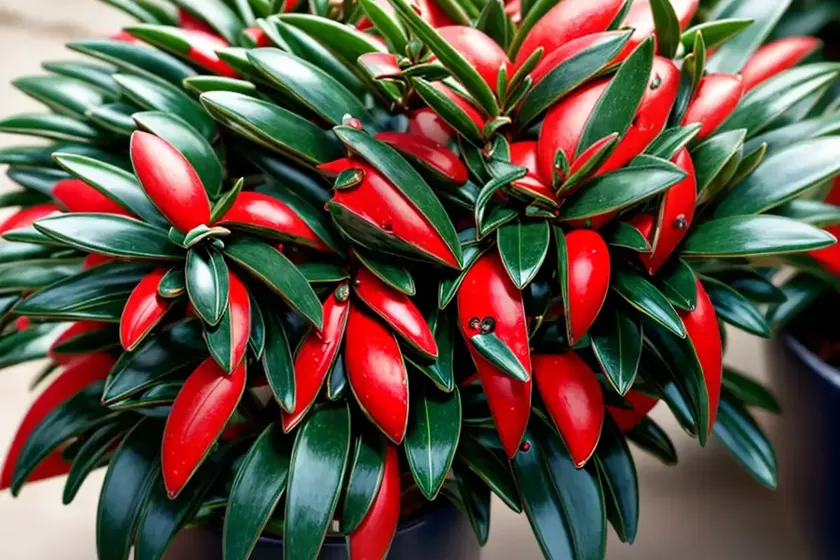
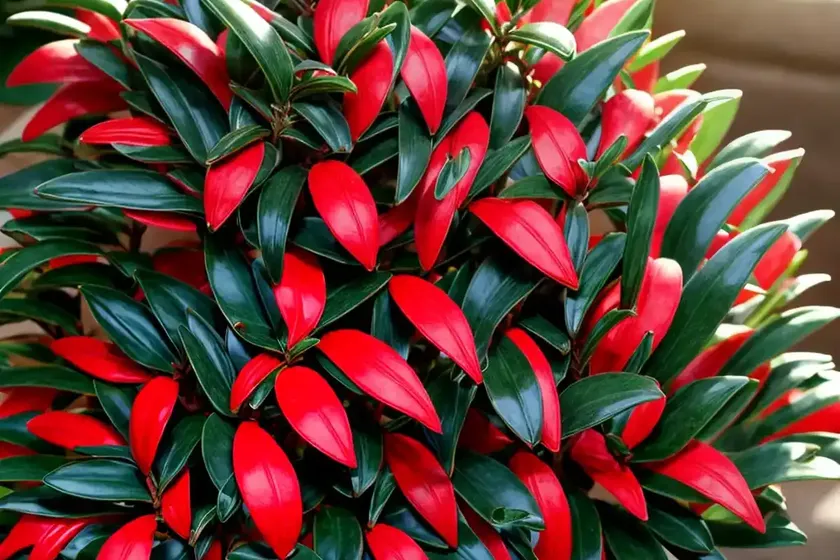
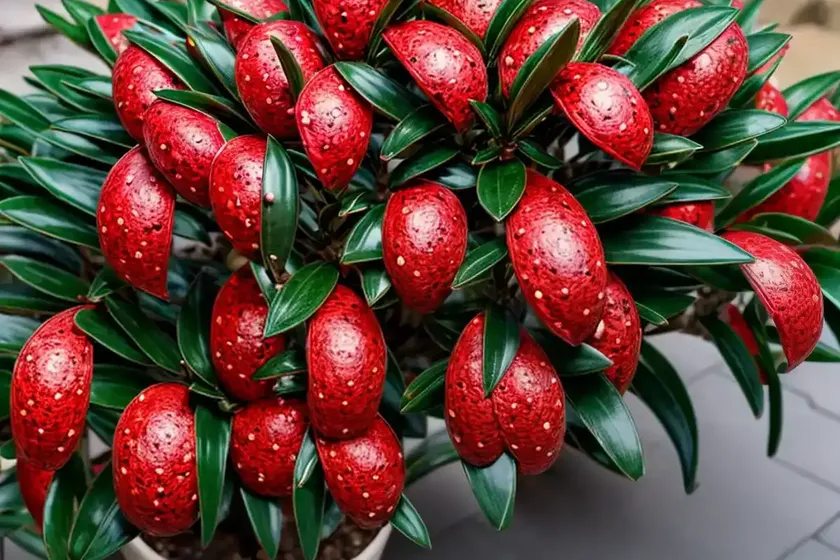
Plants play a significant role in our world, not only in supporting ecosystems, but also in contributing to the beauty of our surroundings. One particular plant species that has gained popularity for its ornamental value and numerous benefits is the Skimmia japonica, commonly known as Japanese Skimmia. In this comprehensive guide, we will delve into the nature of the Japanese Skimmia, its culture, uses, care requirements, and interesting facts.
What is Japanese Skimmia (Skimmia japonica)?
The Skimmia japonica is a species of flowering plant in the family Rutaceae, native to Japan and China. It is a compact and evergreen shrub known for its glossy, leathery, dark green leaves and fragrant, white or pink-tinted flowers. This plant is highly valued for its ornamental features and is commonly used in gardens, landscapes, and containers for its aesthetic appeal and low maintenance requirements.
Key Takeaways – Japanese Skimmia (Skimmia japonica)
Before we dive deeper into the details, let’s summarize some crucial key takeaways about Japanese Skimmia:
- Botanical Name: Skimmia japonica
- Common Name: Japanese Skimmia
- Plant Type: Evergreen shrub
- Native Habitat: Japan and China
- Significant Features: Glossy dark green leaves, fragrant flowers, ornamental berries
- Uses: Ornamental planting, landscaping, container gardening
- Notable Attributes: Low maintenance, deer resistant, shade tolerant
Now that we have an overview of Skimmia japonica, let’s explore its culture, uses, and essential care requirements in detail.
Culture
The culture of Skimmia japonica involves understanding its ideal growing conditions, including water, sunlight, fertilizer, soil, and pruning practices, as well as propagation and container gardening techniques.
Uses
The uses of Japanese Skimmia encompass a wide range of applications, from ornamental planting to incorporating it into various gardening and landscaping endeavors.
- Ornamental Planting: Skimmia japonica is favored for its decorative foliage and flowers, making it a popular choice for ornamental planting in gardens and landscapes.
- Landscaping: It is often used to enhance the visual appeal of outdoor spaces and create visually pleasing greenery.
- Container Gardening: The compact nature of Skimmia japonica makes it suitable for container gardening on patios, porches, and balconies.
Water
Proper watering is essential for the health and vitality of Japanese Skimmia. Understanding its water requirements is crucial for maintaining optimal growth and blooming.
- Watering Frequency: Skimmia japonica generally prefers moderate and consistent moisture levels. Regular watering, especially during dry periods, is recommended.
- Watering Method: When watering, it is advisable to ensure that the soil is moist but not waterlogged to prevent root rot and related issues.
- Winter Watering: Pay attention to winter watering needs, especially in regions with dry winters, to prevent dehydration.
Sunlight
Sunlight is a vital factor in the cultivation of Skimmia japonica, and understanding its sunlight requirements is essential for its overall health and well-being.
- Light Exposure: Japanese Skimmia thrives in partial shade to full shade conditions. It prefers dappled sunlight and shelter from hot, direct sun.
- Shade Tolerance: It is notably shade tolerant and can thrive in areas with limited sunlight, making it a suitable choice for shaded gardens and landscapes.
Fertilizer
Proper fertilization can significantly impact the growth, flowering, and overall vigor of Japanese Skimmia. Understanding its fertilizer needs is crucial for promoting healthy growth and blooming.
- Fertilizer Type: A balanced, slow-release fertilizer formulated for acid-loving plants is ideal for Skimmia japonica.
- Fertilizing Schedule: Applying fertilizer in spring and early summer is beneficial for supporting growth and flowering.
- Application Method: Gently incorporate the fertilizer into the soil around the base of the plant, taking care to avoid direct contact with the foliage to prevent potential damage.
Soil
The quality and composition of the soil play a pivotal role in the cultivation of Japanese Skimmia. Understanding its soil requirements is essential for providing an optimal growing environment.
- Soil Type: Well-draining, acidic soil with a pH range between 5.0 and 6.5 is well-suited for Skimmia japonica.
- Soil Amendments: Incorporating organic matter such as peat moss or compost can improve soil structure and acidity levels, creating a conducive environment for the plant.
- Soil Moisture: Ensuring adequate soil moisture without waterlogging is critical for promoting healthy root development and overall plant growth.
Pruning
Pruning is an important aspect of Japanese Skimmia maintenance, contributing to its overall appearance, shape, and flowering capability. Understanding correct pruning practices is essential for promoting the plant’s health and aesthetic appeal.
- Pruning Time: Prune Skimmia japonica immediately after flowering, typically in late spring or early summer, to allow time for new growth and flower bud formation.
- Pruning Technique: Remove dead or damaged branches, as well as any overgrown or straggly growth to maintain a neat and compact form.
- Caution: Avoid heavy pruning, as excessive cutting can impact the following year’s flowering.
Propagation
Understanding propagation methods is essential for multiplying Skimmia japonica and creating new plants for ornamental use.
- Propagation Techniques: Skimmia japonica can be propagated through semi-hardwood cuttings or by layering.
- Best Time for Propagation: Late summer or early autumn is an ideal time for propagating Japanese Skimmia, as the plant tends to produce new growth during this period.
Container Popularity
The compact nature and ornamental appeal of Skimmia japonica make it well-suited for container gardening. Understanding its container requirements is crucial for successful cultivation in pots, planters, and other containers.
- Container Size: Select a spacious container that provides ample room for root development and growth.
- Drainage: Ensure that the container has adequate drainage to prevent waterlogging and root rot.
- Potting Mix: Use a well-draining potting mix formulated for acid-loving plants to create a suitable growing medium.
Common Diseases
While Skimmia japonica is relatively low-maintenance, it is not immune to certain diseases and pests. Understanding common diseases and their diagnosis is crucial for proactive management and prevention.
Disease Diagnosis
Several diseases can affect Skimmia japonica, including fungal infections, leaf spot, and various other issues. Recognizing symptoms and signs of common diseases is essential for timely intervention.
- Fungal Infections: Keep an eye out for signs of powdery mildew, which can manifest as white, powdery patches on leaves and stems.
- Leaf Spot: Leaf spot diseases may cause dark spots or lesions on the leaves, impacting their overall health and appearance.
- Root Rot: Overly wet or poorly drained soil can lead to root rot, which can affect the plant’s vitality and growth.
Common Pests
In addition to diseases, Skimmia japonica may also attract certain pests that can impact its health and appearance. Understanding common pests and their management is essential for ensuring the well-being of the plant.
- Aphids: Keep an eye out for aphids, which may gather on the new growth and the undersides of leaves, impacting plant vitality.
- Scale Insects: Scale insects can infest Skimmia japonica, leading to yellowing leaves and overall decline.
- Mites: Spider mites can cause stippling and discoloration on the foliage, affecting the plant’s aesthetics.
Botanist’s Tips
As a plant scientist with expertise in plant care and cultivation, I would like to offer some valuable tips for successful Japanese Skimmia care:
- Ideal Growing Environment: Create a suitable growing environment for Skimmia japonica by providing well-draining, acidic soil, partial shade, and adequate moisture.
- Pruning Practices: Exercise caution when pruning Japanese Skimmia to maintain its natural form and promote healthy growth and flowering.
- Disease and Pest Management: Regularly monitor the plant for signs of diseases and pests, and take proactive measures to address issues as soon as they arise.
Fun Facts
To add an interesting dimension to our exploration of Skimmia japonica, here are some fascinating fun facts about this remarkable plant:
- Skimmia japonica is commonly known for its unique characteristic of being dioecious, meaning that individual plants are either male or female. Female plants produce ornamental berries after flowering, adding to their visual appeal.
- The fragrant flowers of Japanese Skimmia can attract pollinators such as bees, which contribute to the plant’s ecological significance.
- The plant’s aromatic foliage has been used in traditional practices for its fragrance, and it is occasionally employed in floral arrangements to lend a pleasant scent.
Links to External Resources
For further information and in-depth guidance on Japanese Skimmia care, propagation, and related topics, consider exploring the following external resources:
- Royal Horticultural Society – Skimmia japonica
- Missouri Botanical Garden – Skimmia japonica
- The American Horticultural Society – Skimmia japonica Care Guide
In conclusion, Skimmia japonica stands out as a valuable and visually appealing addition to gardens, landscapes, and container gardens. By understanding its culture, care requirements, uses, and unique attributes, you can enjoy the beauty and benefits of this remarkable plant in your own outdoor spaces.
Happy gardening and may your Skimmia japonica thrive with abundant foliage and fragrant blooms!
References
- “Skimmia japonica care”
- “Japanese skimmia plant”
- “Skimmia japonica varieties”
- “Growing Japanese skimmia”
- “Skimmia japonica pruning”
- “Japanese skimmia shrub”
- “Skimmia japonica winter care”
- “Japanese skimmia planting”
- “Skimmia japonica diseases”
- “Japanese skimmia flowers”
- “Skimmia japonica landscape”
- “Japanese skimmia foliage”
- “Skimmia japonica propagation”
- “Japanese skimmia evergreen”
- “Skimmia japonica fragrance”
- “Japanese skimmia shade”
- “Skimmia japonica pests”
- “Japanese skimmia leaves”
- “Skimmia japonica maintenance”
- “Japanese skimmia container gardening”
- “Skimmia japonica soil requirements”
- “Japanese skimmia growth habits”
- “Skimmia japonica companion plants”
- “Japanese skimmia bloom time”
- “Skimmia japonica sunlight needs”
- “Japanese skimmia water requirements”
- “Skimmia japonica landscaping ideas”
- “Japanese skimmia fertilization”
- “Skimmia japonica container care”
- “Japanese skimmia pruning tips”
- “Skimmia japonica winter hardiness”
- “Japanese skimmia plant size”
- “Skimmia japonica flowering period”
- “Japanese skimmia decorative uses”
- “Skimmia japonica shade tolerance”
- “Japanese skimmia leaf spot”
- “Skimmia japonica indoor cultivation”
- “Japanese skimmia fragrance description”
- “Skimmia japonica drought tolerance”
- “Japanese skimmia pollination”
- “Skimmia japonica bloom color”
- “Japanese skimmia foliage shape”
- “Skimmia japonica winter interest”
- “Japanese skimmia disease resistance”
- “Skimmia japonica pruning techniques”
- “Japanese skimmia soil acidity”
- “Skimmia japonica pest control”
- “Japanese skimmia outdoor planting”
- “Skimmia japonica shade garden”
- “Japanese skimmia deer resistance”


