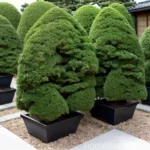
The Majestic Yew (Taxus x media ‘Nigra’)
The yew (Taxus x media ‘Nigra’) is a stunning evergreen shrub that is popular for its elegant foliage, ease of care, and versatility in landscaping. This article will delve into the various aspects of this remarkable plant, including its culture, uses, maintenance, and more. For plant enthusiasts, horticulturists, or anyone with a penchant for beautiful greenery, the yew (Taxus x media ‘Nigra’) is a plant that demands attention and admiration.
What is a Yew (Taxus x media ‘Nigra’)?
The Taxus x media ‘Nigra’ is a cultivar of the yew shrub, known for its dark, lustrous green foliage and dense growth habit. It belongs to the family Taxaceae, and is a cross between Taxus baccata (English yew) and Taxus cuspidata (Japanese yew). This hybridization has resulted in a plant that possesses the desirable traits of both parent species, making it a sought-after ornamental shrub in horticulture.
Key Takeaways – Yew (Taxus x media ‘Nigra’)
Let’s start by highlighting some key takeaways about the yew (Taxus x media ‘Nigra’):
| 1 | Evergreen shrub |
| 2 | Dark, lustrous green foliage |
| 3 | Dense, compact growth habit |
| 4 | Adaptability to various climates |
| 5 | Versatile uses in landscaping |
Now, let’s explore the various aspects of this fascinating plant in more detail.
Culture
Water
The yew (Taxus x media ‘Nigra’) prefers moist, well-drained soil, especially during its establishment phase. Once established, it exhibits good drought tolerance. However, it’s essential to ensure that the soil does not become waterlogged, as this can lead to root rot and other issues.
Sunlight
This evergreen shrub thrives in partial to full sunlight. While it can tolerate shaded conditions, it tends to perform best when exposed to at least some sunlight during the day.
Fertilizer
A balanced, slow-release fertilizer application in spring can promote healthy growth of the yew (Taxus x media ‘Nigra’). It’s important to follow the recommended application rates to prevent over-fertilization, which can be detrimental to the plant.
Soil
The yew (Taxus x media ‘Nigra’) is adaptable to various soil types, including loamy, sandy, and clay soils, as long as they are well-drained. It’s important to avoid waterlogged or excessively dry soil conditions.
Maintenance
Pruning
Regular pruning is essential to maintain the desired shape and size of the yew (Taxus x media ‘Nigra’). Pruning is best conducted during the plant’s dormant season to minimize stress and promote new growth in the following spring.
Propagation
Propagation of the Taxus x media ‘Nigra’ can be achieved through methods such as stem cuttings and seed germination. While the former is a more common and reliable approach, the latter can also be attempted with appropriate care and attention to detail.
Container Popularity
Due to its compact growth habit and adaptability, the yew (Taxus x media ‘Nigra’) is well-suited for growing in containers. This allows for greater flexibility in landscaping and provides an opportunity to showcase the plant in various settings, such as patios and balconies.
Uses
Landscaping
The yew (Taxus x media ‘Nigra’) is a perennial favorite in landscaping due to its versatility and aesthetic appeal. It can be employed as a standalone specimen, a hedge, or as part of mixed borders, providing structure and year-round greenery to the landscape.
Privacy Screen
Its dense foliage and growth habit make the Taxus x media ‘Nigra’ an excellent choice for creating privacy screens or barriers. Whether in residential or commercial settings, it offers a natural and visually pleasing alternative to traditional fencing.
Medicinal Uses
Beyond its ornamental value, the yew (Taxus x media ‘Nigra’) has historically been revered for its medicinal properties. Its bark contains compounds with potential pharmaceutical applications, although it’s crucial to note that improper use can lead to toxicity.
Common Diseases and Pests
Disease Diagnosis
The yew (Taxus x media ‘Nigra’) is susceptible to various diseases, including root rot, blight, and rust. Timely diagnosis and treatment are essential to prevent the spread of these diseases and preserve the health of the plant. Regular inspection and monitoring for any signs of disease are crucial.
Common Pests
Pests such as scale insects, spider mites, and aphids can pose a threat to the yew (Taxus x media ‘Nigra’). Implementing integrated pest management strategies and promptly addressing pest infestations can help safeguard the plant’s well-being.
Botanist’s Tips
Hardiness
The Taxus x media ‘Nigra’ exhibits exceptional hardiness and can thrive in diverse climatic conditions, making it an attractive choice for gardeners across different regions.
Landscape Design
When incorporating the yew (Taxus x media ‘Nigra’) into landscape designs, consider its growth habit, color, and texture to create visually appealing compositions. Its versatility allows for a wide range of design possibilities, from formal to more naturalistic settings.
Fun Facts
Historical Significance
Yew trees hold cultural and historical significance in many societies. They have been associated with longevity, resilience, and even served as symbols in ancient rituals and ceremonies.
Wildlife Habitat
The dense foliage of the yew (Taxus x media ‘Nigra’) provides habitats for various wildlife species, including birds and small mammals. Its presence can contribute to the ecological diversity of a given area.
Now that we’ve covered the various aspects of the yew (Taxus x media ‘Nigra’), let’s explore some additional resources for those interested in further information and insights.
Links to External Resources
For additional information and resources on the yew (Taxus x media ‘Nigra’), consider exploring the following links:
- Royal Horticultural Society – Taxus x media ‘Nigra’
- Missouri Botanical Garden – Taxus x media ‘Nigra’
- University of Florida IFAS Extension – Yew for Florida Landscapes
By delving into these resources, you can expand your knowledge of this captivating plant and gain insights from esteemed horticultural organizations and experts.
In conclusion, the yew (Taxus x media ‘Nigra’) stands as a testament to the beauty and resilience of nature. Its multitude of uses, ornamental value, and adaptability make it a cherished addition to gardens and landscapes worldwide. Whether as a striking hedge, a focal point in a garden, or a symbol of longevity, the yew (Taxus x media ‘Nigra’) continues to captivate and inspire admirers and horticultural enthusiasts.
The Taxus x media ‘Nigra’ enriches our natural and cultivated spaces, offering a glimpse into the enduring allure of plants and the wonders of the botanical world.