Yew (Taxus x media ‘Hicksii’) – A Comprehensive Guide
Yew (Taxus x media ‘Hicksii’) is a remarkable evergreen shrub that holds a special place in the world of plant cultivation. This blog post will provide an in-depth understanding of this fascinating plant, covering its culture, uses, maintenance, and much more. Whether you are a seasoned horticulturist or a novice plant enthusiast, the insights shared here will captivate your interest and expand your knowledge about yew (Taxus x media ‘Hicksii’).
What is Yew (Taxus x media ‘Hicksii’)?
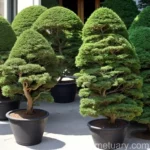
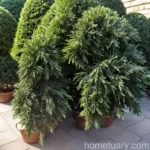
Yew (Taxus x media ‘Hicksii’) is a hybrid yew that belongs to the family Taxaceae. It is a cross between English yew (Taxus baccata) and Japanese yew (Taxus cuspidata). This elegant evergreen shrub showcases a dense, columnar growth habit, making it an excellent choice for hedges, accents, or screens in the garden landscape.
Yew (Taxus x media ‘Hicksii’) is revered for its striking features, including dark green foliage, red berries, and a slow growth rate, making it relatively low-maintenance once established. Its adaptability to various soil conditions and shade tolerance further enhance its appeal, rendering it an invaluable addition to gardens and landscapes.
Key Takeaways – Yew (Taxus x media ‘Hicksii’)
Before delving into the details, let’s highlight a few key takeaways about yew (Taxus x media ‘Hicksii’).
- Botanical Name: Taxus x media ‘Hicksii’
- Common Name: Hicksii yew
- Plant Type: Evergreen shrub
- Growth Rate: Slow
- Ideal Uses: Hedges, accents, screens
- Notable Features: Dark green foliage, red berries
- Adaptability: Various soil conditions, shade tolerance
Now, let’s explore the various aspects of yew (Taxus x media ‘Hicksii’) in detail.
Culture
The cultural requirements of yew (Taxus x media ‘Hicksii’) play a crucial role in its successful cultivation. Understanding its preferences for water, sunlight, soil, and fertilizer is vital for ensuring its optimal growth and development.
Water
Yew (Taxus x media ‘Hicksii’) generally prefers consistently moist, well-draining soil. It is essential to establish a regular watering schedule, especially during the initial stages of planting to promote healthy root establishment. However, it is equally important to avoid waterlogging, as excessive moisture can lead to root rot and other issues.
Sunlight
While yew (Taxus x media ‘Hicksii’) exhibits a remarkable shade tolerance, it thrives in partial to full sunlight. When planted in shadier locations, its growth may be more open and less dense. Thus, providing adequate sunlight is essential for ensuring a vibrant and compact growth habit.
Fertilizer
Proper fertilization is crucial for enhancing the growth and vitality of yew (Taxus x media ‘Hicksii’). A balanced, slow-release fertilizer formulated for evergreen plants can be applied in spring, just before the onset of new growth. It is important to follow the manufacturer’s instructions regarding application rates to prevent over-fertilization and potential damage to the plant.
Soil
Yew (Taxus x media ‘Hicksii’) thrives in well-draining, slightly acidic soil. It is tolerant of a wide range of soil types, including loamy, sandy, or clay soils. However, soil compaction should be avoided, as it can hinder root development and lead to various physiological issues.
Pruning
Pruning yew (Taxus x media ‘Hicksii’) serves multiple purposes, including maintaining its desired shape, promoting dense growth, and removing damaged or diseased branches. Regular pruning can also help manage the plant’s size, making it an ideal choice for formal hedges or topiary.
When pruning yew (Taxus x media ‘Hicksii’), it is important to use sharp, clean tools to make precise cuts. The best time for pruning is in late winter to early spring, before the onset of new growth. It is advisable to avoid excessive pruning of old wood, as yews have limited ability to produce new growth from old wood.
Propagation
Propagating yew (Taxus x media ‘Hicksii’) can be achieved through various methods, including seed propagation, cuttings, or layering. However, it is important to note that yews are slow-growing plants, and propagation efforts may require patience and careful attention to ensure success.
Seed Propagation
Yew seeds are enclosed in a fleshy red aril and are dispersed by birds. Collecting mature seeds and planting them in well-prepared beds can be a viable method for propagating yews. However, the germination process can be slow, often taking several months to a year to achieve successful seedling establishment.
Stem Cuttings
Propagating yew (Taxus x media ‘Hicksii’) through stem cuttings is a popular method for reproducing desired plant characteristics. Selecting healthy, semi-hardwood cuttings and providing a suitable rooting medium and environment can facilitate the development of new plants. Careful monitoring of moisture levels and environmental conditions is essential to support the rooting process.
Layering
Air layering, a technique where a portion of a branch is wounded and encouraged to root while still attached to the parent plant, can also be employed for propagating yew (Taxus x media ‘Hicksii’). Once the layered portion develops adequate roots, it can be separated and transplanted as an independent plant.
Container Popularity
The adaptability of yew (Taxus x media ‘Hicksii’) to container cultivation makes it a popular choice for adding greenery and structure to outdoor spaces, patios, and balconies. Its compact growth habit and low-maintenance nature make it well-suited for container gardening, offering versatility in design and landscaping.
Container Care
When growing yew (Taxus x media ‘Hicksii’) in containers, it is essential to ensure proper drainage to prevent waterlogging, as this can lead to root rot and other issues. Selecting a well-draining potting mix formulated for container plants and providing adequate sunlight are crucial for maintaining the health and vigor of yews grown in containers.
Common Diseases
Yew (Taxus x media ‘Hicksii’) is susceptible to certain diseases, and recognizing the symptoms and appropriate measures for disease management is vital for preserving the plant’s health and vitality.
Disease Diagnosis
Gathering knowledge about common yew diseases and their symptoms is essential for timely intervention and effective disease management. Some common diseases that can affect yew (Taxus x media ‘Hicksii’) include:
-
Phytophthora root rot: This fungal disease can cause root rot and decline in yews, leading to wilting, yellowing foliage, and dieback. Proper monitoring of soil moisture and implementing cultural practices to improve drainage can help mitigate the risk of Phytophthora root rot.
-
Cylindrocladium needle blight: This disease is characterized by the browning and defoliation of yew needles, particularly during periods of wet weather. Proper sanitation, including the removal of fallen needles, and the use of fungicidal treatments can aid in managing Cylindrocladium needle blight.
-
Botrytis blight: Botrytis cinerea, a fungal pathogen, can cause gray mold and dieback in yew foliage, particularly in conditions of high humidity and poor air circulation. Improving airflow and promoting optimal growing conditions can help minimize the risk of Botrytis blight.
Common Pests
Yew (Taxus x media ‘Hicksii’) is also susceptible to certain pests that can affect its growth and overall health. Understanding the signs of pest infestations and employing appropriate control measures is essential for mitigating pest damage.
Botanist’s Tips
As a plant scientist with a deep appreciation for yew (Taxus x media ‘Hicksii’), I’d like to share some valuable tips for cultivating and caring for this remarkable plant.
-
Planting Distance: When using yew (Taxus x media ‘Hicksii’) as a hedge or screen, ensure proper spacing to allow for adequate air circulation and sunlight exposure, promoting uniform growth and minimizing disease risk.
-
Soil Amendment: Incorporating organic matter such as compost or well-rotted manure into the soil can improve its structure and fertility, creating an optimal growing environment for yew (Taxus x media ‘Hicksii’).
-
Consistent Monitoring: Regularly inspecting yew (Taxus x media ‘Hicksii’) for signs of stress, disease, or pest activity can facilitate early intervention and support the plant’s long-term health.
-
Pruning Considerations: When pruning yew (Taxus x media ‘Hicksii’), aim to maintain its natural form while addressing any overcrowded or crossing branches, promoting a balanced and aesthetically pleasing growth pattern.
Fun Facts
- Yew (Taxus x media ‘Hicksii’) is known for its longevity, with some specimens reported to be over 1,000 years old.
- Yew wood has historical significance, being used in the crafting of longbows and as a symbol of resilience and longevity in various cultures.
- The red, fleshy arils of yew berries are consumed by birds while the seeds themselves are toxic to humans and animals.
Links to External Resources
For further insights and information on yew (Taxus x media ‘Hicksii’), consider exploring the following external resources:
- Royal Horticultural Society – Yew (Taxus)
- University of Florida IFAS Extension – Common Landscape Diseases of Taxus
- USDA Natural Resources Conservation Service – Plant Guide for Hicks Yew
In conclusion, the allure of yew (Taxus x media ‘Hicksii’) lies in its versatile uses, striking aesthetics, and adaptability to diverse growing conditions. By understanding its cultural requirements, maintenance practices, and potential challenges, enthusiasts and horticulturists alike can appreciate and cultivate this exceptional evergreen shrub. Whether adorning the landscape as an accent plant, serving as a resilient hedge, or thriving in a container, yew (Taxus x media ‘Hicksii’) continues to captivate and inspire a deep appreciation for the world of plants.
So, why not consider adding the timeless elegance of yew (Taxus x media ‘Hicksii’) to your garden or landscape today?
With a wealth of knowledge and insight, the journey of discovering the enchanting world of yew (Taxus x media ‘Hicksii’) awaits!