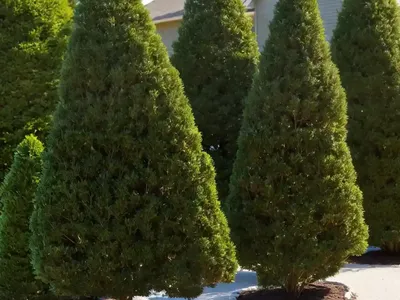
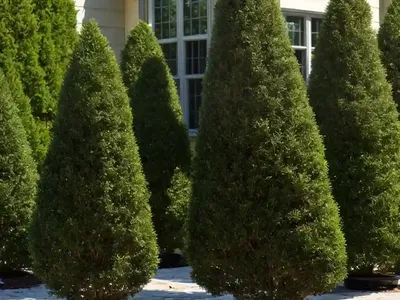
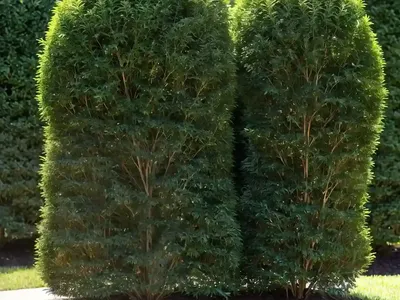
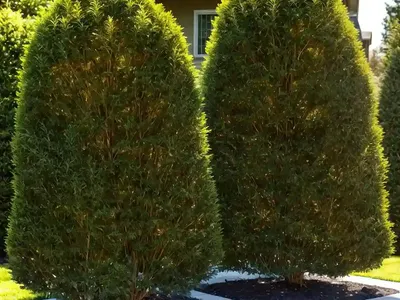
American Arborvitae (Thuja Occidentalis ‘Hetz Midget’)
Plants are marvels of nature that not only add beauty to our surroundings but also contribute to the ecological balance of our planet. They come in all.
Plants are marvels of nature that not only add beauty to our surroundings but also contribute to the ecological balance of our planet. They come in all shapes, sizes, and colors, each with its unique characteristics and requirements. As a plant scientist, I have always been fascinated by the diverse world of plants and their endless possibilities.
In this blog post, we will delve into the captivating world of the American arborvitae, specifically focusing on the Thuja occidentalis ‘Hetz Midget’ variety. We will explore its cultural significance, uses, care requirements, common diseases, pests, and much more. So, let’s embark on this exciting journey to unravel the wonders of the American arborvitae.
Key Takeaways – American Arborvitae (Thuja occidentalis ‘Hetz Midget’)
Before we dive into the specifics of the American arborvitae, let’s outline some key takeaways that will guide our exploration of this fascinating plant:
- Plant Name: American Arborvitae (Thuja occidentalis ‘Hetz Midget’)
- Cultural Significance: Widely used for landscaping and ornamental purposes
- Growth Habit: Compact and dwarf variety with dense foliage
- Care Requirements: Moderate water, adequate sunlight, well-drained soil, regular pruning
- Common Diseases: Susceptible to certain fungal diseases and pest infestations
- Botanist’s Tips: Proper spacing, regular monitoring for diseases and pests, suitable companion plants
With these key points in mind, let’s delve deeper into the world of the American arborvitae, specifically focusing on the ‘Hetz Midget’ variety.
American Arborvitae (Thuja occidentalis ‘Hetz Midget’)
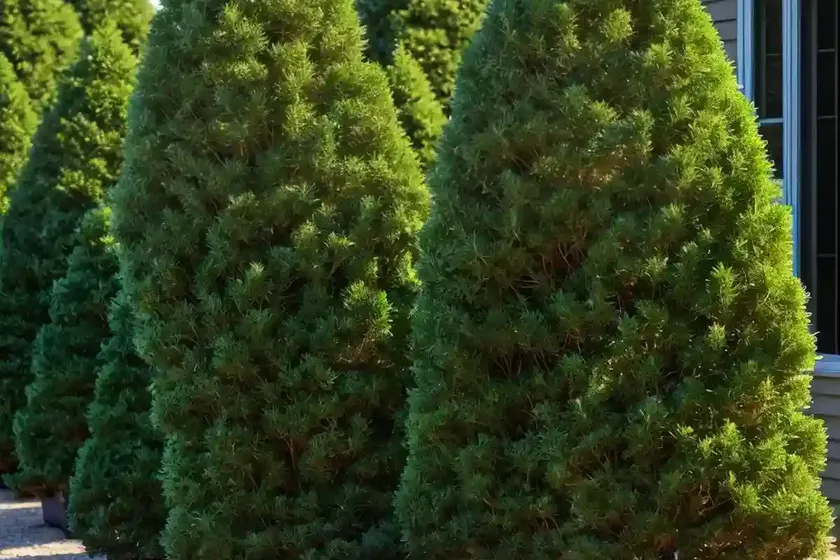
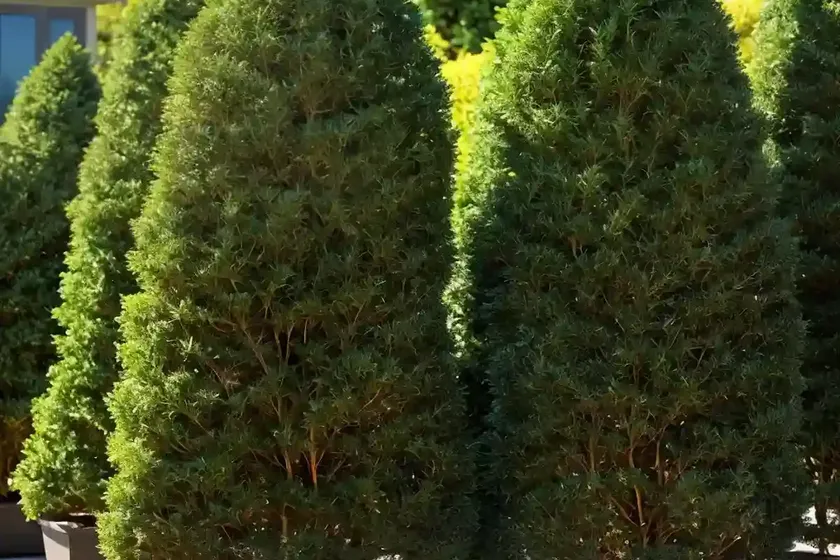
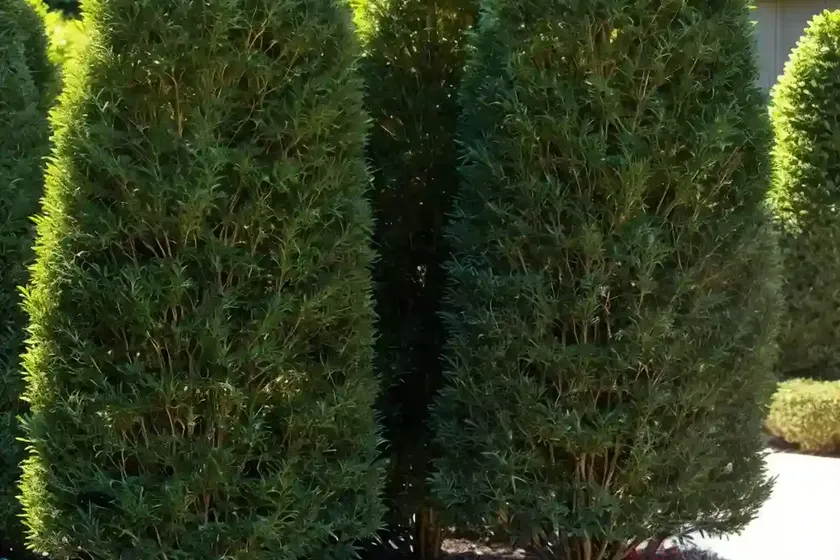
American arborvitae, scientifically known as Thuja occidentalis, is a species of evergreen conifer native to North America. It belongs to the cypress family Cupressaceae and is commonly referred to as northern white cedar, eastern arborvitae, or simply arborvitae. The ‘Hetz Midget’ cultivar is a compact and slow-growing variety of the species, renowned for its dense foliage and rounded form.
Culture
The American arborvitae, including the ‘Hetz Midget’ variety, holds significant cultural importance in horticulture and landscaping. Its compact size and attractive foliage make it a popular choice for ornamental and functional purposes. Let’s explore the various cultural uses of the American arborvitae in greater detail.
Uses
The American arborvitae, particularly the ‘Hetz Midget’ variety, serves a multitude of purposes in landscaping and gardening. Its uses include:
- Privacy Screening: Due to its dense foliage and compact growth habit, the ‘Hetz Midget’ arborvitae is often utilized as a natural privacy screen or windbreak in residential and commercial settings.
- Ornamental Planting: The attractive, dark green foliage of the ‘Hetz Midget’ arborvitae lends itself well to ornamental planting in gardens, parks, and public spaces.
- Container Planting: Its dwarf stature makes the ‘Hetz Midget’ arborvitae suitable for container planting on patios, balconies, and other limited spaces.
- Accent Plant: Whether used as a standalone specimen or as part of a mixed planting, the ‘Hetz Midget’ arborvitae adds visual interest and texture to landscape designs.
Water
Proper watering is crucial for the health and vitality of the American arborvitae, including the ‘Hetz Midget’ variety. Understanding its water requirements is essential for ensuring its optimal growth and longevity.
- Water Needs: The ‘Hetz Midget’ arborvitae prefers consistently moist, well-drained soil. While it can tolerate brief periods of drought once established, it is important to provide regular watering during dry spells, especially in the early stages of growth.
- Avoid Waterlogged Soil: It is important to avoid waterlogged or saturated soil, as this can lead to root rot and other water-related issues. A balance between moisture retention and effective drainage is critical for the plant’s health.
Sunlight
Sunlight is an essential factor that directly impacts the growth and overall well-being of the American arborvitae, including the ‘Hetz Midget’ cultivar. Understanding its sunlight requirements is vital for successful cultivation.
- Sun Requirements: The ‘Hetz Midget’ arborvitae thrives in full to partial sunlight. It performs best when exposed to at least 6 hours of direct sunlight per day. Adequate sunlight promotes dense foliage and overall plant vigor.
Fertilizer
Proper fertilization plays a key role in supplying essential nutrients to the American arborvitae, ensuring its healthy growth and development. Let’s delve into the specific fertilizer requirements for the ‘Hetz Midget’ arborvitae.
- Fertilizer Needs: The ‘Hetz Midget’ arborvitae benefits from a balanced, slow-release fertilizer formulated for evergreen trees and shrubs. An application in early spring, before the onset of new growth, can help provide the necessary nutrients for the upcoming growing season.
Soil
The soil in which the American arborvitae is planted directly impacts its overall health and vitality. Understanding its soil requirements is crucial for successful cultivation and long-term maintenance.
- Soil Type: The ‘Hetz Midget’ arborvitae thrives in well-drained, loamy soil with a slightly acidic to neutral pH range. It is important to avoid excessively wet or compacted soil, as it can lead to root suffocation and poor growth.
- Soil Amendment: Incorporating organic matter, such as compost or well-rotted manure, into the soil can improve its structure and moisture retention capacity, benefiting the growth of the ‘Hetz Midget’ arborvitae.
Pruning
Pruning is an essential aspect of maintaining the desired shape, size, and health of the American arborvitae, including the ‘Hetz Midget’ variety. Proper pruning practices contribute to its overall aesthetic appeal and structural integrity.
- Pruning Techniques: When pruning the ‘Hetz Midget’ arborvitae, it is important to remove dead or damaged branches, as well as any overgrown or crossing stems. Additionally, light shaping can be performed to maintain its compact form and promote uniform growth.
Propagation
The propagation of the American arborvitae, including the ‘Hetz Midget’ variety, can be achieved through various methods such as cuttings, layering, or seed sowing. Each propagation technique has its own requirements and considerations, influencing the success of the propagation process.
Container Popularity
The ‘Hetz Midget’ arborvitae is well-suited for container planting, making it a popular choice for individuals with limited garden space or those looking to add greenery to patios, balconies, and other outdoor areas.
Common Diseases
Like any other plant, the American arborvitae is susceptible to certain diseases that can impact its overall health and appearance. Understanding these common diseases and their symptoms is crucial for timely diagnosis and effective management.
Disease Diagnosis
Diagnosing diseases in the ‘Hetz Midget’ arborvitae involves careful observation of its foliage, stems, and overall growth patterns. Common signs of disease can include discoloration, wilting, or unusual growth abnormalities. Identifying the specific symptoms can aid in pinpointing the underlying issue and implementing appropriate treatment measures.
Common Pests
Pest infestations can pose a threat to the health and vitality of the American arborvitae, including the ‘Hetz Midget’ variety. Being aware of common pests and their signs is essential for proactive pest management.
Botanist’s Tips
As a plant scientist, I would like to offer some valuable tips for the successful cultivation and maintenance of the ‘Hetz Midget’ arborvitae:
- Proper Spacing: When planting multiple ‘Hetz Midget’ arborvitae or incorporating them into a mixed planting, it is important to consider their mature size and provide adequate spacing to accommodate their growth without overcrowding.
- Regular Monitoring: Regular inspection for signs of disease, pest activity, and overall plant health is essential for timely intervention and preservation of the plant’s vitality.
- Suitable Companion Plants: When designing landscapes or gardens, consider incorporating companion plants that complement the ‘Hetz Midget’ arborvitae in terms of size, form, and cultural requirements.
Fun Facts
To add a touch of intrigue and fascination, here are some fun facts about the American arborvitae and the ‘Hetz Midget’ variety:
- The term “arborvitae” is derived from the Latin words “arbor” (tree) and “vitae” (life), reflecting the enduring nature of these trees.
- The ‘Hetz Midget’ arborvitae is known for its deer-resistant foliage, making it a valuable addition to landscapes in deer-populated areas.
As we’ve explored the world of the American arborvitae, specifically focusing on the ‘Hetz Midget’ variety, we’ve journeyed through its cultural significance, care requirements, and other captivating aspects of this exquisite plant.
In conclusion, the American arborvitae, particularly the ‘Hetz Midget’ cultivar, represents a remarkable addition to horticulture and landscape design, captivating enthusiasts with its compact form, dense foliage, and versatile uses. Its enduring presence in gardens, parks, and natural settings reflects the timeless allure of this evergreen marvel.
I hope this journey into the realm of the American arborvitae has provided valuable insights and inspiration for plant enthusiasts, gardeners, and nature lovers alike. May the beauty and resilience of the ‘Hetz Midget’ arborvitae continue to grace landscapes and bring joy to all who encounter its natural splendor.
Thank you for joining me on this botanical exploration, and may we continue to celebrate the wonders of plants in all their diversity and magnificence.
Links to External Resources
To further enrich your knowledge and appreciation of the American arborvitae, including the ‘Hetz Midget’ variety, I recommend exploring the following external resources:
- American Arborvitae Care Guide
- Hetz Midget Arborvitae: A Compact Evergreen
- Thuja Occidentalis Varieties and Landscaping Uses
- Arborvitae Planting Tips and Techniques
- Dwarf Conifer Trees for Ornamental Landscaping
- Arborvitae Diseases and Treatments
- Landscaping Uses and Ideas for American Arborvitae
- Miniature Conifers for Small Gardens and Outdoor Spaces
These resources offer valuable insights, practical guidance, and inspiration for the cultivation, care, and appreciation of the American arborvitae, enriching your botanical journey and fostering a deeper connection with the natural world.