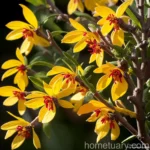
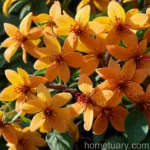
Witch Hazel (Hamamelis x intermedia ‘Orange Beauty’)
Witch hazel, scientifically known as Hamamelis x intermedia ‘Orange Beauty’, is a stunning deciduous shrub appreciated for its vibrant orange-red to coppery-red flowers that bloom in the late winter or early spring. This plant is valued for its attractive flowers, delightful fragrance, and numerous medicinal uses. Native to North America and Asia, witch hazel has gained popularity in gardens and landscapes due to its resilience and versatility. In this comprehensive guide, we will delve into the culture, uses, maintenance, and interesting facts about the witch hazel plant.
Key Takeaways
The witch hazel (Hamamelis x intermedia ‘Orange Beauty’) plant is a captivating and versatile shrub with numerous uses and benefits. Its key takeaways include:
- Beautiful, vibrant flowers in shades of orange-red to coppery-red
- Medicinal uses for skincare and natural remedies
- Cultivation for ornamental purposes and landscaping
- Resilient and low-maintenance shrub
- Attractive fragrance and landscape interest during fall and winter
What is Witch Hazel?
Gardeners often prize witch hazel for its remarkable ornamental value and versatility. Witch hazel, also known as Hamamelis x intermedia ‘Orange Beauty’, is a deciduous shrub that belongs to the Hamamelidaceae family. This striking hybrid is a cross between Japanese witch hazel (Hamamelis japonica) and Chinese witch hazel (Hamamelis mollis), resulting in a plant that showcases the best attributes of both parent species. The ‘Orange Beauty’ variety specifically offers vibrant and alluring orange-red flowers, enhancing its appeal in gardens and landscapes.
Description
Witch hazel shrubs typically reach a height of 10 to 15 feet, with a spread of 12 to 15 feet, creating an attractive and substantial presence in the landscape. The foliage is dark green and typically forms an oval shape, providing an elegant backdrop for the captivating flowers that emerge during late winter to early spring. Additionally, in the fall, the foliage turns shades of yellow, orange, and red, offering a second season of visual interest.
Flowers
One of the most striking features of the witch hazel plant is its unique and vibrant flowers. The ‘Orange Beauty’ variety, in particular, is celebrated for its coppery-red to orange-red flowers that appear on bare stems, providing a dazzling burst of color during the dormant winter months. The flowers have a distinct, spicy fragrance that adds an extra dimension to the plant’s allure.
Medicinal Uses
In addition to its ornamental value, witch hazel has a long history of medicinal use. The bark, leaves, and twigs of witch hazel contain tannins and other compounds that have astringent and anti-inflammatory properties, making it a popular ingredient in skincare and medicinal products. Witch hazel extract is commonly used to soothe minor skin irritations, reduce inflammation, and alleviate discomfort associated with conditions such as insect bites, minor burns, and acne.
Culture
To ensure the successful cultivation of witch hazel in a garden or landscape, it is essential to understand its requirements for water, sunlight, soil, and other essential factors. Proper care and maintenance contribute significantly to the plant’s health and vigor, allowing it to thrive and reach its full ornamental potential.
Water
Witch hazel prefers consistently moist, well-drained soil, particularly during its establishment period. While the plant demonstrates resilience once established, it is crucial to provide adequate water, especially during dry spells or extended periods of drought. Regular watering, particularly in the absence of rainfall, supports healthy growth and vibrant flowering.
Sunlight
When selecting a planting location for witch hazel, it is important to consider its sunlight requirements. Partial shade to full sun is ideal for this shrub, allowing it to flourish and produce an abundance of flowers. Adequate sunlight exposure contributes to strong and healthy growth, as well as abundant and vibrant blooms. In regions with hot summers, providing afternoon shade can be beneficial to prevent stress and sunburn on the foliage.
Soil
Witch hazel thrives in moist, well-drained soil with a slightly acidic to neutral pH. Well-draining, loamy soils rich in organic matter provide an optimal growing environment for this shrub. Additionally, incorporating organic mulch around the base of the plant aids in moisture retention, weed suppression, and the gradual improvement of soil texture and fertility.
Fertilizer
While witch hazel generally does not require heavy fertilization, incorporating a balanced, slow-release fertilizer in the spring can support healthy growth and prolific flowering. Opt for a fertilizer formulated for flowering shrubs and follow the manufacturer’s recommendations for application rates and frequency. Over-fertilization should be avoided, as it can lead to excessive vegetative growth at the expense of flowering.
Pruning
Pruning is an essential aspect of witch hazel maintenance, and it plays a pivotal role in shaping the plant, enhancing its flowering capacity, and promoting overall vigor. Proper pruning ensures an open and balanced growth habit while facilitating air circulation and light penetration in the canopy, thereby reducing the risk of disease and promoting flowering.
Timing
Pruning of witch hazel is best performed immediately after flowering, typically in late spring to early summer. This timing allows the plant to set new buds for the following year while avoiding the removal of potential flower buds for the upcoming season. Early summer pruning also provides ample time for the shrub to recover and produce new growth before the onset of fall.
Technique
When pruning witch hazel, focus on the removal of dead, damaged, or diseased branches first to maintain plant health and appearance. Additionally, thin out crowded or crossing branches to improve air circulation and overall aesthetics. Consider carefully selected selective pruning to shape the shrub while maintaining its natural form and enhancing its ornamental value. Avoid excessively cutting back branches, as this can impede flowering and disrupt the shrub’s natural habit.
Propagation
Witch hazel can be propagated through various methods, including seed propagation, softwood cuttings, and layering. Each technique presents unique advantages and challenges, allowing gardeners to select the most suitable method based on their preferences, resources, and the specific characteristics of the parent plant.
Seed Propagation
Propagation from seeds allows for the genetic diversity of new plants and can be an exciting venture for gardeners interested in observing the growth and development of young witch hazel specimens. To propagate witch hazel from seeds, collect mature seeds in the fall and store them in a cool, dark place until spring. Start the seeds in well-draining seed-starting mix and provide the necessary warmth and humidity for germination.
Softwood Cuttings
Softwood cuttings offer a reliable and efficient method for propagating witch hazel, particularly for gardeners interested in preserving the characteristics of specific cultivars. Softwood cuttings are typically collected in early summer when the new growth is still soft and pliable. Dip the cut ends of the cuttings in rooting hormone, place them in a well-draining rooting medium, and provide the appropriate environmental conditions to encourage root development.
Layering
Layering is a simple and natural method of propagation that involves encouraging the formation of roots on a stem while it is still attached to the parent plant. Select a healthy, flexible stem and gently wound a small section of bark. Apply rooting hormone to the wounded area, then bury the wounded section in a prepared rooting medium while keeping it attached to the parent plant. Once roots have formed, the new plant can be separated and transplanted.
Container Popularity
The witch hazel plant demonstrates excellent adaptability for container cultivation, allowing gardeners with limited space or specific design preferences to enjoy its ornamental attributes and beneficial features. When grown in containers, witch hazel can thrive on patios, balconies, or other outdoor spaces, providing vibrant foliage and charming blooms in a confined setting.
Container Selection
When selecting a container for witch hazel, opt for a sizeable, sturdy pot with adequate drainage holes to ensure proper soil aeration and moisture management. Consider the mature size of the plant and select a container that accommodates its growth while providing ample root space. Additionally, choose a container material that aligns with the aesthetic and environmental requirements of the designated location.
Soil Mix
A well-draining, high-quality potting mix is essential for container-grown witch hazel. Select a mix specifically formulated for woody plants or shrubs, ensuring that it provides adequate drainage, moisture retention, and essential nutrients for healthy growth. Incorporate organic matter or perlite to enhance soil structure and aeration, promoting optimal root development and overall plant health.
Maintenance
Container-grown witch hazel requires regular attention to maintain its health and vigor. Monitor soil moisture levels and water the plant as needed, particularly during periods of drought or high temperatures. Check for signs of crowded roots and consider repotting the shrub into a slightly larger container every few years to prevent root-bound conditions and support continued growth.
Common Diseases
While witch hazel is known for its resilience and minimal susceptibility to diseases, several conditions can adversely affect its health and appearance if not addressed promptly. Familiarizing oneself with common diseases and their associated symptoms allows for early intervention and effective management, preserving the plant’s vitality and ornamental value.
Powdery Mildew
Powdery mildew, caused by various fungal pathogens, can affect witch hazel, particularly during periods of high humidity and reduced air circulation. Symptoms include the development of powdery, white fungal growth on the leaves and stems, often accompanied by leaf distortion and discoloration. To manage powdery mildew, avoid overhead watering, improve air circulation, and apply fungicidal treatments as needed.
Witch Hazel Gall Aphid
The witch hazel gall aphid (Hormaphis hamamelidis) is a common pest that infests witch hazel, leading to the formation of distinctive galls on the leaves. These galls, characterized by their unusual shapes and textures, house the developing aphids and provide them with protection. While the galls are primarily a cosmetic issue and do not pose a significant threat to the overall health of the plant, severe infestations can lead to leaf distortion and reduced vigor. Pruning and removing affected plant parts can help manage gall aphids and reduce their impact.
Disease Diagnosis
Accurately diagnosing diseases affecting witch hazel is crucial for implementing targeted and effective management practices. By carefully observing the symptoms and considering environmental factors, gardeners can differentiate between various diseases and determine the most appropriate course of action.
Symptoms
When diagnosing diseases in witch hazel, pay attention to symptoms such as unusual spots or discoloration on the leaves, unusual growths or distortions, and changes in overall plant vigor. Documenting the appearance and progression of symptoms, as well as any associated environmental conditions, aids in the accurate diagnosis of the underlying issue.
Environmental Factors
Consider environmental factors such as humidity levels, temperature fluctuations, and soil moisture when diagnosing diseases in witch hazel. Certain diseases, such as powdery mildew, are more prevalent during periods of high humidity and low air circulation, while others may be influenced by specific soil conditions. Assessing the microclimatic conditions and growing environment can provide valuable insights into disease development and progression.
Common Pests
Witch hazel is generally resistant to many pests, thanks to its natural compounds and robust constitution. However, certain pests may occasionally pose a threat to the plant, requiring vigilance and appropriate management strategies to prevent significant damage.
Aphids
Aphids are common pests that can infest witch hazel, feeding on the plant’s sap and causing leaf curling, distortion, and the development of sticky honeydew. Natural predators such as ladybugs and lacewings often help control aphid populations, but severe infestations may necessitate the application of insecticidal soap or horticultural oils for management.
Spider Mites
Spider mites are tiny arachnids that can adversely affect witch hazel, particularly during hot, dry conditions. These pests cause stippling and discoloration on the leaves, often leading to reduced plant vigor and aesthetic decline. Regularly spraying the foliage with a strong stream of water and application of insecticidal soap are effective methods for managing spider mite infestations.
Botanist’s Tips
As a botanist or gardening enthusiast, maximizing the ornamental and practical value of witch hazel involves understanding its specific requirements and unique attributes. Implementing the following tips and recommendations can contribute to the successful cultivation and enjoyment of this captivating shrub.
Selecting a Location
When selecting a planting location for witch hazel, prioritize partial shade to full sun exposure to promote vibrant flowering and healthy growth. Consider its mature size and shape, ensuring that it has ample space to reach its full ornamental potential without overcrowding or competition from other plants.
Pruning Techniques
Adopt a selective and cautious approach to pruning witch hazel to maintain its natural form while promoting flowering and overall plant health. Focus on the removal of dead or crowded branches and avoid excessive trimming, particularly during the growing season, to prevent the inadvertent removal of potential flower buds.
Winter Interest
Embrace and highlight witch hazel’s unique attributes during the winter months by strategically placing it in the landscape to maximize visual interest and fragrance when most other plants are dormant. Capitalize on its vibrant flowers and delightful fragrance to create a captivating winter garden feature.
Fun Facts
- Witch hazel extract is commonly used as a natural astringent and toner in skincare products, offering soothing properties and benefiting various skin conditions.
- Native American tribes valued witch hazel for its medicinal properties and used it to treat a wide range of ailments, including inflammations, bruises, and skin irritations.
- The word “witch” in witch hazel originates from the Middle English term “wiche,” which means pliant or bendable, referring to the plant’s flexible branches that were historically used for dowsing or water divining.
Links to External Resources
For more information on witch hazel (Hamamelis x intermedia ‘Orange Beauty’), refer to the following external resources:
- The American Witch-Hazel: Hamamelis virginiana – US Forest Service – Plant of the Week
- Hamamelis: Witch Hazel Nurseries and Cultivars – Royal Horticultural Society
- Witch-Hazel – A Modern Herbal by Mrs. M. Grieve
- Witch Hazel: A Herbal Remedy is Made – National Center for Biotechnology Information
- Witch Hazel in Winter: A Burst of Sunshine in the Garden – Chicago Tribune
Conclusion
Witch hazel (Hamamelis x intermedia ‘Orange Beauty’) has established itself as a beloved and valuable shrub in gardens and landscapes, offering captivating flowers, delightful fragrance, and numerous practical applications. Its resilience, winter interest, and overall ornamental appeal make it an exceptional addition to diverse planting schemes and garden designs. Understanding its culture, uses, maintenance requirements, and unique characteristics enables gardeners to cultivate and appreciate this exceptional shrub to its fullest potential.
Whether for its vibrant blooms, medicinal properties, or landscape interest, witch hazel continues to captivate and inspire individuals with its enduring charm and versatile qualities. As an esteemed botanical treasure, witch hazel enriches gardens and brings joy to enthusiasts, affirming its status as a horticultural gem with a timeless allure.