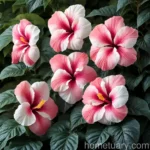
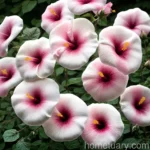
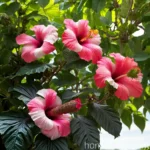
Rose of Sharon (Hibiscus syriacus ‘Minfren’ FIRST EDITIONS BALI): A Comprehensive Guide
What is Plant “Rose of Sharon (Hibiscus syriacus ‘Minfren’ FIRST EDITIONS BALI)”?
The rose of Sharon, scientifically known as Hibiscus syriacus ‘Minfren’ FIRST EDITIONS BALI, is a popular ornamental shrub belonging to the family Malvaceae, commonly known as the mallow family. This stunning plant has garnered immense popularity among gardeners and landscapers due to its beautiful blooms, ease of care, and versatility in various planting schemes.
The ‘Minfren’ cultivar is specifically recognized for its exceptional characteristics, ranging from its remarkable disease resistance to its captivating ornamental features. Understanding the growth requirements, care essentials, and landscape uses of this plant can greatly enhance its success in both home gardens and professional landscapes.
In this comprehensive guide, we will delve into the various aspects of cultivating and caring for the rose of Sharon (Hibiscus syriacus ‘Minfren’ FIRST EDITIONS BALI), offering insights into its cultural needs, uses, maintenance, and much more. Let’s embark on a journey to discover the captivating world of this resilient and alluring plant.
Key Takeaways – Rose of Sharon (Hibiscus syriacus ‘Minfren’ FIRST EDITIONS BALI)
Before we delve deeper into the details, here are some key takeaways about the rose of Sharon, Hibiscus syriacus ‘Minfren’ FIRST EDITIONS BALI:
- The ‘Minfren’ cultivar is a specific variety within the Hibiscus syriacus species, offering distinct characteristics and attributes.
- This plant is popularly referred to as the rose of Sharon and is prized for its stunning, hibiscus-like flowers and lush foliage.
- Its hardiness and disease resistance make it a low-maintenance and enduring addition to diverse landscapes, including gardens, parks, and urban spaces.
- Understanding the proper cultural requirements, such as watering, sunlight, soil, and fertilization, is crucial for ensuring the healthy growth and development of this plant.
- The rose of Sharon is versatile in its uses, from serving as a standalone specimen plant to contributing to mixed borders, screens, and hedges.
Cultural Requirements
Cultural requirements encompass various factors that significantly influence the growth and development of a plant. Understandably, meeting the specific needs of the rose of Sharon (Hibiscus syriacus ‘Minfren’ FIRST EDITIONS BALI) is essential for nurturing its health and beauty. Let’s explore the critical cultural aspects that define the successful cultivation of this exquisite shrub.
1. Water
-
Establishment Phase: During the initial establishment phase, the rose of Sharon benefits from regular watering to support root establishment. Adequate moisture is crucial for ensuring that the plant settles well into its new environment and begins its growth journey. However, waterlogged conditions should be avoided, as excessive moisture can lead to root rot and other detrimental issues.
-
Mature Plants: Once established, the rose of Sharon exhibits a moderate tolerance to drought conditions. While it is relatively resilient to dry spells, especially in well-draining soils, regular watering during prolonged periods of drought can provide additional support and promote optimal blooming and foliage health.
-
Watering Tips: Deep, infrequent watering is preferable, as it encourages the development of a robust root system. Applying water at the base of the plant, avoiding wetting the foliage, can help minimize the risk of fungal diseases.
2. Sunlight
-
Sun Exposure: The rose of Sharon thrives in full sunlight, requiring at least six to eight hours of direct sunlight daily for optimal growth and flowering. Adequate sunlight exposure plays a pivotal role in promoting abundant blooming and ensuring the vigor of the plant. In partial shade, the plant may exhibit reduced flowering and overall growth.
-
Shade Tolerance: While it favors full sunlight, the rose of Sharon possesses a degree of tolerance to partial shade. However, persistent shade conditions can lead to diminished flowering and potential leggy growth as the plant reaches for light.
-
Sun-Related Considerations: In regions with intense summer heat, providing some afternoon shade or protection from scorching rays can prevent stress and heat damage. Mulching around the base of the plant helps retain moisture and regulate soil temperature, benefiting the plant’s overall health.
3. Fertilizer
-
Nutrient Requirements: The rose of Sharon responds well to balanced fertilization, benefiting from the addition of nutrients that support healthy growth and abundant flowering. A general-purpose, slow-release fertilizer with equal proportions of nitrogen, phosphorus, and potassium can effectively meet the plant’s nutritional needs.
-
Fertilization Schedule: Applying fertilizer in early spring, before the active growing season, is recommended. Additionally, a supplementary application in mid-summer can sustain the plant’s vitality and support continuous blooming. Care should be taken to follow the recommended application rates to prevent potential over-fertilization.
-
Organic Amendments: Incorporating organic matter, such as well-rotted compost or aged manure, into the soil during planting or as a topdressing can enhance soil fertility and structure, contributing to the long-term health of the rose of Sharon.
4. Soil
-
Soil Type: Thriving in well-draining, loamy soils, the rose of Sharon demonstrates a preference for fertile, moisture-retentive substrates. A pH range of 5.5 to 7.0 is generally suitable for this plant, offering an optimal balance of acidity and alkalinity.
-
Soil Amendments: Amending heavy clay soils with organic matter, such as compost or peat moss, can improve drainage and aeration, preventing waterlogged conditions. Incorporating organic amendments also enhances the fertility and moisture retention of sandy soils, promoting a conducive environment for the plant’s root system.
-
Soil Moisture: Maintaining consistent soil moisture, without allowing waterlogged conditions to develop, is essential for the rose of Sharon. Mulching the soil surface conserves moisture, regulates soil temperature, and suppresses weed growth, benefiting the plant’s overall well-being.
Pruning
Pruning is a fundamental aspect of plant care that directly influences a plant’s form, health, and flowering performance. Proper pruning practices for the rose of Sharon (Hibiscus syriacus ‘Minfren’ FIRST EDITIONS BALI) can play a decisive role in shaping the plant, promoting flowering, and ensuring its longevity.
Pruning Guidelines
-
Timing: Late winter to early spring is an ideal time for pruning the rose of Sharon, as it coincides with the plant’s dormancy period. Conducting pruning during this phase allows for the removal of dead, damaged, or overgrown branches without interfering with the plant’s blooming cycle.
-
Pruning Objectives: Pruning objectives typically include shaping the plant, removing crossed or congested branches, and rejuvenating the plant by stimulating new growth. Additionally, the removal of spent blooms and seed pods encourages the development of new flowers and prevents self-seeding.
-
Techniques: Utilizing sharp, clean pruning shears, selective pruning of the rose of Sharon can be performed to maintain an open, balanced structure. Removing approximately one-third of the oldest stems each year can invigorate the plant, rejuvenating its growth and promoting vigorous flowering.
Propagation
The propagation of the rose of Sharon can be accomplished through several methods, enabling gardeners to expand their plant collection and share the beauty of this cultivar with others. Understanding the various propagation techniques and their practical applications is essential for successfully reproducing the desired traits of the ‘Minfren’ cultivar.
Propagation Methods
-
Seeds: Propagating from seeds is a viable option, although it may result in some variability in the traits of the offspring. To increase the likelihood of maintaining the specific characteristics of the ‘Minfren’ cultivar, collecting seeds from reputable sources and selecting seeds from established plants is advisable.
-
Softwood Cuttings: During the active growth phase in late spring to early summer, taking softwood cuttings from healthy, non-flowering shoots can yield successful results. These cuttings are typically taken from the current season’s growth and rooted in a suitable propagating medium under controlled conditions.
-
Hardwood Cuttings: Harvesting hardwood cuttings from the rose of Sharon in late fall to early winter, once the plant has entered dormancy, offers an alternative method of propagation. These cuttings are obtained from the mature, woody stems and treated with rooting hormone before being placed in a rooting medium.
Container Popularity
The rose of Sharon holds considerable appeal as a container plant, offering an array of opportunities for enhancing various outdoor spaces, including patios, balconies, and entryways. Cultivating this plant in containers can be an excellent option for individuals seeking to showcase its beauty and resilience in a confined environment.
Container Considerations
-
Container Size: Selecting a sufficiently large container that accommodates the mature size of the rose of Sharon is essential for promoting healthy growth and preventing root restriction. A container with adequate drainage holes ensures optimal soil moisture management and prevents waterlogging.
-
Soil Mix: Utilizing a well-draining, nutrient-rich potting mix that mimics the preferred growing conditions of the plant is crucial for container-bound rose of Sharon. Additionally, incorporating a layer of mulch on the soil surface helps conserve moisture and maintain a regulated soil temperature.
-
Sunlight Requirements: Positioning the container in a location that receives ample sunlight is vital for facilitating the plant’s growth and blooming. Regularly monitoring and adjusting the container’s placement to ensure adequate sunlight exposure is essential, especially in areas with shifting light patterns.
-
Watering and Fertilization: Container-grown rose of Sharon may require more frequent watering and fertilization compared to plants in the ground, as the limited soil volume demands regular attention to moisture levels and nutrient availability.
Common Diseases
The resilience and disease resistance of the rose of Sharon (Hibiscus syriacus ‘Minfren’ FIRST EDITIONS BALI) are noteworthy attributes that contribute to its popularity and longevity in landscapes. However, understanding the potential diseases that may affect this plant is crucial for proactively safeguarding its health and ensuring its continued vitality.
Disease-Resistant Traits
-
Powdery Mildew Resistance: The rose of Sharon generally exhibits a commendable tolerance to powdery mildew, a common fungal disease that affects various ornamental plants. This natural resistance reduces the likelihood of powdery mildew development and promotes the plant’s aesthetic appeal.
-
Leaf Spot Resistance: The plant’s robust resistance to leaf spot diseases, characterized by the presence of dark spots or lesions on the foliage, contributes to its overall vigor and minimizes the need for extensive disease management measures.
-
Canker Resistance: Canker diseases, which often manifest as sunken, discolored areas on the stems and branches, are effectively mitigated by the rose of Sharon’s innate disease-resistant qualities, enhancing its long-term health and appearance.
Disease Diagnosis
Despite its notable disease resistance, the rose of Sharon may occasionally encounter certain health issues that warrant prompt attention and intervention. Diagnosing potential diseases and identifying their distinct symptoms are essential for implementing targeted treatment strategies and restoring the plant’s well-being.
Common Diseases
-
Aphid Infestations: Aphids, small sap-sucking insects, can pose a threat to the rose of Sharon, leading to distorted foliage, stunted growth, and honeydew secretion. Implementing insecticidal treatments and practicing regular monitoring can effectively manage aphid populations and prevent extensive damage.
-
Whitefly Infestations: Whiteflies, similarly to aphids, feed on the plant’s sap and excrete honeydew, resulting in weakened growth and the development of sooty mold. Employing natural predators, such as parasitic wasps, or utilizing horticultural oils can offer effective control of whitefly populations.
-
Japanese Beetle Damage: Japanese beetles feed on the foliage and flowers of the rose of Sharon, causing notable defoliation and aesthetic impairment. Implementing physical removal techniques and employing protective measures, such as row covers, assists in preventing substantial damage by these voracious pests.
Botanist’s Tips
Insights from experienced botanists and horticulturists can provide valuable guidance for cultivating and caring for the rose of Sharon (Hibiscus syriacus ‘Minfren’ FIRST EDITIONS BALI). Incorporating practical tips and expert recommendations into the plant’s management scheme enhances its success and enriches the gardening experience.
Expert Recommendations
-
Regular Monitoring: Conducting routine inspections of the plant for signs of disease, pest activity, or nutrient deficiencies enables early intervention and ensures the plant’s continuous health and vitality.
-
Mulching Practices: Employing a layer of organic mulch around the base of the rose of Sharon conserves soil moisture, suppresses weed growth, and gradually enriches the soil as it decomposes, benefiting the plant’s overall well-being.
-
Integrated Pest Management (IPM): Embracing an IPM approach, which encompasses the use of cultural, biological, and physical control methods alongside targeted pesticide applications, supports effective pest management while minimizing environmental impact.
-
Companion Planting: Selecting compatible plants that complement the rose of Sharon, such as ornamental grasses, conifers, or summer-blooming perennials, facilitates a visually appealing and ecologically beneficial landscape composition.
Fun Facts
Exploring the intriguing and captivating aspects of the rose of Sharon (Hibiscus syriacus ‘Minfren’ FIRST EDITIONS BALI) uncovers a world of fascinating details and characteristics that contribute to its allure and timeless appeal. Delving into the following fun facts offers a glimpse into the unique traits and ecological significance of this remarkable plant:
-
The rose of Sharon is named after the plains of Sharon mentioned in the Bible and does not belong to the rose family. The name “rose of Sharon” has biblical origins and references a region noted for its beauty and fertility.
-
The flower of the rose of Sharon is not a true rose, but rather a member of the hibiscus family, showcasing large, showy blooms that attract pollinators and admirers alike.
-
This plant has been recognized for its ecological value in supporting pollinators and wildlife, serving as a valuable nectar source for bees, butterflies, and hummingbirds.
-
The rose of Sharon holds cultural and historical significance, appearing in various folklores, traditional medicine practices, and artistic representations across different cultures and time periods.
-
The plant’s exceptional adaptability and resilience make it well-suited for both urban and rural landscapes, offering an enduring and captivating presence that enriches diverse outdoor spaces.
Links to External Resources
For further exploration and comprehensive information on the rose of Sharon (Hibiscus syriacus ‘Minfren’ FIRST EDITIONS BALI), the following external resources provide valuable insights, guidance, and visual references:
- American Society for the Prevention of Cruelty to Plants (ASPCA) – Hibiscus Poisoning in Dogs
- Royal Horticultural Society (RHS) – Hibiscus Diseases Guide
- United States Department of Agriculture (USDA) – Hibiscus Diseases Handbook
- University of Florida IFAS Extension – Hibiscus Growing Guide
These resources offer a comprehensive and diverse range of information, enabling enthusiasts, gardeners, and professionals to expand their knowledge and proficiency in cultivating and caring for the rose of Sharon.
In conclusion, the rose of Sharon (Hibiscus syriacus ‘Minfren’ FIRST EDITIONS BALI) stands as a striking testament to the beauty, resilience, and ecological significance of ornamental plants. Embracing its extraordinary qualities, addressing its cultural needs, and harnessing its potential in diverse landscapes contribute to a rich and rewarding gardening endeavor. By understanding and appreciating the multifaceted nature of this remarkable plant, enthusiasts and professionals alike can cultivate a profound admiration for the captivating world of the rose of Sharon.