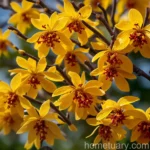
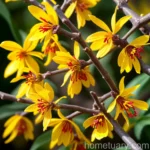
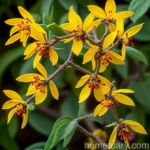
Ozark Witch Hazel (Hamamelis vernalis ‘Lombart’s Weeping’)
Ozark witch hazel is a fascinating and unique plant that offers a variety of uses and benefits for both landscapes and human health. This article will delve into the details of this extraordinary plant, including its culture, uses, care guidelines, common diseases and pests, as well as fun facts and botanist’s tips. By the end of this comprehensive guide, you will have a deeper understanding of how to cultivate and appreciate the beauty of the Ozark witch hazel, including the specific variety Hamamelis vernalis ‘Lombart’s Weeping’.
What is Ozark Witch Hazel?
Ozark witch hazel, scientifically known as Hamamelis vernalis, is a species of witch hazel native to the Ozark Plateau and surrounding regions. This deciduous shrub belongs to the family Hamamelidaceae and is well-regarded for its unique ability to bloom in the winter, providing a stunning display of fragrant, spidery flowers when most other plants are dormant. The ‘Lombart’s Weeping’ variety is especially prized for its weeping habit, which adds an elegant and graceful element to the landscape.
Ozark witch hazel is a hardy and adaptable plant, making it an excellent choice for various landscape designs, from native plant gardens to ornamental borders. Moreover, it is valued for its medicinal properties, particularly in the production of witch hazel extract, which has a wide range of applications in traditional medicine and skincare products.
Now, let’s explore the key takeaways about this fascinating plant, including its culture, uses, care guidelines, and other essential information.
Key Takeaways – Ozark Witch Hazel (Hamamelis vernalis ‘Lombart’s Weeping’)
Culture
- Hardiness: Ozark witch hazel is known for its exceptional cold tolerance, thriving in USDA hardiness zones 4-8.
- Mature Size: Typically, it reaches a height and spread of 6-10 feet, with the ‘Lombart’s Weeping’ variety exhibiting an elegant weeping growth habit.
- Bloom Time: One of its most remarkable attributes is its winter-blooming nature, with flowers emerging as early as January and February, providing a welcome burst of color and fragrance.
- Foliage: The foliage of Ozark witch hazel showcases attractive orange to red fall color, adding visual interest to the landscape.
Uses
- Landscape Ornamental: Ozark witch hazel is prized for its winter blooms and distinctive foliage, making it an excellent addition to landscapes, naturalized areas, and woodland gardens.
- Medicinal Purposes: The plant is a source of witch hazel extract, which has long been employed for its astringent, anti-inflammatory, and skincare properties.
Care Guidelines
- Water: Requires moderate watering, especially during dry periods, to maintain soil moisture levels.
- Sunlight: Thrives in partial shade to full sun, with some protection from intense afternoon sun in hotter climates.
- Fertilizer: Generally, a balanced, slow-release fertilizer in early spring can support healthy growth.
- Soil: Well-draining, slightly acidic to neutral soils are recommended for optimal growth.
- Pruning: Minimal pruning is typically needed, primarily for aesthetic shaping or removing dead or damaged branches.
- Propagation: Can be propagated from seeds or hardwood cuttings.
- Container Popularity: The plant can be grown in containers, particularly for its ornamental value in smaller spaces or on patios.
Common Diseases and Pests
- Diseases: May be susceptible to leaf spot and powdery mildew under certain conditions.
- Pests: Relatively resistant to major pest issues, but occasional encounters with aphids or scale insects may occur.
Botanist’s Tips
- Native Plant Conservation: As an indigenous species, Ozark witch hazel plays a vital role in supporting local biodiversity and ecological resilience.
- Cultural Significance: Appreciating the historical and cultural value of witch hazel in traditional medicine and folklore adds depth to the plant’s allure.
Fun Facts
- Winter Fragrance: The flowers of Ozark witch hazel emit a delicate, spicy fragrance that enlivens the winter garden.
- Wildlife Magnet: The plant attracts pollinators such as bees and other beneficial insects, contributing to ecosystem health.
Links to External Resources
- The Ozark witch hazel: a study of floral and leaf phenology and morphology
- Witch Hazel: A Herbal Remedy with a Long Tradition
- Growing Witch Hazels (Hamamelis) in the Garden
Now that we’ve covered the essential overview of Ozark witch hazel, let’s dive deeper into each aspect, providing valuable insights into the care and cultivation of this remarkable plant, including the ‘Lombart’s Weeping’ variety.
Ozark Witch Hazel Care
Proper care is essential for the successful cultivation of Ozark witch hazel, ensuring an abundance of winter blooms and healthy, vibrant foliage. In this section, we will explore each aspect of care in detail, providing comprehensive guidelines for water, sunlight, fertilizer, soil, pruning, propagation, and container cultivation.
Water
Appropriate watering is crucial for the well-being of Ozark witch hazel, especially during its establishment period and in dry or drought conditions.
- Establishment Period: Newly planted specimens require regular watering to encourage strong root establishment. Ensure the soil remains consistently moist, but not waterlogged.
- Mature Plants: Once established, the plant generally prefers moderate moisture levels. Water deeply during prolonged dry spells, particularly in the absence of significant rainfall.
- Watering Techniques: Apply water directly to the root zone, avoiding wetting the foliage to reduce the risk of fungal diseases.
Sunlight
The sunlight requirements of Ozark witch hazel are essential to support healthy growth and prolific flowering.
- Partial Shade to Full Sun: The plant thrives in partial shade, especially in warmer regions, to protect it from the intense afternoon sun. However, it can also tolerate full sun conditions, particularly in cooler climates.
- Morning Sun Exposure: Morning sunlight is beneficial for promoting flowering and overall plant vigor.
Fertilizer
Supplemental fertilization can bolster the growth and vigor of Ozark witch hazel, ensuring ample nutrients for optimal performance.
- Balanced Fertilizer: Apply a balanced, slow-release fertilizer in early spring, ideally before new growth emerges. Select a fertilizer with a balanced ratio of nitrogen, phosphorus, and potassium to support overall plant health.
- Application Technique: Distribute the fertilizer evenly around the base of the plant, following the manufacturer’s recommended application rates.
Soil
The right soil conditions are crucial for the well-being of Ozark witch hazel, influencing its growth, flowering, and overall vitality.
- Drainage: Well-draining soil is essential to prevent waterlogging, which can lead to root rot and other complications.
- Soil pH: The plant thrives in a slightly acidic to neutral pH range, typically between 5.5 and 7.0. Consider soil amendments if the pH is outside of the preferred range to create optimal conditions for the plant.
Pruning
Pruning Ozark witch hazel is generally minimal, primarily aimed at shaping and maintaining the plant’s natural form.
- Timing: Prune the plant after flowering to avoid the risk of removing potential flower buds. This is typically in late winter or early spring.
- Aesthetic Pruning: If necessary, perform light pruning to remove dead, damaged, or crossed branches, maintaining the plant’s overall health and appearance.
- Pruning Technique: Use clean, sharp pruning tools to make precise cuts, reducing the risk of causing unnecessary damage to the plant.
Propagation
Propagating Ozark witch hazel allows for the expansion of its presence in gardens and landscapes, as well as the preservation of specific cultivars such as ‘Lombart’s Weeping’.
- Seed Propagation: Collect ripe seeds in the autumn and sow them in a well-prepared seedbed or containers, ensuring adequate moisture and protection from extreme temperatures.
- Hardwood Cuttings: Take semi-hardwood cuttings in late summer to early autumn, rooting them in a suitable propagation medium to establish new plants.
Container Cultivation
Growing Ozark witch hazel in containers is a viable option for those with limited garden space, offering the opportunity to appreciate its beauty and fragrance on patios, balconies, or small urban gardens.
- Container Selection: Choose large, sturdy containers with ample drainage holes to provide a suitable growing environment for the plant.
- Soil and Watering: Utilize a well-draining potting mix and monitor watering requirements carefully, ensuring the soil remains consistently moist but not waterlogged.
- Sunlight: Position the containers in a location that receives the appropriate sunlight for the plant, considering its partial shade to full sun preferences.
By adhering to these comprehensive care guidelines, you can nurture thriving Ozark witch hazel plants, including the distinctive ‘Lombart’s Weeping’ variety, while fostering their stunning blooms and overall health.
Ozark Witch Hazel – Common Diseases and Pests
Understanding and identifying potential diseases and pests that can affect Ozark witch hazel is crucial for implementing preventative measures and timely interventions to maintain the plant’s health and vigor.
Disease Diagnosis
- Leaf Spot: Keep an eye out for circular, dark spots on the leaves, potentially surrounded by a yellow halo. Leaf spot is generally managed by ensuring good airflow around the plant and avoiding overhead watering to minimize the risk of fungal infections.
- Powdery Mildew: A whitish, powdery coating on the leaves and stems can indicate powdery mildew. Pruning to improve air circulation and employing fungicidal treatments, if necessary, can help manage this issue.
Common Pests
- Aphids: These small, soft-bodied insects may cluster on new growth, sucking sap from the plant and potentially causing distorted or yellowing leaves. Natural predators such as ladybugs, as well as insecticidal soaps, can help control aphid populations.
- Scale Insects: Look for small, raised bumps on the stems or undersides of leaves, indicating scale insect infestations. These pests can weaken the plant by feeding on its sap. Pruning heavily infested areas and applying horticultural oils can aid in scale insect management.
By monitoring for signs of diseases and pests and promptly addressing any issues that arise, you can help maintain the health and vitality of your Ozark witch hazel, ensuring its long-term success in the garden.
Botanist’s Tips for Ozark Witch Hazel
As botanists and plant enthusiasts, it is essential to appreciate the broader ecological and cultural significance of Ozark witch hazel, as well as the ‘Lombart’s Weeping’ variety. Here are valuable tips to deepen your understanding and appreciation for this remarkable plant.
Native Plant Conservation
Ozark witch hazel, as a native species, holds ecological importance and benefits local wildlife, making it an essential component of native plant conservation efforts. By incorporating native plants into landscaping and gardens, you can contribute to the preservation of local biodiversity and the restoration of natural habitats.
Cultural Significance
Exploring the historical uses and cultural significance of witch hazel in traditional medicine, folklore, and horticulture adds depth to its allure. From its role as a medicinal plant to its inclusion in rituals and traditions, Ozark witch hazel has left a lasting impact on various cultural practices, underscoring its timeless relevance.
By embracing these botanist’s tips, you can gain a more holistic and enriched perspective on Ozark witch hazel, recognizing its ecological and cultural significance for the environment, wildlife, and human societies.
Fun Facts About Ozark Witch Hazel
Delving into the intriguing and enchanting aspects of Ozark witch hazel reveals several captivating fun facts that elevate its appeal. Here are some noteworthy tidbits about this exceptional plant:
- Winter Fragrance: The delicate, spicy fragrance of Ozark witch hazel flowers brightens the winter garden, lending an unexpected burst of olfactory delight during the colder months.
- Wildlife Magnet: Beyond its ornamental value, the plant attracts a variety of beneficial pollinators, contributing to the overall ecological balance of the landscape and supporting local wildlife populations.
These fun facts not only add an element of wonder and fascination to Ozark witch hazel but also highlight its ecological roles and unique attributes within the natural world.
Conclusion
The Ozark witch hazel, particularly the ‘Lombart’s Weeping’ variety, stands as a testament to the innate beauty, resilience, and cultural significance of native plants. With its winter blooms, medicinal properties, and ornamental charm, it holds a special place in both natural and cultivated landscapes.
By adhering to the provided guidelines for care, disease and pest management, and propagation, you can cultivate thriving and enchanting Ozark witch hazel specimens, enriching your garden with their distinctive beauty and ecological contributions.
Embrace the allure of Ozark witch hazel, celebrate its winter-blooming splendor, and relish its role as a unique and cherished addition to gardens, landscapes, and cultural traditions. This remarkable plant, with its natural elegance and timeless appeal, invites us to appreciate the wonders of nature throughout the seasons, while honoring its ecological and historical significance.
Take the time to explore and appreciate the captivating world of Ozark witch hazel, and let its enduring charm grace your garden and enrich your connection to the natural world.
References
- Blizard, L. (2016). The Ozark witch hazel: a study of floral and leaf phenology and morphology. Retrieved from ResearchGate
- Martin, K. W., & Ernst, E. (2016). Witch Hazel: A Herbal Remedy with a Long Tradition. Skin Therapy Letter PubMed Central
- Tichelar, R. (2021). Growing Witch Hazels (Hamamelis) in the Garden. UAEX Yard & Garden. University of Arkansas System Division of Agriculture