White Jasmine (Jasminum Polyanthum): A Complete Guide to Cultivation and Care
Jasminum Polyanthum, commonly known as White Jasmine, is a highly prized plant known for its exquisite beauty and enchanting fragrance. Belonging to the family Oleaceae, this evergreen climber is native to China and has gained popularity as an ornamental plant in gardens and indoor spaces worldwide.
In this comprehensive guide, we will explore the fascinating world of White Jasmine, from its cultural significance to its growth requirements, propagation methods, and common pests and diseases.
What is White Jasmine (Jasminum Polyanthum)?
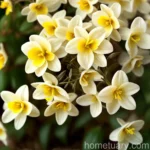
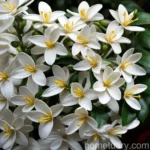
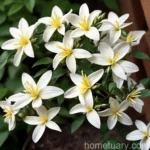
White Jasmine, scientifically known as Jasminum Polyanthum, is a species of jasmine renowned for its pristine, white flowers and sweet, aromatic scent. This vigorous climber features delicate, pinnate leaves and produces an abundance of blossoms that symbolize purity and grace.
Key Takeaways – White Jasmine (Jasminum Polyanthum)
Before delving into the detailed aspects of White Jasmine care, let’s highlight the key takeaways for quick reference:
- Plant Name: White Jasmine (Jasminum Polyanthum)
- Family: Oleaceae
- Native Habitat: China
- Common Names: Winter Jasmine, Pink Jasmine
- Growth Rate: Fast
- Sunlight Needs: Bright, indirect light
- Blooming Season: Winter to spring
- Fragrance Characteristics: Sweet, floral
- Climatic Preferences: Mild to warm climates
- Watering Requirements: Moderate, well-draining soil
- Soil Type: Rich, fertile, slightly acidic
- Propagation Methods: Cuttings, seeds
- Uses: Ornamental, herbal, aromatherapy
- Container Gardening: Well-suited for containers with trellis support
- Common Pests: Aphids, spider mites
- Common Diseases: Powdery mildew, leaf spot
Now, let’s explore each aspect of White Jasmine care and cultivation in detail.
Culture
Uses
White Jasmine holds significance in various cultural practices and traditions. In many countries, the jasmine flower symbolizes love, purity, and spirituality. It is commonly used in religious ceremonies, wedding decorations, and perfumery. Additionally, White Jasmine is revered for its medicinal properties and is utilized in herbal remedies for its aromatic and therapeutic qualities.
Water
Proper watering is essential for the health and vigor of White Jasmine plants. It is important to maintain soil moisture without waterlogging the roots. During the growing season, water the plant when the top inch of the soil feels dry to the touch. In winter, reduce the frequency of watering while ensuring that the soil does not completely dry out.
Sunlight
White Jasmine thrives in bright, indirect sunlight. When grown indoors, place the plant near a window with ample natural light. Outdoors, provide partial shade to protect the plant from intense midday sun, especially in warmer climates.
Fertilizer
Fertilizing White Jasmine plants can promote lush foliage and abundant blooms. Use a balanced, water-soluble fertilizer formulated for flowering plants. Apply the fertilizer every 4-6 weeks during the growing season, following the manufacturer’s instructions for dilution and application rates.
Soil
The soil for White Jasmine should be well-draining, rich, and slightly acidic. A high-quality potting mix designed for flowering vines or a blend of peat moss, perlite, and compost works well for container-grown plants. Outdoors, loosen the soil and incorporate organic matter such as compost to improve fertility and drainage.
Pruning
Pruning Techniques
Pruning is essential for maintaining the shape and vitality of White Jasmine plants. Prune the plant in late spring or early summer to remove dead or tangled growth, promote branching, and encourage compact growth. Use clean, sharp pruning shears to make angled cuts above a leaf node or bud.
Propagation
Propagation Methods
White Jasmine can be propagated from stem cuttings or seeds. Stem cuttings taken from healthy, mature plants root easily in a moist, well-draining potting medium. Prepare cuttings that are 4-6 inches long, remove the lower leaves, and plant them in a small container filled with the rooting medium. Provide bottom heat and mist the cuttings regularly to maintain humidity.
Container Popularity
Container Gardening
White Jasmine is well-suited for container gardening, making it an ideal choice for balconies, patios, and indoor spaces. Select a large, sturdy container with drainage holes and provide a trellis or support for the climbing vines to twine around. Regularly check the plant for root congestion and repot it into a slightly larger container as needed.
Common Diseases
Disease Diagnosis
White Jasmine plants are susceptible to certain diseases, including powdery mildew, leaf spot, and root rot. It is important to monitor the plant regularly for signs of wilting, yellowing leaves, or unusual spots and growths. Proper cultural practices, such as adequate air circulation and moderate watering, can help prevent the onset of common diseases.
Common Pests
Pest Management
Aphids and spider mites are common pests that may affect White Jasmine plants. These tiny insects can infest the plant, causing leaf damage and reduced vigor. To manage pests, regularly inspect the plant for signs of infestation and use insecticidal soap or neem oil to control the population. Introducing natural predators, such as ladybugs, can also help keep pest numbers in check.
Botanist’s Tips
Tips for Healthy Growth
To ensure the robust growth and abundant flowering of White Jasmine, consider the following tips:
- Provide regular, moderate watering to maintain consistent soil moisture.
- Place the plant in a location with bright, indirect light to support optimal photosynthesis.
- Use a well-balanced fertilizer to supply essential nutrients for vigorous growth and blooming.
- Prune the plant selectively to remove dead or overgrown branches and maintain a compact shape.
- Monitor the plant for signs of pests and diseases, and take prompt action to manage any issues.
Fun Facts
Fascinating Tidbits
- White Jasmine is often associated with love and romance in many cultures, making it a popular choice for wedding bouquets and adornments.
- In traditional Chinese medicine, jasmine flowers are used to prepare herbal teas and tinctures known for their soothing properties.
- The fragrance of jasmine has been cherished for centuries and is a sought-after ingredient in perfumery and aromatherapy products.
Links to External Resources
For further information on White Jasmine (Jasminum Polyanthum) and related topics, explore the following resources:
- The Royal Horticultural Society (RHS): Growing Jasminum Polyanthum
- University of Florida IFAS Extension: Jasminum Polyanthum Fact Sheet
- Missouri Botanical Garden: Jasminum Polyanthum Plant Profile
In this guide, we’ve covered the essential aspects of cultivating and caring for White Jasmine (Jasminum Polyanthum). Whether you’re a seasoned gardener or a novice plant enthusiast, incorporating the beauty and fragrance of White Jasmine into your indoor or outdoor space is a rewarding experience. By understanding its cultural significance, growth requirements, and maintenance practices, you can ensure the flourishing of this enchanting plant.
Remember to provide the plant with adequate sunlight, water it appropriately, and enrich the soil with the right nutrients to witness the stunning display of white blossoms and to enjoy the sweet fragrance that fills the air. With proper care and attention, White Jasmine will grace your surroundings with its timeless elegance and aromatic allure.
By incorporating the botanist’s tips, fun facts, and exploring the links to external resources, you can deepen your knowledge and appreciation for White Jasmine, gaining valuable insights into its symbolism, symbolism, traditional uses, and more. Whether you’re seeking information on propagation methods, pest management, or the cultural significance of this esteemed plant, this comprehensive guide serves as a valuable resource for enthusiasts and horticultural professionals alike.
So, whether you’re admiring the cascading blooms of White Jasmine in a garden setting or savoring the aromatic essence of its flowers in a cozy indoor space, the allure of this captivating plant is sure to leave a lasting impression.
In conclusion, White Jasmine, known botanically as Jasminum Polyanthum, encompasses a rich tapestry of cultural significance, ornamental beauty, and aromatic allure. This comprehensive guide delves into the various facets of White Jasmine, providing valuable insights into its growth requirements, propagation methods, and both its pest and disease management. By incorporating the botanist’s tips, fun facts, and exploring the links to external resources, enthusiasts and horticultural professionals alike can gain a deeper understanding of and appreciation for this esteemed plant, affirming its place as a beloved symbol of beauty and elegance in the world of horticulture.