Jasminum Nudiflorum (Winter Jasmine)
In the realm of ornamental plants, few can rival the elegant beauty and delicate fragrance of the Winter Jasmine, scientifically known as Jasminum.
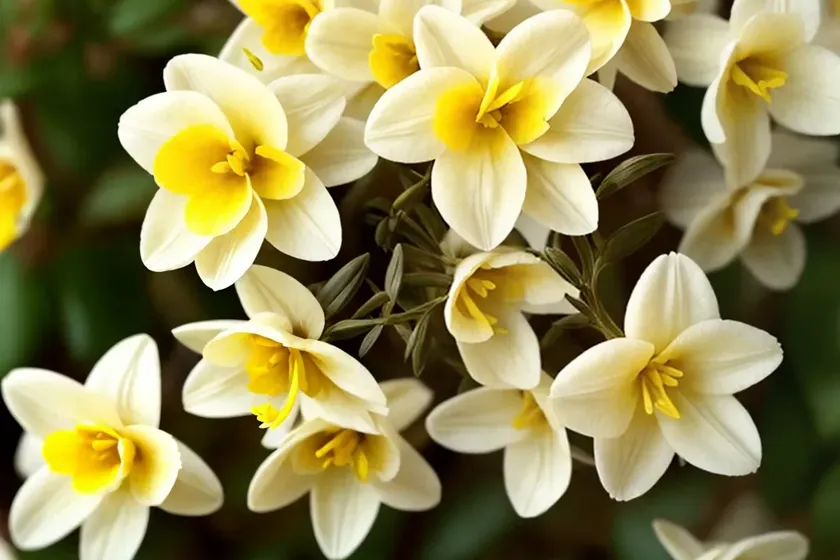
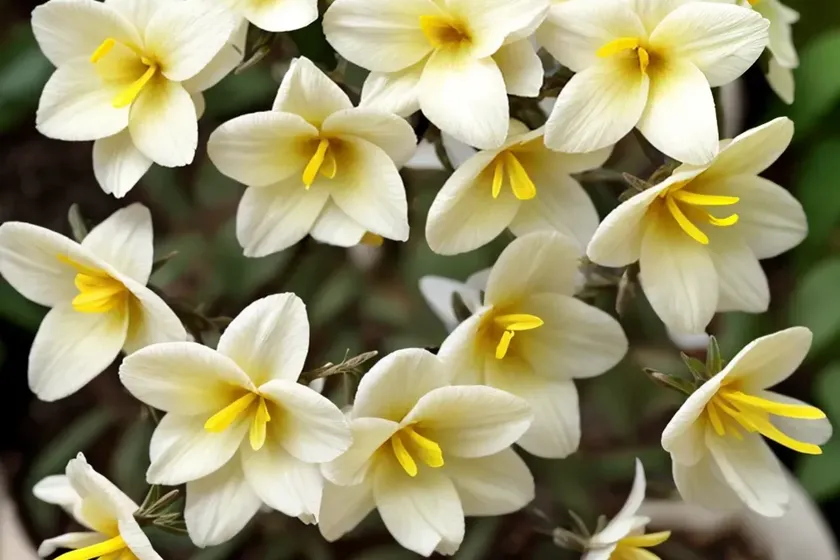
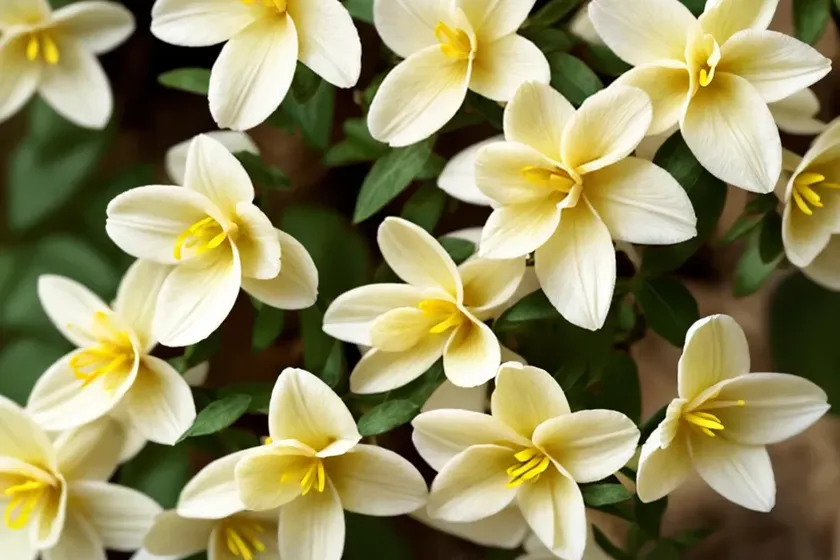
In the realm of ornamental plants, few can rival the elegant beauty and delicate fragrance of the Winter Jasmine, scientifically known as Jasminum nudiflorum. This cold-hardy flowering plant is highly valued for its ability to bloom during the winter months when few other plants are in flower. Its vibrant yellow blossoms bring a splash of color to winter landscapes, making it a popular choice among gardeners and landscapers.
In this comprehensive guide, we will delve into the various aspects of cultivating and caring for Winter Jasmine. From its cultural requirements to its uses, from propagation to common diseases and pests, this article aims to provide a thorough understanding of this captivating plant. Whether you are an experienced gardener or a novice enthusiast, there is something to learn about this enchanting winter-blooming shrub.
What is Winter Jasmine (Jasminum nudiflorum)?
Winter Jasmine, botanically referred to as Jasminum nudiflorum, is a deciduous shrub in the olive family (Oleaceae). Originating from China, this plant is characterized by its slender, arching stems and bright yellow, star-shaped flowers. Despite its common name, Winter Jasmine is not a true jasmine, as it does not belong to the genus Jasminum, which includes true jasmine species such as Jasminum officinale.
The botanical name “nudiflorum” originates from the Latin words “nudus,” meaning naked or bare, and “florus,” meaning flower. This nomenclature alludes to the plant’s unique blooming habit, where its flowers appear on bare stems before the emergence of its foliage.
Winter Jasmine is widely admired for its versatility in the landscape, offering a range of uses from ground cover and erosion control to hedging and container gardening. Its adaptability to cold climates and ability to thrive in shaded areas further enhances its desirability as a garden plant.
Key Takeaways – Jasminum nudiflorum (Winter Jasmine)
Before delving into the specifics of cultivation and care, here are the key takeaways that encapsulate the essence of Winter Jasmine:
- Winter Jasmine (Jasminum nudiflorum) is a cold-hardy, deciduous shrub known for its bright yellow, star-shaped flowers that bloom during the winter months.
- It is not a true jasmine but is so named due to the similarity of its flowers to those of true jasmine plants.
- Winter Jasmine is valued for its versatility in landscaping, with applications ranging from ground cover and erosion control to hedging and container gardening.
- Cultivating and caring for Winter Jasmine entails considerations such as water, sunlight, fertilizer, soil, pruning, propagation, container gardening, common diseases, and pests.
- The plant is a popular choice for enhancing winter landscapes, attracting pollinators, and adding fragrance and color to gardens during the colder months.
With these key takeaways in mind, let us delve into the intricacies of cultivating and caring for Winter Jasmine, covering each aspect in detail.
Culture
Uses
Ornamental Feature: Winter Jasmine is primarily cultivated for its ornamental value, with its profusion of bright yellow flowers adding cheerful color to the winter landscape. The arching stems lend an elegant appearance to the plant, making it an eye-catching feature in gardens and public spaces.
Ground Cover and Erosion Control: Due to its spreading growth habit and ability to root along its stems, Winter Jasmine is often used as an effective ground cover plant. Its dense foliage helps suppress weed growth, while its extensive root system aids in stabilizing soil on slopes, making it suitable for erosion control applications.
Hedging and Screening: The dense growth and arching habit of Winter Jasmine make it well-suited for creating informal hedges and screens. When planted in a row, the intertwining stems form a natural barrier, offering privacy and seclusion.
Container Gardening: Its ability to thrive in containers makes Winter Jasmine a popular choice for adding seasonal interest to patios, balconies, and other outdoor living spaces. The cascading nature of its stems makes it an attractive option for hanging baskets and elevated planters.
Water
Winter Jasmine exhibits moderate water needs, particularly during its active growing period. While it is relatively drought-tolerant once established, regular watering is essential during periods of extended dryness, especially in containers and when grown in full sun. Adequate moisture is crucial during the flowering season to support blooming and prevent stress-related flower drop.
Watering Guidelines:
– Established Plants: Water deeply once per week during dry spells, ensuring the soil is moist but not waterlogged. Allow the soil to dry out slightly between waterings to prevent waterlogging and root rot.
– Container-Grown Plants: Check the moisture level of the soil in containers regularly, as they tend to dry out more quickly than plants in the ground. Water when the top inch of the soil feels dry to the touch.
Sunlight
Winter Jasmine thrives in a location with ample sunlight, although it is also adaptable to partial shade. When grown in full sun, it tends to produce a more prolific display of flowers, while partial shade can be beneficial in regions with intense summer heat. A location that receives at least 4-6 hours of direct sunlight per day is ideal for promoting healthy growth and abundant flowering.
Sunlight Requirements:
– Full Sun: Plant in a location that receives direct sunlight for the majority of the day, especially during the blooming season in winter and early spring.
– Partial Shade: In warmer climates or areas with intense sunlight, partial shade during the hottest part of the day can help prevent leaf scorch and maintain overall plant vigor.
Fertilizer
Appropriate fertilization supports the vigorous growth and blooming of Winter Jasmine, helping to ensure healthy foliage and abundant flower production. A balanced, slow-release fertilizer formulated for flowering shrubs can provide the necessary nutrients for optimal performance.
Fertilizing Recommendations:
– Spring Application: Apply a balanced, slow-release fertilizer in early spring, just before the onset of new growth. This will support the plant’s flowering and vegetative development during the active growing season.
– **Do not fertilize in late summer or fall, as this may stimulate late-season growth that can be susceptible to cold damage in colder climates.
Soil
Winter Jasmine exhibits adaptability to a range of soil types, provided that the soil is well-draining and fertile. It is relatively tolerant of different soil pH levels, thriving in both slightly acidic to slightly alkaline soils. When planting in the ground, the soil should be amended with organic matter such as compost to improve its structure and fertility.
Soil Requirements:
– Well-draining Soil: Ensure that the soil has good drainage to prevent waterlogging, particularly in areas with heavy or clay soils.
– Soil pH: Winter Jasmine tolerates a wide range of soil pH, with a slightly acidic to slightly alkaline soil (pH 6.0-7.5) being ideal for optimal growth and nutrient uptake.
Pruning
Pruning is a vital component of Winter Jasmine care, helping to maintain the plant’s shape, encourage flowering, and rejuvenate older, woody stems. Regular pruning also prevents the plant from becoming overly dense and tangled, ensuring good air circulation and reducing the risk of disease.
Pruning Guidelines:
– Post-Flowering Pruning: Prune immediately after the plant has finished flowering, typically in late spring or early summer. This allows ample time for new growth to develop and set flower buds for the following winter.
– Thinning and Shaping: Remove older, woody stems at the base to rejuvenate the plant and promote the growth of new, vigorous shoots. Thin out overcrowded growth to improve air circulation and reduce the risk of pests and diseases.
Propagation
Winter Jasmine can be propagated through several methods, including softwood cuttings, layering, and division. Each propagation method offers unique advantages and can be employed to propagate new plants or rejuvenate existing ones.
Propagation Techniques:
1. Softwood Cuttings: Take 4-6 inch cuttings from the current season’s growth in late spring or early summer. Remove the lower leaves and dip the cut ends in rooting hormone before planting in a well-draining potting mix. Maintain high humidity and moderate soil moisture to encourage root development.
2. Layering: Select a long, flexible stem and gently wound the section where it will come into contact with the soil. Secure the wounded section in contact with the soil, and after roots have formed, sever the stem from the parent plant to create a new individual.
3. Division: In early spring, divide mature, established plants by carefully lifting them from the ground and dividing the root ball into sections, each containing both roots and stems. Replant the divisions in prepared soil and water thoroughly.
Container Gardening
Winter Jasmine is well-suited for container gardening, offering a versatile option for patio, balcony, and courtyard settings. When grown in containers, it provides an opportunity to introduce seasonal color and fragrance to outdoor living spaces, as well as the ability to create cascading or upright displays.
Container Requirements:
– Container Size: Choose a container that provides ample space for root development and stability. A larger container with good drainage is preferable to reduce the need for frequent repotting.
– Potting Mix: Select a well-draining potting mix formulated for container plants, with the addition of organic matter such as compost to enhance fertility and water retention.
– Watering: Containers tend to dry out more quickly than plants in the ground, so regular monitoring of soil moisture is crucial. Water thoroughly when the top inch of the soil feels dry to the touch, and ensure excess water can drain freely from the container.
Popularity
The popularity of Winter Jasmine (Jasminum nudiflorum) can be attributed to several factors, making it a highly desirable plant for both residential and commercial landscapes. Some of the key attributes that contribute to its popularity include:
- Winter Flowering: The ability to produce an abundant display of bright yellow flowers during the winter months adds exceptional value to the plant, as it offers color and fragrance when few other plants are in bloom.
- Versatility: Winter Jasmine’s adaptability to various growing conditions, from full sun to partial shade, and its utility in applications such as ground cover, hedging, and container gardening, makes it an attractive choice for diverse landscaping needs.
- Low Maintenance: Once established, Winter Jasmine is relatively low-maintenance, requiring minimal intervention aside from periodic pruning and fertilization. This quality makes it appealing to gardeners seeking a plant that provides visual impact without significant upkeep.
- Wildlife Attraction: The profusion of flowers attracts pollinators such as bees and butterflies, contributing to the ecological value of the plant and enhancing biodiversity in the garden.
Common Diseases
While Winter Jasmine is generally resilient against diseases, it is susceptible to certain fungal infections and issues associated with overly wet conditions. Recognizing the symptoms of common diseases and taking appropriate preventive measures can help maintain the plant’s health and vigor.
Common Diseases:
1. Powdery Mildew: This fungal disease appears as a powdery white coating on the leaves, leading to stunted growth and reduced flowering. Ensure good air circulation and avoid overhead watering to minimize the risk of powdery mildew.
2. Root Rot: Excessive moisture in the soil can lead to root rot, causing the plant to exhibit wilting, yellowing leaves, and overall decline. Improve soil drainage and avoid overwatering to prevent root rot.
Disease Diagnosis
Early detection and prompt action are crucial for effectively managing and preventing disease issues in Winter Jasmine. By familiarizing oneself with the symptoms of common diseases, gardeners can intervene at the earliest signs of trouble, preventing the spread of infections and minimizing the impact on the plant’s health.
Symptoms and Diagnosis:
– Powdery Mildew: Look for the characteristic white, powdery coating on the leaves, particularly in warm, humid weather. Leaves may appear distorted and stunted, with reduced flowering and overall vigor.
– Root Rot: Symptoms include wilting foliage, yellowing leaves, and a general decline in the plant’s health. Carefully inspect the roots for signs of rot and decay, and adjust watering practices to prevent further damage.
Common Pests
While Winter Jasmine is relatively resistant to pest infestations, several common garden pests may occasionally pose a threat to the plant. Maintaining good cultural practices and promptly addressing pest issues can mitigate damage and safeguard the plant’s well-being.
Common Pests:
1. Aphids: These small, soft-bodied insects cluster on tender new growth, sucking sap from the plant and causing distortion and stunted growth. They can be dislodged with a strong jet of water or controlled with insecticidal soap if the infestation is severe.
2. Spider Mites: These tiny arachnids thrive in hot, dry conditions and may cause stippling and webbing on the foliage. Regularly misting the plant and maintaining adequate humidity can help deter spider mite infestations.
Botanist’s Tips
As a plant scientist with a deep understanding of Winter Jasmine, I recommend the following tips to ensure the successful cultivation and care of this exceptional plant:
- Timing is Crucial: Prune Winter Jasmine immediately after it has finished flowering to allow ample time for new growth to develop and set flower buds for the following season.
- Attention to Soil Drainage: Ensure that the soil has good drainage to prevent waterlogging, particularly in locations with heavy or clay soils. Consider raised beds or mounding the soil to improve drainage if necessary.
- Regular Inspection: Conduct regular inspections of the plant for signs of pest infestations and diseases. Early detection allows for prompt intervention and reduces the potential impact on the plant.
- Watering Practices: Monitor soil moisture levels closely, adjusting the frequency of watering based on environmental conditions. Pay particular attention to container-grown plants, as they may dry out more quickly than those in the ground.
Fun Facts
To further appreciate the allure of Winter Jasmine, consider the following fun and fascinating tidbits about this captivating plant:
- Fragrant Blooms: The flowers of Winter Jasmine are not only visually stunning but also emit a delicate, sweet fragrance, making them a sensory delight in the winter garden.
- Chinese Origins: Winter Jasmine hails from China, where it has been revered for its ornamental and medicinal properties for centuries. In traditional Chinese medicine, the flowers are used to prepare herbal remedies for various ailments.
Links to External Resources
For further information on Winter Jasmine (Jasminum nudiflorum) and related topics, consider exploring the following reputable resources:
- Royal Horticultural Society (RHS) – Winter Jasmine Plant Profile
- University of Florida IFAS Extension – Winter Jasmine Production Guide
- Missouri Botanical Garden – Plant Finder: Jasminum nudiflorum
- The American Phytopathological Society – Common Fungal Diseases of Ornamental Plants
In conclusion, Winter Jasmine (Jasminum nudiflorum) stands as a captivating and valuable addition to the winter garden, offering an array of ornamental, ecological, and landscape benefits. By understanding its cultural requirements, uses, propagation methods, and potential issues, gardeners can cultivate and care for this remarkable shrub with confidence, enhancing their outdoor spaces with its radiant blooms and graceful form.
Remember to embrace the beauty of Winter Jasmine and marvel at its resilience and charm, as it continues to brighten winter landscapes and touch the hearts of all who encounter its enchanting presence.
References:
– “Winter Jasmine Plant Profile.” Royal Horticultural Society. Link
– “Winter Jasmine Production Guide.” University of Florida IFAS Extension. Link
– “Plant Finder: Jasminum nudiflorum.” Missouri Botanical Garden. Link
– “Common Fungal Diseases of Ornamental Plants.” The American Phytopathological Society. Link


