Common Jasmine (Jasminum Officinale)
Plants play a crucial role in our environment, providing oxygen, food, medicine, and aesthetic beauty. One such plant, Jasminum officinale, commonly known.
Plants play a crucial role in our environment, providing oxygen, food, medicine, and aesthetic beauty. One such plant, Jasminum officinale, commonly known as Common Jasmine, exemplifies the beauty and versatility of plants. This article will delve into the various aspects of this delightful plant, including its culture, uses, cultivation requirements, diseases, pests, and fun facts. Whether you are an avid gardener, a plant enthusiast, or someone simply seeking to appreciate the wonders of nature, this exploration of Common Jasmine will provide valuable insights into this remarkable species.
Key Takeaways – Common Jasmine (Jasminum officinale)
Before delving into the details of Common Jasmine, let’s take a quick look at the key takeaways:
- Name: Common Jasmine (Jasminum officinale)
- Botanical Classification: Kingdom: Plantae, Family: Oleaceae
- Growth Habits: Climbing vine with fragrant white flowers
- Cultural Significance: Traditionally associated with love, beauty, and religious ceremonies
- Cultivation Requirements: Well-drained fertile soil, ample sunlight, regular watering, and occasional pruning
- Uses: Ornamental plant, aromatherapy, traditional medicine, herbal remedies, bee attraction
- Associated Benefits: Aromatherapeutic properties, potential medicinal value, mood enhancement
- Challenges: Susceptible to certain diseases and pests, requires proper care and maintenance for optimal growth
Now, let’s embark on a comprehensive journey to explore Common Jasmine, covering its culture, uses, propagation, diseases, and more.
Common Jasmine (Jasminum officinale)
Common Jasmine Description
Common Jasmine, scientifically known as Jasminum officinale, is a deciduous climbing vine that belongs to the olive family, Oleaceae. This fragrant flowering plant is native to the Caucasus, Iran, Afghanistan, Pakistan, the Himalayas, and western China. Revered for its enchanting aroma and elegant appearance, Common Jasmine has been a cherished plant in many cultures for centuries.
Plant Characteristics
- Leaves: This vine typically features opposite, pinnate leaves consisting of five to nine leaflets. The leaves are dark green and glossy, adding to the plant’s ornamental appeal.
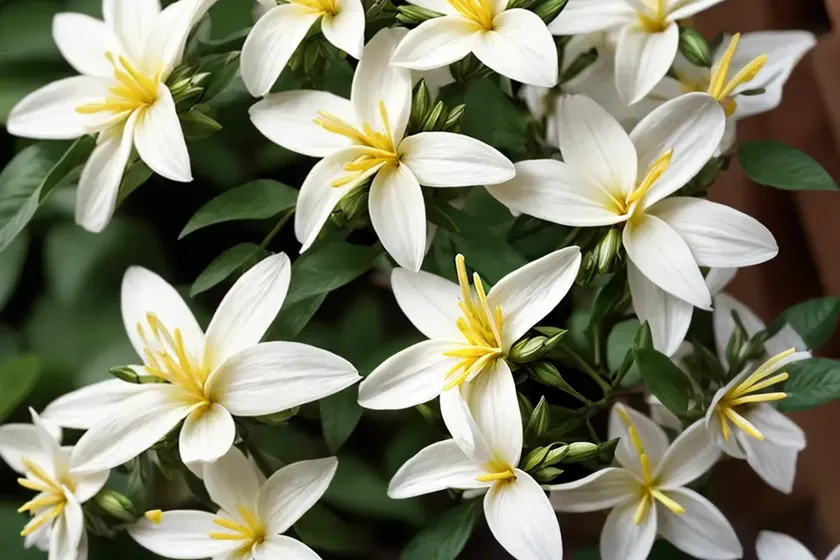
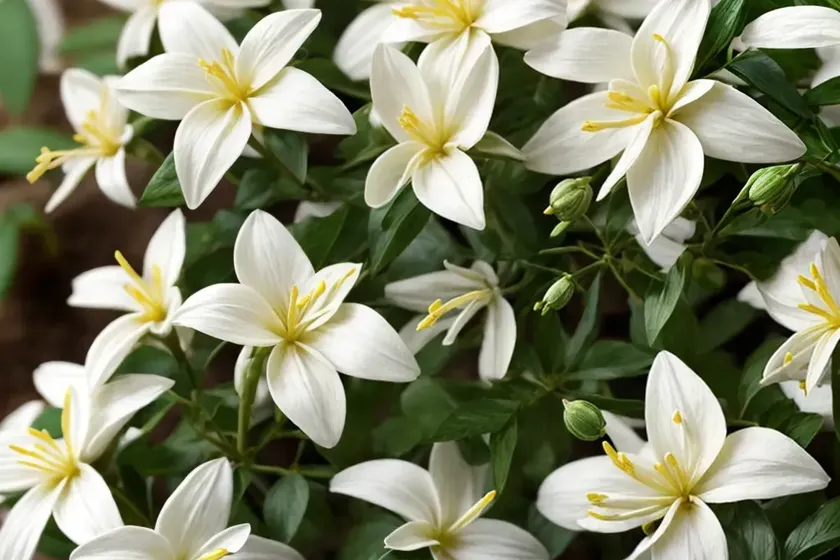
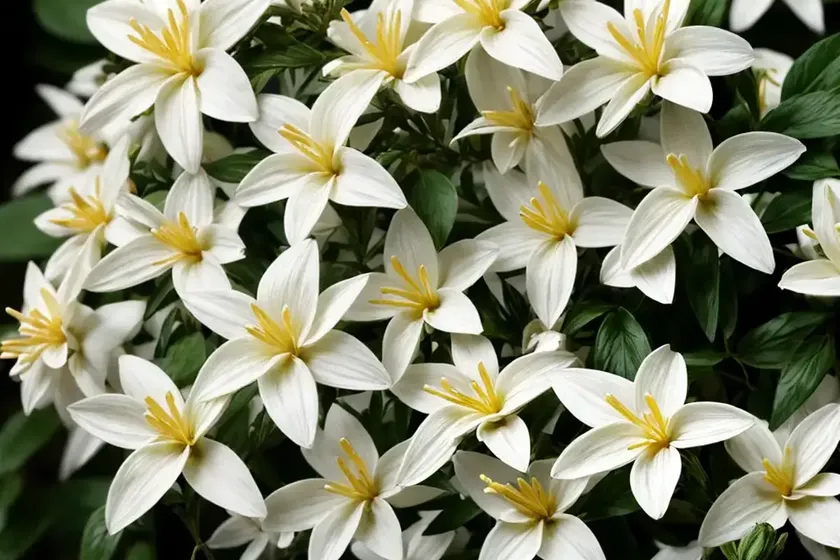
- Flowers: The fragrant white flowers of Common Jasmine have a star-like shape and are borne in clusters. These delicate flowers possess a sweet, intoxicating scent, making them highly desirable for various applications, including perfumery and aromatherapy.
- Fruit: After the flowering period, Common Jasmine produces small black berries. While these berries are not typically consumed by humans, they are a valuable food source for birds and wildlife.
Culture
Understanding the cultural requirements of Common Jasmine is essential for promoting its healthy growth and abundant flowering.
Water
- Watering Requirements: Common Jasmine thrives in evenly moist soil. Although it is somewhat drought-tolerant once established, it is essential to ensure consistent moisture, especially during the growing season.
- Watering Frequency: Water the plant deeply, allowing the water to reach the roots, but avoid waterlogging to prevent rot and other soil-borne diseases.
Sunlight
- Light Requirements: Common Jasmine flourishes when grown in full sunlight. However, it can also tolerate partial shade, particularly in regions with intense summer heat.
- Positioning: When planting Common Jasmine, choose a location with ample sunlight to encourage robust growth and profuse flowering.
Soil
- Soil Type: Well-draining, fertile soil is vital for the optimal development of Common Jasmine. A loamy soil enriched with organic matter provides the ideal growing medium for this plant.
- Acidic Soil Preference: Common Jasmine tends to thrive in slightly acidic soil, with a pH range of 6.5-7.5. Regular soil testing can help maintain the appropriate pH levels for the plant.
Fertilizer
- Feeding Schedule: Fertilize Common Jasmine in early spring as new growth begins, using a balanced fertilizer with equal amounts of nitrogen, phosphorus, and potassium. Repeat the application once or twice during the growing season to support healthy foliage and flowering.
- Organic Amendments: Organic fertilizers, such as well-rotted compost or aged manure, can also be beneficial for enhancing soil fertility and promoting overall plant vigor.
Uses
Common Jasmine offers a wide range of practical and aesthetic uses, making it a valuable addition to gardens, wellness practices, and traditional remedies.
Ornamental Value
- Garden Beautification: Common Jasmine serves as an exquisite ornamental plant, lending charm and elegance to gardens, trellises, and fences.
- Aromatherapy: The sweet, floral fragrance of Common Jasmine flowers contributes to its popularity in aromatherapy. The essential oil extracted from the flowers is used in perfumery, diffusers, and massage oils for its calming and mood-enhancing properties.
Medicinal Applications
- Traditional Medicine: In certain traditional medicinal practices, preparations made from Common Jasmine are used to alleviate anxiety, promote relaxation, and enhance sleep quality. Additionally, the plant is believed to have anti-inflammatory and aphrodisiac properties.
- Herbal Remedies: Common Jasmine extracts are incorporated into various herbal remedies to address respiratory issues, skin ailments, and stress-related conditions.
Bee Attraction
- Pollinator Friendly: The fragrant flowers of Common Jasmine attract bees, making it a beneficial addition to gardens aimed at supporting pollinators and enhancing biodiversity.
Watering
Watering Common Jasmine is an essential aspect of its care regimen, ensuring that the plant receives adequate moisture to support healthy growth and vibrant flowering.
- Proper Drainage: Ensure that the soil has proper drainage to prevent waterlogging, which can lead to root rot and other moisture-related issues.
- Moisture Monitoring: Regularly check the soil moisture levels and adjust the watering frequency based on environmental conditions. In hot, dry weather, more frequent watering may be necessary to maintain optimal moisture levels.
- Avoid Water Stress: Prevent drought stress by providing consistent moisture, especially during the plant’s active growth phases and flowering period.
Sunlight
Optimal sunlight exposure is crucial for the development and flowering of Common Jasmine. Consider the following sunlight-related considerations for this plant:
- Full Sun Preference: Whenever possible, plant Common Jasmine in a location that receives full sunlight for at least six hours a day. This ensures ample light for photosynthesis and promotes vibrant, abundant flowering.
- Partial Shade Tolerance: Common Jasmine can tolerate partial shade, particularly in regions with scorching summer temperatures. In such environments, partial shade can help protect the plant from excessive heat and sunburn.
Light Requirements
- Photosynthesis: Adequate sunlight is essential for promoting photosynthesis, enabling the plant to produce sugars and support its growth and flowering processes.
- Flowering Induction: Insufficient sunlight exposure may lead to reduced flowering and diminished fragrance in Common Jasmine. Providing the plant with the necessary light promotes robust and aromatic blooms.
Fertilizer
Proper fertilization supports the growth and flowering of Common Jasmine, ensuring its vigor and visual appeal throughout the growing season.
- Balanced Formulation: Use a balanced fertilizer with equal proportions of nitrogen, phosphorus, and potassium to promote overall plant health and encourage flowering.
- Slow-Release Fertilizers: Consider using slow-release fertilizers to provide a steady supply of nutrients to Common Jasmine over an extended period. This approach reduces the need for frequent fertilizer applications.
- Organic Options: Organic fertilizers, such as compost, well-rotted manure, or fish emulsion, can offer a natural and gentle way to nourish Common Jasmine, enriching the soil and fostering a thriving ecosystem within the garden.
Soil
As a vine that relies on its root system for essential nutrients and moisture, Common Jasmine has specific soil requirements for optimal growth and development.
- Well-Drained Soil: Ensure that the soil in which Common Jasmine is planted is well-drained to prevent waterlogging and root rot. Ample soil aeration is vital for healthy root function.
- Fertile Growing Medium: Common Jasmine thrives in fertile soil enriched with organic matter, which supports robust growth, lush foliage, and abundant flowering.
- pH Considerations: Maintain the soil pH within the ideal range of 6.5-7.5 to create an environment conducive to the uptake of essential nutrients by the plant’s roots.
Pruning
Pruning is a valuable horticultural practice that supports the health and aesthetics of Common Jasmine, contributing to its vitality and ornamental appeal.
- Timing: Prune Common Jasmine immediately after the flowering period to remove spent blooms, shape the plant, and control its growth.
- Deadwood Removal: Regular pruning helps eliminate dead or diseased wood, enhancing the plant’s overall vigor and reducing the risk of pest and disease infestations.
- Training and Support: Prune and train Common Jasmine to encourage upward growth and prevent sprawling, promoting an attractive and well-maintained appearance.
Propagation
The propagation of Common Jasmine allows for the expansion of its presence in gardens and landscapes, offering an opportunity to create new plants from existing ones.
- Propagation Methods: Common Jasmine can be propagated from seeds, cuttings, or layering, each method offering unique benefits and considerations.
- Seed Propagation: Sow fresh Common Jasmine seeds in a well-draining potting mix, maintaining consistent moisture and warmth to facilitate germination and seedling establishment.
- Cutting Propagation: Take semi-ripe cuttings from healthy, disease-free stems of Common Jasmine and root them in a suitable propagation medium to establish new plants with genetic traits similar to the parent plant.
Container Popularity
Common Jasmine’s adaptability to container growth makes it a popular choice for various settings, ranging from small urban balconies to expansive garden landscapes.
- Space Utilization: Containers allow gardeners to cultivate Common Jasmine in limited spaces, such as patios, decks, or compact urban gardens, maximizing the use of available areas.
- Indoor Cultivation: Containers enable the successful cultivation of Common Jasmine indoors, bringing the plant’s beauty and fragrance to interior spaces while creating a charming and aromatic ambiance.
- Versatile Display: Common Jasmine in containers can be moved to different locations, facilitating creative arrangements and providing flexibility in garden design and decor.
Common Diseases
While Common Jasmine is a resilient plant, it is susceptible to certain diseases that can impact its health and vigor. Recognizing and addressing these diseases is crucial for maintaining the plant’s well-being.
Disease Diagnosis
- Fungal Diseases: Common Jasmine may be prone to fungal infections, such as powdery mildew and various leaf spot diseases, particularly in conditions of high humidity and poor air circulation.
- Viral Infections: Viral diseases can affect Common Jasmine, causing symptoms such as malformation of leaves, reduced vigor, and stunted growth. Preventing the transmission of viruses through proper sanitation and pest control is essential.
Common Pests
In addition to diseases, Common Jasmine may also face threats from pests, which can impact its growth, flowering, and overall vitality.
- Aphids: These small, soft-bodied insects can infest Common Jasmine, feeding on its sap and causing damage to the plant. Aphid infestations can be managed through physical removal, natural predators, or insecticidal treatments.
- Spider Mites: Common Jasmine is vulnerable to infestations of spider mites, which can cause stippling, discoloration, and webbing on the plant’s foliage. Regular inspections and appropriate pest control measures can help mitigate these issues.
Botanist’s Tips
As a plant scientist, I have gathered valuable insights into the care and cultivation of Common Jasmine. Here are some tips to help you successfully grow and enjoy this exquisite plant:
- Sunlight Optimization: Provide ample sunlight to Common Jasmine to promote vigorous growth and abundant flowering. Position the plant in a location that receives at least six hours of direct sunlight daily.
- Consistent Moisture: Maintain consistent soil moisture to support the health and vitality of Common Jasmine. Deep, thorough watering during dry periods and hot weather is crucial for the plant’s well-being.
- Fertilization Schedule: Apply a balanced fertilizer during the growing season to provide essential nutrients to Common Jasmine. A well-timed feeding regimen can enhance the plant’s overall performance and flowering capacity.
- Pruning Techniques: Employ proper pruning techniques to remove spent blooms, shape the plant, and maintain its size. Pruning after the flowering period helps rejuvenate Common Jasmine and encourages new growth.
- Pest and Disease Monitoring: Regularly inspect Common Jasmine for signs of pests and diseases, addressing any issues promptly to prevent their escalation and minimize potential damage to the plant.
Fun Facts
Uncover fascinating and little-known facts about Common Jasmine, shedding light on its cultural significance and distinctive characteristics:
- Symbolism: Common Jasmine is often associated with love, beauty, and purity in various cultures, making it a popular choice for bridal bouquets and symbolic gifts.
- Cultural Importance: In many traditions, Common Jasmine is used in religious ceremonies, weddings, and ancestral rituals, signifying its profound cultural and spiritual significance.
- Fragrance Power: The intoxicating fragrance of Common Jasmine has inspired legends, poetry, and rituals across different civilizations, emphasizing its enduring appeal and allure.
Links to External Resources
To expand your knowledge and explore additional information about Common Jasmine, consider accessing the following recommended resources:
- Jasmine Plant Benefits
- Growing Jasminum Officinale
- A Guide to Common Jasmine
- Medicinal Uses of Jasminum Officinale
- Jasmine Plant Care Tips
- Best Soil for Growing Common Jasmine
- How to Propagate Jasminum Officinale
- Common Jasmine Varieties
- Jasmine Flowers and Their Symbolism
- Outdoor Cultivation of Jasminum Officinale
- Indoor Jasmine Plant Care
- Common Jasmine Plant Description
- Jasminum Officinale Cultivation Requirements
- Common Jasmine Pruning Techniques
- Jasmine Plant Diseases and Pests
- Benefits of Having Jasminum Officinale Indoors
- Jasmine Scent and Aromatherapy
- Common Jasmine and Its Fragrance
- Traditional Uses of Jasminum Officinale
- Popular Uses of Jasmine Flowers
- Common Jasmine in Traditional Medicine
- Growing Common Jasmine in Containers
- Common Jasmine and Its Therapeutic Properties
- Jasmine Tea and Its Health Benefits
- Common Jasmine Essential Oil Uses
- Natural Remedies Using Jasminum Officinale
- Pruning Tips for Common Jasmine
- Ideal Temperature for Growing Jasminum Officinale
- Common Jasmine and Its Cultural Significance
- Common Jasmine and Its Symbolism in Different Cultures
Common Jasmine, scientifically known as Jasminum officinale, captivates the senses with its’ delicate white flowers and enchanting fragrance. This climbing vine holds cultural significance across various civilizations, symbolizing love, purity, and spirituality. As a botanical marvel, the Jasmine plant offers ornamental beauty, therapeutic properties, and a history intertwined with traditional customs and practices.
By understanding and implementing the recommended care practices, including attentive watering, proper sunlight exposure, and soil enrichment, enthusiasts can cultivate healthy and thriving Common Jasmine plants. Furthermore, the diverse uses of Common Jasmine, spanning from aromatherapy to traditional medicine, underscore its versatility and value in different settings.
As we continue to explore the multifaceted world of plants, Common Jasmine stands as a testament to the enduring appeal and practical benefits of botanical wonders. Whether adorning gardens, enhancing wellness practices, or inspiring cultural traditions, Jasminum officinale remains a cherished presence in the tapestry of the natural world.
References:
1. Gardening Know How. “Jasmine Plant Benefits.” Link
2. Gardening Know How. “Growing Jasminum Officinale.” [Link](https://www.gardeningknowhow.com/ornamental/flowers/jasmine/jasmine-plant-care.htm


