Spanish Jasmine (Jasminum Grandiflorum)
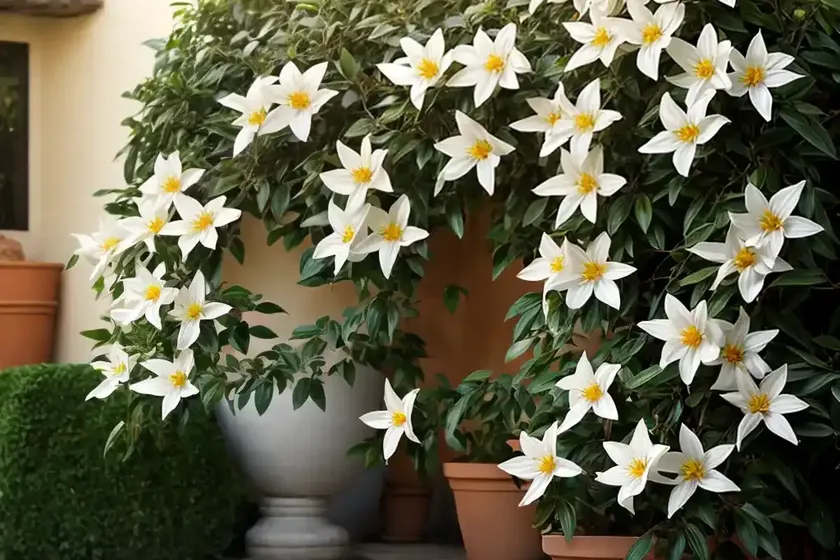
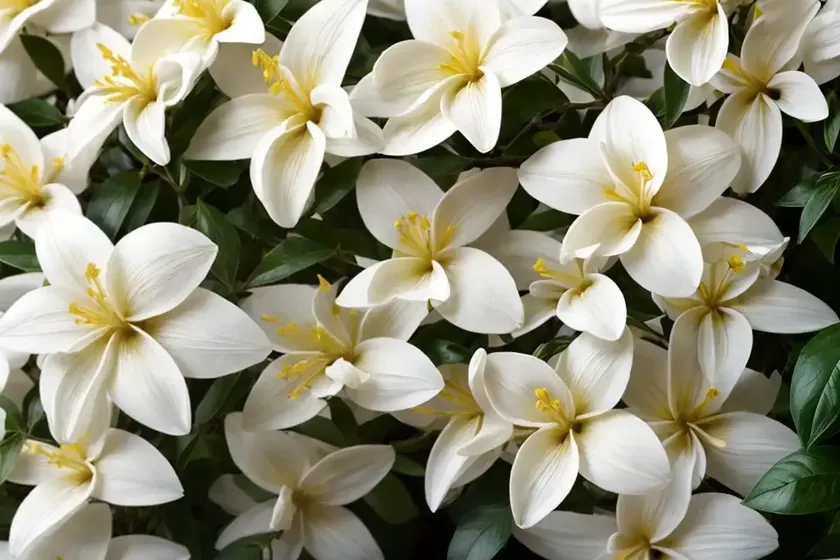
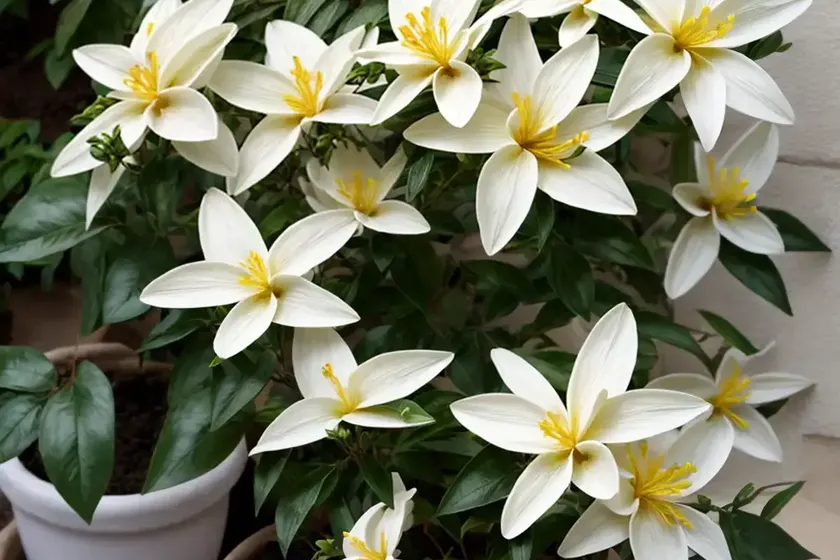
Jasminum Grandiflorum, commonly known as Spanish Jasmine, is a species of jasmine that is renowned for its exquisite fragrance and elegant white flowers..
What is Spanish Jasmine (Jasminum Grandiflorum)?
Jasminum Grandiflorum, commonly known as Spanish Jasmine, is a species of jasmine that is renowned for its exquisite fragrance and elegant white flowers. This evergreen plant belongs to the Oleaceae family and is native to the Indian subcontinent. The name ‘Grandiflorum’ derives from the Latin words ‘grandis’ (large) and ‘flora’ (flower), emphasizing the plant’s characteristic large and beautiful flowers. Spanish Jasmine has been cultivated for centuries due to its ornamental, medicinal, and aromatic properties, making it a beloved plant worldwide.
Key Takeaways – Spanish Jasmine (Jasminum Grandiflorum)
Before delving into the specifics of growing and caring for Spanish Jasmine, let’s highlight some essential features and takeaways about this captivating plant.
- Scientific Name: Jasminum Grandiflorum
- Common Name: Spanish Jasmine
- Family: Oleaceae
- Native to: Indian subcontinent
- Characteristics: Fragrant white flowers, evergreen foliage
- Uses: Ornamental, medicinal, aromatherapy
- Fragrance: Sweet and intoxicating fragrance
- Cultural Significance: Traditional weddings, religious ceremonies
- Growth Rate: Moderate
- Winter Care: Protect from frost and cold winds
- Sunlight Needs: Full sun to partial shade
- Water Requirements: Well-draining soil, moderate watering
- Soil Type: Rich, fertile, and well-draining
- Propagation: Stem cuttings, layering, seeds
- Common Pests: Aphids, whiteflies
- Common Diseases: Powdery mildew, leaf spot
Now that we have an overview of Spanish Jasmine, let’s delve into the details of its care, cultivation, and uses.
Culture
Uses
Spanish Jasmine holds a significant place in various cultural and practical applications due to its aromatic flowers and foliage. In many cultures, it is used for:
- Ornamental Purposes: Adorning gardens, balconies, and terraces with its fragrant flowers.
- Aromatherapy: The essential oil extracted from its flowers is used in aromatherapy for relaxation and stress relief.
- Medicinal Uses: In traditional medicine, Spanish Jasmine is used for its anti-inflammatory and calming properties.
Water
Proper watering is crucial for the health and growth of Spanish Jasmine. Here are some key points to consider:
- Frequency: Water the plant moderately, allowing the soil to slightly dry between waterings to prevent waterlogging.
- Soil Moisture: Ensure that the soil is well-draining to prevent water accumulation around the roots.
- Seasonal Variations: Adjust the watering frequency based on the environmental conditions, watering more in warmer months and reducing it during the winter.
Sunlight
The right amount of sunlight is essential to promote healthy growth and abundant flowering in Spanish Jasmine:
- Optimal Conditions: Place the plant in a location with full sun to partial shade, ensuring it receives at least 4-6 hours of direct sunlight daily.
- Protection: Shield the plant from intense midday sun, especially during extremely hot days, to prevent sunburn on the leaves.
Fertilizer
Proper fertilization can enhance the growth and blooming of Spanish Jasmine:
- Fertilizer Type: Use a balanced, slow-release fertilizer formulated for flowering plants to provide essential nutrients.
- Application: Apply the fertilizer during the growing season (spring and summer) following the instructions on the product label to avoid over-fertilization.
Soil
Choosing the right soil is crucial for the health and vigor of Spanish Jasmine:
- Ideal Soil: Use rich, fertile, and well-draining soil with a slightly acidic to neutral pH around 6.0-7.0.
- Amendments: Incorporate organic matter such as compost or well-rotted manure to improve soil structure and fertility.
Pruning
Pruning helps maintain the shape, control the size, and promote flowering in Spanish Jasmine:
- Timing: Perform light pruning after the blooming period to remove spent flowers and maintain the desired shape.
- Renewal Pruning: Every few years, consider rejuvenation pruning to remove old and woody growth to stimulate new growth and flowering.
Propagation
Creating new plants from Spanish Jasmine can be achieved through various propagation methods:
- Stem Cuttings: Select healthy stem cuttings with 3-4 nodes and propagate them in a well-draining rooting medium.
- Layering: Air layering can also be a successful propagation method, especially for larger and mature plants with flexible branches.
- Seeds: Although less commonly used, Spanish Jasmine can be propagated from seeds sown in a well-prepared seed-starting mix.
Container
Spanish Jasmine can thrive in containers, allowing it to be grown in various settings and climates:
- Container Size: Choose a sizable container with adequate drainage holes to accommodate the plant’s root system and promote healthy growth.
- Potting Mix: Use a well-draining potting mix with added organic matter to provide essential nutrients and maintain proper moisture levels.
- Placement: Position the container in a location with the right amount of sunlight and protection from harsh environmental conditions.
Popularity
The captivating beauty and enchanting fragrance of Spanish Jasmine have contributed to its popularity in many regions of the world. Its versatility, cultural significance, and practical uses have made it a sought-after plant for:
- Gardens: Adding elegance and fragrance to outdoor spaces.
- Indoor Settings: Bringing the sweet scent and ornamental value indoors.
- Aromatherapy: Extracting essential oil for relaxation and mood enhancement.
Common Diseases and Pests
Disease Diagnosis
Spanish Jasmine, like any other plant, is susceptible to certain diseases, and diagnosing them is crucial for effective treatment:
- Powdery Mildew: Recognized by a white, powdery growth on the leaves, caused by fungal infestations.
- Leaf Spot: Identified by dark spots on the leaves, often caused by bacterial or fungal infections.
Common Pests
Several pests can affect Spanish Jasmine, impacting its growth and overall health:
- Aphids: Small, sap-sucking insects that can cause wilting and distorted leaves.
- Whiteflies: Flying insects that feed on the undersides of the leaves, leading to yellowing and weakening of the plant.
Botanist’s Tips
To prevent and address diseases and pest infestations, consider the following tips:
- Monitoring: Regularly inspect the plant for any signs of diseases or pests, promptly addressing any issues.
- Cultural Practices: Providing optimal growing conditions, such as proper watering and sunlight, can strengthen the plant’s natural defenses against infections.
- Natural Remedies: Utilize natural pest control methods and organic fungicides to address issues while minimizing harm to beneficial insects and the environment.
Fun Facts
To further appreciate the beauty and allure of Spanish Jasmine, here are some intriguing and delightful fun facts about this captivating plant:
- Symbolic Meanings: In many cultures, Spanish Jasmine symbolizes love, purity, and good luck.
- Fragrance Details: The fragrance of Spanish Jasmine is often described as sweet, rich, and exotic, known for its calming and mood-lifting properties.
- Historical Uses: Throughout history, Spanish Jasmine has been utilized in traditional remedies, perfumery, and religious ceremonies, reflecting its enduring significance across different cultures.
Links to External Resources
For additional information and resources on Spanish Jasmine (Jasminum Grandiflorum), feel free to explore the following links:
- Royal Horticultural Society – Jasminum Grandiflorum
- Gardening Know How – Spanish Jasmine Care
- The Spruce – How to Grow and Care for Jasmine
In conclusion, Spanish Jasmine (Jasminum Grandiflorum) embodies timeless beauty, captivating fragrance, and versatile uses, making it a treasured plant in various cultural, ornamental, and practical contexts. By understanding its care requirements and appreciating its cultural significance, we can cultivate and cherish this enchanting plant, bringing its charm and benefits into our lives. Whether adorning gardens, enlivening indoor spaces, or contributing to traditional practices, Spanish Jasmine continues to inspire and enchant plant enthusiasts and gardeners worldwide.


