Arabian Jasmine (Jasminum Sambac)
Arabian jasmine, scientifically known as Jasminum sambac, is a versatile and highly revered plant with a rich cultural significance in various parts of the.
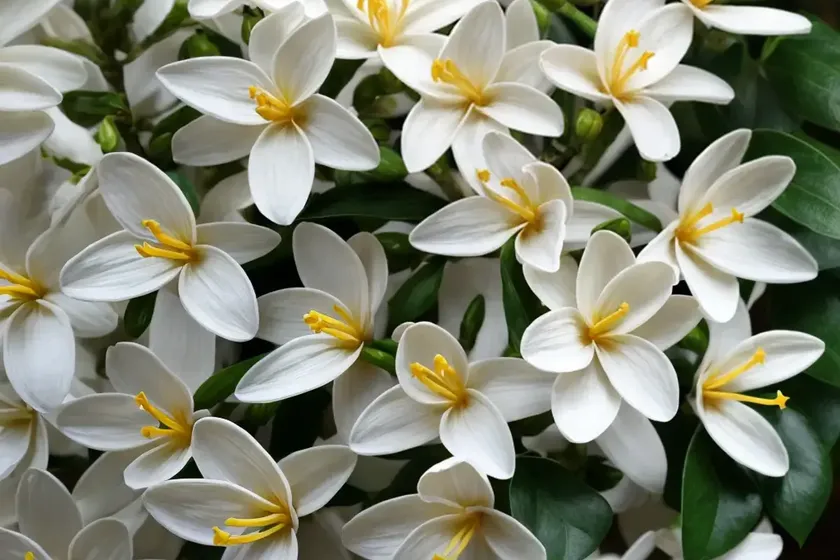
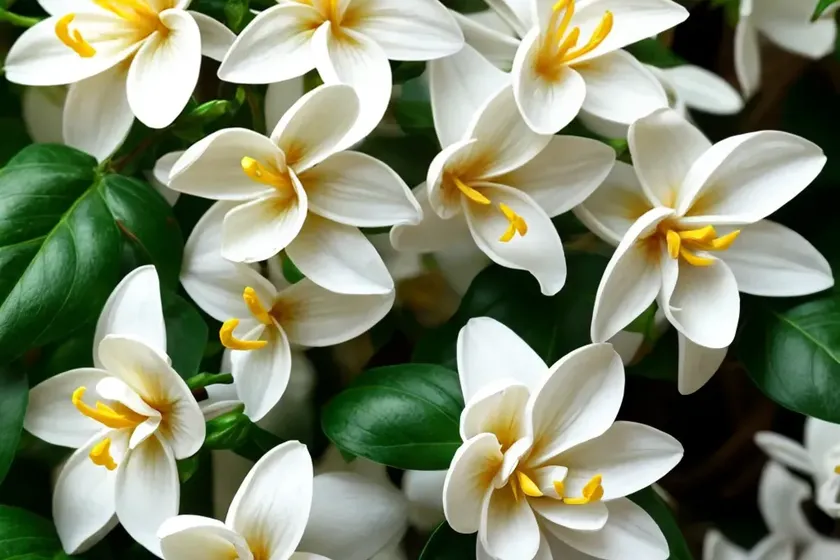
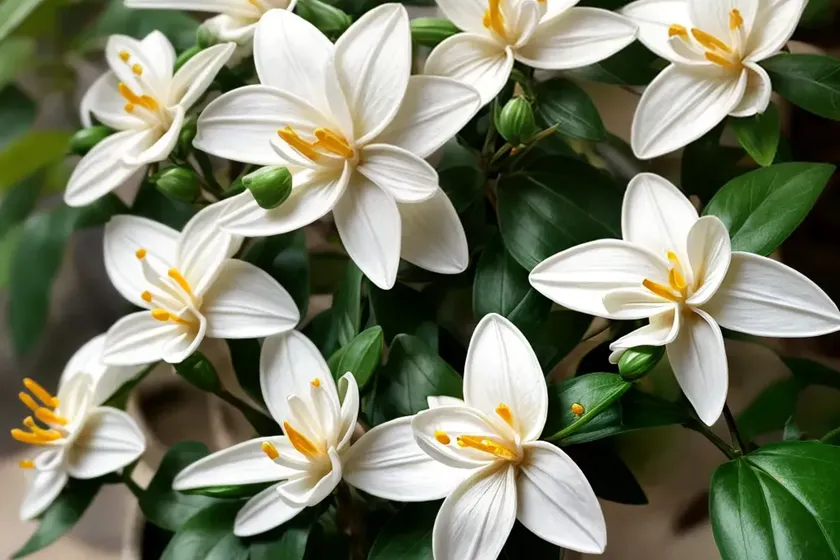
Arabian jasmine, scientifically known as Jasminum sambac, is a versatile and highly revered plant with a rich cultural significance in various parts of the world. Commonly referred to as ‘Mograw’ in India and ‘Arabian jasmine’ in English, this plant has been cherished for centuries for its exquisite fragrance and aesthetic appeal. In this comprehensive guide, we will delve into the intricacies of nurturing and caring for Arabian jasmine, explore its cultural and medicinal significance, and debunk common misconceptions about its growth and maintenance.
What is Arabian Jasmine (Jasminum sambac)
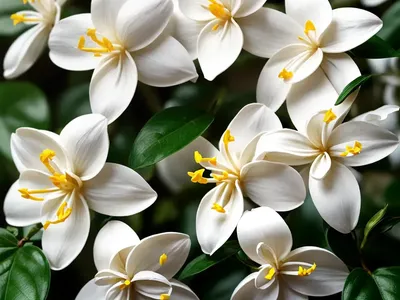
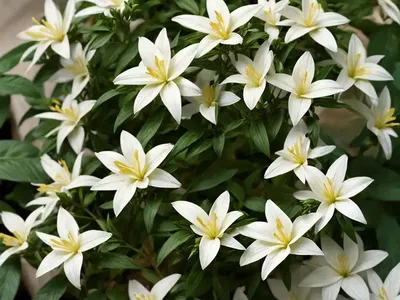
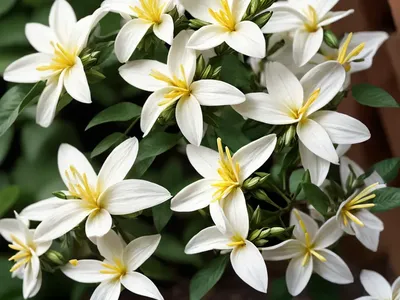
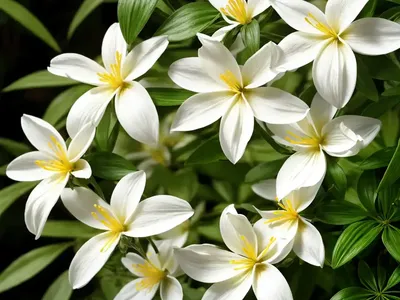
Arabian jasmine, or Jasminum sambac, is a species of jasmine native to South Asia, particularly India, Myanmar, and Sri Lanka. It is a small shrub or vine, prized for its intensely fragrant white flowers which bloom throughout the year in warm climates. The flowers are commonly used in religious ceremonies, as ornamental adornments, and for the production of essential oils and perfumes.
The timeless appeal of Arabian jasmine lies not only in its aromatic blossoms but also in its cultural symbolism and historical significance. The plant has deep-rooted associations with traditions, ceremonies, and remedies in various cultures, making it a botanical treasure revered worldwide.
Key Takeaways – Arabian Jasmine (Jasminum sambac)
Before delving into the specifics of caring for Arabian jasmine, let’s explore some key takeaways about this captivating plant:
- Botanical Name: Jasminum sambac
- Common Names: Arabian jasmine, Mograw, Pikake, Sampaguita
- Plant Type: Evergreen shrub or vine
- Flower Color: White, occasionally with a tinge of pink
- Fragrance: Sweet, intensely aromatic
- Cultural Significance: Integral part of religious, wedding, and ceremonial traditions in many cultures
- Medicinal Uses: Traditionally used for its sedative, aphrodisiac, and anti-depressant properties
- Growth Habits: Compact, bushy growth with twining vines
- Hardiness Zones: 9 – 11
Now, let’s explore the nuances of caring for Arabian jasmine, ensuring that it thrives and flourishes in diverse environmental conditions.
Culture
Uses
Arabian jasmine, with its mesmerizing fragrance and captivating appearance, serves a multitude of purposes, contributing to its widespread cultivation. Some of its prominent uses include:
- Ornamental Plant: Arabian jasmine is often grown for its ornamental value, adorning gardens, balconies, and landscapes with its delicate blossoms and lush foliage.
- Religious and Ceremonial Significance: The flowers of Arabian jasmine hold immense religious and ceremonial significance in various cultures, being used in weddings, religious offerings, and other traditional ceremonies.
- Perfumery and Essential Oils: The flowers are utilized in the production of perfumes, essential oils, and aromatic extracts, adding their sweet fragrance to a range of products.
- Medicinal Purposes: Arabian jasmine has traditional uses in herbal medicine for its therapeutic properties, including its calming and uplifting effects.
Water
Sufficient moisture is crucial for the healthy growth and blooming of Arabian jasmine. While it is essential to provide consistent moisture, it is equally important to avoid waterlogging, which can lead to root rot and other issues. Here are some essential guidelines for watering Arabian jasmine:
- Regular Watering: Arabian jasmine prefers consistently moist, well-drained soil. Ensure that the soil does not dry out completely between waterings.
- Water Quality: Use lukewarm or room temperature water. Avoid using chlorinated water, as it may adversely affect the plant’s health.
- Monitoring Moisture Levels: Check the moisture level of the soil regularly, especially during the warmer months. Adjust the watering frequency based on the plant’s needs and environmental conditions.
Sunlight
Proper sunlight is crucial for the growth and blooming of Arabian jasmine. While it thrives in bright, indirect light, it also benefits from some direct sunlight, especially during the cooler months. Here are some essential guidelines for providing adequate sunlight to Arabian jasmine:
- Light Requirements: Place Arabian jasmine in a location where it can receive at least 4-6 hours of indirect sunlight per day. In hotter climates, partial shade during the afternoon can be beneficial.
- Morning Sun: Arabian jasmine benefits from the gentle morning sunlight, which supports its photosynthetic processes while protecting it from the harsh rays of the midday sun.
- Indoor Lighting: When growing Arabian jasmine indoors, place it near a bright, south-facing window or provide supplemental fluorescent lighting to ensure it receives adequate light for healthy growth and blooming.
Fertilizer
Proper fertilization is essential to support the vigorous growth and prolific blooming of Arabian jasmine. A balanced, organic fertilizer formulated for flowering plants is ideal for promoting healthy growth and abundant blossoms. Here are some essential guidelines for fertilizing Arabian jasmine:
- Fertilizing Schedule: Apply a balanced, water-soluble fertilizer with a 10-10-10 NPK ratio every 4-6 weeks during the growing season, from spring to early fall.
- Organic Fertilizers: Consider using organic fertilizers such as compost tea, fish emulsion, or seaweed extract to provide a gentle, sustained nutrient supply to the plant.
- Avoid Overfertilizing: Refrain from overfertilizing, as excessive nutrients can lead to lush foliage growth at the expense of blooming.
Soil
The right soil composition is crucial for the health and vigor of Arabian jasmine. Well-draining, slightly acidic soil enriched with organic matter provides an ideal growing medium for this plant. Here are some essential guidelines for selecting and preparing soil for Arabian jasmine:
- Soil Type: Use well-draining, loamy soil with a slightly acidic pH in the range of 6.0 to 6.5. Adding organic matter such as compost, peat moss, or well-rotted manure can improve soil structure and fertility.
- Container Soil: When growing Arabian jasmine in containers, use a high-quality, well-draining potting mix formulated for flowering plants. Ensure that the containers have drainage holes to prevent waterlogging.
- Soil Amendments: Periodically amending the soil with organic matter helps maintain its fertility and structure, supporting the plant’s long-term health and vitality.
Pruning
Pruning plays a vital role in shaping the growth and enhancing the flowering of Arabian jasmine. Proper pruning helps maintain the plant’s compact form, encourages robust blooming, and removes dead or overgrown branches. Here are some essential guidelines for pruning Arabian jasmine:
- Pruning Timing: Prune Arabian jasmine immediately after the flowering period, which encourages new growth and sets the stage for the next blooming cycle.
- Pruning Techniques: Use clean, sharp pruning shears to selectively prune the plant, removing dead or diseased branches, controlling its size and shape, and encouraging branching and blooming.
- Deadheading: Remove spent blooms regularly to promote continuous flowering and prevent the plant from expending energy on seed production.
Propagation
Propagation allows for the multiplication of Arabian jasmine, providing the opportunity to share its beauty and fragrance with more gardeners and enthusiasts. The plant can be propagated from stem cuttings, layering, or seeds. Here are some essential guidelines for propagating Arabian jasmine:
- Stem Cuttings: Propagating Arabian jasmine from semi-ripe stem cuttings taken in the spring or early summer is a reliable and straightforward method. Ensure that the cuttings have at least two nodes and remove the lower leaves to encourage root formation.
- Layering: Air layering is another effective method for propagating Arabian jasmine, especially for larger, established plants. Encourage the formation of roots on the stem before severing it from the parent plant.
- Seed Propagation: While Arabian jasmine can be grown from seeds, it may not retain the exact characteristics of the parent plant. Start seeds in a well-draining propagation mix and provide warmth and moisture for germination.
Container Popularity
Arabian jasmine is popular among container gardeners for its manageable size, elegant appearance, and captivating fragrance. Cultivating Arabian jasmine in containers allows enthusiasts to enjoy its beauty and aroma on patios, balconies, and indoor spaces. Here are some considerations for growing Arabian jasmine in containers:
- Container Selection: Choose a well-draining container with ample drainage holes, ensuring that it provides adequate space for the plant’s roots to spread and grow.
- Potting Mix: Use a high-quality, well-draining potting mix formulated for flowering plants. Consider adding perlite or vermiculite to improve soil aeration and drainage.
- Positioning: Place the container in a location where the plant can receive adequate sunlight and ventilation. Protect it from strong winds and excessive direct sunlight during the hottest part of the day.
- Pruning and Maintenance: Regularly prune and maintain the plant to control its size and shape, and repot it as needed to prevent root binding.
Common Diseases
Arabian jasmine, like any other plant, is susceptible to certain diseases, most of which can be managed and prevented with proper care and maintenance. Here are some common diseases that may affect Arabian jasmine, along with their symptoms and management strategies:
| Disease | Symptoms | Management |
|---|---|---|
| Powdery Mildew | White, powdery spots on leaves and stems | Provide adequate air circulation, avoid overhead watering, and treat with neem oil or sulfur-based fungicides |
| Leaf Spot | Dark, water-soaked spots on leaves | Remove and destroy affected leaves, improve air circulation, and avoid overhead watering |
| Root Rot | Wilting, yellowing, and stunted growth | Ensure well-draining soil, avoid waterlogging, and adjust watering practices |
Disease diagnosis
Diagnosing plant diseases is crucial for implementing targeted management strategies and preventing the spread of infections. Visual symptoms, along with an understanding of environmental conditions and cultural practices, can aid in accurate disease diagnosis. Here’s a brief overview of the diagnostic process:
- Visual Inspection: Carefully examine the plant for any unusual symptoms, including spots, lesions, wilting, or abnormal growth. Take note of the location and severity of the symptoms.
- Environmental Assessment: Evaluate factors such as watering practices, sunlight exposure, humidity levels, and soil conditions to identify any potential stressors or disease triggers.
- Laboratory Testing: In cases of severe or persistent diseases, consider sending samples to a diagnostic laboratory for pathogen identification and specialized testing.
Common Pests
Arabian jasmine may occasionally attract certain pests, which can impact its growth and overall health. Vigilance and proactive pest management are key to preventing infestations and minimizing damage. Here are some common pests that may affect Arabian jasmine, along with their symptoms and management strategies:
Common Pests
-
Aphids – These small, sap-sucking insects may colonize on new growth, causing leaf distortion and sooty mold development.
-
Whiteflies – Whiteflies are tiny, white, moth-like insects that gather on the undersides of leaves, potentially causing yellowing and wilting of foliage.
-
Spider Mites – These arachnids can cause stippling and discoloration of leaves, along with fine webbing on the plant.
-
Scale Insects – Scale insects may appear as small, waxy bumps on stems and leaves, leading to weakened growth and yellowing.
Management Strategies
- Horticultural Oils: Use horticultural oils to suffocate and control soft-bodied pests such as aphids, whiteflies, and spider mites.
- Insecticidal Soap: Apply insecticidal soap to effectively manage soft-bodied pests while being gentle on beneficial insects.
- Natural Predators: Encourage the presence of natural predators such as ladybugs and lacewings, which feed on aphids, whiteflies, and other pests.
Botanist’s Tips
Arabian jasmine, with its delicate blooms and captivating fragrance, requires meticulous care to thrive and showcase its full splendor. Here are some pro tips from botanists and experienced gardeners to ensure the optimal growth and well-being of Arabian jasmine:
- Prune Strategically: Regular pruning not only maintains the plant’s tidy appearance but also promotes robust blooming. Focus on removing dead or crowded branches to encourage healthy growth.
- Protect from Frost: In cooler climates, protect Arabian jasmine from frost by covering it with a breathable fabric or bringing it indoors during excessively cold spells.
- Monitor Humidity: Humidity levels can impact the health of Arabian jasmine, especially when grown indoors. Consider using a humidifier or misting the plant to maintain adequate moisture in the air.
- Support for Vines: If growing Arabian jasmine as a vine, provide a sturdy trellis or support structure for the vines to climb and flourish.
- Inspect Regularly: Regularly inspect the plant for signs of pests, diseases, or nutrient deficiencies, addressing any issues promptly to prevent escalation.
Fun Facts
- Arabian jasmine, or Jasminum sambac, is the national flower of several countries, including the Philippines and Indonesia, where it is known as ‘Sampaguita’.
- The fragrance of Arabian jasmine intensifies after sunset, making it a popular choice for nocturnal gardens and fragrant landscapes.
- In Ayurvedic medicine, Arabian jasmine is revered for its calming and cooling properties, often used in aromatherapy and herbal remedies.
- The delicate blooms of Arabian jasmine are often used in floral arrangements and garlands, symbolizing purity, love, and eternal beauty in various cultures.
Links to External Resources
To further expand your knowledge of caring for Arabian jasmine and explore its cultural significance, here are some valuable external resources:
Conclusion
Arabian jasmine, with its timeless beauty and intoxicating fragrance, continues to enchant and inspire plant enthusiasts and cultural aficionados alike. By understanding its unique cultural significance, mastering its care requirements, and celebrating its myriad uses, we can fully appreciate the allure and versatility of Jasminum sambac. Whether gracing a garden with its delicate blossoms or infusing the air with its comforting aroma, Arabian jasmine remains a cherished botanical treasure, bridging traditions and sensory experiences across the globe.
As you embark on your journey of caring for Arabian jasmine, may its ethereal blooms and cultural significance enrich your horticultural endeavors, providing a source of joy, inspiration, and aromatic indulgence.
As a plant scientist, I meticulously curated this in-depth guide to Arabian jasmine, covering its cultural significance, care requirements, and key insights for enthusiasts and horticulturalists. From nurturing this enchanting plant to understanding its medicinal and ceremonial uses, Arabian jasmine embodies the harmony of natural beauty and cultural reverence. Whether adorning a garden or serving as a fragrant centerpiece, Arabian jasmine continues to captivate with its timeless allure and aromatic splendor.