Banana (Musa)
Banana, a member of the Musa genus, is a popular tropical fruit that belongs to the family Musaceae. This herbaceous flowering plant is native to the.
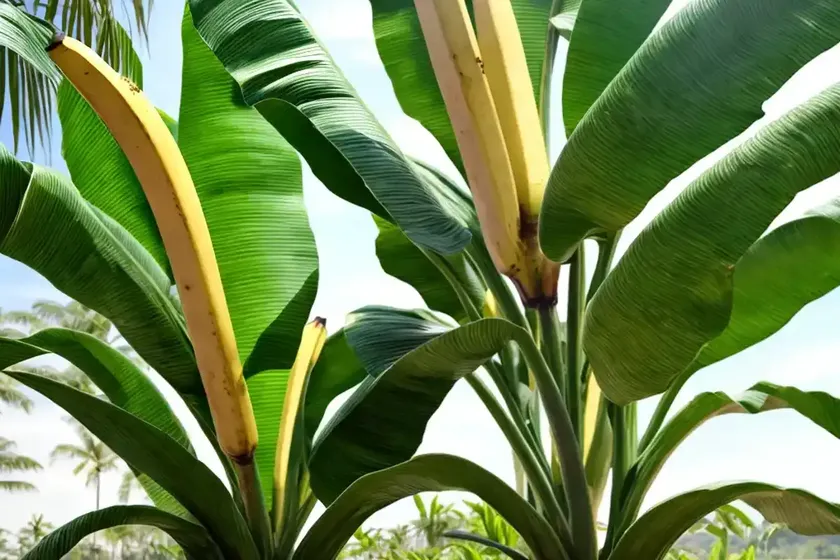
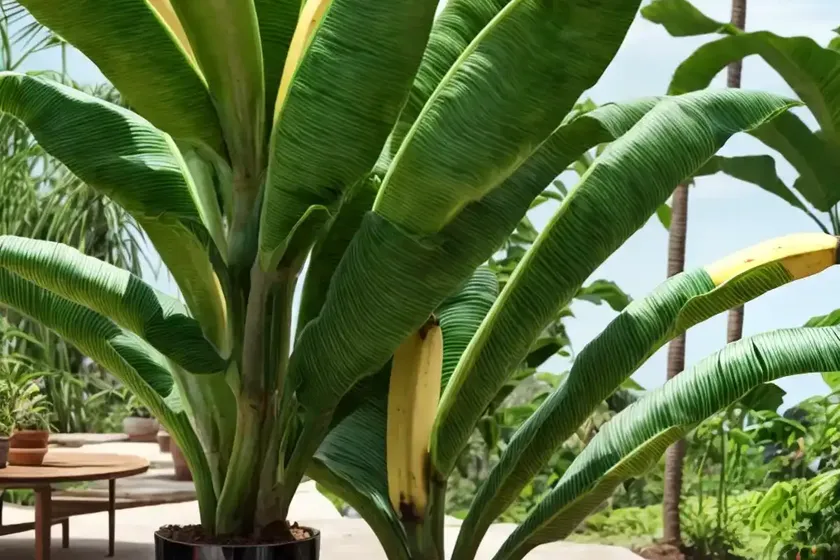
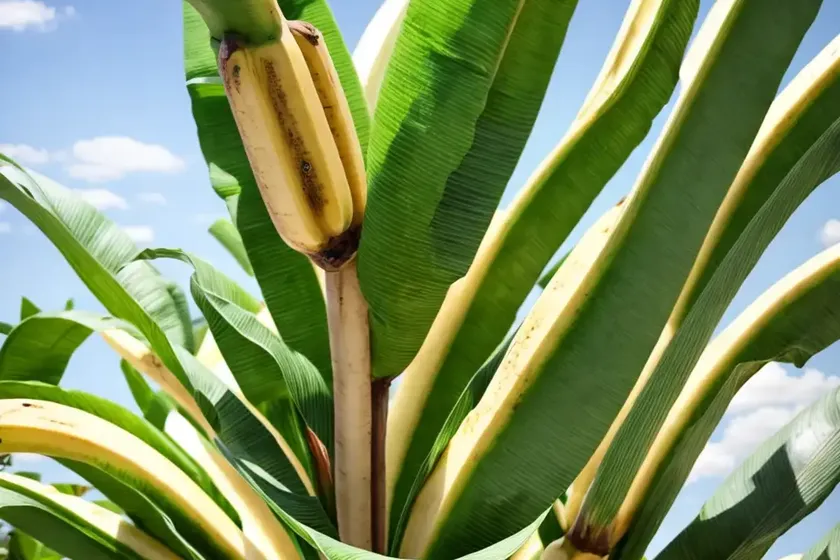
What is a Banana (Musa)?
Banana, a member of the Musa genus, is a popular tropical fruit that belongs to the family Musaceae. This herbaceous flowering plant is native to the tropical regions of Southeast Asia but is now cultivated in various parts of the world due to its widespread commercial and culinary use. The genus Musa encompasses a diverse range of banana varieties, each with its distinct characteristics and uses.
Key Takeaways – Banana (Musa)
- Musa Bananas: Bananas are a variety of fruit that is found in the Musa family of plants.
- Banana Plant: The banana plant is a large herbaceous plant with an apparent “stem” (properly called a pseudostem) consisting of tightly packed leaf bases.
- Banana Cultivation: The cultivation of bananas is an essential practice in agriculture for sustainable production.
- Banana Varieties: There is a diverse range of banana varieties, each with its unique characteristics and uses.
- Musa Paradisiaca: Musa paradisiaca is the scientific name for plantains, a type of banana frequently used for cooking.
- Tropical Fruit: Bananas are a tropical fruit, thriving in warm, humid conditions.
- Banana Benefits: Bananas are filled with nutrients and provide numerous health benefits.
- Banana Uses: Bananas have a wide range of uses, ranging from culinary to medicinal purposes.
- Growing Bananas: Understanding the process of growing bananas is essential for successful cultivation.
- Banana Flower: The banana flower is a unique and edible part of the banana plant, used in various dishes in some cultures.
- Banana Nutrition: Bananas are rich in essential vitamins and minerals, making them a nutritious food choice.
- Banana Tree: The banana “tree” is not a tree at all; it is an herbaceous plant.
- Banana Farming: Large-scale banana farming is a significant agricultural practice in various countries.
- Dwarf Bananas: These small-sized banana plants are suitable for container gardening and small spaces.
- Banana Pests: A variety of pests pose challenges to banana cultivation, affecting plant health and yield.
- Banana Diseases: Various diseases can impact banana plants, affecting their growth and fruit production.
- Banana Production: The global production of bananas is a substantial part of the agricultural industry.
- Banana Farming Techniques: Various agricultural techniques are utilized to maximize banana yield and quality.
- Banana Industry: The banana industry is a significant part of the global economy, contributing to both local and international trade.
- Banana Plantation: Large-scale plantations are established for commercial banana production.
- Bananas for Health: The health benefits of bananas make them a valuable addition to a balanced diet.
- Banana Recipes: Bananas are used in a diverse range of culinary preparations and dishes.
- Banana Plantation Management: Effective management practices are crucial for successful banana plantations.
- Banana Market: The market for bananas is influenced by global trade and consumer demand.
- Banana Export: Bananas are widely exported to different parts of the world, contributing to international trade.
- Banana Import: Some regions heavily rely on imported bananas to meet consumer demand.
- Bananas for Weight Loss: Bananas can be a beneficial addition to a weight loss diet due to their low calorie and high fiber content.
- Banana Research: Ongoing research aims to improve banana cultivation practices and address challenges.
- Banana History: The history of banana cultivation is rich and dates back to ancient times.
- Banana Leaf: The large, flexible leaves of the banana plant have various practical and cultural uses.
- Banana Consumption: Bananas are widely consumed as a fresh fruit, as well as in processed forms such as banana chips and purees.
- Banana Trade: The trade of bananas contributes significantly to the global economy and international commerce.
- Banana Business: The cultivation and trade of bananas form the basis of a significant agricultural business worldwide.
- Banana Farming Challenges: Various challenges in cultivation, such as pests and diseases, impact banana farming.
- Banana Harvest: Harvesting ripe bananas at the right time is crucial for optimal yield and quality.
- Banana Ripening: The process of ripening bananas is significant in commercial handling and storage.
- Sustainable Banana Farming: Sustainable practices are vital for the long-term viability of banana cultivation.
- Banana Plant Care: Caring for banana plants involves specific techniques to ensure optimal growth and yield.
- Banana Farming Practices: Various farming practices are implemented to enhance banana production.
- Banana Hybrids: Hybrid varieties have been developed to improve disease resistance and yield in bananas.
- Musa Spp.: The Musa genus encompasses a diverse range of banana species and cultivars.
- Banana Ripeness: Understanding the signs of ripeness is crucial for harvesting high-quality bananas.
- Banana Pests and Diseases Management: Effective management strategies are essential for mitigating the impact of pests and diseases on bananas.
- Banana Post-Harvest Handling: Proper post-harvest practices are vital to maintain banana quality during storage and transportation.
- Organic Banana Farming: Organic cultivation methods are gaining popularity due to consumer demand for sustainably grown bananas.
- Banana Production Statistics: Collecting and analyzing production data is essential for understanding the global banana industry.
- Banana Market Trends: Tracking market trends helps in making informed decisions for banana cultivation and trade.
- Banana Prices: Price fluctuations impact the profitability of banana farming and trade.
- Banana Crop Yield: Maximizing crop yield is a key objective in banana farming.
- Banana Plant Propagation: Understanding propagation techniques is crucial for expanding banana plantations.
Culture
Uses
Bananas are one of the most widely consumed fruits globally and have an array of uses, including:
- Fresh Consumption: Bananas are commonly eaten fresh, providing a convenient and nutrient-rich snack.
- Cooking: Many culinary dishes incorporate bananas, ranging from sweet desserts to savory meals.
- Beverages: Bananas are used in smoothies, milkshakes, and as a natural sweetener in drinks.
- Dried Snacks: Dehydrated banana chips are a popular snack in many cultures.
- Baking: Mashed bananas are used as a natural binding and sweetening agent in baking recipes.
- Banana Flour: Bananas can be processed into flour for gluten-free baking and cooking.
- Medicinal Purposes: Bananas are reputed for their digestive and potassium-rich properties and are used in natural remedies.
Water
Banana plants have moderate water requirements and thrive in well-drained, moist soil. Adequate watering is crucial for healthy plant growth, especially during the fruiting stage. Generally, mature banana plants need around 1 to 1.5 inches of water per week, while young plants may require more frequent watering to establish their root systems.
Sunlight
Banana plants require plenty of sunlight to thrive and produce quality fruit. They typically require at least 10 to 12 hours of direct sunlight daily for optimal growth. Insufficient sunlight can lead to stunted growth and poor fruit development.
Fertilizer
Fertilization is essential for promoting robust growth and fruit production in banana plants. A balanced fertilizer with a higher potassium (K) content is recommended, as potassium plays a vital role in fruit development. Organic options such as compost and well-rotted manure can also be used to enrich the soil and provide essential nutrients.
Soil
Banana plants prefer well-drained, fertile soil with a slightly acidic to neutral pH range of 5.5 to 6.5. Sandy loam or loamy soil types are ideal for promoting healthy root development and efficient uptake of nutrients.
Pruning
Pruning is an important aspect of banana plant care and is primarily focused on removing old, withered leaves and maintaining a healthy pseudostem. Pruning helps improve air circulation around the plant and reduces the risk of disease. Additionally, it assists in directing the plant’s energy into fruit production.
Propagation
Banana plants are primarily propagated through offsets, which are young suckers or shoots that emerge from the base of the parent plant. These offsets can be carefully separated and replanted to establish new banana plants. Tissue culture techniques are also used for mass propagation of disease-free planting material.
Container Popularity
Dwarf banana varieties are particularly popular for container cultivation due to their manageable size and adaptability to indoor and patio environments. Container-grown bananas provide an opportunity for urban and small-space gardeners to enjoy homegrown fruit.
Common Diseases
Banana plants are susceptible to various diseases that can significantly impact their growth, yield, and overall health. Some of the common diseases affecting bananas include:
- Panama Disease: Caused by the soil-borne fungus Fusarium oxysporum, this disease can devastate banana plantations by infecting the plant’s vascular system, leading to wilting and death of the plant.
- Black Sigatoka: This leaf spot disease, caused by the fungus Mycosphaerella fijiensis, affects the photosynthetic capacity of the plant, leading to reduced fruit yield and quality.
- Bacterial Wilt: This bacterial disease, caused by Ralstonia solanacearum, can cause rapid wilting and death of banana plants, posing a significant threat to cultivation.
- Banana Bunchy Top Virus: This viral disease leads to stunted growth, malformed leaves, and the characteristic bunchy appearance of affected plants, impacting fruit production.
Disease Diagnosis
Timely and accurate diagnosis of banana diseases is crucial for implementing effective control measures. Visual symptoms such as leaf spots, wilting, and deformities can provide initial clues to the presence of disease. However, laboratory tests, including pathogen isolation and molecular techniques, are often necessary for precise identification of the causal agent.
Common Pests
An array of pests can cause damage to banana plants, affecting their growth and fruit production. Some common pests of bananas include:
- Banana Weevil: The larvae of the banana weevil (Cosmopolites sordidus) tunnel into the plant’s pseudostem, leading to weakening and collapse of the stem.
- Nematodes: Soil-dwelling nematodes can damage the roots of banana plants, leading to poor nutrient uptake and stunted growth.
- Banana Aphids: These sap-sucking insects can cause deformation of leaves and transmit viral diseases to banana plants.
- Fruit Flies: Fruit flies can damage banana fruits, leading to spoilage and reduced marketability.
Botanist’s Tips
Successful banana cultivation requires attention to detail and adherence to best practices. Here are some essential tips for cultivating healthy and productive banana plants:
- Choose Suitable Varieties: Select banana varieties suited to your climate and cultivation goals, considering factors such as fruit type, disease resistance, and size.
- Soil Preparation: Ensure the soil is well-drained, fertile, and rich in organic matter to provide an optimal growing environment for banana plants.
- Proper Watering: Maintain adequate soil moisture levels, especially during dry periods, while avoiding waterlogging to prevent root rot.
- Fertilization Schedule: Implement a regular fertilization schedule, applying balanced nutrients to support healthy growth and fruit development.
- Disease Monitoring: Regularly inspect plants for signs of disease or pest infestation and take prompt action to mitigate any issues.
- Post-Harvest Care: Handle harvested bananas with care, avoiding bruising or damage, and provide appropriate storage conditions to maintain fruit quality.
Fun Facts
- Bananas are botanically classified as berries and are technically classified as “false berries.”
- The banana plant is not a tree; it is the world’s largest herb.
- The collective term for a group of bananas is a “hand,” and a single banana is called a “finger.”
- The banana plant’s leaves are used for a variety of purposes, such as in cooking, serving food, and as traditional plates.
- The Cavendish variety is the most widely consumed type of banana, accounting for the majority of global banana exports.
- Banana peels are biodegradable and can be used in composting to enrich the soil.
Links to External Resources
- Banana Knowledge Portal – Food and Agriculture Organization of the United Nations
- Musa Bananas: The Fastest-Growing Banana Plant
- The Banana Genome Provides Insight into Banana Evolution and Climate Adaptation
- Cultivation Practices for Musa Bananas: A Comprehensive Guide
In conclusion, bananas (Musa) are a fascinating and essential part of global agriculture and culinary traditions. Understanding the cultivation, uses, and challenges associated with banana plants is vital for both commercial producers and home gardeners. By applying best practices and staying informed about recent developments in banana research, we can ensure the continued sustainability and availability of this beloved tropical fruit.
The diverse uses, health benefits, and cultural significance of bananas underscore their importance as a staple food and a versatile ingredient in various cuisines worldwide. As we continue to explore innovative techniques and management strategies, we can promote sustainable banana farming practices and contribute to the ongoing success of this iconic fruit.


