

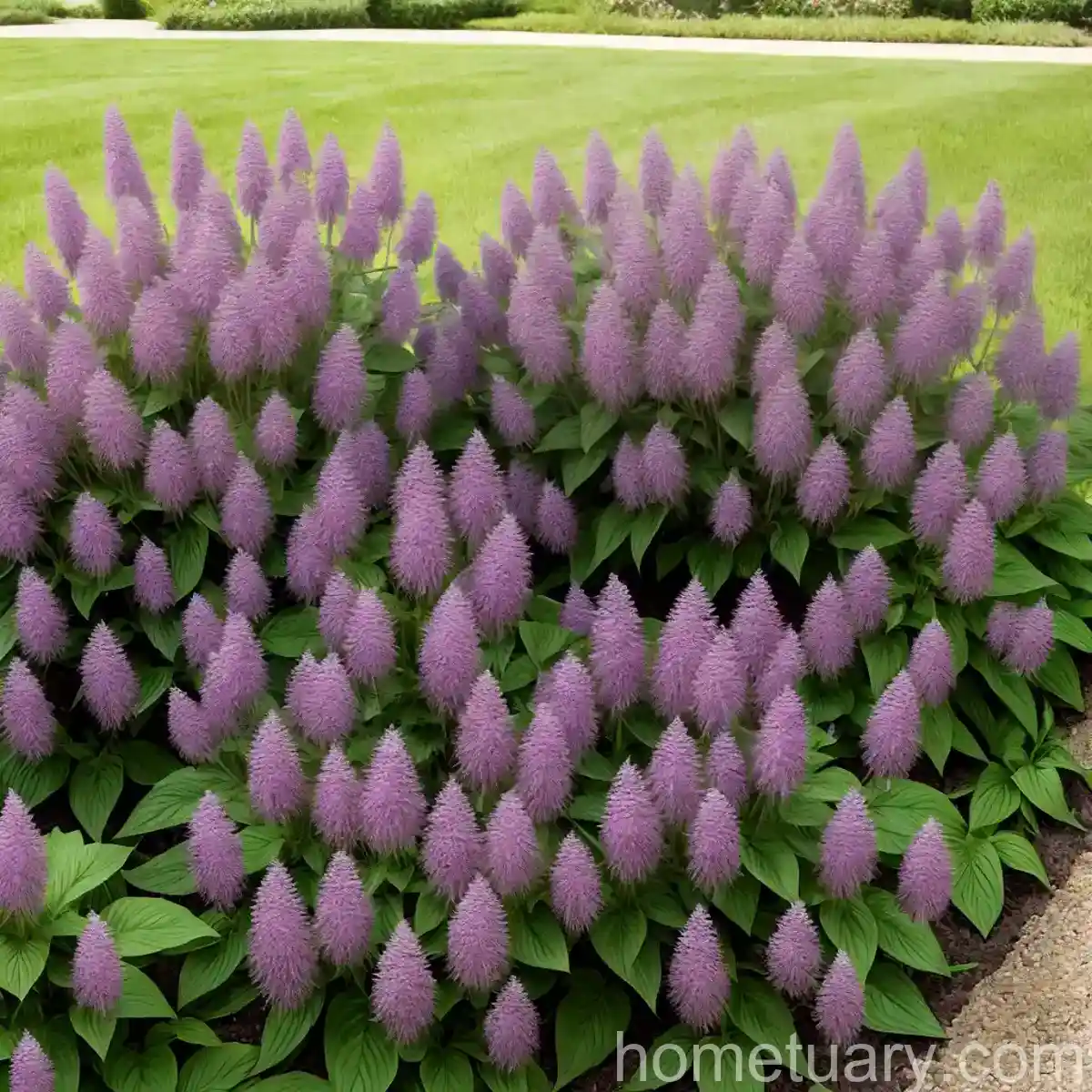
Veronicastrum virginicum ‘Fascination’ (Culver’s Root): A Beautiful Perennial Plant for Your Garden
In the world of horticulture, there are countless plant species that have captured the fascination of plant enthusiasts for centuries. Veronicastrum virginicum ‘Fascination’, commonly known as Culver’s Root, is one such plant that has gained popularity due to its striking appearance and various garden uses. In this comprehensive guide, we will explore the intricacies of this stunning plant, from its cultural requirements to its role in the garden ecosystem.
What is Veronicastrum virginicum ‘Fascination’?
Veronicastrum virginicum ‘Fascination’, a member of the Plantaginaceae family, is a herbaceous perennial native to the Eastern United States. Known for its tall, elegant flower spikes adorned with tiny white or pale blue flowers, this plant makes a captivating addition to any garden. The common name “Culver’s Root” pays homage to the plant’s historical use as a medicinal herb and its characteristic roots.
Key Takeaways – Veronicastrum virginicum ‘Fascination’ (Culver’s Root)
Before delving into the specific aspects of Veronicastrum virginicum ‘Fascination’, it is essential to understand the key points that will be discussed in this guide. Here are the primary takeaways:
- Culture
- Uses
- Water
- Sunlight
- Fertilizer
- Soil
- Pruning
- Propagation
- Container
- Popularity
- Common Diseases
- Common Pests
- Botanist’s Tips
- Fun Facts
- Links to External Resources
Now, let’s delve deeper into the various aspects of Veronicastrum virginicum ‘Fascination’.
Culture of Veronicastrum virginicum ‘Fascination’
Cultivating Veronicastrum virginicum ‘Fascination’ in your garden requires a basic understanding of its cultural needs. By providing the right conditions, you can ensure the healthy growth and abundant flowering of this spectacular perennial.
Uses
Veronicastrum virginicum ‘Fascination’ offers a range of uses in the garden landscape, including:
- Pollinator-Friendly Plant: The abundant nectar in the flowers attracts bees, butterflies, and other pollinators, making it a valuable addition to pollinator gardens.
- Architectural Interest: The tall flower spikes add vertical interest to borders and mixed perennial plantings.
- Cut Flowers: The flowers make beautiful additions to floral arrangements, bringing a touch of natural elegance indoors.
Water
Proper watering is crucial for the health and vitality of Veronicastrum virginicum ‘Fascination’. While it thrives in moist soil, it is important to ensure good drainage to prevent waterlogging, particularly in the winter months.
- Water Needs: Regular watering, especially during dry spells, is essential to keep the soil consistently moist but not waterlogged.
- Drought Resistance: Once established, Veronicastrum virginicum ‘Fascination’ exhibits good drought resistance, making it suitable for gardens in regions with sporadic rainfall.
Sunlight
Like many flowering perennials, Veronicastrum virginicum ‘Fascination’ has specific sunlight requirements for optimal growth and flowering.
- Sun Exposure: It thrives in full to partial sun, requiring at least 6-8 hours of direct sunlight for the best flowering performance.
- Shade Tolerance: While it prefers full sun, it can tolerate some shade, particularly in regions with intense summer heat.
Fertilizer
Providing the right nutrients is vital for the overall health and vigor of Veronicastrum virginicum ‘Fascination’.
- Fertilization: Apply a balanced, slow-release fertilizer in spring to support healthy growth and abundant flowering.
- Organic Matter: Amending the soil with organic matter such as compost can enhance the fertility and structure of the soil, benefiting the plant’s growth.
Soil
The soil composition and structure play a significant role in the growth and development of Veronicastrum virginicum ‘Fascination’.
- Soil Type: Well-drained, fertile soil with a slightly acidic to neutral pH is ideal for this plant.
- Moisture Retention: Adding organic matter to the soil can improve its moisture retention capacity, benefiting the plant, especially in dry periods.
Pruning Veronicastrum virginicum ‘Fascination’
Proper pruning practices can help maintain the health and aesthetic appeal of Veronicastrum virginicum ‘Fascination’.
- Pruning Time: Cut back the flower spikes after they have finished blooming to encourage a second flush of flowers and prevent self-seeding.
- Maintenance: In late fall or early spring, cut back the old stems to the base to rejuvenate the plant and encourage new growth.
Propagation
Propagating Veronicastrum virginicum ‘Fascination’ allows you to expand your plant collection and share its beauty with others.
- Dividing: Divide mature clumps in early spring to create new plants and revitalize the existing ones.
- Seed Propagation: Collect seeds from the plant and sow them in containers in a protected environment, providing consistent moisture until the seedlings are established.
Container Gardening with Veronicastrum virginicum ‘Fascination’
While Veronicastrum virginicum ‘Fascination’ is primarily grown in garden borders, it can also thrive in containers, adding vertical interest to patio and balcony spaces.
- Container Size: Choose a large, deep container to accommodate the plant’s extensive root system and provide stability for the tall flower spikes.
- Soil Mix: Use a well-draining potting mix and incorporate organic matter to enhance the soil’s fertility and moisture retention.
Popularity of Veronicastrum virginicum ‘Fascination’
The allure of Veronicastrum virginicum ‘Fascination’ has made it a popular choice among gardeners and landscapers. Its architectural form and pollinator-friendly nature have contributed to its widespread appeal in garden settings across the country.
Common Diseases of Veronicastrum virginicum ‘Fascination’
While Veronicastrum virginicum ‘Fascination’ is relatively disease-resistant, it can occasionally encounter certain issues that affect its health and appearance.
- Powdery Mildew: This fungal disease can affect the foliage, causing a powdery white coating. Ensure good air circulation and avoid overhead watering to mitigate its occurrence.
- Root Rot: Overly wet soil can lead to root rot, impacting the plant’s overall vigor. Proper drainage and moderation in watering can prevent this issue.
Disease Diagnosis and Management
Diagnosing and managing diseases in Veronicastrum virginicum ‘Fascination’ requires vigilance and prompt action to prevent the spread of the disease.
- Early Detection: Regularly inspect the plant for any signs of disease or stress, such as wilting foliage or unusual discoloration.
- Cultural Practices: Proper watering, adequate spacing, and good air circulation can minimize the risk of disease development.
Common Pests Affecting Veronicastrum virginicum ‘Fascination’
While Veronicastrum virginicum ‘Fascination’ is relatively resistant to pests, certain insects may occasionally pose a threat to its well-being.
- Aphids: These small, sap-sucking insects can infest the plant, causing distortion of new growth and the formation of sticky honeydew. Use insecticidal soap to control aphid populations.
- Spider Mites: These tiny arachnids can affect the plant, leading to stippled, discolored foliage. Regularly hose down the plant to dislodge spider mites and minimize their impact.
Botanist’s Tips for Growing Veronicastrum virginicum ‘Fascination’
Incorporating expert tips can elevate the growing experience and overall success of cultivating Veronicastrum virginicum ‘Fascination’ in your garden.
- Companion Planting: Pair it with other native perennials and grasses to create a diverse and ecologically beneficial planting scheme.
- Wildlife Attractant: The nectar-rich flowers attract various pollinators and beneficial insects, aiding in the ecological balance of the garden.
Fun Facts about Veronicastrum virginicum ‘Fascination’
Discovering interesting facts about plants adds depth to the gardening experience and enhances our appreciation for the natural world.
- Historical Medicinal Use: Culver’s Root has a long history of use in traditional medicine, particularly by Native American tribes, for various ailments.
- Ecological Significance: The flowers of Veronicastrum virginicum ‘Fascination’ play an important role in supporting pollinators, contributing to the conservation of native wildlife.
Links to External Resources
To further enrich your knowledge and understanding of Veronicastrum virginicum ‘Fascination’, here are some useful external resources:
- Royal Horticultural Society – Veronicastrum virginicum ‘Fascination’
- Missouri Botanical Garden – Culver’s Root (Veronicastrum virginicum)
- University of Wisconsin-Madison – Veronicastrum virginicum Fact Sheet
Conclusion
Veronicastrum virginicum ‘Fascination’ stands out as a captivating and versatile perennial plant that offers aesthetic, ecological, and horticultural value. With its striking flower spikes, adaptability to various growing conditions, and contributions to the garden ecosystem, it has rightfully earned its place in gardens and landscapes across the Eastern United States. By understanding its cultural requirements, recognizing its uses, and appreciating its ecological significance, we can fully embrace the beauty and charm of this remarkable plant.
As we continue to delve into the intricacies of horticulture and the diverse world of plants, the allure of Veronicastrum virginicum ‘Fascination’ serves as a testament to the endless wonders that nature has to offer. Whether in formal garden designs, naturalistic plantings, or pollinator-friendly landscapes, this enchanting perennial plant has the power to captivate and inspire garden enthusiasts and nature lovers alike.




