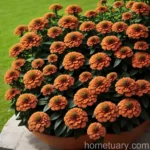
Zinnia Elegans ‘Mazurkia’: A Complete Guide
Zinnia elegans ‘Mazurkia’ is a stunning addition to any garden, known for its bright and colorful blooms. In this comprehensive guide, we will explore everything you need to know about this beautiful plant, including its culture, uses, maintenance, common diseases, and more. Whether you are a seasoned gardener or a beginner looking to cultivate a flourishing garden, this guide will equip you with all the essential knowledge about Zinnia Elegans ‘Mazurkia’. So, let’s dive in and discover the world of this charming plant.
What is Zinnia Elegans ‘Mazurkia’?
Zinnia elegans ‘Mazurkia’ is a cultivar of the Zinnia elegans species, a member of the Asteraceae family. This annual flowering plant is native to Mexico and Southwestern United States. Renowned for its striking, daisy-like flowers, Zinnia elegans ‘Mazurkia’ is a popular choice for gardeners seeking to add vibrant colors and visual appeal to their outdoor spaces. The plant typically reaches a height of 2 to 3 feet and blooms in a range of hues, including reds, pinks, oranges, yellows, and whites.
Key Takeaways
Before delving deeper into the intricacies of Zinnia elegans ‘Mazurkia’, let’s take a moment to highlight the key aspects of this plant:
- Botanical Name: Zinnia elegans ‘Mazurkia’
- Common Name: Mazurkia Zinnia
- Plant Type: Annual Flowering Plant
- Height: 2-3 feet
- Blooming Period: Throughout the Growing Season
- Sunlight Requirements: Full Sun
- Watering Needs: Moderate
- Soil Type: Well-draining, Fertile Soil
- Uses: Borders, Containers, Cut Flowers
- Common Diseases: Powdery Mildew, Botrytis Blight
- Common Pests: Aphids, Spider Mites
Now that we have an overview of Zinnia elegans ‘Mazurkia’, let’s explore its culture, uses, and maintenance requirements in detail.
Culture
Cultivating Zinnia elegans ‘Mazurkia’ requires attention to specific cultural practices to ensure optimal growth and abundant flowering. The culture of a plant encompasses various aspects, including soil, sunlight, water, and fertilizer requirements.
Water
Zinnia elegans ‘Mazurkia’ thrives in moderately moist soil. When establishing this plant, it is crucial to provide consistent watering, especially during dry spells or hot weather. However, it is essential to avoid over-watering, as excessive moisture can lead to root rot and other detrimental conditions. To maintain ideal soil moisture levels, regular monitoring of the plant’s water needs is recommended.
Sunlight
Being a sun-loving plant, Zinnia elegans ‘Mazurkia’ flourishes in full sunlight. When selecting a location for planting, ensure that the chosen site receives at least 6-8 hours of direct sunlight daily. Adequate sunlight not only promotes robust growth but also encourages profuse flowering, resulting in a spectacular display of colorful blooms.
Fertilizer
To support healthy growth and vibrant blooms, Zinnia elegans ‘Mazurkia’ benefits from regular fertilization. Incorporating a balanced, all-purpose fertilizer into the soil at the time of planting provides the plant with essential nutrients to fuel its initial growth. Subsequently, applying a water-soluble fertilizer every 4-6 weeks during the growing season can help sustain the plant’s vigor and flowering capacity.
Soil
The soil requirements of Zinnia elegans ‘Mazurkia’ focus on well-draining, fertile soil. Prior to planting, amend the soil with organic matter, such as compost or well-rotted manure, to enhance its nutrient content and drainage capabilities. Additionally, maintaining a slightly acidic to neutral soil pH level (6.0-7.5) promotes the plant’s overall health and vitality.
Uses
Zinnia elegans ‘Mazurkia’ offers a myriad of uses, making it a versatile and valuable addition to any garden or landscape. From its role as a border plant to its function as a cut flower, this cultivar presents an array of applications for gardeners and floral enthusiasts alike.
Borders
The striking and vibrant blooms of Zinnia elegans ‘Mazurkia’ make it an excellent choice for border plantings. Whether used in formal or informal garden borders, the plant’s robust growth and colorful flowers create captivating visual boundaries, adding charm and allure to garden landscapes.
Cut Flowers
As cut flowers, the blooms of Zinnia elegans ‘Mazurkia’ bring a burst of color and cheer to indoor arrangements. Whether used as standalone blooms or combined with other flowers, these zinnias make stunning additions to floral displays, brightening up interior spaces and serving as focal points in decorative arrangements.
Containers
Zinnia elegans ‘Mazurkia’ thrives in containers, making it an excellent choice for patio gardens, balconies, and other confined spaces. The compact nature of this plant, combined with its vibrant and long-lasting blooms, renders it ideal for adding a touch of color and liveliness to container gardens.
Maintenance
Maintaining the health and vigor of Zinnia elegans ‘Mazurkia’ involves a few essential practices, including pruning, propagation, and disease management.
Pruning
Pruning zinnias, including Zinnia elegans ‘Mazurkia’, promotes continuous flowering and overall plant tidy. Regular deadheading – the removal of spent blooms – encourages the production of new flowers and prolongs the blooming period. Additionally, thinning the plant by removing excessive growth and lateral branches can enhance air circulation and reduce the risk of disease.
Propagation
Propagating Zinnia elegans ‘Mazurkia’ can be achieved through several methods, including seed sowing and division. Collecting and saving seeds from mature flowers allows for the cultivation of new plants in subsequent growing seasons. Furthermore, division of established clumps enables the expansion of zinnia populations and the creation of additional planting areas.
Popularity
The popularity of Zinnia elegans ‘Mazurkia’ stems from its captivating beauty, versatility, and ease of cultivation. As a cherished annual flowering plant, it has gained widespread recognition and admiration among gardeners, floral enthusiasts, and landscape designers. The plant’s popularity is further amplified by its vibrant color range, which includes various shades of red, pink, orange, yellow, and white, offering a diverse selection to suit different aesthetic preferences.
Common Diseases
While Zinnia elegans ‘Mazurkia’ is generally robust, it is susceptible to certain diseases that can hinder its growth and flowering. Two common diseases that affect zinnias, including ‘Mazurkia’ cultivars, are powdery mildew and botrytis blight.
Powdery Mildew
Powdery mildew is a fungal disease that presents as a powdery, white substance on the leaves and stems of affected plants. It thrives in warm, dry conditions and can impact the overall health and appearance of zinnias. To prevent and manage powdery mildew, it is essential to promote air circulation around the plants, avoid overhead watering, and apply suitable fungicidal treatments when necessary.
Botrytis Blight
Botrytis blight, caused by the Botrytis cinerea fungus, manifests as brown spots and lesions on zinnia foliage and flowers. This disease often arises in humid, damp conditions and can lead to the decay and deterioration of affected plant tissues. Mitigating botrytis blight involves maintaining proper air circulation, minimizing plant overcrowding, and promptly removing and disposing of infected plant parts.
Disease Diagnosis
Diagnosing diseases in Zinnia elegans ‘Mazurkia’ involves a careful examination of the plant’s symptoms and characteristics. By closely observing the foliage, stems, and blooms, gardeners can identify signs of disease, such as discoloration, lesions, wilting, or abnormal growth. Once symptoms are recognized, appropriate measures can be taken to confirm the disease and implement targeted management strategies.
Common Pests
In addition to diseases, Zinnia elegans ‘Mazurkia’ may encounter various pests that can pose challenges to its growth and vitality. Among the common pests that affect zinnias, aphids and spider mites are prevalent and warrant attention.
Aphids
Aphids are small, soft-bodied insects that feed on plant sap, causing distortion of new growth and the transmission of viral diseases. To control aphids on Zinnia elegans ‘Mazurkia’, gardeners can utilize insecticidal soaps, neem oil, or natural predators, such as ladybugs, to manage infestations and safeguard the plant’s health.
Spider Mites
Spider mites are minuscule arachnids that pierce plant cells and extract their content, resulting in stippled, discolored leaves. These pests thrive in dry, dusty conditions, making zinnias vulnerable to infestation during periods of drought or inadequate moisture. Mitigating spider mite infestations involves regular monitoring, maintaining proper humidity levels, and employing targeted treatments, such as horticultural oils.
Botanist’s Tips
To enhance the cultivation and enjoyment of Zinnia elegans ‘Mazurkia’, consider the following botanist’s tips:
- Pollinator Attraction: Zinnia elegans ‘Mazurkia’ serves as a magnet for pollinators, including butterflies and bees, making it an invaluable addition to pollinator gardens and wildlife habitats.
- Companion Planting: Pairing Zinnia elegans ‘Mazurkia’ with companion plants, such as Salvia, Verbena, and Cosmos, can create visually appealing garden compositions and mutually beneficial plant associations.
- Drought Tolerance: While Zinnia elegans ‘Mazurkia’ prefers moderate moisture, it exhibits a degree of drought tolerance once established, making it suitable for water-wise landscaping and gardening.
Fun Facts
Uncover some fascinating and fun facts about Zinnia elegans ‘Mazurkia’:
- The genus name “Zinnia” pays tribute to Johann Gottfried Zinn, an 18th-century German botanist.
- Zinnia elegans ‘Mazurkia’ is known for its diverse flower shapes, including single, double, and cactus-flowered forms.
- The vibrant colors of Zinnia elegans ‘Mazurkia’ are a result of pigments called carotenoids, which produce hues ranging from yellow to red.
Links to External Resources
For additional information on Zinnia elegans ‘Mazurkia’, explore the following external resources:
- Growing Zinnias: From Seed to Stunning Blooms
- Zinnia elegans ‘Mazurkia’ – Plant Profile and Care Guide
- Managing Common Zinnia Diseases in the Garden
In conclusion, Zinnia elegans ‘Mazurkia’ stands as a captivating and versatile plant, bringing a kaleidoscope of colors and a myriad of uses to gardens, landscapes, and floral arrangements. By embracing its culture, understanding its maintenance requirements, and addressing potential challenges, gardeners can cultivate thriving displays of Zinnia elegans ‘Mazurkia’ while reaping the rewards of its enduring beauty and charm. Whether grown as a border plant, a container specimen, or a cut flower, this zinnia cultivar embodies the essence of floral magnificence and serves as an enchanting presence in outdoor and indoor settings alike.