Culver’s Root (Veronicastrum virginicum): A Guide to Cultivation and Care
Culver’s root, scientifically known as Veronicastrum virginicum, is a mesmerizing perennial plant that blooms in the summer with tall, elegant spikes of white flowers, and is a beloved addition to many gardens. Not only is it visually stunning, but it also offers various cultural, medicinal, and ecological benefits. In this comprehensive guide, we will delve into the rich and diverse world of Culver’s root, exploring its use in garden landscaping, its role in supporting pollinators, its traditional and contemporary medicinal uses, and its requirements for successful cultivation and care.
What is Culver’s Root?
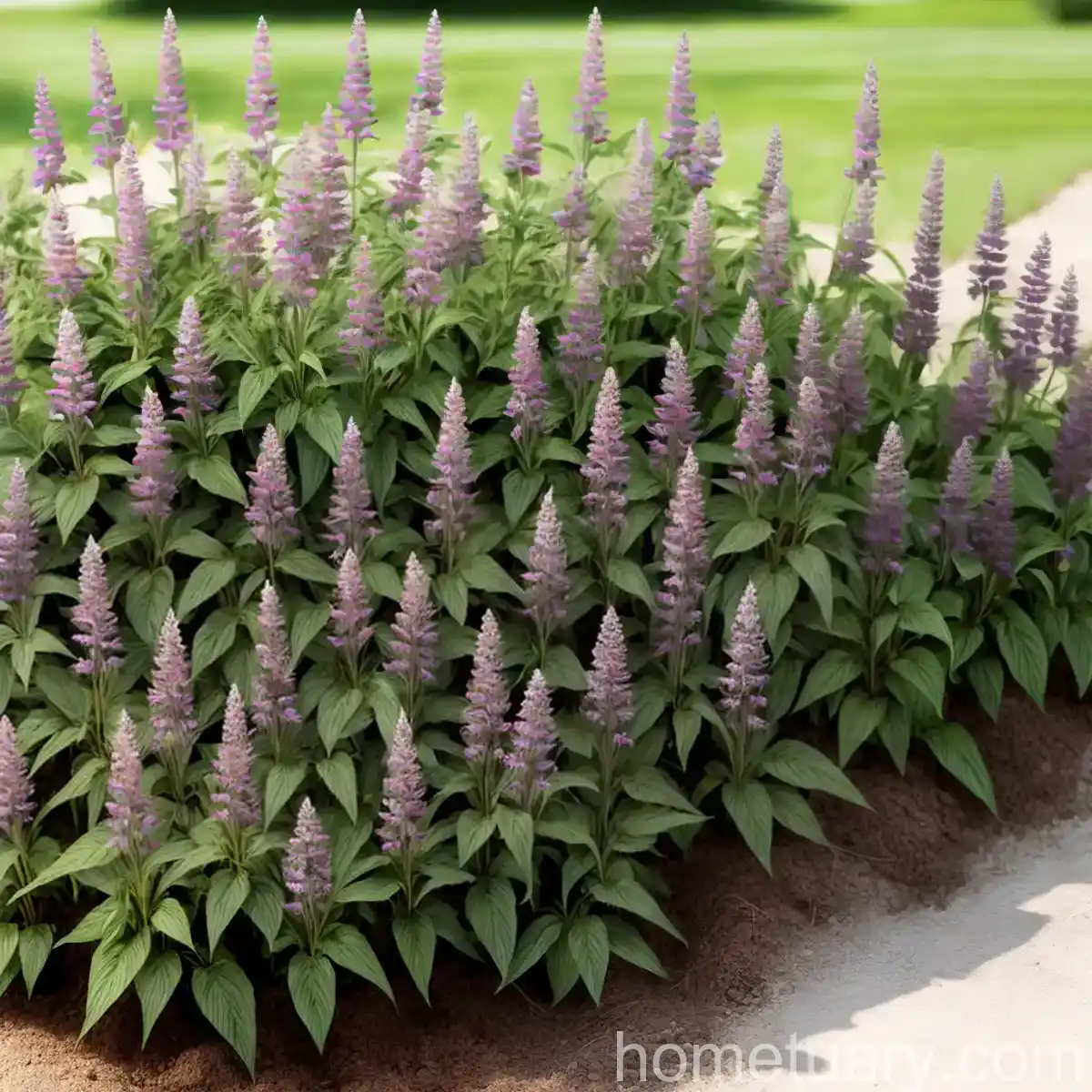
Culver’s root is a native North American plant that belongs to the Plantaginaceae family. It is a hardy perennial with slender, erect stems that rise from a basal clump of toothed, lance-shaped leaves. This plant typically reaches heights of 3 to 7 feet, creating an impressive vertical element in the garden or landscape. The flowering spikes appear in mid to late summer, and they are characterized by their feathery, white blooms that attract pollinators, such as bees and butterflies, with their nectar-rich flowers.
Culver’s Root in the Wild
In its natural habitat, Culver’s root thrives in moist meadows, along stream banks, and in open woodlands. It is commonly found in the eastern and central regions of North America, and its natural range extends from Texas and Florida in the south to Manitoba and Quebec in the north.
Key Takeaways – Culver’s Root (Veronicastrum virginicum)
Before we delve into the details of Culver’s root cultivation and care, let’s take an overview of the key takeaways associated with this captivating plant.
- Culver’s root, with its striking white flowers and tall stature, is a native North American perennial that is celebrated for its ornamental value in garden landscapes.
- It is a valuable plant for supporting pollinators, particularly bees and butterflies, due to its nectar-rich flowers.
- Historically, Culver’s root has been used in traditional medicine for its various medicinal properties, and it continues to be utilized for its therapeutic benefits in contemporary herbal remedies.
- When cultivating Culver’s root, it is crucial to provide the plant with the appropriate cultural conditions, including suitable soil, sunlight, and water requirements, to ensure its optimal growth and development.
Now that we have established an introductory understanding of Culver’s root, we will explore the specific cultural requirements for successfully growing this impressive plant.
Culver’s Root Cultivation: Meeting the Needs of Veronicastrum virginicum
Culver’s root, as a native plant, has fairly specific cultivation needs that are essential for its successful growth and long-term health. From its preference for moist, well-draining soil to its tolerance for varying sunlight conditions, understanding these requirements is crucial for cultivating thriving Culver’s root plants.
Culture
Uses
Culver’s root is prized for its ornamental use in garden landscapes, where it adds height, structure, and delicate white blooms to perennial borders, cottage gardens, and naturalistic plantings. Additionally, its ecological importance as a pollinator-friendly plant makes it a valuable addition to wildlife gardens and conservation areas.
Water
This species prefers consistently moist soil, especially during the growing season. It is important to ensure a regular supply of water, particularly in periods of drought, to support healthy growth and flowering.
Sunlight
While Culver’s root can tolerate partial shade, it thrives in full sun and produces the best floral display when provided with at least six hours of direct sunlight per day.
Fertilizer
Due to its preference for nutrient-rich soil, Culver’s root benefits from organic matter, such as well-rotted compost, added to the planting site. Applying a balanced, slow-release fertilizer in the spring can also support its growth and flowering.
Soil
Culver’s root thrives in moist, well-draining soil with a slightly acidic to neutral pH. The addition of organic matter can enhance soil structure and fertility, which is particularly beneficial for promoting robust growth.
Pruning
Once the flowering period has ended, the spent flower spikes can be cut back to encourage a neat appearance and to prevent self-seeding, if desired.
Propagation
This plant can be propagated through division in the spring or fall, with the divided segments replanted in prepared soil to establish new plants.
Culver’s Root in Containers: A Consideration for Gardeners
While Culver’s root is commonly grown in garden borders and naturalistic plantings, it can also be cultivated in containers, offering flexibility for gardeners with limited space or those wishing to create elegant displays on patios and balconies.
Container Popularity
Culver’s root is a popular choice for container plantings due to its impressive height and distinctive vertical form, which can add a striking focal point to container gardens.
Container Culture
When growing Culver’s root in containers, it is essential to select a large pot to accommodate its mature size and to ensure proper drainage to prevent waterlogging.
Common Diseases and Pests: Protecting Culver’s Root
As with any plant, Culver’s root is susceptible to certain diseases and pests that can impact its overall health and appearance. Recognizing these potential challenges and implementing proactive management strategies is essential for maintaining vigorous and thriving plants.
Disease Diagnosis
Common diseases that can affect Culver’s root include powdery mildew and leaf spot diseases. When symptoms of these disorders are observed, it is essential to promptly address them with appropriate fungicidal treatments or cultural practices to prevent further spread.
Common Pests
Aphids and spider mites are among the common pests that can affect Culver’s root. Regular monitoring and the application of insecticidal soaps or horticultural oils can help manage pest infestations effectively.
Botanist’s Tips for Cultivating Culver’s Root
To ensure the successful cultivation of Culver’s root and to promote its optimal growth and flowering, consider the following expert recommendations:
- Mulching: Apply a layer of organic mulch, such as shredded bark or compost, around the base of Culver’s root plants to conserve soil moisture, suppress weed growth, and insulate the root zone.
- Support Structures: In regions with high winds, consider providing discreet staking or support structures to prevent the tall flower spikes from flopping or bending, particularly in exposed garden sites.
- Companion Planting: Pair Culver’s root with companion plants that share similar cultural requirements, such as moisture-loving perennials like astilbe, ligularia, and ferns, to create visually appealing and harmonious plant combinations.
Fun Facts about Culver’s Root
- Culver’s root, despite its name, is not related to culinary roots that are commonly associated with culinary herbs and vegetables. Instead, it is treasured for its graceful presence in garden landscapes and its ecological contributions.
- The genus name “Veronicastrum” is derived from the Greek word “berenice,” meaning “bearing victory,” and “astron,” meaning “star,” alluding to the star-like arrangement of the small flowers on the flowering spikes.
- Culver’s root has historically been used by Native American tribes for its medicinal properties, particularly as a remedy for various ailments, such as fever, coughs, and digestive issues.
Links to External Resources
To further expand your knowledge and appreciation of Culver’s root, explore the following external resources:
- Culver’s Root – Missouri Botanical Garden
- Veronicastrum virginicum – Lady Bird Johnson Wildflower Center
- North American Plant Database – Culver’s Root
- Pollinator-Friendly Planting Guides – The Xerces Society
In conclusion, Culver’s root (Veronicastrum virginicum) stands as a captivating and multi-faceted plant that enriches garden landscapes, supports pollinators, and holds historical significance in traditional and herbal medicine. By embracing its unique cultural requirements and ecological contributions, gardeners can cultivate and appreciate the timeless allure of this native North American perennial. Whether adorning a flower border, enhancing a wildlife garden, or contributing to holistic herbal remedies, Culver’s root continues to captivate and inspire enthusiasts with its elegance and versatility.