

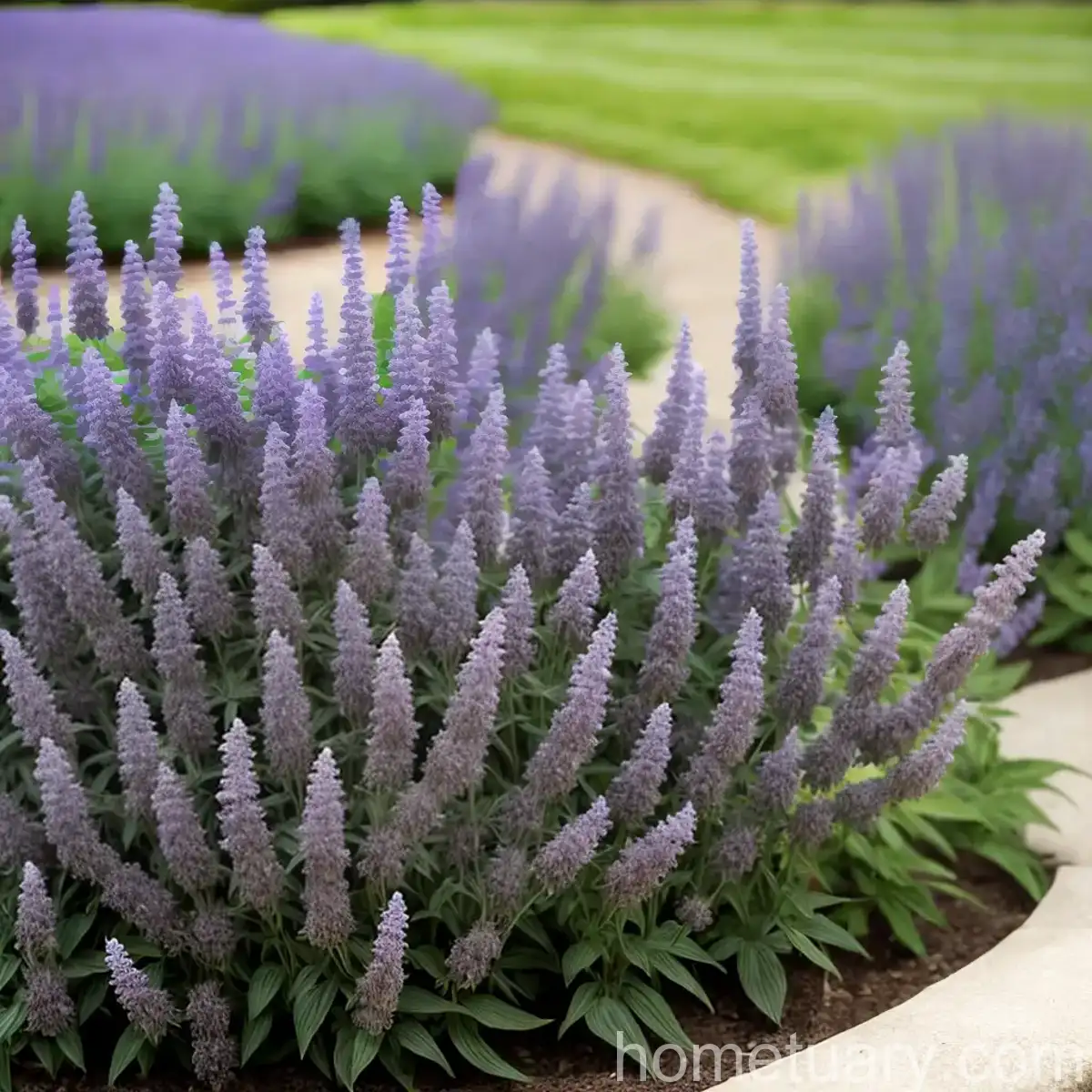
The Beauty of Veronicastrum Virginicum ‘Lavendelturm’ (Culver’s Root)
Veronicastrum virginicum ‘Lavendelturm’, commonly known as Culver’s Root, is a stunning perennial plant that is highly valued in gardens for its elegant spires of lavender flowers and attractive foliage. This plant belongs to the Scrophulariaceae family and is native to North America, where it thrives in moist meadows and along stream banks. In this comprehensive guide, we will explore the culture, uses, and care of Veronicastrum virginicum ‘Lavendelturm’, as well as tips for propagation and common pest and disease management.
What is Veronicastrum Virginicum ‘Lavendelturm’ (Culver’s Root)?
Veronicastrum virginicum ‘Lavendelturm’, also known as Culver’s Root, is a herbaceous perennial plant that typically grows to a height of 4 to 6 feet (120 to 180 cm). It is characterized by its tall, erect stems and whorls of narrow, lance-shaped leaves. During the summer months, Veronicastrum virginicum ‘Lavendelturm’ produces striking spikes of tiny, tubular, lavender-colored flowers, which rise above the foliage and create a captivating display in the garden. The plant’s flowers are highly attractive to pollinators, making it a valuable addition to pollinator-friendly landscapes.
Key Takeaways – Veronicastrum virginicum ‘Lavendelturm’ (Culver’s Root)
Before delving into the specifics of Veronicastrum virginicum ‘Lavendelturm’, let’s take a look at some key takeaways about this remarkable plant:
- Scientific Name: Veronicastrum virginicum ‘Lavendelturm’
- Common Name: Culver’s Root
- Family: Scrophulariaceae
- Native Habitat: North America
- Height: 4 to 6 feet (120 to 180 cm)
- Flower Color: Lavender
- Blooming Period: Summer
- Attracts: Pollinators
- Perennial: Yes
Now that we have a general understanding of Veronicastrum virginicum ‘Lavendelturm’, let’s explore the culture, uses, and care guidelines for this magnificent plant.
Culture
Water
Veronicastrum virginicum ‘Lavendelturm’ thrives in moist soil and prefers consistently moist conditions, particularly during the active growing season. It is essential to provide regular watering, especially during hot and dry periods, to ensure that the plant remains healthy and continues to produce its magnificent floral display. Adequate moisture also supports the development of the plant’s extensive root system, which contributes to its overall vigor and resilience.
Sunlight
When it comes to sunlight requirements, Veronicastrum virginicum ‘Lavendelturm’ appreciates full to partial sun exposure. It performs best in locations that receive at least 6 hours of direct sunlight per day. However, in regions with particularly intense afternoon sunlight, providing some shade during the hottest part of the day can be beneficial, as it helps prevent the plant from becoming stressed or scorched.
Fertilizer
In terms of fertilization, Veronicastrum virginicum ‘Lavendelturm’ does not have high nutrient requirements, particularly if planted in a fertile, organically rich soil. However, a light application of balanced, slow-release fertilizer in early spring can provide the plant with the necessary nutrients to support healthy growth and abundant flowering. It is important to avoid over-fertilizing, as this can lead to excessively lush foliage at the expense of flower production.
Soil
Veronicastrum virginicum ‘Lavendelturm’ thrives in well-draining, moist soil with a slightly acidic to neutral pH. It performs exceptionally well in loamy or sandy loam soils that retain moisture without becoming waterlogged. Incorporating organic matter, such as compost or well-rotted manure, into the planting area not only enhances soil structure and fertility but also contributes to moisture retention, which is beneficial for the plant’s overall health and growth.
Pruning
Pruning is relatively minimal for Veronicastrum virginicum ‘Lavendelturm’. To maintain the plant’s appearance and encourage continued flowering, spent flower spikes can be removed once the blooming period has ended. Additionally, any damaged or diseased foliage should be promptly pruned to prevent the spread of diseases and to promote the plant’s overall vitality. As the growing season draws to a close, cutting back the stems to ground level in late fall or early winter helps to tidy the plant and prepare it for the following year’s growth.
Propagation
Veronicastrum virginicum ‘Lavendelturm’ can be propagated through several methods, including division, seed sowing, and stem cuttings. Here are some guidelines for each propagation method:
Division
Dividing established clumps of Veronicastrum virginicum ‘Lavendelturm’ is an effective way to propagate the plant and create new specimens. This is typically done in early spring or in the fall when the plant is not actively flowering. To divide the plant, carefully dig up the clump and use a sharp, sterilized knife or garden spade to separate the sections, ensuring that each division has sufficient roots and healthy growth points. The newly divided plants can then be replanted in suitable locations and provided with adequate moisture to support establishment.
Seed Sowing
Collecting and sowing seeds is another propagation method for Veronicastrum virginicum ‘Lavendelturm’. When the plant has finished flowering, allow the seed heads to mature and dry on the plant. Once the seeds are fully developed, harvest them and store them in a cool, dry place until ready to sow. In early spring, sow the seeds in trays or pots filled with a well-draining seed starting mix. Keep the soil consistently moist and provide the trays with indirect light. After the seedlings have developed several sets of true leaves, they can be transplanted into individual containers or directly into the garden.
Stem Cuttings
Propagation from stem cuttings is another viable option for increasing the number of Veronicastrum virginicum ‘Lavendelturm’ plants. Select healthy, non-flowering stems and use a sharp, sterilized knife to take several-inch-long cuttings. Remove the lower leaves from the cuttings and dip the cut ends in a rooting hormone to encourage root development. Plant the cuttings in a well-draining propagation medium and keep them consistently moist. With the right environmental conditions and care, the cuttings will eventually develop roots and can be potted up or transplanted into the garden.
Container Popularity
The elegant form and striking floral display of Veronicastrum virginicum ‘Lavendelturm’ make it an appealing choice for container gardening. When grown in containers, this plant can serve as a focal point on patios, balconies, or within garden borders. The use of large, deep containers provides ample space for the plant’s extensive root system and allows for proper moisture retention. Container-grown Veronicastrum virginicum ‘Lavendelturm’ benefits from regular watering, particularly during warm weather, to prevent the soil from drying out completely. Additionally, positioning the containers in locations that receive adequate sunlight is essential for promoting healthy growth and flowering.
Common Diseases
While Veronicastrum virginicum ‘Lavendelturm’ is generally resilient and resistant to most pests and diseases, it can occasionally encounter issues that affect its health and appearance. Some common diseases that may impact Culver’s Root include:
- Powdery Mildew: This fungal disease often appears as a powdery white substance on the plant’s foliage, leading to stunted growth and diminished overall vigor.
- Leaf Spot: Leaf spot diseases manifest as dark, irregular spots on the plant’s leaves, potentially causing premature leaf drop and reduced photosynthetic capacity.
- Root Rot: Excessive soil moisture or poor drainage can lead to root rot, which compromises the plant’s root system and results in wilting and decline.
Disease Diagnosis
Diagnosing diseases in Veronicastrum virginicum ‘Lavendelturm’ involves careful observation and assessment of the plant’s symptoms. When signs of disease are noticed, it is essential to promptly identify the issue and take appropriate measures to address it. This may involve inspecting the foliage for characteristic symptoms, such as powdery white coatings (indicative of powdery mildew) or dark, spotted areas (suggestive of leaf spot diseases). Additionally, evaluating the plant’s growing conditions, including soil moisture levels and drainage, can help determine the presence of root rot.
Common Pests
Veronicastrum virginicum ‘Lavendelturm’ is relatively resistant to pest infestations. However, it may occasionally attract certain pests that can impact its health and appearance. Some common pests that may affect Culver’s Root include:
- Aphids: These small, soft-bodied insects feed on the sap of the plant, causing stunted growth and distorted foliage.
- Spider Mites: These tiny arachnids may infest the plant, leading to stippled, discolored foliage and the formation of fine webbing on the undersides of leaves.
- Japanese Beetles: These voracious feeders can skeletonize the foliage of the plant, leading to extensive damage if left unchecked.
Botanist’s Tips
-
Soil Preparation: Prior to planting Veronicastrum virginicum ‘Lavendelturm’, thoroughly prepare the soil by incorporating organic matter to improve its structure and fertility, as well as to ensure adequate moisture retention.
-
Mulching: Applying a layer of organic mulch around the base of the plant helps conserve moisture, suppress weed growth, and insulate the soil, promoting optimal growing conditions for Culver’s Root.
-
Supporting Taller Stems: When the plant’s stems become tall and begin to produce flower spikes, providing gentle support, such as stakes or hoops, can prevent them from bending or breaking under the weight of the flowers.
-
Regular Watering: Maintain consistent soil moisture during the active growing season, particularly during periods of hot, dry weather, to support the plant’s overall health and vitality.
-
Beneficial Pollinators: Encourage the presence of pollinators, such as bees and butterflies, to visit the plant and aid in the pollination process, which supports seed production and helps perpetuate the plant’s population.
Fun Facts
- Historical Uses: Culver’s Root has a history of traditional medicinal uses among Native American tribes, who utilized the plant for various therapeutic purposes.
- Butterfly Magnet: Veronicastrum virginicum ‘Lavendelturm’ is renowned for its ability to attract and support a diverse array of butterfly species, enriching garden ecosystems with their presence.
- Symbolism: In the language of flowers, Culver’s Root is associated with qualities such as grace, inspiration, and inner beauty, making it a meaningful addition to floral arrangements and gardens.
As we continue to explore the captivating attributes of Veronicastrum virginicum ‘Lavendelturm’, it is important to note that this plant’s beauty and benefits extend beyond its visual appeal, encompassing ecological contributions and historical significance.
Links to External Resources
For additional information and insights into Veronicastrum virginicum ‘Lavendelturm’ and related topics, the following external resources are valuable references:
- The American Horticultural Society – Veronicastrum virginicum ‘Lavendelturm’
- RHS – Culver’s Root (Veronicastrum virginicum ‘Lavendelturm’)
- Missouri Botanical Garden – Veronicastrum virginicum ‘Lavendelturm’
In conclusion, Veronicastrum virginicum ‘Lavendelturm’, also known as Culver’s Root, is a magnificent perennial plant that captures the imagination with its striking floral display, resilience, and ecological contributions. By understanding and embracing the culture, uses, and care guidelines for this exceptional plant, gardeners can cultivate thriving, pollinator-friendly landscapes while fostering a deeper connection to the natural world.




