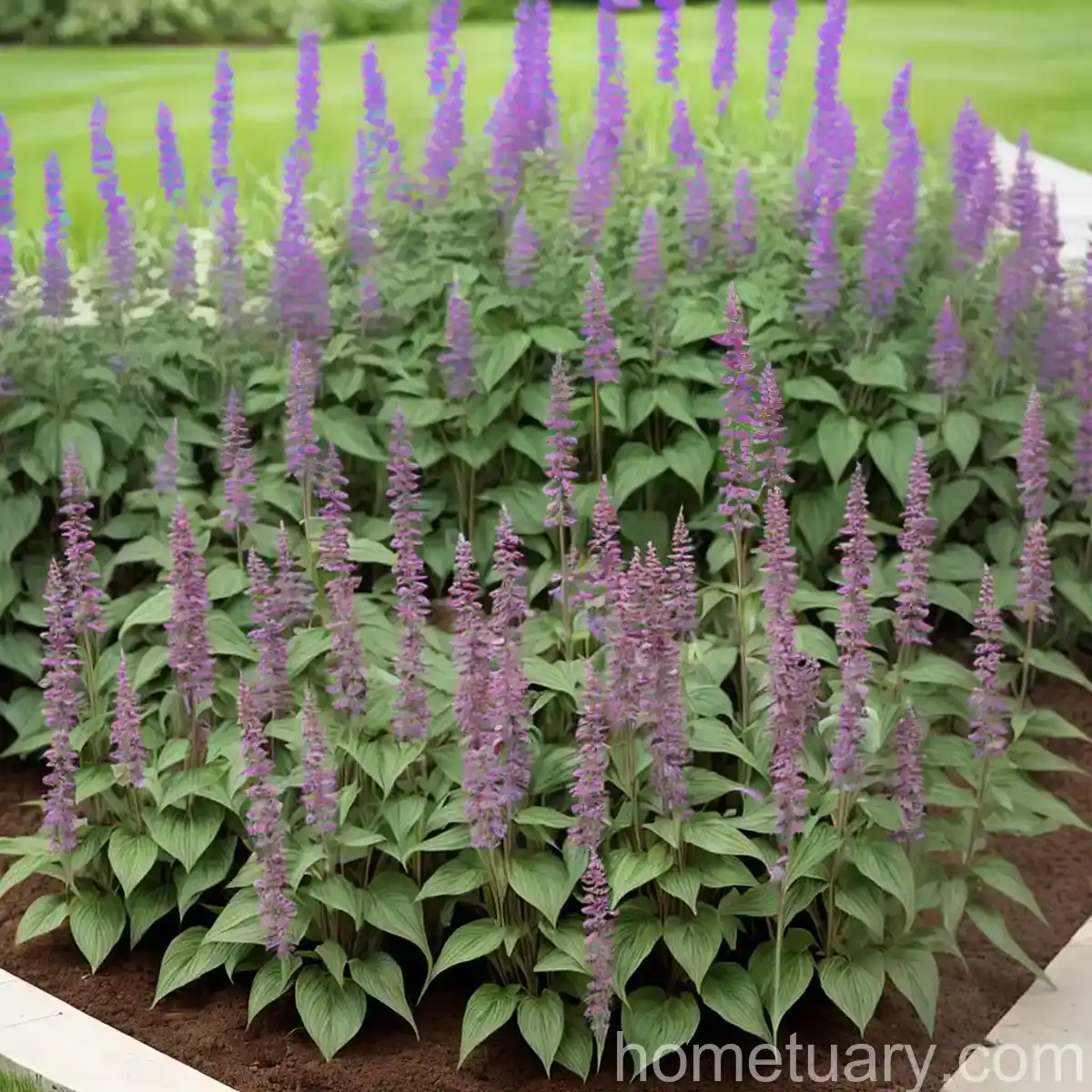
Culver’s Root (Veronicastrum virginicum ‘Temptation’)
Plants hold a special place in our lives, whether it’s the lush greenery in our gardens, the towering trees in our forests, or the myriad of flowers that add color to our surroundings. One such plant that stands out for its beauty and versatility in gardens is Culver’s root, more specifically Veronicastrum virginicum ‘Temptation’. In this comprehensive guide, we will delve into the intriguing world of Culver’s root, exploring its culture, uses, care, and much more.
What is Plant : Culver’s Root (Veronicastrum virginicum ‘Temptation’)?
Veronicastrum virginicum, commonly known as Culver’s root, is a herbaceous perennial plant native to North America. It belongs to the plantain family (Plantaginaceae) and is sought after for its tall, elegant spires of flowers and attractive foliage. The ‘Temptation’ variety, in particular, is highly prized for its compact habit and striking lavender flowers.
Key Takeaways – Culver’s Root (Veronicastrum virginicum ‘Temptation’)
Before we delve into the specifics of cultivating and caring for Culver’s root, let’s explore some key takeaways about this captivating plant:
- Plant Name: Culver’s root (Veronicastrum virginicum ‘Temptation’)
- Common Names: Culver’s root, ‘Temptation’ Culver’s root, Veronicastrum virginicum ‘Temptation’
- Plant Type: Herbaceous Perennial
- Hardiness Zones: 3 – 8
- Sunlight: Full Sun to Partial Shade
- Soil: Moist, Well-draining
- Height: 3 – 4 feet
- Flower Color: Lavender
- Uses: Landscaping, Pollinator Gardens, Flower Arrangements, Medicinal Properties
Now that we have a general overview of Culver’s root, let’s delve into the intricacies of cultivating and caring for this stunning plant.
Culture
Culver’s root, particularly the ‘Temptation’ variety, thrives in a specific set of cultural conditions that are essential for its optimal growth and development. Understanding the cultural requirements of this plant is pivotal in ensuring its success in your garden.
Uses
Before we delve into the cultural requirements, let’s explore the diverse uses of Culver’s root, specifically the ‘Temptation’ variety:
-
Landscaping: Culver’s root, with its stately spires of lavender flowers, adds a vertical element to garden landscapes, making it an excellent choice for borders, naturalistic landscapes, or as a focal point in the garden.
-
Pollinator Gardens: The nectar-rich flowers of Culver’s root attract a wide array of pollinators, including bees, butterflies, and hummingbirds, making it a valuable addition to pollinator-friendly gardens.
-
Flower Arrangements: The elegant, vertical form and captivating lavender flowers of ‘Temptation’ Culver’s root make it a superb addition to floral arrangements, adding height and visual interest to bouquets and floral displays.
-
Medicinal Properties: Culver’s root has a history of traditional medicinal use, with its roots and rhizomes reputed to possess various therapeutic properties. However, it’s essential to exercise caution and seek expert advice before using any plant for medicinal purposes.
Understanding the diverse uses of Culver’s root not only adds to its allure but also provides insights into its versatility in both garden and non-garden settings.
Water
Proper watering is crucial for the health and vigor of Culver’s root. While this plant prefers moist soil, it’s essential to avoid waterlogged conditions, which can lead to root rot and other issues. Here are some key points to consider when watering Culver’s root:
-
Moisture Requirements: Culver’s root thrives in consistently moist soil, especially during the growing season. Adequate moisture is particularly crucial during the plant’s establishment phase and periods of drought.
-
Watering Frequency: While the frequency of watering may vary based on environmental conditions and soil moisture levels, a general guideline is to water deeply, ensuring the soil is moist but not waterlogged.
-
Mulching: Applying a layer of organic mulch around the base of the plant helps retain soil moisture, regulate soil temperature, and suppress weed growth, contributing to the overall health of Culver’s root.
Observing and responding to the specific water requirements of Culver’s root is instrumental in fostering its growth and vitality in your garden.
Sunlight
Sunlight plays a pivotal role in the growth and blooming of Culver’s root. Understanding the plant’s sunlight requirements is essential for determining its optimal placement in the garden and ensuring its overall well-being.
-
Light Conditions: Culver’s root thrives in full sun to partial shade. While it can tolerate partial shade, providing adequate sunlight is key to promoting robust growth and profuse blooming.
-
Optimal Placement: When selecting a location for planting, aim to provide Culver’s root with at least 6 hours of direct sunlight daily. In partial shade, it’s important to ensure the plant still receives ample light to support its growth and flowering.
-
Shade Protection: In regions with intense afternoon sun or during heatwaves, providing some afternoon shade or using shade cloth can help protect the plant from excessive heat stress.
Considering the sunlight requirements and providing an optimal growing environment sets the stage for Culver’s root to flourish in your garden.
Fertilizer
Proper fertilization can enhance the growth and blooming of Culver’s root, ensuring that the plant receives the essential nutrients it needs for sustained vitality and vigor.
-
Soil Testing: Conducting a soil test can provide valuable insights into the nutrient levels and pH of the soil, guiding the specific fertilizer needs of Culver’s root.
-
Balanced Fertilizer: A balanced, slow-release fertilizer with an NPK ratio of 10-10-10 or similar formulation can be applied in spring as new growth emerges. Avoid excessive nitrogen, as this can lead to lush foliage at the expense of flower production.
-
Organic Amendments: Incorporating organic matter such as compost or well-rotted manure into the soil prior to planting can contribute to long-term soil fertility and provide a steady source of nutrients to the plant.
Balancing the fertilizer application and addressing the specific nutrient requirements of Culver’s root supports its overall health and ensures abundant flowering.
Soil
The soil composition and quality play a critical role in the growth and development of Culver’s root. Providing well-suited soil conditions is essential for the plant to thrive and reach its full potential.
-
Soil Type: Culver’s root prefers moist, well-draining soil. A loamy, slightly acidic to neutral soil with good water-holding capacity is well-suited for this plant.
-
Soil Preparation: Prior to planting, prepare the soil by incorporating organic matter to improve its structure and fertility. Amending the soil with compost or peat moss can enhance its moisture retention capabilities.
-
Drainage Considerations: Ensuring proper drainage is crucial to prevent waterlogging, which can be detrimental to the plant’s roots. If the soil has poor drainage, consider implementing raised beds or mounded planting areas.
Addressing the specific soil preferences of Culver’s root sets the foundation for a thriving, healthy plant in your garden.
Pruning
Pruning plays a role in maintaining the form, health, and aesthetics of Culver’s root. While this plant generally requires minimal pruning, there are some key considerations to keep in mind.
-
Deadheading: Removing spent flower spikes can prolong the blooming period and tidy up the plant’s appearance. This can also prevent self-seeding, particularly in cases where naturalizing is not desired.
-
Spring Maintenance: In late winter or early spring, it’s beneficial to trim back any remaining foliage from the previous season to make way for new growth. This can also help rejuvenate the plant and promote vigorous spring growth.
-
Division: Over time, established clumps of Culver’s root may benefit from division to prevent overcrowding and invigorate the plant. Division is typically carried out in early spring or early fall.
Employing appropriate pruning practices ensures the ongoing vitality and visual appeal of Culver’s root in the garden.
Propagation
The propagation of Culver’s root offers an opportunity to multiply your plant stock, share with other gardening enthusiasts, or expand its presence in your landscape. Understanding the propagation methods and best practices is integral to achieving successful results.
-
Division: Division is the primary method of propagating Culver’s root. It involves lifting established clumps in early spring or early fall, dividing them into sections with healthy roots, and replanting the divisions in prepared soil.
-
Seed Propagation: While Culver’s root can be grown from seed, this method is less commonly used due to challenges associated with seed germination and a longer time to establish mature plants.
-
Root Cuttings: Culver’s root can also be propagated from root cuttings, where sections of the root system are harvested and planted in suitable growing medium to stimulate new root and shoot development.
Exploring the propagation methods and experimenting with different approaches can open up avenues to expand the presence of Culver’s root in your garden or community.
Container Popularity
The compact growth habit, elegant form, and striking flowers of ‘Temptation’ Culver’s root make it a popular choice for container gardening, adding height and visual interest to container plantings or mixed borders.
In a container setting, consider the following factors to ensure the success of Culver’s root:
-
Container Size: Select a spacious container that provides ample room for the root system to grow and expand. A depth of at least 12 inches is ideal for accommodating the plant’s root structure.
-
Good Drainage: Ensure the container has adequate drainage holes to prevent waterlogging, as excess moisture can be detrimental to the plant’s health in a container setting.
-
Quality Potting Mix: Use a well-draining, high-quality potting mix with added organic matter to provide a favorable growing medium for Culver’s root in containers.
Cultivating ‘Temptation’ Culver’s root in containers offers a versatile way to incorporate this captivating plant into various gardening spaces.
Common Diseases
Like any plant, Culver’s root is susceptible to certain diseases and ailments that can impact its overall health and vitality. Being aware of these potential issues empowers gardeners to take proactive measures for disease prevention and management.
Disease Diagnosis
Some common diseases that may affect Culver’s root include:
-
Powdery Mildew: This fungal disease can manifest as a powdery, white coating on the leaves, impacting the plant’s overall vigor and aesthetic appeal.
-
Root Rot: Overly wet or poorly drained soil can lead to root rot, causing the plant’s roots to decay and resulting in wilting, yellowing foliage, and a decline in the plant’s health.
-
Leaf Spot Diseases: Various fungal and bacterial pathogens can cause leaf spots, leading to unsightly blemishes on the foliage and potential weakening of the plant.
Regularly monitoring the plant for signs of disease and promptly addressing any issues that arise are key steps in maintaining the health and resilience of Culver’s root.
Common Pests
In addition to diseases, Culver’s root may also be susceptible to certain pest pressures that can impact its growth and overall well-being. Being vigilant and proactive in pest management is essential for safeguarding the plant.
Botanist’s Tips
Here are some valuable tips to enhance the cultivation and care of Culver’s root, based on insights from botanists and horticultural experts:
-
Mulching Benefits: Applying a layer of mulch around the base of Culver’s root offers numerous benefits, including moisture retention, weed suppression, and insulation from temperature extremes.
-
Companion Planting: Pairing Culver’s root with compatible companion plants, such as echinacea, asters, or ornamental grasses, can create visually appealing combinations and enhance ecological diversity in the garden.
-
Wildlife Considerations: By attracting pollinators and beneficial insects, Culver’s root contributes to the overall ecological balance in the garden, supporting biodiversity and ecosystem health.
Applying these botanist’s tips can enrich the cultivation and utilization of Culver’s root in various garden settings.
Fun Facts
Uncovering intriguing and lesser-known facts about plants can deepen our appreciation for their unique attributes and roles in the natural world. Here are some fun facts about Culver’s root:
- The name “Culver’s root” is a tribute to Dr. George Culver, an 18th-century North American botanist, who used the plant for medicinal purposes.
- Culver’s root is often found in wet meadows, stream banks, and other moist habitats, showcasing its adaptability to diverse environmental conditions.
- The flowers of Culver’s root are a magnet for various pollinators, forming an integral part of the ecological web in naturalistic landscapes and wildflower meadows.
Discovering the captivating facts and stories behind plants like Culver’s root adds layers of intrigue and wonder to our gardening pursuits.
Links to External Resources
Interested in delving deeper into the world of Culver’s root and expanding your knowledge about this remarkable plant? Explore the following external resources for additional information, insights, and inspiration:
- American Horticultural Society: Culver’s Root – The Elegant Perennial for Gardens
- University of Maryland Extension: Plant Profile – Veronicastrum virginicum
- Royal Horticultural Society: Cultivation Advice for Veronicastrum virginicum
- Missouri Botanical Garden: Growing Culver’s Root in the Garden
- Gardening Know How: Tips for Growing Culver’s Root Plants
Exploring diverse perspectives and insights from reputable sources can enrich your understanding and enjoyment of cultivating Culver’s root in your garden.
In conclusion, the allure and versatility of Culver’s root (Veronicastrum virginicum ‘Temptation’) make it a captivating addition to gardens, landscapes, and naturalistic settings. By embracing its cultural requirements, uses, care practices, and rich history, we can unlock the full potential of this enchanting perennial plant, contributing to the beauty and ecological richness of our outdoor spaces. Whether it’s the stately spires of lavender flowers or the ecological contributions it makes to pollinator habitats, Culver’s root stands as a testament to the multifaceted wonders of the plant kingdom, inviting us to nurture and celebrate its role in our natural world.
So, if you’re considering adding a touch of elegance and ecological value to your garden, look no further than Culver’s root, a plant that continues to captivate the hearts and minds of gardeners around the world.
Remember to share your experiences, insights, and stunning visuals of Culver’s root as it blossoms in your garden, enriching the collective tapestry of plant enthusiasts and nature lovers.
Let’s continue to explore, appreciate, and celebrate the beautiful world of plants, one bloom at a time.
Happy gardening!
Keywords: Culver’s root plant, Veronicastrum virginicum Temptation, Cultivating Culver’s root, Temptation variety of Culver’s root, Culver’s root for landscaping, Veronicastrum virginicum cultivation tips, Growing Culver’s root from seeds, Temptation Culver’s root care, Uses of Veronicastrum virginicum Temptation, Benefits of Culver’s root, Culver’s root garden design, Veronicastrum virginicum ‘Temptation’ in gardens, How to propagate Culver’s root, Sunlight requirements for Culver’s root plant, Veronicastrum virginicum ‘Temptation’ characteristics, Culver’s root for attracting pollinators, Veronicastrum virginicum Temptation in flower arrangements, Culver’s root medicinal properties, Growing Veronicastrum virginicum ‘Temptation’ in containers, Culver’s root companion plants, Veronicastrum virginicum ‘Temptation’ for wildlife gardens, Culver’s root as a perennial plant, Veronicastrum virginicum Temptation in modern landscaping, Culver’s root for rain gardens, Culver’s root plant diseases and control, Veronicastrum virginicum ‘Temptation’ pruning techniques, Culver’s root plant nutrition requirements, Veronicastrum virginicum Temptation in shady areas, Culver’s root plant propagation methods, Veronicastrum virginicum ‘Temptation’ winter care, Culver’s root for erosion control, Culver’s root plant size and height, Veronicastrum virginicum Temptation fall foliage, Culver’s root plant spacing in gardens, Veronicastrum virginicum ‘Temptation’ flower colors, Culver’s root uses in traditional medicine, Veronicastrum virginicum Temptation for beekeeping, Growing Culver’s root plant in wet soil, Veronicastrum virginicum ‘Temptation’ as a border plant, Culver’s root plant maintenance tips, Veronicastrum virginicum Temptation for cutting gardens, Culver’s root plant hardiness zones, Veronicastrum virginicum ‘Temptation’ as a focal point, Culver’s root plant insect pests and control, Culver’s root in naturalistic landscapes, Veronicastrum virginicum Temptation for herbal tea, Culver’s root plant water requirements, Veronicastrum virginicum ‘Temptation’ in moon gardens, Culver’s root plant for wildflower meadows
Resources:
1. American Horticultural Society: Culver’s Root – The Elegant Perennial for Gardens
2. University of Maryland Extension: Plant Profile – Veronicastrum virginicum
3. Royal Horticultural Society: Cultivation Advice for Veronicastrum virginicum
4. Missouri Botanical Garden: Growing Culver’s Root in the Garden
5. Gardening Know How: Tips for Growing Culver’s Root Plants