Veronicastrum Virginicum (Culver’s Root): A Comprehensive Guide
Veronicastrum virginicum, commonly known as Culver’s Root, is a stunning perennial plant that has gained popularity for its graceful spires of flowers and attractive foliage. This native North American plant is a favorite among gardeners due to its versatility, low maintenance requirements, and ecological benefits. In this comprehensive guide, we will explore everything you need to know about Veronicastrum virginicum, from its cultivation and care to its landscape uses and ecological significance.
What is Veronicastrum Virginicum (Culver’s Root)?
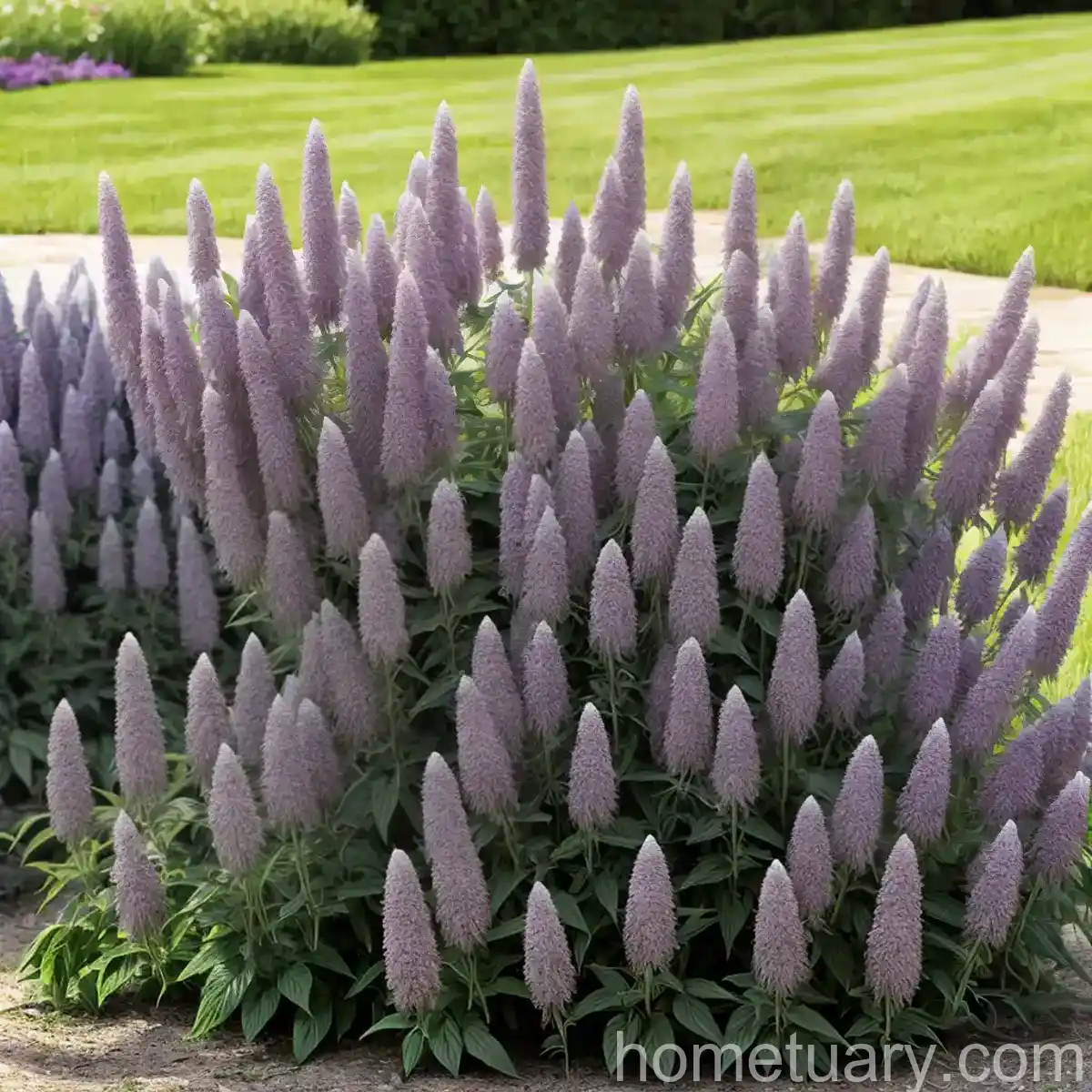
Veronicastrum virginicum is a herbaceous perennial plant that belongs to the Plantaginaceae family. It is native to North America and is found primarily in the eastern and central regions of the continent. The plant is characterized by its tall, erect stems, whorled leaves, and dense spikes of tiny, tubular flowers that bloom in shades of white, pink, or lavender.
The plant is often found in moist meadows, prairies, and woodland edges, where it thrives in rich, well-drained soils. It is an important component of natural ecosystems, providing food and habitat for a variety of pollinators and wildlife species.
Key Takeaways – Veronicastrum Virginicum (Culver’s Root)
Before we delve into the specifics of Veronicastrum virginicum’s cultivation and care, let’s take a look at some key takeaways about this exceptional plant:
- Botanical Name: Veronicastrum virginicum
- Common Name: Culver’s Root
- Plant Type: Herbaceous Perennial
- Flower Colors: White, Pink, Lavender
- Sunlight Requirements: Full Sun to Partial Shade
- Watering Needs: Moderate
- Soil Type: Rich, Well-Drained
- Mature Height: 4-6 feet
- Bloom Time: Mid to Late Summer
- Wildlife Attraction: Pollinators, Beneficial Insects
- Landscape Uses: Borders, Naturalistic Plantings, Rain Gardens
Now that we have a broad overview of Veronicastrum virginicum, let’s explore the specific aspects of its cultivation, care, and landscape uses.
Cultivation
Cultivating Veronicastrum virginicum requires an understanding of its specific cultural requirements, including soil, water, sunlight, and fertilization needs. This section will provide detailed insights into cultivating Culver’s Root successfully.
Soil
Veronicastrum virginicum thrives in moist, well-drained soils with a rich organic content. It prefers soils that are slightly acidic to neutral (pH 6.0-7.0) and benefits from the addition of organic matter, such as compost or well-rotted manure. The soil should retain moisture without becoming waterlogged, as excessive moisture can lead to root rot and other issues.
Water
While Veronicastrum virginicum appreciates consistently moist soil, it is important to avoid overwatering, especially in heavy or clay soils. During the plant’s establishment phase, regular watering is crucial to promote healthy root development. Once established, Culver’s Root is moderately drought tolerant and can withstand short periods of dry soil. However, extended drought conditions can lead to reduced flowering and overall stress on the plant.
Sunlight
In terms of sunlight requirements, Veronicastrum virginicum is adaptable to a range of light conditions. It grows best in full sun to partial shade, meaning it can thrive in locations with at least 4-6 hours of direct sunlight per day. In hotter climates, providing afternoon shade can help protect the plant from excessive heat and maintain its vibrant foliage and flower colors.
Fertilizer
As a native plant adapted to nutrient-rich soils, Veronicastrum virginicum generally does not require heavy fertilization. However, incorporating a balanced, slow-release fertilizer into the soil during the plant’s early growth stages can support healthy foliage development and robust flowering. Avoid excessive nitrogen fertilization, as this can lead to overly lush growth and may affect the plant’s overall vigor.
Uses
Veronicastrum virginicum is valued for its diverse uses, including its ornamental appeal, ecological contributions, and potential medicinal properties. In this section, we will explore the various ways in which Culver’s Root can be utilized and appreciated.
Landscaping
In a garden or landscape setting, Veronicastrum virginicum serves as an elegant focal point, particularly when planted in groups or drifts to create a stunning display of vertical accents. Its tall, slender flower spikes add architectural interest to borders, naturalistic plantings, and meadow gardens. Additionally, Culver’s Root is well-suited for rain gardens and other areas with consistently moist soil, where it can contribute to soil stabilization and water filtration.
Wildlife Habitat
Beyond its aesthetic value, Veronicastrum virginicum plays a vital role in supporting pollinators and beneficial insects. The plant’s nectar-rich flowers attract a variety of bees, butterflies, and other pollinating insects, contributing to the overall biodiversity and ecological balance of the garden or natural landscape. By providing food and habitat for these important species, Culver’s Root contributes to the health and resilience of local ecosystems.
Medicinal Uses
While not as commonly utilized as some other medicinal plants, Veronicastrum virginicum has a history of traditional medicinal use among Native American tribes. Various parts of the plant were reportedly used to treat fevers, coughs, and gastrointestinal issues. However, it is essential to approach the potential medicinal uses of Culver’s Root with caution and seek guidance from qualified healthcare professionals before using any plant-based remedies.
Pruning
Pruning plays a crucial role in maintaining the health and appearance of Veronicastrum virginicum. Proper pruning helps to enhance the plant’s flowering performance, manage its height and density, and prevent the spread of diseases. This section will provide guidelines for effectively pruning Culver’s Root.
Culver’s Root should be pruned as follows:
-
Spring Pruning: In early spring, remove any dead or damaged stems and trim back any remaining foliage from the previous season. This will stimulate new growth and encourage robust flowering.
-
Deadheading: After the initial flowering period, promptly deadhead spent flower spikes to encourage the development of new blooms and prolong the overall flowering season.
-
Fall Cleanup: In late fall, once the plant has finished flowering, cut back the stems to ground level to tidy the garden and promote healthy regrowth in the following year. Removing the spent foliage also helps to minimize the risk of disease over the winter months.
By following these pruning practices, gardeners can maintain Veronicastrum virginicum’s vitality and ensure its continued beauty and vigor.
Propagation
While Veronicastrum virginicum is a long-lived perennial, there are several effective methods for propagating new plants from established specimens. This section will cover the primary propagation techniques for Culver’s Root, enabling gardeners to expand their plantings and share the beauty of this exceptional species with others.
Division
Division is one of the most reliable and straightforward methods for propagating Veronicastrum virginicum. This can be done in early spring, just as new growth begins to emerge. Here’s how to propagate Culver’s Root through division:
- Carefully dig up the established plant, taking care to disturb the roots as little as possible.
- Gently separate the root mass into several sections, each containing viable roots and growing points.
- Replant the divided sections in prepared soil, making sure to water them thoroughly and provide appropriate care to support their establishment.
Stem Cuttings
While less commonly practiced, Veronicastrum virginicum can also be propagated from stem cuttings, particularly in a controlled nursery or garden setting. Follow these steps to propagate Culver’s Root from stem cuttings:
- Select healthy, actively growing stems from the parent plant, ideally in early to mid-summer.
- Cut 4-6 inch sections of the stems, ensuring that each cutting has several sets of leaves.
- Remove the lower leaves from the cuttings and dip the cut ends in a rooting hormone to promote root development.
- Plant the cuttings in a well-draining rooting medium and provide consistent moisture and warmth to support root growth.
By following these propagation techniques, gardeners can expand their Veronicastrum virginicum population and share the plant’s beauty with others.
Container Popularity
In addition to its success in garden beds and naturalistic plantings, Veronicastrum virginicum has gained popularity as a container plant. This section will focus on the unique considerations and benefits of growing Culver’s Root in containers, enabling gardeners to appreciate its beauty in a variety of settings, from small urban spaces to expansive patios and decks.
Container Selection
When choosing a container for Veronicastrum virginicum, opt for a spacious, sturdy pot with adequate drainage holes. The container should be large enough to accommodate the plant’s mature size and provide ample room for its root system to develop. Additionally, selecting a container with a neutral or complementary color can help showcase the plant’s striking foliage and flowers.
Potting Mix
Use a high-quality, well-draining potting mix for growing Culver’s Root in containers. Consider mixing in some compost or organic matter to enhance the soil’s fertility and moisture retention. Avoid using heavy or waterlogged soils, as these can lead to root rot and other issues in container-grown plants.
Placement and Care
Place the container in a location that receives at least 4-6 hours of sunlight per day, ensuring that the plant receives adequate light to support healthy growth and flowering. Water the plant regularly, keeping the soil consistently moist but not waterlogged. During hot summer months, monitor the soil moisture closely and adjust the watering frequency as needed to prevent drying out.
Overwintering
In regions with cold winters, consider overwintering container-grown Veronicastrum virginicum in a protected area, such as an unheated garage or storage shed. Insulate the pots with mulch or straw to shield the roots from freezing temperatures and to protect the plant during its dormant period. Once the danger of frost has passed, bring the containers back outdoors, where Culver’s Root can resume its growth and bloom beautifully.
By embracing container gardening, gardeners can enjoy the versatility and aesthetic appeal of Veronicastrum virginicum in a variety of outdoor spaces.
Common Diseases
Despite its overall resilience, Veronicastrum virginicum can be susceptible to certain diseases and health issues. Recognizing the signs of common diseases and understanding how to prevent and manage them is essential for maintaining the health and vitality of Culver’s Root.
Disease Diagnosis
Veronicastrum virginicum may be susceptible to the following diseases:
-
Powdery Mildew: This fungal disease appears as a powdery, white coating on the plant’s leaves and stems. It thrives in humid conditions and can weaken the overall vigor of the plant if left untreated.
-
Rust: Rust is characterized by orange, yellow, or brown pustules on the undersides of the leaves, often accompanied by yellowing or discoloration. It can affect the plant’s ability to photosynthesize and may lead to premature leaf drop.
-
Root Rot: Excessive moisture or poorly drained soils can lead to root rot in Veronicastrum virginicum. Symptoms include wilting, yellowing foliage, and a general decline in the plant’s health.
Disease Prevention and Management
To prevent the onset of diseases, it is crucial to provide Veronicastrum virginicum with optimal growing conditions, including well-drained soil, proper spacing, and good air circulation. Additionally, avoiding overhead watering and watering at the base of the plant can help minimize the risk of foliar diseases, such as powdery mildew and rust.
If signs of disease appear, prompt intervention is key to addressing the issue. Consider using organic fungicides or horticultural oils to treat fungal diseases, and ensure that the plant’s cultural needs are being met to support its overall resilience.
Common Pests
While Veronicastrum virginicum is relatively resistant to most pests, there are a few insects that may occasionally pose a threat to the plant. Understanding the potential pests and implementing proactive pest management strategies can help protect Culver’s Root from significant damage.
Veronicastrum virginicum may be susceptible to the following pests:
-
Aphids: These small, soft-bodied insects may cluster on the plant’s tender new growth, sucking sap from the leaves and causing distortion and discoloration. Aphids can be managed through natural predators, such as ladybugs, or through the application of insecticidal soaps or neem oil.
-
Leafhoppers: Leafhoppers are known for their rapid movements and jumping behavior. While they primarily feed on the undersides of leaves, their feeding can lead to stippling, discoloration, and the transmission of plant diseases. Control methods include insecticidal sprays and the removal of weedy vegetation that serves as alternate hosts.
-
Japanese Beetles: These metallic green and bronze beetles can cause extensive damage to Culver’s Root, feeding on the leaves and flowers and skeletonizing the foliage. Handpicking, applying traps, and using biological controls, such as nematodes, can help manage Japanese beetle populations.
By monitoring the plant regularly and addressing pest issues early, gardeners can safeguard Veronicastrum virginicum from significant pest-related damage.
Botanist’s Tips
As a plant scientist, I have some essential tips for cultivating and caring for Veronicastrum virginicum to ensure its long-term success and vitality. These tips are based on scientific knowledge and practical experience, aimed at helping gardeners achieve optimal results with Culver’s Root in a variety of settings.
Botanist’s Tips for Veronicastrum Virginicum:
- Promote Biodiversity: Integrate Veronicastrum virginicum into diverse plantings to encourage natural pest control and support a healthy, balanced ecosystem.
- Monitor Moisture Levels: Regularly check the soil moisture around Culver’s Root, ensuring that it remains consistently moist but not waterlogged, especially during the plant’s establishment phase.
- Encourage Beneficial Insects: Planting a variety of nectar-rich flowers alongside Veronicastrum virginicum can attract pollinators and beneficial insects, contributing to the overall health and resilience of the garden.
- Mulch Moderately: Applying a layer of organic mulch around the base of the plant can help conserve soil moisture and suppress weeds, but avoid excessive mulching, which can lead to moisture retention issues and the development of diseases.
- Practice Integrated Pest Management: Implement a holistic approach to pest management, utilizing beneficial insects, cultural controls, and carefully selected pesticides to address pest issues effectively and minimize environmental impacts.
By incorporating these tips into their gardening practices, enthusiasts can cultivate thriving, vibrant populations of Veronicastrum virginicum while promoting ecological balance and sustainability.
Fun Facts
As a plant scientist, I always find it fascinating to discover intriguing and lesser-known facts about the species I study and admire. Here are some fun facts about Veronicastrum virginicum that highlight its captivating characteristics and ecological significance.
Discover the Fun Facts About Veronicastrum Virginicum:
- Historical Medicinal Use: Native American tribes traditionally used Culver’s Root to treat various ailments, recognizing its potential medicinal properties and value.
- Wildlife Magnet: Culver’s Root is highly attractive to a wide range of pollinators, including bees, butterflies, and hummingbirds, contributing to the vibrancy and diversity of local ecosystems.
- Ornamental Beauty: The tall, stately flower spikes of Veronicastrum virginicum make it a captivating addition to garden landscapes, providing vertical interest and architectural beauty.
- Natural Soil Stabilizer: Due to its strong, deep root system, Culver’s Root plays a role in stabilizing soils and preventing erosion, particularly in riparian and wetland habitats.
- Long Floriferous Season: With proper care, Veronicastrum virginicum can bloom for several weeks, adding a prolonged burst of color and beauty to the garden or landscape.
These fun facts offer a glimpse into the remarkable attributes and ecological significance of Veronicastrum virginicum, further enhancing its appeal to plant enthusiasts and nature lovers.
Links to External Resources
For gardeners and plant enthusiasts seeking further information and resources on Veronicastrum virginicum, the following external links provide valuable insights, expert advice, and additional perspectives on cultivating, caring for, and appreciating Culver’s Root:
- The American Horticultural Society
- Missouri Botanical Garden
- Royal Horticultural Society
- North American Native Plant Society
- Xerces Society for Invertebrate Conservation
These trusted organizations and resources offer a wealth of knowledge and guidance on gardening, horticulture, and native plant conservation, providing a valuable source of information for anyone interested in learning more about Veronicastrum virginicum and its role in sustainable, vibrant landscapes.
In conclusion, Veronicastrum virginicum, or Culver’s Root, is a remarkable perennial plant with a rich history, diverse uses, and ecological significance. By understanding its cultivation, care, landscape uses, and ecological contributions, we can fully appreciate and embrace the beauty and value of this exceptional species. Whether grown in garden borders, naturalistic plantings, or container arrangements, Veronicastrum virginicum enriches our lives and ecosystems with its grace, resilience, and enduring appeal.