

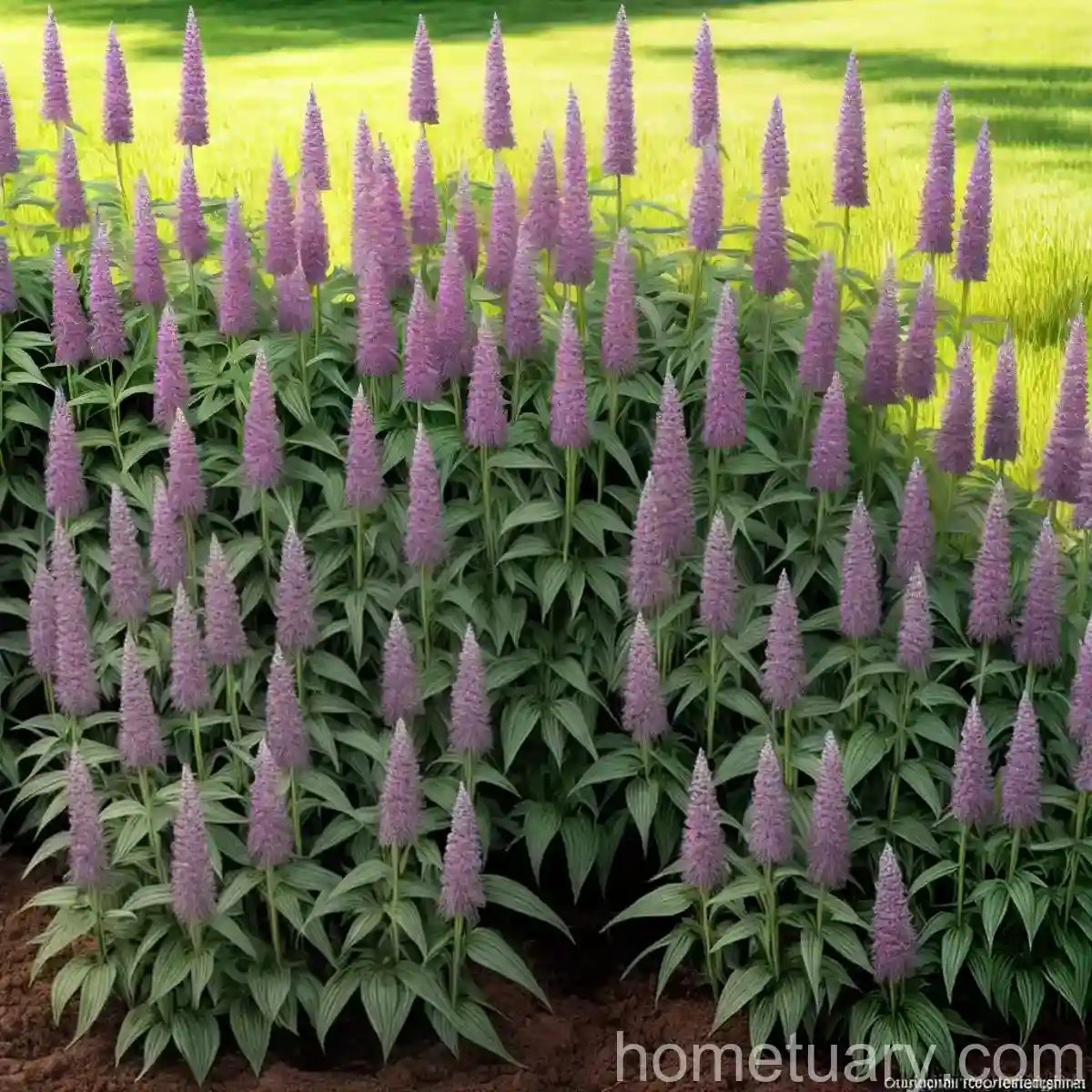
Culver’s Root (Veronicastrum virginicum ‘Album’): A Comprehensive Guide

Culver’s root, scientifically known as Veronicastrum virginicum ‘Album,’ is a stunning perennial plant that adds elegance and beauty to any garden or landscape. This comprehensive guide will provide you with all the essential information you need to successfully grow and care for Culver’s root in your own garden. From its cultural requirements to its uses, maintenance, and common pests and diseases, this guide covers everything you need to know to cultivate and nurture this exquisite plant.
What is Culver’s Root (Veronicastrum virginicum ‘Album’)?
Culver’s root, also known by its botanical name Veronicastrum virginicum ‘Album,’ is a herbaceous perennial plant native to North America. It belongs to the plantain family (Plantaginaceae) and is known for its striking, upright spikes of small, white flowers that bloom in midsummer. The plant typically grows to a height of 3-7 feet and features lance-shaped leaves arranged in whorls along the stems.
Key Takeaways
Here are the key takeaways for Culver’s root (Veronicastrum virginicum ‘Album’):
- Plant Name: Veronicastrum virginicum ‘Album’
- Common Name: Culver’s Root
- Plant Type: Herbaceous Perennial
- Bloom Time: Midsummer
- Flower Color: White
- Growth Height: 3-7 feet
- Growth Habit: Upright Spikes
- Native Habitat: North America
- Family: Plantaginaceae
Now, let’s explore the various aspects of caring for and growing Culver’s root, from its cultural requirements to its uses, maintenance, and common pests and diseases.
Culver’s Root (Veronicastrum virginicum ‘Album’) Care
Culver’s root, with its elegant spires of white flowers, is an excellent addition to any garden or landscape. To ensure the successful cultivation of this beautiful plant, it is essential to understand its specific care requirements. Let’s delve into the key aspects of caring for Culver’s root, including its cultural needs, uses, water requirements, sunlight preferences, fertilizer needs, soil preferences, pruning techniques, propagation methods, and its popularity in container gardens.
Culture
Culver’s root is a relatively low-maintenance plant, making it an excellent choice for both novice and experienced gardeners. Here are the cultural requirements for successfully growing Culver’s root in your garden:
Uses
Culver’s root is a versatile plant with several potential uses in the garden and landscape. Some common uses of Culver’s root include:
- Ornamental Garden Plant
- Pollinator Garden Attractor
- Wildlife Habitat Component
- Cut Flower
- Landscape Focal Point
- Border Plant
- Container Garden Feature
- Naturalizing Plant in Native Habitats
Water
Culver’s root thrives in consistently moist soil, making regular watering essential, especially during periods of drought. However, it is crucial to avoid waterlogging the soil, as this can lead to root rot and other moisture-related issues.
Sunlight
In terms of sunlight requirements, Culver’s root prefers full sun to partial shade. While it can tolerate some shade, it tends to bloom more prolifically and maintain a more compact growth habit when grown in full sun.
Fertilizer
Culver’s root generally does not have high fertilizer requirements. However, incorporating organic matter into the soil during planting can provide the plant with essential nutrients for healthy growth and development.
Soil
Culver’s root thrives in moist, well-draining soil with a slightly acidic to neutral pH. Amending the soil with organic matter, such as compost, can improve soil texture and fertility, creating an ideal growing environment for the plant.
Pruning
Pruning Culver’s root is primarily focused on removing spent flower spikes to encourage continuous blooming and prevent self-seeding. Additionally, performing a light trim in late fall or early spring can help maintain the plant’s shape and promote vigorous regrowth.
Propagation
Culver’s root is propagated through division or seed sowing. Division is typically carried out in early spring, while seed sowing can be done in the fall or early spring. Both methods have their unique advantages and can be employed based on individual preferences and specific growing conditions.
Container Popularity
Culver’s root is well-suited for container gardening, particularly for individuals with limited garden space or those looking to create captivating focal points on patios, decks, or balconies.
Common Diseases
Like all plants, Culver’s root is susceptible to certain diseases and issues that can impact its overall health and vigor. Understanding the common diseases and their diagnosis is crucial for effectively managing and preventing potential problems.
Disease Diagnosis
Some common diseases that may affect Culver’s root include powdery mildew, leaf spot, and root rot. It is essential to monitor the plant for any signs of disease, such as abnormal spots on the leaves, wilting, or discoloration, and take prompt action to address the issue.
Common Pests
In addition to diseases, Culver’s root may also attract certain pests that can affect its growth and appearance. Identifying and managing these pests is essential for preserving the plant’s health and vitality.
Botanist’s Tips
To ensure the successful growth and care of Culver’s root, consider implementing the following botanist’s tips:
- Plant Culver’s root in a location with well-draining soil and adequate sunlight to promote healthy growth and abundant flowering.
- Provide consistent moisture, especially during dry periods, to prevent stress and maintain the plant’s vigor.
- Monitor the plant for signs of disease and pests, and take appropriate measures to address any issues promptly.
- Consider incorporating Culver’s root into wildlife-friendly garden designs to attract pollinators and contribute to local biodiversity.
Fun Facts
Here are some interesting and fun facts about Culver’s root (Veronicastrum virginicum ‘Album’):
- Culver’s root is named after Dr. Culver, an 18th-century American physician who is said to have used the plant for medicinal purposes.
- The plant is known for its attractive, tall flower spikes that add vertical interest to garden landscapes.
- Culver’s root has a rich history of traditional medicinal uses by Native American tribes, who utilized various parts of the plant for therapeutic purposes.
Links to External Resources
For further information on Culver’s root (Veronicastrum virginicum ‘Album’) and related topics, explore the following external resources:
- Plant Profile: Culver’s Root (Veronicastrum virginicum)
- Growing Culver’s Root in the Garden
- Culver’s Root: A Native American Medicinal Plant
- Culver’s Root in Traditional Medicine
In conclusion, Culver’s root (Veronicastrum virginicum ‘Album’) is a remarkable plant with numerous ornamental, ecological, and cultural attributes. By understanding and implementing its specific care requirements, you can cultivate and enjoy the beauty of this plant in your garden while contributing to the overall biodiversity and aesthetic appeal of your landscape. Whether used as a stunning border plant, a focal point in a container garden, or an essential component of a wildlife-friendly landscape, Culver’s root adds a touch of elegance and charm to any outdoor space.




