Viburnum carlesii Spice Girl (Koreanspice Viburnum): A Plant Scientist’s Guide

The Viburnum carlesii ‘Spice Girl’ (Koreanspice Viburnum) is a beautiful and versatile plant that is prized for its fragrant flowers and attractive foliage. As a plant scientist, I have had the pleasure of studying and working with this wonderful shrub, and in this comprehensive guide, I will delve into all aspects of its cultivation, including culture, uses, care, propagation, common diseases, and much more. Whether you are a seasoned gardener or a novice enthusiast, I hope you find this guide helpful in understanding and cultivating this delightful plant.
What is Viburnum carlesii Spice Girl?
Viburnum carlesii ‘Spice Girl’, commonly known as Koreanspice Viburnum, is a deciduous shrub that belongs to the Adoxaceae family. This cultivar is a selection of the species Viburnum carlesii, which is native to Korea and Japan. It is renowned for its compact, rounded habit, and its exceptional fragrance, making it a cherished addition to gardens and landscapes.
Key Takeaways – Viburnum carlesii Spice Girl
- Latin Name: Viburnum carlesii ‘Spice Girl’
- Common Name: Koreanspice Viburnum
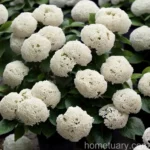
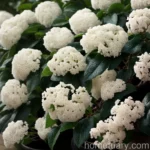
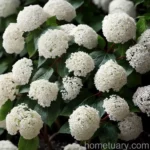
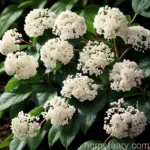
- Fragrance: Intensely fragrant pink flowers
- Foliage: Dark green, glossy leaves that turn shades of red in the fall
- Growth Habit: Compact, rounded shape reaching a height of 4-5 feet and a spread of 4-6 feet
- Hardiness Zone: 4-8
- Uses: Ornamental shrub, hedge, specimen plant
- Flowering Season: Spring
- Deer Resistance: High
- Water Requirements: Average
- Sunlight Needs: Full sun to partial shade
Now that we have an overview of this enchanting plant, let’s explore its culture, uses, and care in detail.
Culture
Water
Proper watering is crucial for the health and vitality of Viburnum carlesii Spice Girl. During the establishment phase, it is essential to provide regular watering to ensure that the plant’s root system develops effectively. Once established, the shrub is relatively drought-tolerant, but it still benefits from consistent moisture, especially during dry spells. It is important to strike a balance, avoiding both waterlogged and overly dry conditions. A layer of organic mulch around the base of the plant can help retain soil moisture and regulate the soil temperature.
Sunlight
Viburnum carlesii Spice Girl thrives in locations with full sun to partial shade. In regions with hot summers, providing some protection from the intense afternoon sun can prevent leaf scorch. However, it is important to note that adequate sunlight is necessary to promote prolific flowering and overall plant vigor.
Fertilizer
Applying a balanced, slow-release fertilizer in early spring can provide the necessary nutrients for healthy growth and abundant flowering. A 10-10-10 fertilizer or a formulation specifically designed for flowering shrubs can be suitable. It is advisable to follow the manufacturer’s recommendations regarding the application rate and frequency to avoid over-fertilization, which can lead to excessive vegetative growth at the expense of flowering.
Soil
Viburnum carlesii Spice Girl thrives in moderately moist, well-drained soil with a slightly acidic to neutral pH. Amending the soil with organic matter such as compost or well-rotted manure can improve its structure and fertility, providing a favorable environment for the plant’s roots to flourish. As with many plants, ensuring good soil drainage is essential to prevent waterlogging, which can lead to root rot and other detrimental conditions.
Pruning
Proper pruning is essential to maintain the shape, health, and flowering performance of Viburnum carlesii Spice Girl. Pruning is best carried out immediately after the flowering season to avoid removing the developing flower buds for the following year. This cultivar blooms on old wood, so pruning later in the season can diminish the next year’s floral display.
When pruning, it is advisable to remove any dead, damaged, or diseased wood, as well as any crossing or crowded branches. Additionally, light shaping and thinning can promote better air circulation within the canopy, reducing the risk of disease and fostering the plant’s overall vitality.
Propagation
Viburnum carlesii Spice Girl can be propagated through several methods, including:
-
Softwood Cuttings: Softwood cuttings can be taken in late spring to early summer when the plant’s new growth is still tender and flexible. The cuttings can be treated with rooting hormones and placed in a suitable propagation medium to encourage the development of roots.
-
Hardwood Cuttings: Hardwood cuttings are taken in late autumn or early winter when the plant is dormant. These cuttings, consisting of mature, woody stems, can be prepared and planted in a well-draining medium to facilitate root development over the winter months.
-
Layering: Layering is another propagation technique that involves encouraging a low-growing branch to produce roots while still attached to the parent plant. Once the roots have developed, the new plant can be separated and transplanted.
Container Popularity
Viburnum carlesii Spice Girl is well-suited to container cultivation, making it a versatile option for gardens, patios, and even balconies. When grown in containers, this shrub can be more easily managed in terms of its growth habit and it can be positioned to take advantage of optimal sunlight and growing conditions. Using a high-quality, well-draining potting mix and providing adequate water and nutrients are crucial for success when growing Viburnum carlesii Spice Girl in containers.
Common Diseases
Viburnum carlesii Spice Girl is generally resistant to many common diseases, but it is still susceptible to certain issues that can impact its health and appearance.
Disease Diagnosis
Some of the potential diseases that might affect Viburnum carlesii Spice Girl include:
-
Powdery Mildew: This fungal disease can manifest as a powdery white coating on the leaves and stems, leading to distorted growth and reduced plant vigor.
-
Leaf Spot: Leaf spot diseases can cause dark or light spots on the foliage, potentially leading to premature leaf drop and weakening the plant over time.
-
Canker Diseases: Cankers are localized areas of dead tissue on stems or branches, often caused by fungal or bacterial pathogens. They can result in dieback and reduced plant vitality if left unchecked.
It is important to monitor the plant regularly for any signs of disease, including unusual discoloration, lesions, or deformities. Prompt action, such as the removal and disposal of affected plant material, proper sanitation, and, in some cases, targeted fungicidal treatments, can help manage and prevent the spread of diseases.
Common Pests
Viburnum carlesii Spice Girl is relatively resistant to many common pests, but occasional pest issues may arise, requiring proactive management to protect the plant’s health and appearance.
Some of the potential pests that might trouble Viburnum carlesii Spice Girl include:
-
Aphids: These small, soft-bodied insects can cluster on the new growth and undersides of leaves, sucking sap and potentially causing deformities and honeydew accumulation.
-
Scale Insects: Scale insects can appear as small, raised bumps on stems and leaves, and they can weaken the plant by feeding on its sap.
-
Spider Mites: These tiny arachnids can infest the plant, causing stippling and webbing on the foliage and impairing the plant’s photosynthetic capacity.
Regular monitoring and timely intervention are crucial in managing pest issues. Methods such as mechanical removal, horticultural oils, insecticidal soaps, and natural predators can be utilized to mitigate pest populations and minimize their impact on the plant.
Botanist’s Tips
-
Plant Viburnum carlesii Spice Girl in a location with well-drained soil and ample sunlight to promote healthy growth and prolific flowering.
-
Incorporate a layer of organic mulch around the base of the plant to conserve soil moisture, regulate temperature, and suppress weed growth.
-
Ensure proper air circulation within the plant’s canopy by pruning and thinning to minimize the risk of disease.
-
Regularly monitor the plant for signs of disease and pests, taking swift action to prevent their establishment and spread.
-
When propagating Viburnum carlesii Spice Girl, choose healthy, disease-free plant material and provide suitable growing conditions to encourage successful root development.
Fun Facts
-
Viburnum carlesii ‘Spice Girl’ earned its common name, Koreanspice Viburnum, due to its origin in Korea and its intensely fragrant flowers that perfume the air.
-
The flowers of Viburnum carlesii Spice Girl are not only visually stunning but also highly attractive to pollinators, making it a valuable addition to pollinator-friendly gardens.
Now that we have covered the culture, uses, and care of Viburnum carlesii Spice Girl, let’s explore some additional resources where you can further enhance your knowledge and appreciation of this exquisite plant.
Links to External Resources
In conclusion, the Viburnum carlesii ‘Spice Girl’ (Koreanspice Viburnum) is a captivating and valuable addition to gardens and landscapes, offering a wealth of beauty, fragrance, and ecological benefits. By understanding its culture, uses, and care, we can cultivate and appreciate this wonderful shrub to its fullest potential.
I hope this comprehensive guide has provided valuable insights into the world of Viburnum carlesii Spice Girl, equipping you with the knowledge and confidence to cultivate and enjoy this remarkable plant in your own garden. Happy gardening!