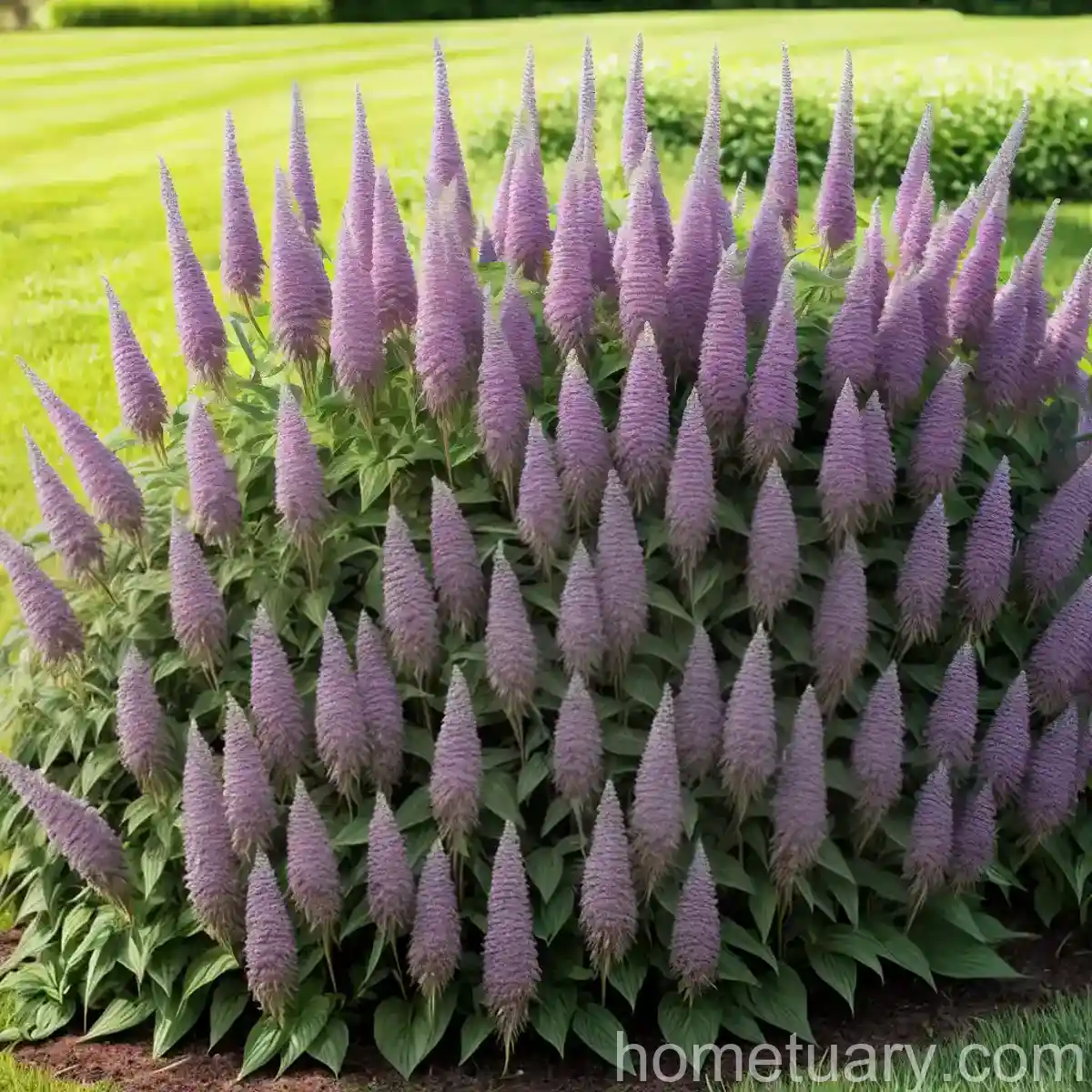
The Fascinating Veronicastrum virginicum ‘Album’ (Culver’s Root) – A Complete Guide
Introduction
Veronicastrum virginicum ‘Album’, commonly known as Culver’s Root, is an enchanting perennial plant that has gained popularity among garden enthusiasts due to its striking appearance and versatile uses. This plant belongs to the Plantaginaceae family and is native to North America. In this comprehensive guide, we will explore the various aspects of this captivating plant, including its cultural requirements, uses, maintenance, propagation, and much more.
Veronicastrum virginicum ‘Album’ (Culver’s Root)
Veronicastrum virginicum ‘Album’, also known as Culver’s Root, is a herbaceous perennial that typically grows in a clump form. It is recognized for its elegant, slender spikes of small, star-shaped, white flowers that bloom in summer. The plant’s attractive blooms are known to attract pollinators such as bees and butterflies, making it a valuable addition to garden landscapes.
Key Takeaways – Veronicastrum virginicum ‘Album’ (Culver’s Root)
- Botanical Name: Veronicastrum virginicum ‘Album’
- Common Name: Culver’s Root
- Family: Plantaginaceae
- Plant Type: Herbaceous Perennial
- Flower Color: White
- Blooming Season: Summer
- Sunlight: Full sun to partial shade
- Soil Type: Moist, well-draining
- Uses: Landscaping, pollinator attraction, medicinal
- Maintenance: Low to moderate
- Hardiness Zone: 3-8
Now, let’s delve into the various aspects of cultivating and caring for Veronicastrum virginicum ‘Album’ in your garden.
Culture
Veronicastrum virginicum ‘Album’ is relatively easy to cultivate and maintain, making it an excellent choice for both novice and experienced gardeners. Here are the key cultural requirements to consider when growing Culver’s Root:
Uses
The Veronicastrum virginicum ‘Album’ plant has several versatile uses, making it a valuable addition to gardens and landscapes. Some of its primary uses include:
-
Landscaping: Culver’s Root is often used in mixed borders, cottage gardens, and naturalistic landscapes due to its elegant vertical growth habit and attractive flowers.
-
Pollinator Attraction: The plant’s nectar-rich flowers attract bees, butterflies, and other pollinators, making it a valuable addition to wildlife gardens.
-
Medicinal Purposes: Certain parts of the Culver’s Root plant are known for their traditional medicinal uses, including treating fevers and promoting digestive health.
Water
Veronicastrum virginicum ‘Album’ thrives in moist soil conditions and benefits from regular watering, particularly during dry periods. When establishing this plant, ensure that the soil remains consistently moist but not waterlogged. Once established, Culver’s Root demonstrates moderate drought tolerance, although regular watering is still recommended, especially during prolonged periods of drought.
Sunlight
This perennial plant prefers to grow in full sun to partial shade. While it can tolerate partial shade, providing ample sunlight will promote robust growth and abundant flowering. When planting Culver’s Root, select a location that receives at least 6 hours of direct sunlight per day for the best results.
Fertilizer
Veronicastrum virginicum ‘Album’ does not have high fertilizer requirements and typically thrives in moderately fertile soil. Prior to planting, amending the soil with organic matter such as compost can provide the necessary nutrients for healthy growth. Additionally, applying a balanced, slow-release fertilizer in the spring can support the plant’s growth and flowering.
Soil
The ideal soil for Veronicastrum virginicum ‘Album’ is moist, well-draining, and rich in organic matter. Loamy soils with good water retention properties are particularly well-suited for this plant. Moreover, maintaining a slightly acidic to neutral soil pH (6.0-7.0) is beneficial for optimal growth and nutrient uptake.
Pruning
Culver’s Root generally requires minimal pruning, primarily for aesthetic purposes or to remove any damaged or spent flower spikes. Remove the faded flower spikes after the blooming period to encourage a tidy appearance and potentially stimulate a second flush of blooms. Additionally, cutting back the plant to ground level in late fall or early spring can help promote vigorous new growth.
Propagation
Propagation of Veronicastrum virginicum ‘Album’ can be achieved through various methods, including division, seed sowing, and stem cuttings. Here’s an overview of each propagation method:
-
Division: In early spring or fall, the plant’s rhizomatous roots can be divided, and the divided segments can be replanted in suitable locations.
-
Seed Sowing: Collect mature seeds from the plant and sow them indoors in trays during the late winter or directly in the garden in the spring. Keep the soil consistently moist until the seeds germinate and establish.
-
Stem Cuttings: Take stem cuttings from healthy Culver’s Root plants in the spring or early summer and root them in a moist growing medium. Once rooted, the cuttings can be transplanted to their final growing positions.
Container Popularity
Due to its vertical growth habit and attractive blooms, Veronicastrum virginicum ‘Album’ is well-suited for growing in containers. When growing Culver’s Root in containers, ensure that the pots are large enough to accommodate the plant’s extensive root system and provide adequate support for the tall flowering spikes. Additionally, select a well-draining potting mix and place the containers in a location with sufficient sunlight.
Common Diseases
While Culver’s Root is generally resilient to most diseases, it may occasionally encounter certain issues that can affect its health and vitality. Here are some common diseases and health issues to be aware of when cultivating Veronicastrum virginicum ‘Album’:
Disease Diagnosis
-
Powdery Mildew: A common fungal disease that may affect Culver’s Root, particularly in humid or overcrowded growing conditions. Symptoms include the development of a powdery white substance on the leaves and stems.
-
Root Rot: Excessive soil moisture or poor drainage can lead to root rot in Culver’s Root plants. Symptoms may include wilting, yellowing foliage, and a foul odor emanating from the soil.
-
Leaf Spot: Certain leaf spot diseases can occasionally affect Culver’s Root, causing the development of dark spots or lesions on the foliage.
Common Pests
Veronicastrum virginicum ‘Album’ is relatively resistant to pest infestations. However, it may occasionally be susceptible to attacks from certain garden pests, including:
-
Aphids: These small, sap-sucking insects can occasionally infest Culver’s Root, particularly on new growth. They can be dislodged with a strong stream of water or controlled with insecticidal soap if necessary.
-
Japanese Beetles: These voracious pests may feed on the foliage of Culver’s Root, causing damage to the leaves. Handpick the beetles or use organic control methods to manage their populations.
Botanist’s Tips
Incorporating Veronicastrum virginicum ‘Album’ into your garden or landscape can bring a touch of elegance and charm. Here are some expert tips for cultivating Culver’s Root and maximizing its ornamental and ecological value:
-
Companion Planting: Pair Culver’s Root with other pollinator-friendly plants such as Echinacea, Monarda, and Asclepias to create a vibrant and wildlife-supportive garden environment.
-
Wildlife Attraction: By attracting bees, butterflies, and other pollinators, Culver’s Root contributes to the overall biodiversity and health of the garden ecosystem. Consider its role in supporting local wildlife populations when designing your garden.
-
Naturalistic Landscapes: Culver’s Root is well-suited for naturalistic or prairie-style landscapes, where its towering flower spikes can add vertical interest and a sense of wild beauty.
-
Medicinal Uses: Explore the traditional medicinal uses of Culver’s Root, which has been historically used by indigenous cultures for various health remedies. Research the plant’s potential benefits and uses.
Fun Facts
-
The common name “Culver’s Root” is believed to be derived from Dr. Culver, an 18th-century herbalist who purportedly used the plant for medicinal purposes.
-
Culver’s Root has been historically used in traditional Native American medicine to treat conditions such as fevers, constipation, and liver complaints.
-
The plant’s striking flower spikes not only provide visual appeal but also serve as valuable nectar sources for pollinators, contributing to the conservation of bees and butterflies.
As you can see, Veronicastrum virginicum ‘Album’, or Culver’s Root, is a captivating and multi-faceted plant with much to offer to gardeners, wildlife enthusiasts, and herbalists alike.
Links to External Resources
To further expand your knowledge and appreciation of Veronicastrum virginicum ‘Album’ and its cultivation, here are some valuable external resources:
In conclusion, Veronicastrum virginicum ‘Album’, or Culver’s Root, is a delightful and beneficial plant that merits a place in diverse garden settings. Whether you are drawn to its graceful blooms, ecological value, or historical significance, incorporating this plant into your landscape can bring an array of rewards. By understanding and embracing its cultural requirements and ecological significance, you can foster the health and beauty of Culver’s Root while contributing to the enrichment of your garden environment.