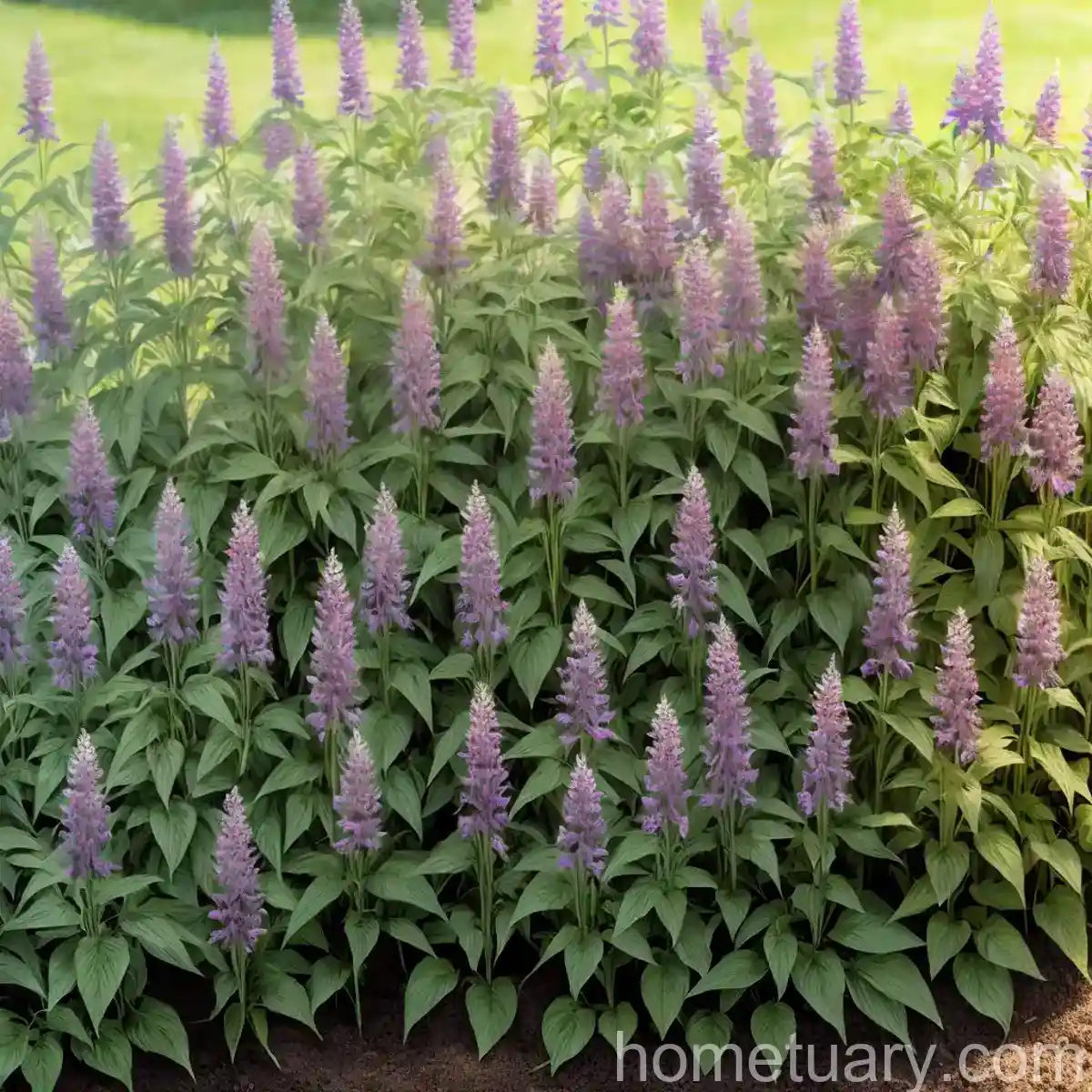
Culver’s Root (Veronicastrum virginicum ‘Apollo’)
As a plant scientist, I have encountered numerous fascinating species of plants, each with its own unique characteristics and requirements. One such plant that has captivated my attention is Culver’s Root, scientifically known as Veronicastrum virginicum ‘Apollo’. This flowering perennial is known for its stunning floral displays and versatile uses in landscaping and gardening. In this comprehensive guide, I will delve into the cultivation, care, and various aspects of Culver’s Root, aiming to provide a valuable resource for plant enthusiasts, gardeners, and horticulturists.
What is Culver’s Root (Veronicastrum virginicum ‘Apollo’)?
Culver’s Root, or Veronicastrum virginicum ‘Apollo’, is a herbaceous perennial plant native to North America. It belongs to the Figwort family (Scrophulariaceae), and is characterized by its tall, erect stems adorned with attractive spires of tiny, star-shaped flowers. The ‘Apollo’ cultivar is particularly prized for its compact habit and abundant blossoms, making it an appealing choice for garden settings.
Key Takeaways
Before delving into the specifics of cultivating and caring for Culver’s Root, it is essential to highlight some key takeaways about this esteemed plant.
-
Growth Requirements: Culver’s Root thrives in moist, well-draining soil and prefers partial to full sunlight. It is essential to provide adequate water and space for this plant to flourish.
-
Characteristics: Veronicastrum virginicum ‘Apollo’ is distinguished by its slender, vertical inflorescences adorned with numerous pale lavender to white flowers. The ‘Apollo’ cultivar is known for its compact growth and resilience.
-
Cultivation: Growing Culver’s Root requires attention to soil quality, sunlight exposure, and moisture levels. It is a versatile plant that can be integrated into various garden designs and landscaping projects.
-
Care Tips: Providing suitable conditions, regular watering, and occasional fertilization are integral to ensuring the health and vitality of Culver’s Root. Pruning and propagation methods are also crucial for its maintenance and propagation.
With these key takeaways in mind, let’s explore the detailed aspects of cultivating and caring for Culver’s Root, including its cultural requirements, uses, and maintenance practices.
Culture
The successful cultivation of Culver’s Root hinges on understanding its cultural requirements and creating an environment that mirrors its natural habitat. By paying close attention to soil, water, sunlight, and other critical factors, gardeners can foster the optimal conditions for this magnificent plant to thrive.
Water
Culver’s Root, like many perennial flowering plants, benefits from consistent moisture, particularly during its active growth stages. While it necessitates well-draining soil, it is crucial to ensure that the plant receives adequate water, especially in summer or during dry spells. A regular watering schedule, with attention to the soil’s moisture level, is advisable to prevent drought stress. However, it is equally important to avoid waterlogging, as excessively wet conditions can be detrimental to Culver’s Root.
Sunlight
In its natural habitat, Culver’s Root is often found in meadows and open woodlands, indicating its preference for partial to full sunlight. When grown in garden settings, it is best situated in locations that receive at least six hours of sunlight per day. While the ‘Apollo’ cultivar shows resilience in varying light conditions, providing ample sunlight ensures robust growth and prolific flowering.
Fertilizer
To support healthy growth and abundant blooming, Culver’s Root can benefit from a balanced fertilizer application during the growing season. A slow-release, granular fertilizer applied in early spring can provide the necessary nutrients for the plant’s development. It is essential to follow the recommended application rates and avoid excessive fertilization, which can lead to lush foliage at the expense of flowering.
Soil
The soil quality plays a pivotal role in the success of cultivating Culver’s Root. It thrives in rich, moist soil with good drainage. A loamy, well-aerated soil with a slightly acidic to neutral pH range is ideal for this plant. Amending the soil with organic matter, such as compost or well-rotted manure, can enhance its fertility and structure, promoting optimal growth.
Pruning
Pruning is an essential aspect of maintaining Culver’s Root and promoting its vigor and aesthetics. While the plant does not require extensive pruning, removing spent flower spikes and tidying the foliage can contribute to its overall health and appearance. This practice also helps prevent self-seeding and encourages the development of new blooms.
Propagation
Propagating Culver’s Root can be achieved through various methods, including division and seed propagation. Division, typically carried out in early spring or fall, involves separating the plant into smaller sections, each containing viable roots and shoots. Seed propagation, on the other hand, involves collecting mature seeds and sowing them in prepared soil or containers, following the specific germination requirements of the species.
Container Popularity
Culver’s Root holds substantial appeal for container gardening enthusiasts, offering a vertically striking and visually captivating addition to container arrangements. Its upright growth habit and elegant floral spires make it an excellent choice for taller containers or as a focal point in mixed plantings. When grown in containers, it is crucial to ensure adequate drainage and provide sufficient space for the plant’s roots to establish and thrive.
Container Common Diseases
When grown in containers, Culver’s Root may be susceptible to certain diseases and issues that are associated with container gardening. Understanding and addressing these common diseases is essential for maintaining the plant’s health and vigor.
Disease Diagnosis
The diagnosis of diseases in container-grown Culver’s Root involves observing and identifying symptoms such as discoloration, wilting, or abnormal growth patterns. Common diseases that may affect container plants include root rot, powdery mildew, and bacterial or fungal infections. Proper sanitation and cultural practices, including adequate airflow and appropriate watering, can mitigate the risk of these diseases.
Common Pests
Container-grown Culver’s Root may also encounter pests that can compromise its health and vitality. Pests such as aphids, spider mites, and caterpillars can target the foliage and flowers of the plant, leading to damage and reduced aesthetic appeal. Implementing pest monitoring and management strategies, including the use of organic insecticidal soaps or neem oil, can help mitigate pest infestations in container settings.
Botanist’s Tips
As a plant scientist with a keen interest in the cultivation and preservation of plant species, I offer the following tips for enthusiasts and gardeners seeking to embark on the journey of growing Culver’s Root in their garden or landscape.
-
Native Plant Integration: Incorporating Culver’s Root into native plant landscapes and wildflower gardens can contribute to biodiversity, support local ecosystems, and showcase the plant’s natural beauty.
-
Pollinator Attraction: The nectar-rich flowers of Culver’s Root attract pollinators such as bees, butterflies, and hummingbirds, making it an invaluable addition to pollinator gardens and wildlife-friendly landscapes.
-
Medicinal Properties: Culver’s Root exhibits traditional medicinal uses, with indigenous cultures utilizing its roots for various therapeutic purposes. Exploring the plant’s medicinal history and properties can offer valuable insights into its cultural significance.
-
Companion Planting: Selecting suitable companion plants that complement Culver’s Root in terms of aesthetics, cultural requirements, and ecological interactions can enhance the overall visual impact and ecological value of garden settings.
-
Conservation Efforts: Recognizing the significance of native plant conservation, efforts to propagate, protect, and restore Culver’s Root in natural habitats and managed landscapes can contribute to its long-term sustainability and ecological relevance.
Fun Facts
Exploring the unique and intriguing aspects of Culver’s Root can unveil a multitude of fascinating facts and historical anecdotes associated with this charismatic plant. Here are some fun facts that shed light on the plant’s distinct qualities and cultural significance.
-
Culver’s Root, also known as Bowman’s Root, was named after Dr. Culver, a renowned 18th-century herbalist and physician, who recognized the plant’s therapeutic properties.
-
The slender, towering inflorescences of Culver’s Root make it a standout vertical element in garden designs, offering a striking contrast to lower-growing companions.
-
The delicate, pale lavender to white flowers of the ‘Apollo’ cultivar exude an ethereal charm, captivating the attention of garden visitors and pollinators alike.
-
Culver’s Root has been historically used in traditional herbal medicine, with the indigenous tribes of North America employing its roots for various medicinal applications, including fevers and gastrointestinal ailments.
-
The resilience of Culver’s Root makes it an adaptable and low-maintenance plant, ideal for naturalistic landscapes, rain gardens, and restoration projects.
Links to External Resources
For further exploration and in-depth information on Culver’s Root, I recommend the following external resources that offer valuable insights and guidance on cultivating, utilizing, and appreciating this esteemed plant.
- The Spruce – Culver’s Root (Veronicastrum virginicum): Plant Profile and Care Guide
- Missouri Botanical Garden – Veronicastrum virginicum ‘Apollo’
- Royal Horticultural Society – Culver’s root (Veronicastrum virginicum ‘Apollo’)
- University of Wisconsin-Madison Arboretum – Culver’s Root: Veronicastrum virginicum
- North Carolina State University Extension – Culver’s Root in the Garden
By engaging with these resources, enthusiasts can gain a comprehensive understanding of Culver’s Root, encompassing its horticultural significance, ecological role, and practical applications in gardening and landscaping. These resources serve as invaluable tools for aspiring gardeners, horticulturists, and educators interested in the diverse facets of Culver’s Root cultivation and appreciation.
In conclusion, Culver’s Root (Veronicastrum virginicum ‘Apollo’) stands as a remarkable plant species that encapsulates botanical beauty, ecological functionality, and cultural relevance. Through cultivating, learning about, and cherishing this plant, we contribute to the conservation of native flora, the promotion of biodiversity, and the enhancement of garden landscapes. I trust that this comprehensive guide serves as a source of inspiration and knowledge, empowering plant enthusiasts to embark on their journey of exploring and cultivating the captivating Culver’s Root.
This blog post is authored by a plant scientist with a passion for botanical diversity, sustainability, and horticultural education.