Viburnum carlesii ‘Diana’ (Koreanspice Viburnum): A Detailed Guide
Viburnum carlesii ‘Diana,’ commonly known as Koreanspice Viburnum, is a beloved ornamental shrub with multiple desirable traits, making it a favorite among gardeners and landscapers. In this comprehensive guide, we will explore the characteristics, cultivation, uses, and maintenance of this stunning plant. From its growth habits to its fragrance intensity, we’ll delve into every aspect to provide you with the knowledge needed to successfully grow and care for Viburnum carlesii ‘Diana’ in your garden or landscape.
What is Viburnum carlesii ‘Diana’ (Koreanspice Viburnum)?
Viburnum carlesii ‘Diana’ is a cultivar of Viburnum carlesii, a species of viburnum native to Korea and Japan. It belongs to the Adoxaceae family and is renowned for its compact, rounded form, abundant clusters of fragrant flowers, and attractive fall foliage. The ‘Diana’ cultivar is cherished for its particularly intense fragrance and robust characteristics, making it a sought-after choice for gardens and landscapes.
Key Takeaways – Viburnum carlesii ‘Diana’ (Koreanspice Viburnum)
Before we delve into the specifics of caring for Viburnum carlesii ‘Diana,’ let’s briefly highlight some key takeaways about this delightful plant.
- Growth Habits: Compact, rounded form with a moderate growth rate.
- Varieties: ‘Diana’ is a specific cultivar, but Viburnum carlesii as a species offers various selections for different traits and features.
- Care Tips: Requires well-drained soil, regular watering, and partial shade to full sun exposure.
- Facts: Known for its intensely fragrant flower clusters and vibrant fall foliage.
- Planting: Suitable for gardens, borders, and woodland landscapes.
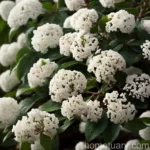
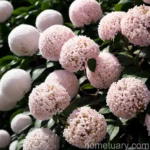
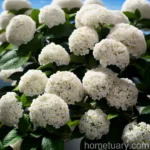
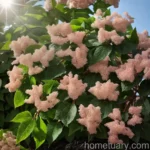
- Characteristics: Clusters of pink buds open into white, star-shaped flowers with a spicy-sweet scent.
- Propagation: Can be propagated from softwood cuttings with the use of rooting hormone.
- Soil Conditions: Thrives in moist, well-drained soils with a slightly acidic to neutral pH.
- Pruning Techniques: Light pruning after flowering helps maintain shape and control size.
- Disease Resistance: Generally resistant to diseases, but proper growing conditions help prevent common issues.
- Landscape Design: Adds fragrance, color, and wildlife attraction to gardens and naturalized areas.
- Flowering Season: Typically blooms in late spring with magnificent flower clusters.
- Fragrance: The flowers emit a sweet and spicy fragrance, enhancing the garden atmosphere.
- Pest Control: Susceptible to certain pests, but proper maintenance and monitoring can mitigate infestations.
- Sun Requirements: Thrives in partial shade to full sun conditions.
- Screening Plant: Can be utilized as a visually appealing and fragrant screening plant.
- Wildlife Attraction: Attracts pollinators and beneficial wildlife.
- Cold Hardiness: Tolerant of cold temperatures, with some varieties exhibiting exceptional hardiness.
- Container Gardening: Suitable for container cultivation with proper care and maintenance.
- Watering Needs: Requires regular watering, particularly during dry periods.
- Companion Plants: Pair with suitable companion plants to create visually pleasing and harmonious landscapes.
- Fall Foliage: Displays vibrant autumn colors, adding visual interest to the landscape.
- Medicinal Uses: Some species within the Viburnum genus have historical medicinal applications, though ‘Diana’ may not specifically possess such properties.
- Maintenance Tips: Regular monitoring for pests and diseases, along with routine care, ensures healthy growth.
- Planting Season: Best planted in early spring or early fall to allow for establishment before extreme weather.
- Wildlife Benefit: Contributes to the ecological balance by supporting wildlife such as birds and pollinators.
- Water-Wise Gardening: When established, Koreanspice Viburnum demonstrates moderate drought tolerance.
- Bird-Friendly Plant: Attracts birds, contributing to a lively and dynamic garden environment.
- Landscape Focal Point: Can serve as a visually captivating centerpiece in landscape designs.
- Root System: Develops a fibrous root system, requiring adequate space for growth and development.
- Fragrance Intensity: Renowned for its particularly intense and delightful fragrance.
- Color Variations: Exhibits variations in flower color and fall foliage hues across different cultivars.
- Pruning Mistakes to Avoid: Avoid excessive or poorly timed pruning, compromising flowering and overall plant health.
Now that we’ve outlined the key aspects of Viburnum carlesii ‘Diana,’ let’s explore each element in greater detail to provide a comprehensive understanding of this exceptional plant.
Culture
Cultivating Viburnum carlesii ‘Diana’ involves understanding its specific cultural requirements, including preferred growing conditions, soil characteristics, and maintenance needs. By providing the appropriate cultural care, you can ensure the healthy growth and optimal development of Koreanspice Viburnum in your garden or landscape.
Uses
Garden Applications
Viburnum carlesii ‘Diana’ offers diverse applications within garden settings, adding fragrance, visual appeal, and ecological benefits to various environments. Some common garden uses include:
- Borders: Creates vibrant and fragrant borders, enhancing the aesthetics of garden beds and borders.
- Woodland Gardens: Well-suited for woodland or shaded garden areas, adding color and fragrance to these naturalized settings.
- Mixed Shrub Borders: Blends harmoniously with other shrubs, contributing to diverse and captivating shrub borders.
- Specimen Planting: Showcases its beauty as a standalone specimen, drawing attention to its delightful flowers and foliage.
Landscape Design
In landscape design, Viburnum carlesii ‘Diana’ can be strategically incorporated to fulfill aesthetic, functional, and ecological roles, contributing to well-designed outdoor spaces. Consider the following landscape applications:
- Fragrance Gardens: Adds delightful fragrance to gardens and outdoor spaces, enhancing sensory experiences.
- Wildlife Gardens: Attracts beneficial wildlife, promoting biodiversity and ecological balance in designed landscapes.
- Foundation Planting: Utilized for foundation planting, enhancing the visual appeal of building exteriors.
- Naturalized Settings: Enhances the natural beauty of woodlands, meadows, and naturalized areas with its charming presence.
- Screening and Privacy: Provides screens and natural privacy with its dense growth habit, offering an appealing alternative to traditional screening plants.
With its multi-faceted uses, Viburnum carlesii ‘Diana’ serves as a versatile and valuable addition to gardens and landscapes, enriching outdoor environments with its beauty and functionality.
Water
Proper watering is essential for the health and vitality of Viburnum carlesii ‘Diana.’ While it displays moderate drought tolerance once established, regular watering, particularly during dry periods, is crucial for optimal growth and flowering.
Watering Guidelines
- Establishment Period: During the initial establishment phase, provide consistent moisture to support root development and acclimatization.
- Regular Watering: Water deeply and infrequently, allowing the soil to partially dry out between watering sessions to prevent waterlogged conditions.
- Dry Periods: During prolonged dry spells, supplemental watering may be necessary to ensure the plant’s hydration and vitality.
- Mulching: Apply a layer of organic mulch around the base of the plant to conserve soil moisture and regulate soil temperature.
By adhering to appropriate watering practices, you can support the healthy growth and resilience of Koreanspice Viburnum, ensuring its longevity and vigor in your garden or landscape.
Sunlight
Viburnum carlesii ‘Diana’ flourishes in locations with partial shade to full sun exposure, displaying its best performance and prolific flowering under these light conditions. Understanding the plant’s sunlight requirements is pivotal for selecting suitable planting sites and optimizing its growth and blooming potential.
Sunlight Preferences
- Partial Shade: Thrives in locations that receive dappled sunlight or light shade, particularly in regions with intense afternoon sun.
- Full Sun: Flourishes in areas with direct sunlight for a significant portion of the day, promoting abundant flowering and robust growth.
- Shade Tolerance: While it prefers partial shade, Koreanspice Viburnum exhibits reasonable tolerance to varying light conditions, adapting to different exposure levels.
Identifying appropriate sun exposure and providing the recommended light conditions contribute to the overall health and flowering performance of Viburnum carlesii ‘Diana,’ ensuring its remarkable beauty and vitality in your outdoor spaces.
Fertilizer
Fertilizing Viburnum carlesii ‘Diana’ supports its growth, flowering, and overall vigor, providing essential nutrients for sustained health and performance. However, understanding the appropriate fertilizer application and timing is crucial for avoiding potential issues and promoting the plant’s well-being.
Fertilization Tips
- Timing: Apply a balanced, slow-release fertilizer in early spring, just before the growing season commences, to supply nutrients for the upcoming growth and flowering phases.
- Rate and Quantity: Follow the manufacturer’s guidelines for the specific fertilizer product, and avoid over-fertilization to prevent potential nutrient imbalances or adverse effects.
- Uniform Application: Distribute the fertilizer evenly around the root zone, avoiding direct contact with the plant’s stem or foliage.
- Watering After Application: After applying the fertilizer, water the plant thoroughly to facilitate the nutrient absorption and prevent root burn.
By implementing appropriate fertilization practices, you can bolster the health and vitality of Koreanspice Viburnum, supporting its lush foliage, abundant flowering, and overall resilience in the garden or landscape.
Soil
Understanding the soil requirements of Viburnum carlesii ‘Diana’ is pivotal for creating an optimal growing environment that promotes healthy root development, efficient nutrient uptake, and overall plant vigor. By selecting and preparing suitable soil, you can establish a conducive foundation for the plant’s sustained growth and performance.
Soil Characteristics
- Well-Drained: Requires well-drained soil to prevent waterlogging, root suffocation, and potential disease issues.
- Moisture Retention: Capable of retaining moisture without becoming waterlogged, ensuring consistent hydration for the plant’s roots.
- pH Range: Thrives in slightly acidic to neutral soil with a pH range typically between 5.5 and 7.0.
- Soil Amendments: Incorporating organic matter such as compost or well-rotted manure enhances soil structure, fertility, and microbial activity, benefiting overall soil health.
Conduct soil tests and amend the planting area as necessary to provide the optimal soil conditions for Viburnum carlesii ‘Diana,’ ensuring robust growth, abundant flowering, and sustained vitality in your garden or landscape.
Pruning
Pruning is an essential aspect of maintaining the form, size, and health of Viburnum carlesii ‘Diana’ while promoting prolific flowering and overall vigor. By understanding the proper pruning techniques and timing, you can effectively manage the plant’s growth and cultivate an aesthetically pleasing and healthy specimen.
Pruning Techniques
- Post-Flowering Pruning: Conduct light pruning immediately after the flowering period to shape the plant, remove spent flowers, and maintain a compact form.
- Rejuvenation Pruning: Periodically perform rejuvenation pruning by selectively removing older or damaged stems to stimulate new growth and maintain a vigorous and well-structured plant.
- Sanitization: Use clean, sterile pruning tools to prevent the spread of diseases and ensure precise, healthy cuts.
- Sparse Pruning: Avoid excessive or unnecessary pruning, which may compromise the plant’s flowering potential and overall health.
Employing appropriate pruning practices contributes to the long-term health, form, and flowering prowess of Koreanspice Viburnum, sustaining its visual appeal and vitality in the garden or landscape.
Propagation
The propagation of Viburnum carlesii ‘Diana’ allows gardeners to expand their plant collection, share specimens with others, and replenish aging or declining plants. By learning and employing suitable propagation methods, you can effectively propagate new plants from existing ones, ensuring a consistent supply of this captivating shrub for your outdoor spaces.
Propagation Methods
- Softwood Cuttings: Utilize softwood cuttings taken in late spring or early summer, treating the base of the cuttings with rooting hormone to promote rapid and successful root development.
- Division: Divide mature plants during the early spring to separate and propagate healthy clumps, replanting the divisions in suitable growing locations.
- Layering: Encourage low stems to root by employing the layering method, enhancing the chances of successful propagation and subsequent establishment.
By employing the appropriate propagation techniques, you can effectively propagate Viburnum carlesii ‘Diana,’ expanding its presence in your garden or sharing its beauty with fellow gardening enthusiasts.
Container Popularity
The popularity of Viburnum carlesii ‘Diana’ in container gardening stems from its versatile and compact nature, exquisite fragrance, and enchanting floral display. By cultivating Koreanspice Viburnum in containers, gardening enthusiasts can appreciate its beauty and fragrance on patios, balconies, or outdoor living spaces, adding an element of elegance and allure to these areas.
Container Planting Guide
- Container Size: Select a spacious container that accommodates the plant’s root system and allows for adequate growth and development.
- Drainage: Ensure the container has adequate drainage holes to prevent waterlogging, promoting healthy root conditions.
- Potting Mix: Utilize a well-draining potting mix designed for woody shrubs, with added organic matter to enhance moisture retention.
- Watering: Monitor the soil moisture regularly and water the container-grown Viburnum as needed to maintain consistent hydration.
- Sun Exposure: Position the container in a location that receives the requisite sunlight for optimal growth and flowering.
By adhering to suitable container gardening practices, you can successfully cultivate Viburnum carlesii ‘Diana’ in containers, bringing its captivating beauty and fragrance to your outdoor living spaces.
Common Diseases
Though generally robust and resilient, Viburnum carlesii ‘Diana’ is susceptible to certain diseases, particularly under unfavorable growing conditions or in regions prone to specific pathogens. Recognizing common diseases and their associated symptoms is imperative for early intervention and effective management to uphold the plant’s health and vitality.
Disease Diagnosis
Powdery Mildew (Erysiphe sp.)
Symptoms:
- White, powdery fungal growth on foliage.
- Distorted or stunted growth of affected plant parts.
- Premature leaf drop or defoliation in severe cases.
Management:
- Improve air circulation around the plant by ensuring proper spacing and pruning to enhance ventilation.
- Apply fungicidal treatments following manufacturer recommendations to mitigate fungal growth and dissemination.
Leaf Spot (Cercospora sp.)
Symptoms:
- Dark, irregular spots or lesions on the foliage, often with a concentric ring pattern.
- Leaf yellowing or premature defoliation in advanced stages.
Management:
- Remove and dispose of infected plant debris to reduce potential disease carryover.
- Apply fungicidal treatments preventatively or upon early symptom detection to hinder disease progression.
Botrytis Blight (Botrytis cinerea)
Symptoms:
- Grayish-brown fuzzy fungal growth on flowers and foliage.
- Flower and bud blight, leading to diminished floral display.
- Soft, mushy tissue on affected plant parts.
Management:
- Avoid overhead watering to minimize excess moisture on foliage and flowers.
- Prune and dispose of affected plant parts to prevent the spread of the pathogen.
By promptly recognizing common diseases and implementing appropriate management strategies, you can protect Viburnum carlesii ‘Diana’ from potential disease issues and maintain its optimal health and vibrancy in your garden or landscape.
Common Pests
Viburnum carlesii ‘Diana’ may encounter certain insect pests that can compromise its growth, flowering, and overall vitality if left unaddressed. Understanding common pests and monitoring for their presence enables proactive pest management, safeguarding the plant from potential damage and ensuring its sustained health and beauty.
Pest Control
Aphids (Aphidoidea)
Identification:
- Small, soft-bodied insects congregating on new growth, buds, or undersides of leaves.
- Various colors depending on the species, including green, black, or yellow.
Control:
- Use a strong jet of water to dislodge aphids from the plant.
- Apply insecticidal soap or neem oil following manufacturer recommendations to target severe infestations.
Viburnum Leaf Beetle (Pyrrhalta viburni)
Identification:
- Larvae feed on foliage, creating skeletonized leaves with visible damage.
- Adults are cylindrical beetles with metallic blue-green coloring and black legs.
Control:
- Handpick and dispose of larvae and adults when feasible.
- Employ insecticidal applications when necessary, particularly during periods of heavy infestation.
Scale Insects (Coccoidea)
Identification:
- Small, immobile insects clustering on stems and the undersides of leaves.
- Often exhibit a waxy or armored covering for protection.
Control:
- Prune and dispose of heavily infested plant parts to reduce scale insect populations.
- Apply horticultural oil during the dormant season to manage scale insects effectively.
By actively monitoring for potential pests and promptly addressing infestations using appropriate control measures, you can safeguard Viburnum carlesii ‘Diana’ from pest-related issues and preserve its stunning appearance and vitality in your garden or landscape.
Botanist’s Tips
Seasoned botanists and gardening experts offer invaluable advice and insights for cultivating and caring for Viburnum carlesii ‘Diana,’ drawing from their extensive practical experience and theoretical knowledge. Incorporating these botanist’s tips into your gardening practices can enhance your success in growing and maintaining this beloved ornamental shrub.
Proven Tips for Success
- Select Suitable Varieties: Consider specific varieties within the Viburnum carlesii species to cater to your desired traits and growing conditions, such as fragrance intensity, fall foliage hues, and growth habits.
- Amend Soil Appropriately: Prepare the planting area with well-draining, fertile soil amended with organic matter to create an ideal foundation for Koreanspice Viburnum.
- Monitor Moisture Levels: Regularly assess soil moisture and ensure consistent hydration to support the plant’s root health and overall vitality.
- Beneficial Companion Plants: Choose compatible companion plants that complement Koreanspice Viburnum, creating visually harmonious and ecologically beneficial garden combinations.
- Prune with Precision: Employ precise pruning practices, focusing on post-flowering light pruning and rejuvenation pruning to maintain the plant’s form, health, and flowering performance.
- Preventative Care: Adopt preventative measures such as proper spacing, diligent sanitation, and regular monitoring to preempt potential pest and disease issues.
Incorporating these botanist’s tips into your approach to growing and caring for Viburnum carlesii ‘Diana’ can elevate your gardening experience, resulting in thriving, gorgeous specimens that enrich your outdoor spaces.
Fun Facts
As we celebrate the allure and charm of Viburnum carlesii ‘Diana,’ let’s explore some captivating and engaging fun facts about this delightful shrub, shedding light on its unique attributes and contributions to the natural world.
Enchanting Tidbits
- Fragrance Intensity: Renowned for its exceptionally intense and captivating fragrance, often compared